







Statistical graphs can be very poetic. Google has a tool (Trends) that beautifully shows how interest in a specific concept changes over time. When I ask about the term “neurodivergent,” I see a line rising unstoppable from 2020 to the present day. Before, the word almost didn’t exist.
Read more Four detainees and seven firearms seized in a shooting with no injuries in La Mina
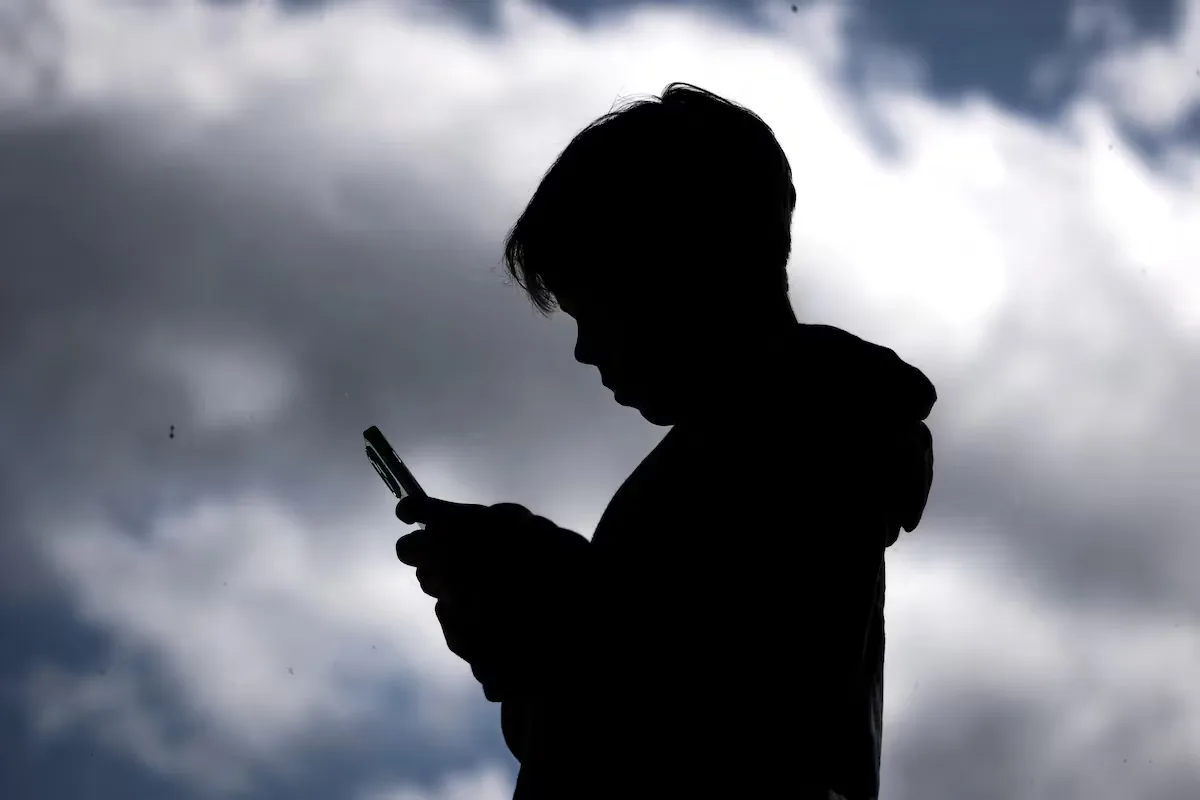
Autistic people, those with attention deficit or high abilities have always existed. Since the first forums, the internet was their refuge. But from the pandemic onwards, looking at the camera and confessing became easier and global. Many people who were getting by more or less with their lives suddenly found themselves locked in front of phones that offered them a portrait of themselves from which they could not escape. Through more or less silly pieces (“The bedroom chair when you have attention deficit,” “There was no autism before, but grandpa knew the schedules of all the trains”) they began to recognize each other. Those short and fast videos promised to answer the big question: what is wrong with me? Why am I different? TikTok and Instagram encouraged them with external validation and money. One word, neurodivergence, an ambiguous term that does not appear in psychiatry manuals, emerged to encompass brains that deviated from the norm because of the way they process, feel, or learn. In a few years, being neurodivergent has become a collective identity, as happened a decade ago with the fourth wave of feminism, when individual experiences transformed into a movement by connecting online around the right word.
Not everyone likes the idea of neurodivergence because it ignores certain conditions (like schizophrenia, for example), while sweetening and commercializing others. It is a world of tricks, coaches, self-help, supplements, influencers, and celebrity stories. The increase in visibility has grown alongside the number of diagnoses, sometimes giving the impression that neurodivergence is a trend, although psychiatrists warn of the suffering it can cause and that there are entire pockets of underdiagnosed populations, such as adult women. Presenter Paula Vázquez explained last year to Cadena SER the process that led her to seek a professional ADHD evaluation: “Watching videos on TikTok I felt very identified. I kept watching videos, made a folder, started saving things and said: watch out, there are already too many coincidences in everything I do. This is a pattern, I thought it was my personality and it is a pattern.”
So technology has had a lot to do with the expansion of the neurodivergent identity, but not because phones fry our brains. If in 2001 Wired magazine wondered about the “geek syndrome,” which seemed to affect the children of Silicon Valley workers, a quarter of a century later Elon Musk openly talks about his Asperger’s, and the tech industry romanticizes IQ or states of deep concentration (hyperfocus). Critics are annoyed that a single terminological umbrella covers both the richest man in the world and children with serious dependency problems.
The word “neurodivergent” is also accused of being a limiting label. But, as comedian Yolanda Ramos said: “I love that now they are labels; before they were insults.” For Tania Llasera, another presenter, her hyperactivity diagnosis was a wave of relief because she could understand herself retroactively. Isn’t that almost what it’s all about, labeling the world to understand it? A tree is a tree, but if we know it is a mulberry we can feed a silkworm with its leaves until it grows. We must take care of words, new and old, which are powerful enough to bring us together and illuminate the darkest corners of our lives. They are not many, nor is it easy to see them bloom.
Read more Franco Baresi dies, historic Milan captain and legend of Italian football