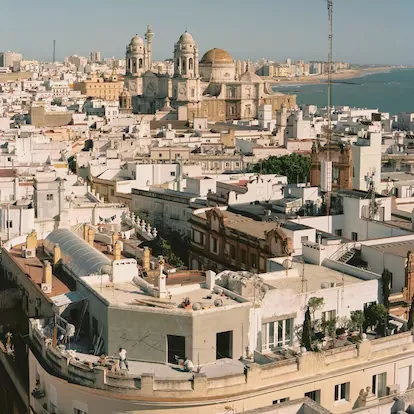








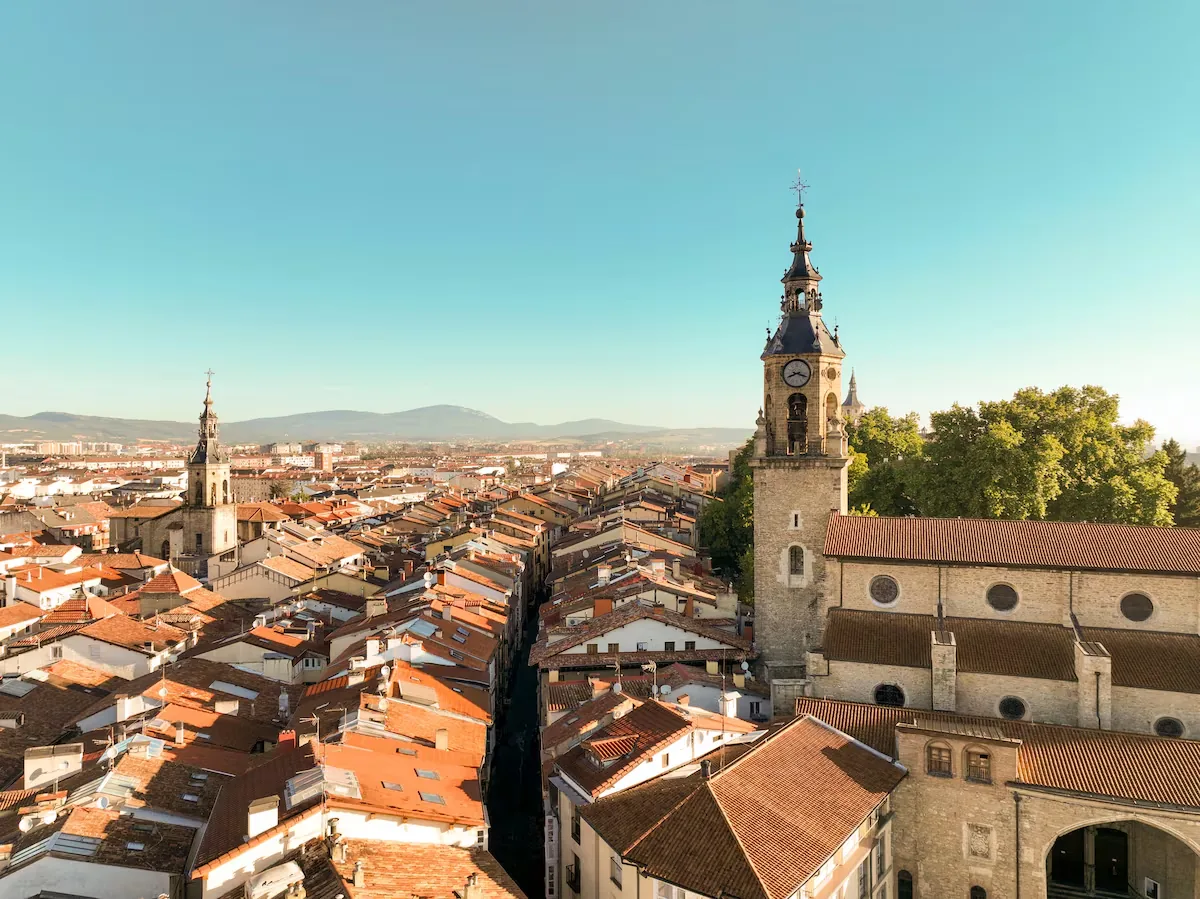
What is happening with tourism in the millenary city of Cádiz? And in Girona? Is Guadalajara really a commuter town? Why is Murcia the paradise of birth rates? How did Vitoria come to absorb more than two-thirds of the inhabitants of Álava? There are many ways to be a provincial capital, and we have decided to focus on five of them to see if they offer different solutions to the urban, territorial, economic, and social problems that have long warned scholars, institutions, and governments (take a look at the National Strategy against the Demographic Challenge or the Spanish Urban Agenda). Spain suffers from enormous territorial imbalances, among the largest in Europe, with half of its inhabitants concentrated in only 6% of the occupied space. The New Economy and Social Innovation Foundation divides these imbalances into three major blocks: overcrowded Spain (the metropolitan areas of Madrid and Barcelona, and around other large cities like Valencia, Alicante, or Málaga); the emptied (almost half the country has a density below 12.5 inhabitants per square kilometer), and the forgotten, made up of medium and small cities.
Read more The President of Hungary signs the Magyar Constitutional reform that removes him from office
To the latter, the Sociology professor at the University of La Rioja, Sergio Andrés Cabello, dedicated the book The Spain Where Nothing Ever Happens. In it, he talks about the provincial dimension of the country and the importance of capitals that have built the Spanish urban network since they were invented in 1833. He also argues that these intermediate spaces must find their own path, not “through imitating large cities, but by valuing their role in articulating the entire territory, as a key node in its relationship with the rural environment and with large cities.” In fact, medium-sized cities have been pointed out by numerous experts as an excellent urban laboratory to find new “more balanced regional development models.”
Read more No one protests in Putin’s Russia, but the war is starting to take a toll on his popularity
The vast majority of provincial capitals fall into this category, but they also offer a privileged observation point due to their symbolic capital and the network of services and communications they have by being administrative centers. That is why we have broadened the focus, leaving out those monsters around which large masses of people concentrate, which are also capitals, but including two slightly larger ones: Vitoria, which is on the edge of a medium-sized city, and Murcia, which, with its enormous municipal area, although it clearly exceeds it, is a magnificent example of how to maintain the quality of life associated with smaller cities with a population close to half a million inhabitants. Thus, along with Guadalajara, Girona, and Cádiz, they complete this mosaic that shows, among other things, how cities are built on their geography, their history, and collective decisions, by their own and external elites, which do not always achieve the results they seek.
Read more Spain-Argentina, the true Finalissima decides the World Cup
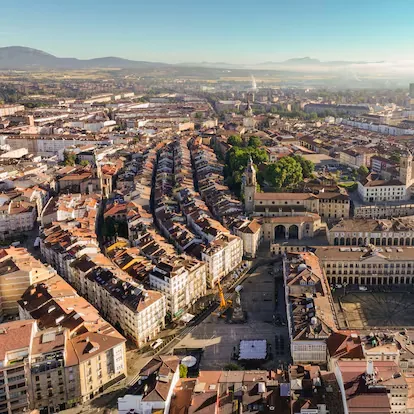
Vitoria, the latest reinvention of the city-province
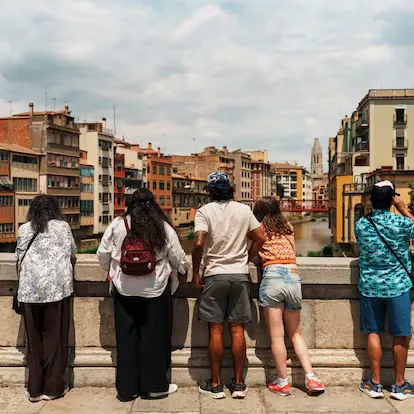
Girona, a small city with metropolitan vices

Guadalajara, much life under a historic identity crisis
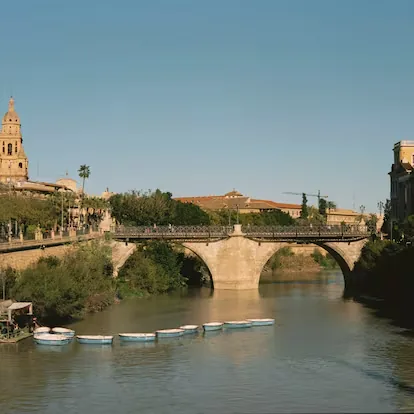
Murcia, the great underestimated