









The European Commission is going to give some leeway for Member States to respond with public spending to the energy crisis. It will allow countries to allocate up to 0.3% of GDP in public investment in measures that accelerate the transition to progressively phase out fossil fuels, according to several community sources consulted by EL PAÍS. The proposal is included in the fiscal package that the Community Executive will present this Wednesday and represents a concession to the ongoing demands of Italy and Spain, especially the former, for weeks.
Read more Anticorruption points to “new charges” for the alleged rigging of public works in the ‘Koldo case’
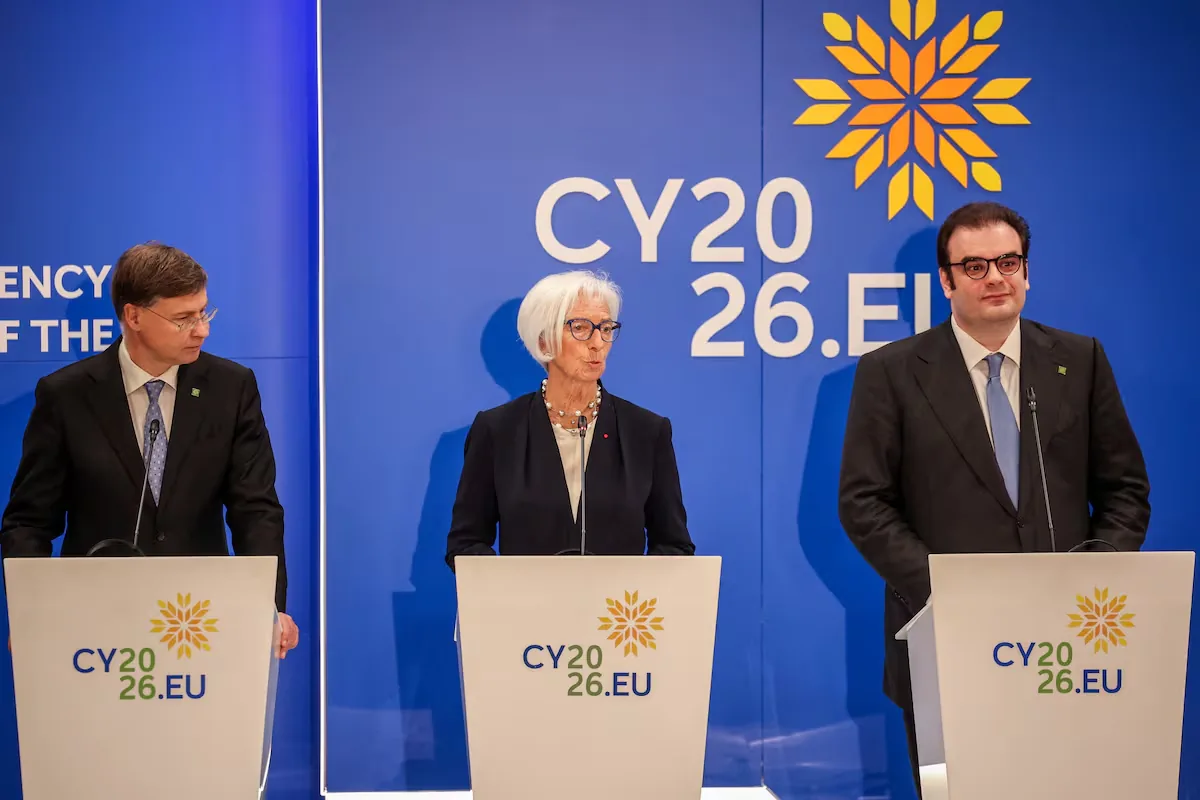
Just 10 days ago, in Cyprus, during the meeting of the Eurozone finance ministers, the so-called Eurogroup, a measure of this magnitude seemed out of reach. Several authorized spokespeople dismissed it: the Economy Commissioner, Valdis Dombrovskis, the ECB President, Christine Lagarde, and even the Eurogroup President, Kyriakos Pierrakakis. Now, however, the Commission opens the possibility of flexibility in light of the reality that the Strait of Hormuz remains blocked.
The proposal that the Commission is going to launch closely resembles what Spain and Italy proposed: it will be suggested that the partial suspension of fiscal rules activated in 2025 to accommodate defense spending also make room for investment in the energy transition. Last year, the EU Executive allowed governments that requested it to spend each year an amount equivalent to 1.5% of GDP on security and armament without fear that this would imply sanctions for exceeding the public deficit limit set by the community treaties, 3% of GDP.
Read more Jódar succumbs to the majesty of Zverev at Roland Garros
Now, the measure to be launched this Wednesday does not propose additional spending beyond that 1.5% annual margin, but will allow three tenths of that percentage to be allocated to investments to increase what Brussels calls “energy resilience.” Furthermore, there will be a limit to that investment. The escape clauses, as these suspensions of fiscal rules are technically called, will be active until 2028, but that does not mean that an amount equivalent to nine tenths can be spent. Only an aggregate amount of six tenths will be allowed during the period from February this year until the end of 2028.
The details of the proposal and how it will subsequently be concretized in the debate within the EU institutions are yet to be seen. The main details will arrive this Wednesday.
Read more Princess Leonor, first paratrooper of the Royal Family