








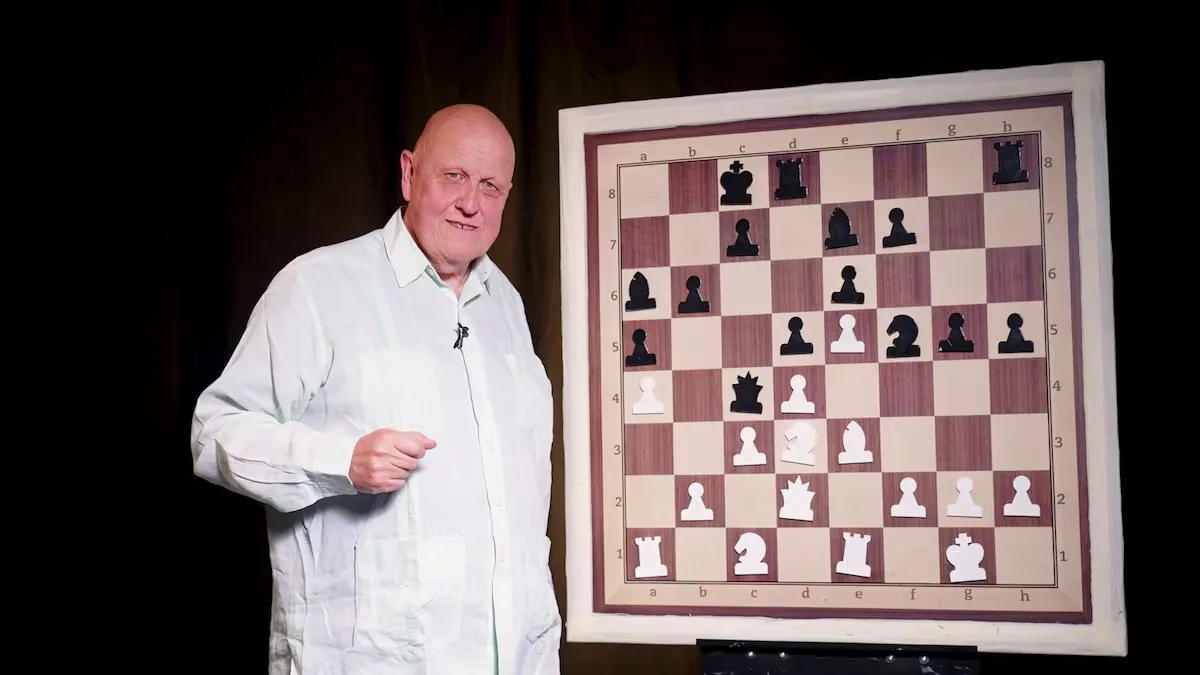
The history of chess includes a select group of chess players with enormous talent and some very brilliant results that raise an eternal question: how far they would have gone if the circumstances of their lives had been more favorable. One of them is Borís Gulko, who was born in East Germany in 1947 because his father was a Soviet army soldier, but he lived in the USSR from a very young age, already featured in this collection two videos ago. Gulko lost seven years of his life and, above all, of his sports career, until he and his wife, the also grandmaster Anna Akhsharumova, both Jewish, were allowed to emigrate to the USA in 1986, at the age of 39, after three hunger strikes, arrests, and police beatings.
Read more Illa announces an investment of 3.3 billion in infrastructure with public-private collaboration
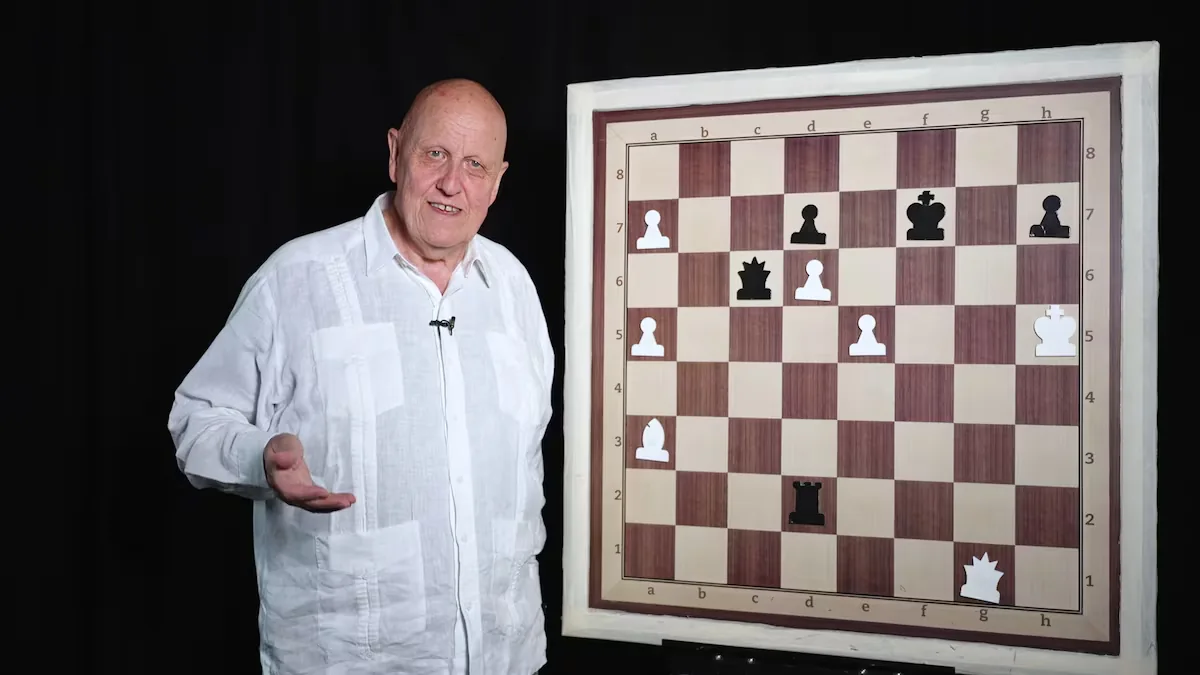
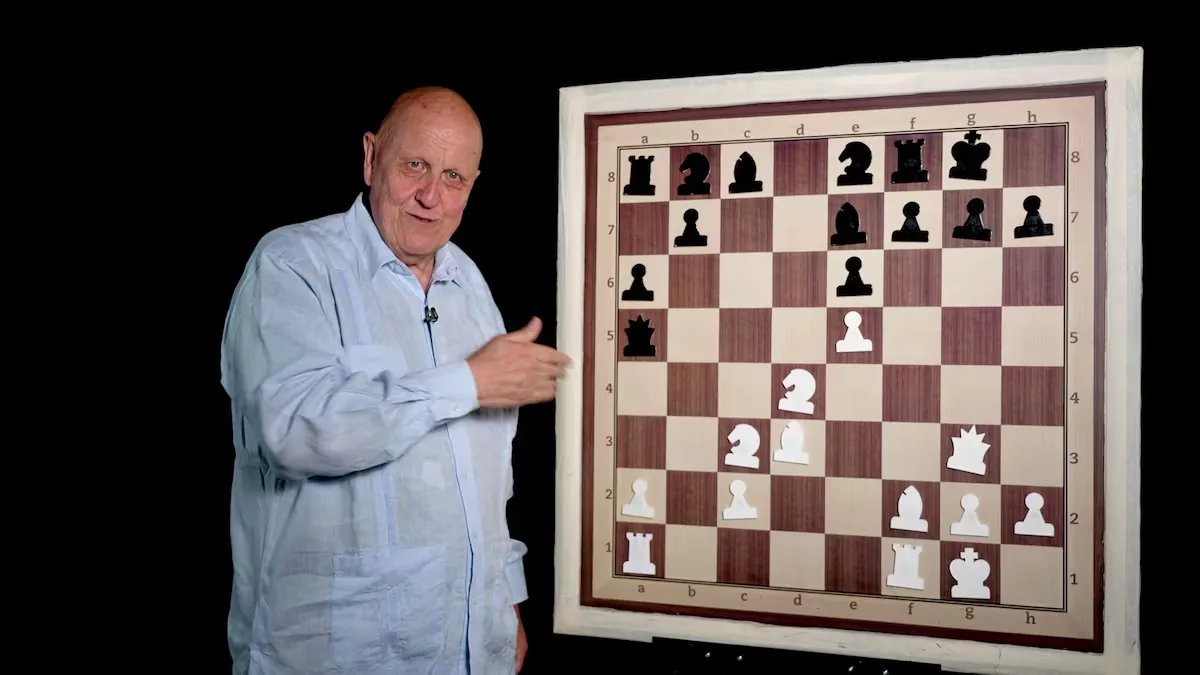
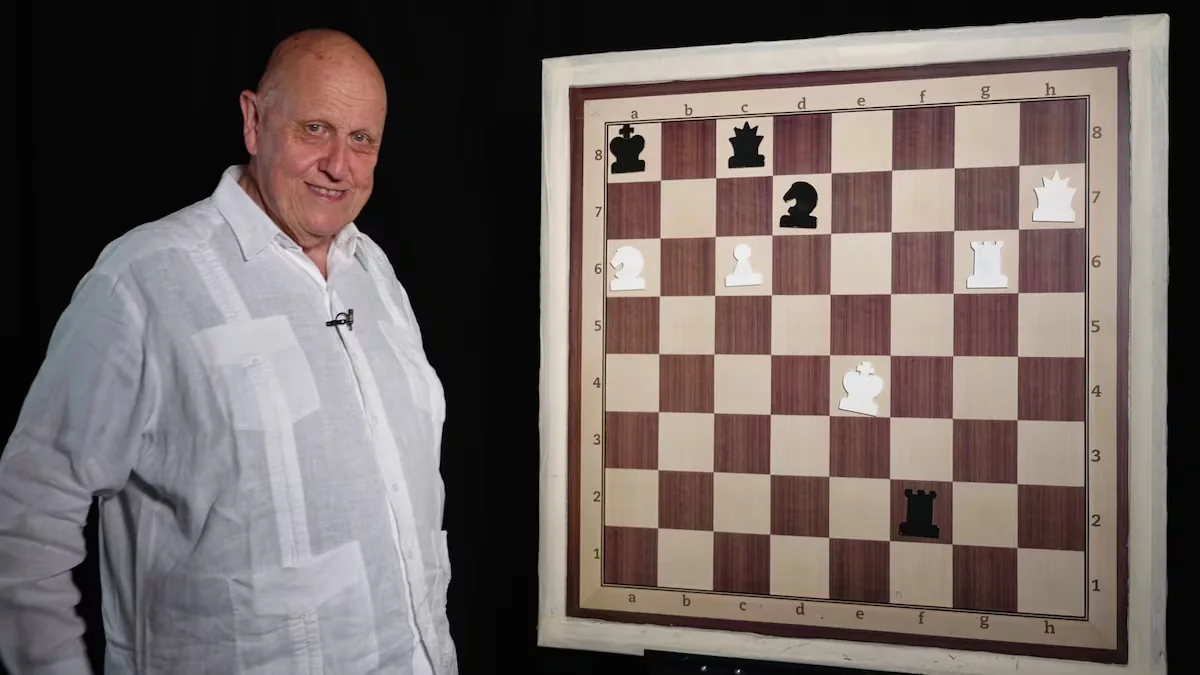
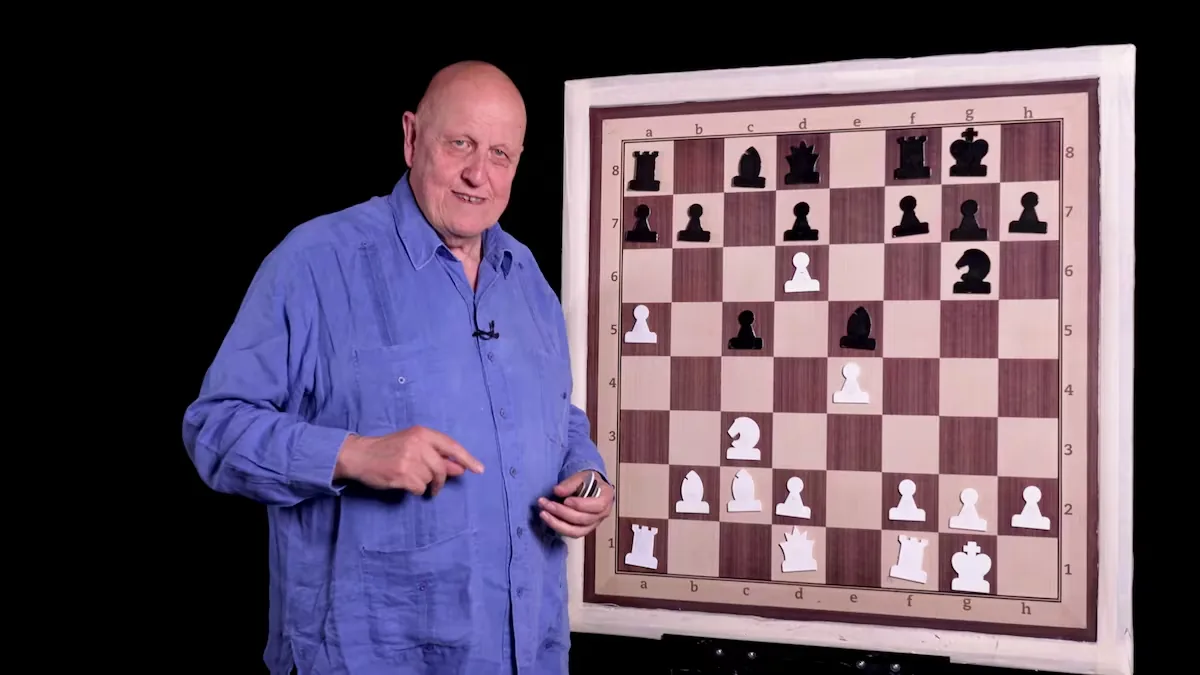
The game in this video was played shortly after settling in his new country, whose national championship he won – he had already been USSR champion in 1977 – in 1994 and 1999. Despite those triumphs, and being one of the very few players with a favorable record against Garry Kasparov, Gulko was aware that his peak had passed long before, as he admitted in this interview with EL PAÍS. The game we focus on makes it very clear that there can be no doubt about the vastness of his talent.