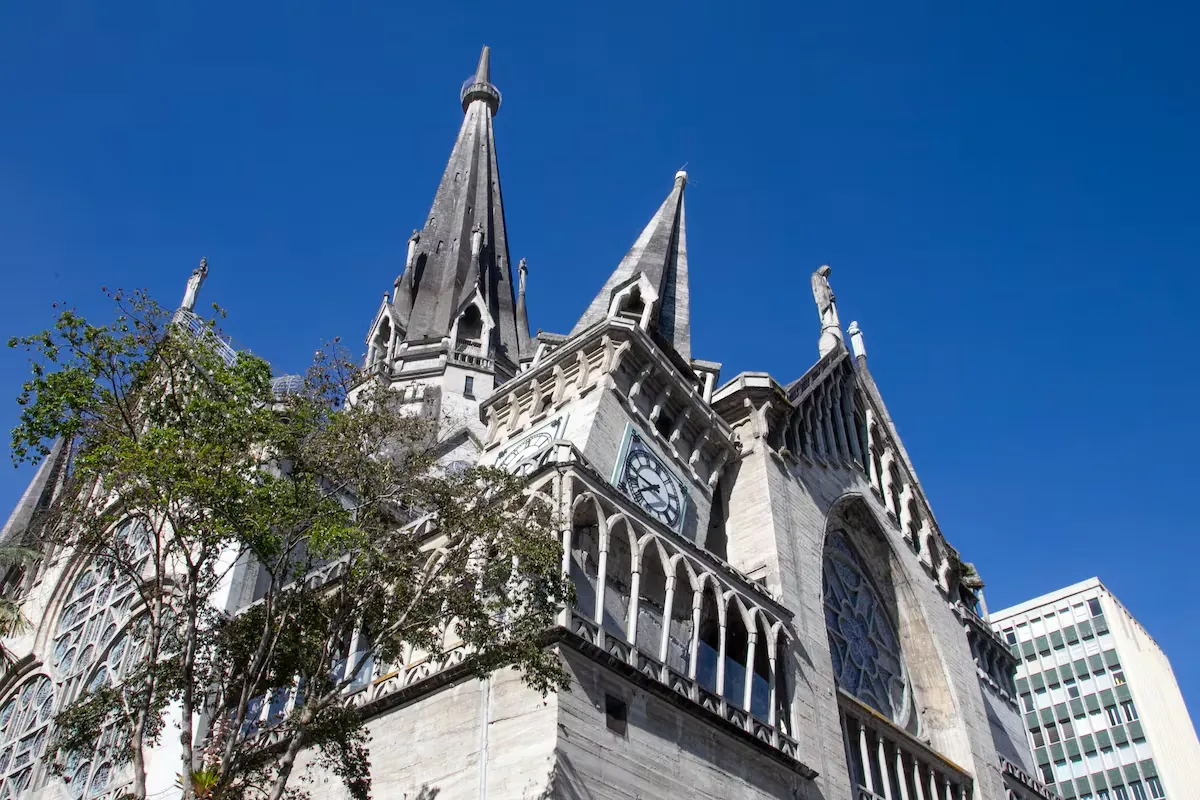
The tower of the Manizales cathedral, one of the cities in Colombia’s coffee region, shook violently at 7:34 in the morning. The magnitude 7.4 earthquake that struck the South American country this Monday destroyed part of the infrastructure of the iconic Cathedral Basilica of Our Lady of the Rosary, the tallest temple in the country and a structure marked by disasters. The current church, which has suffered severe damage from the quake, was built after a fire destroyed the previous structure in 1926. One hundred years later, the cathedral is once again at the center of a tragedy shaking the southwest of the country.
The emergency, which especially affected the coffee region and western Colombia, has awakened a memory that seemed distant. In Armenia, another city in the region that felt the quake strongly, the memory of the January 25, 1999 earthquake still remains, which left 1,185 dead and turned much of the city into rubble. Twenty-seven years later, that region of the country is once again counting the damage and searching through the debris in a repeating tragedy.
For several seconds, the West seemed to lose the ground beneath it. In Pereira, one of the cities closest to the epicenter of the tragedy, recorded in San José del Palmar (Chocó), at least 70 structures — including buildings and homes — have completely collapsed. The streets filled with people who hurriedly left their homes, some still in pajamas, while calls were made in neighborhoods to check that family and neighbors were safe. The sky, over much of Colombia, remains covered with a thick layer of smoke from the debris, suspended over the cities like a huge gray cloud.
The Catholic University of Manizales, one of the hardest-hit areas, became one of the most critical points of the emergency. Rescue teams are working among the rubble of the building, where they managed to rescue a woman alive, while continuing the search for other people who might still be trapped. Meanwhile, authorities have set up several aid zones for the displaced.
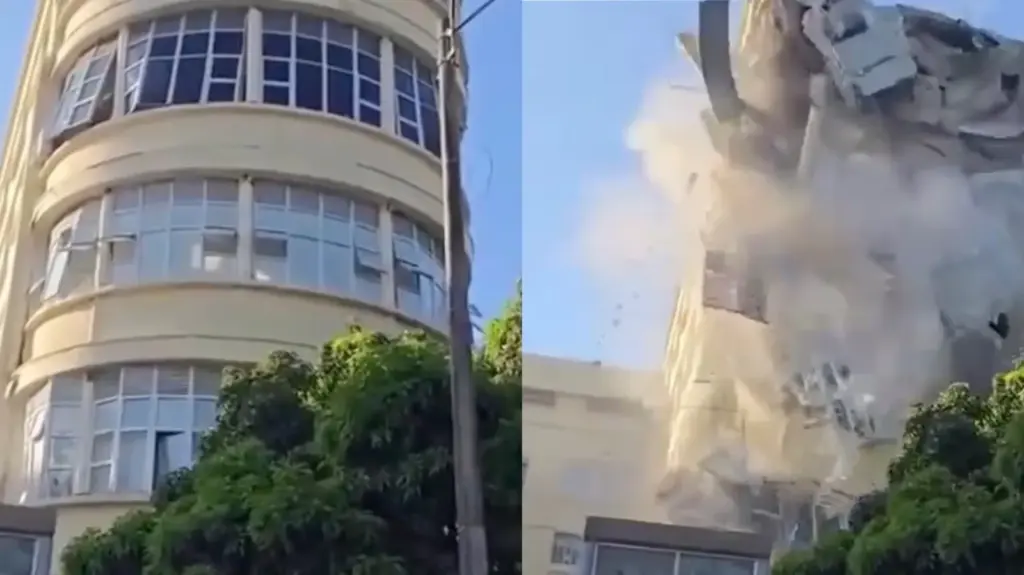
In Pereira, the Free University was partially destroyed. For several seconds, which felt eternal, the earthquake detached concrete from the facade of the main building of the university campus. So far, authorities have reported at least 30 people missing among the rubble, and have not issued any official report of deaths. In the municipality of El Cairo (Valle del Cauca), just 12 kilometers from the epicenter of the emergency, 80% of homes and buildings have been destroyed. Governor Dilian Francisca Toro has indicated that it is the municipality with the greatest damage in the region and has ordered a special deployment to this area of the region.
The earthquake also struck the entry and exit points of the Coffee Axis. In Pereira, Matecaña International Airport was cordoned off after the movement detached parts of the roofs and stained glass windows of the passenger terminal. The lounges were evacuated. The runway, meanwhile, remained under inspection. In Manizales, La Nubia airport also suspended operations while its infrastructure was reviewed. President Abelardo de la Espriella has confirmed that six airports in the country were affected by the quake. In his first emergency report, the president reported 111 deaths, 1,575 affected homes, and an as yet undetermined number of missing persons across the country.
The damage report, as of midday, accounts for 61 buildings completely collapsed across the country. The department of Risaralda concentrated, until that moment, the highest number of fatalities, with 42 deaths, while in Cali at least 30 structures collapsed. In Quibdó, the capital of Chocó, authorities have not yet been able to provide an initial report of deaths, missing persons, and injured.
As rescue efforts progressed, authorities maintained the alert for possible aftershocks and continued evaluating damage to roads, hospitals, universities, airports, and other infrastructure in the region. For at least six hours, the country remained cut off from the most affected areas of the region due to road collapses and the closure of air traffic to the West. The earthquake, which especially hit the Pacific region, has extended the emergency across several departments of the country and has left Colombia in a state of national disaster that is just beginning to unfold.