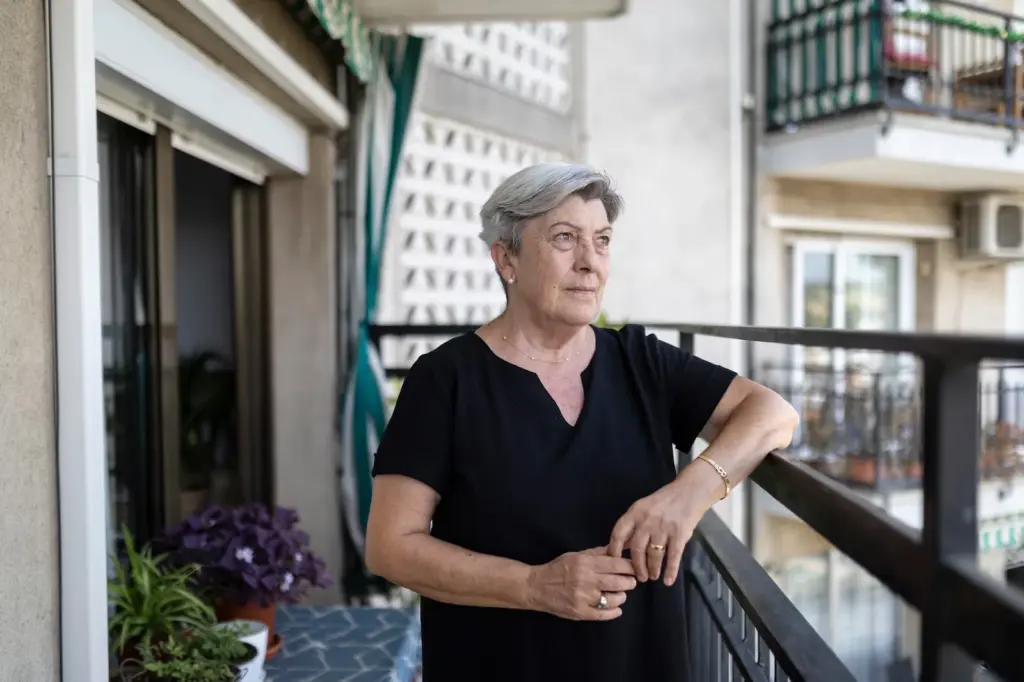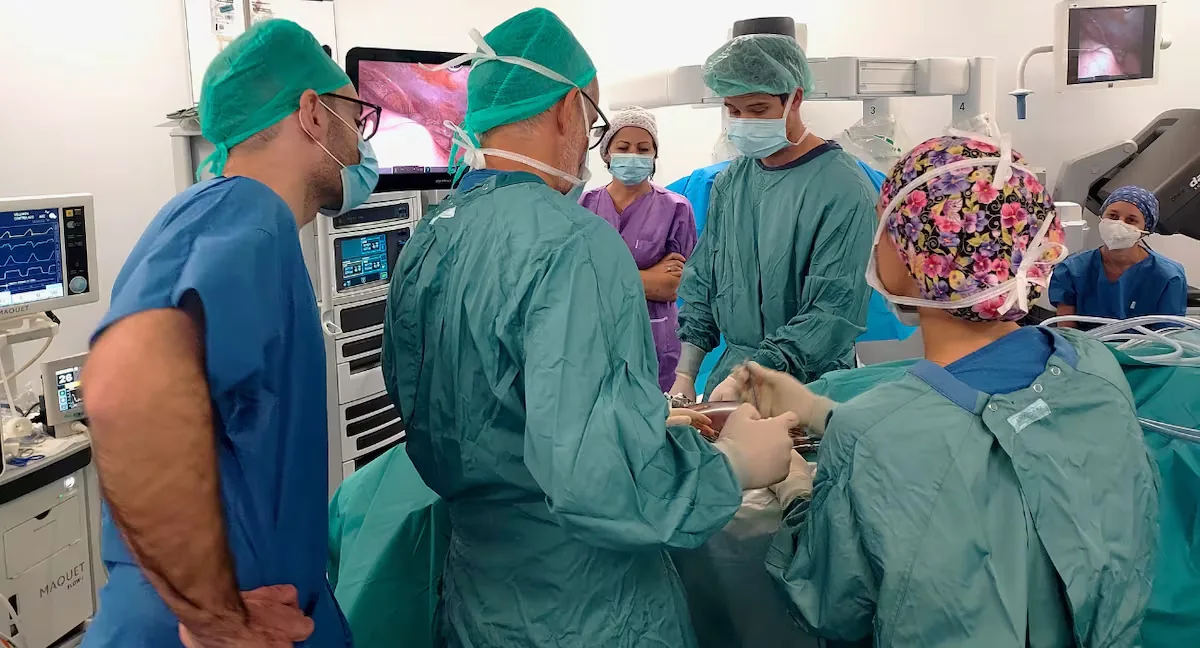








Conchita has a heart. A robust, healthy one, that today beats strongly in her chest. But there was a time when she didn’t. Neither health nor heart. There was a time, an infinite few seconds, when her rib cage was empty. It was during a dawn in the spring of 2022, in an operating room at the Hospital Clínic of Barcelona, just before she received a transplant. EL PAÍS was there, when her old heart gave its last beat and the new organ began to pump in her chest. Four years have passed since then and Concepción Barredo, Conchita, 68 years old, is better than ever. “Better than years ago, better than 20 years ago. The transplant is life,” she says.
On the other end of the phone, from her home in Rubí (Barcelona), she says she no longer remembers everything that has happened. But she does remember, yes. She remembers how her illness, an obstructive hypertrophic cardiomyopathy — the heart is too thick and does not fill or empty enough to pump blood properly — gradually worsened. She also remembers the fatigue, how combing her hair already tired her. And she remembers — how could she forget! — when they called her from the hospital, 15 days after being put on the transplant waiting list: “It caught me off guard. I didn’t expect there to be a heart for me so soon. I was so stunned… In the taxi to the hospital, I was trembling. When I entered the Clínic, my body broke down from nerves,” she recounts.
The news of a heart for Conchita arrived in the afternoon. A surprising and urgent announcement, always escorted by the immense generosity of a family who agreed to donate the organs of a deceased relative, recalls Marta Farrero, cardiologist at the Clínic: “Donation must be valued. The transplant is a team effort of the hospital, but it involves the entire population.” In Spain last year, 6,334 transplants were performed thanks to 2,547 deceased donors and another 408 people who donated an organ while alive.
About her operation, Conchita knows what they told her and what she read in this newspaper: frantic hours, apparently chaotic but perfectly orchestrated, two medical teams synchronized for the extraction and implantation of the organ; and then, the impression of that empty rib cage, the old heart agonizing on a plate, and the new one beginning to beat lazily already in her chest.
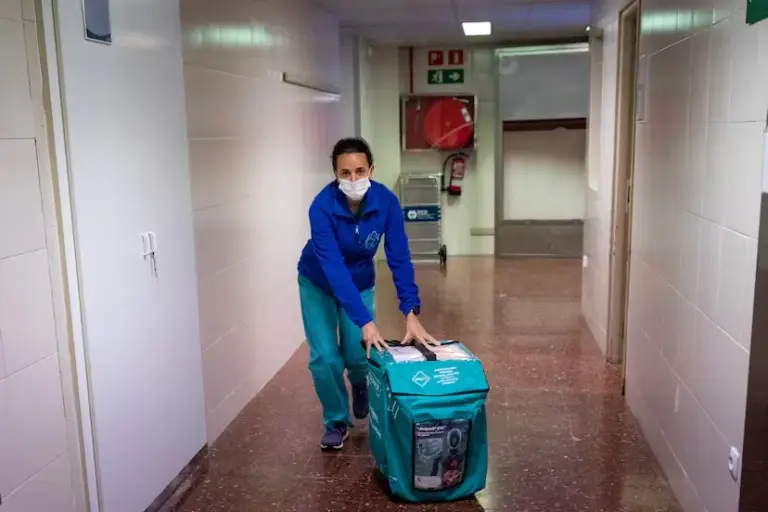
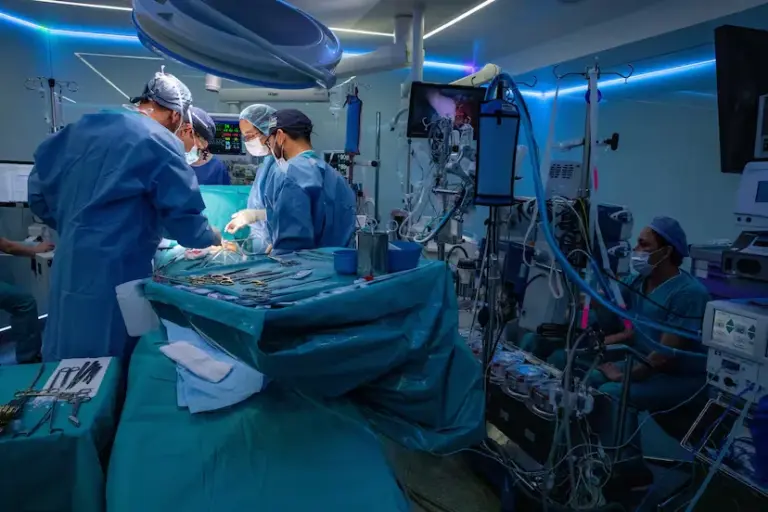
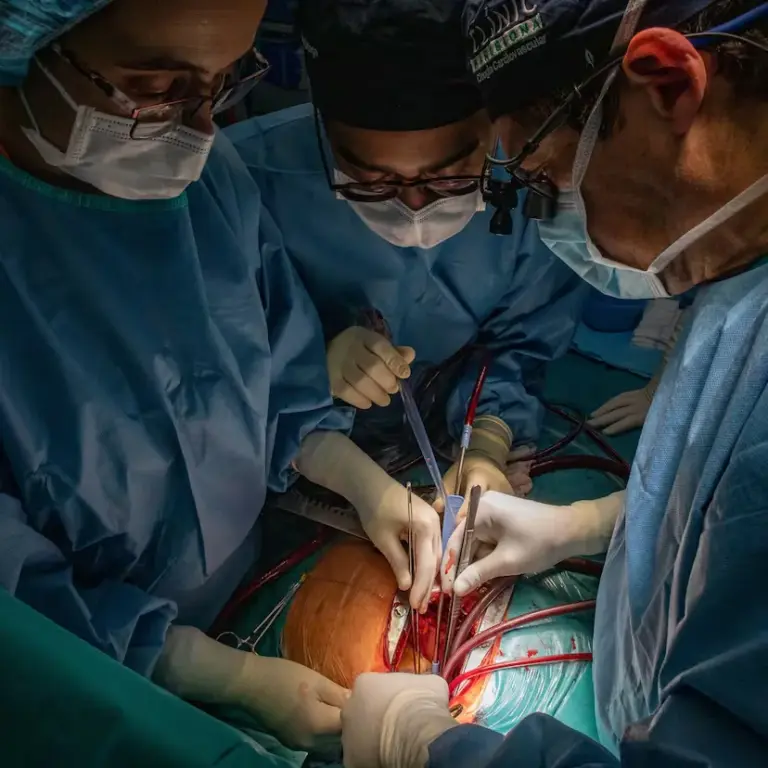
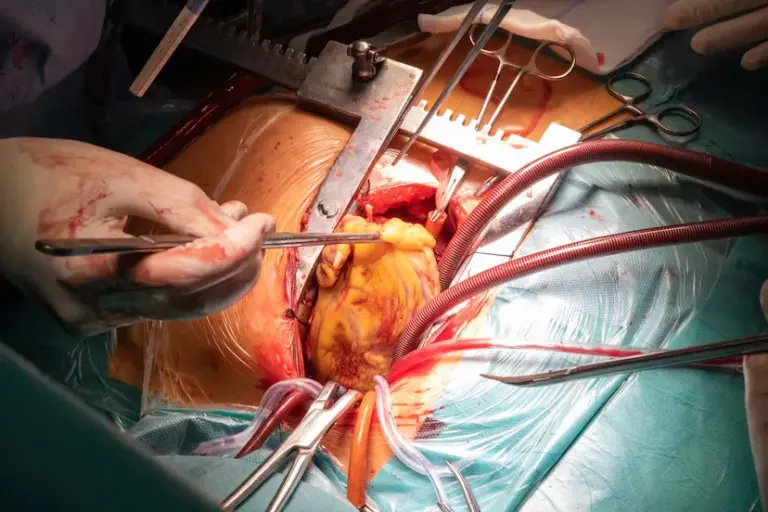
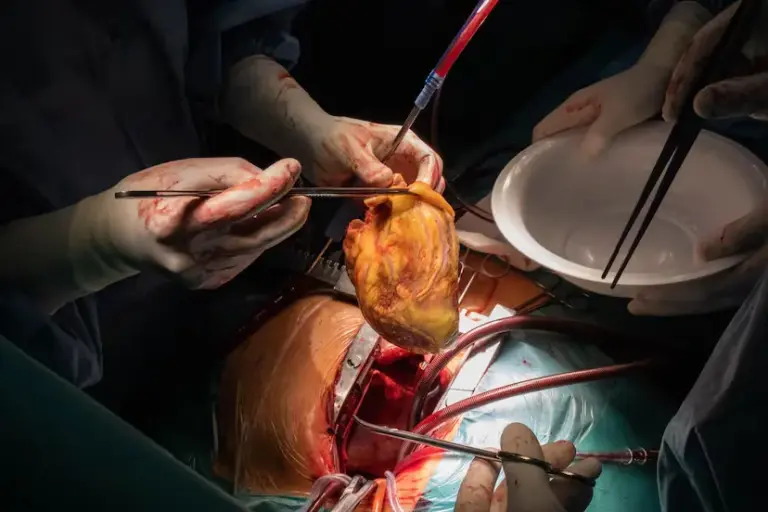
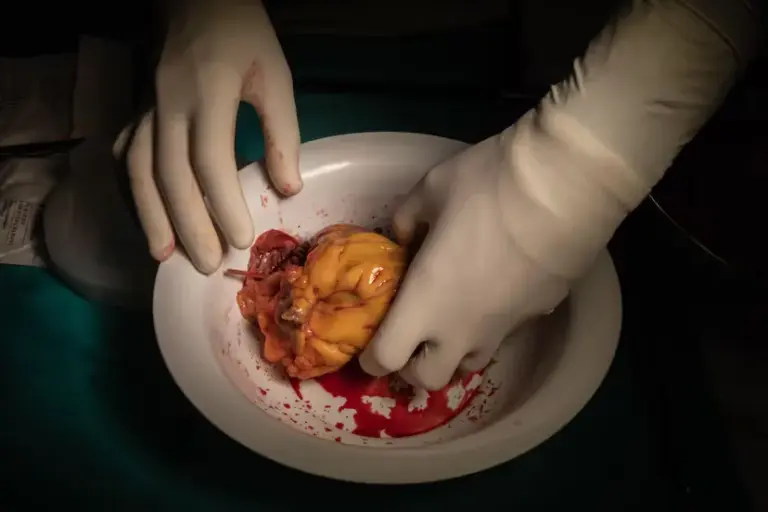
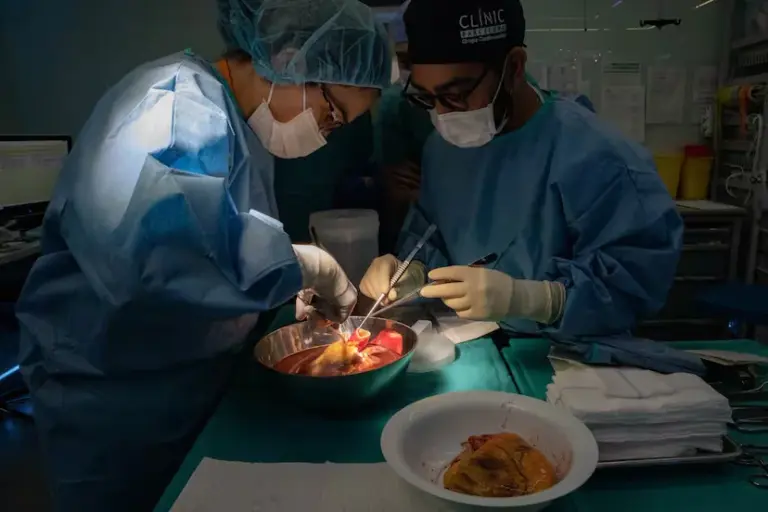
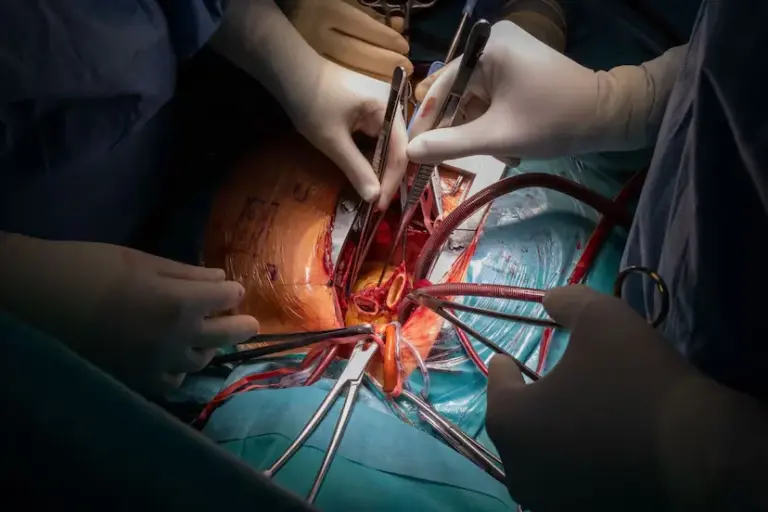
It was hard to get it under control in those first moments, recalls Manuel Castellà, head of cardiovascular surgery at the Clínic. “I said it had made us dance a little and that’s how it was. The real concern in transplants is that the heart in the cooler recovers function. That’s the critical part,” he explains. That and “the race against time”: the less time the new heart is in ischemia (disconnected from the body, without blood flow), the better. “Four hours is the acceptable limit to be calm. But we are always racing against time because if we can avoid 30 minutes, better.”
Conchita’s surgery, on the edge of the four-hour limit, was a success. Life, finally, made its way again, but the recovery was slow, the woman now recounts: “The transplant went very well, but then, with the medication, until they adjusted it well, it was complicated. And I had to readapt to everything: I had to relearn to put a spoon in my mouth, to have stability. At first, the words didn’t come out and it was hard to write, my pulse was horrible.” It took her more than half a year to adapt to her new life, she says.
Read more The pills have made your test results come out well, but are you really healthy?
And there were scares. At three months she had a rejection and stayed hospitalized for several weeks. She also suffered a severe infection. “I caught a bacteria and was very ill. We almost lost everything we had done. It was harder to get over that bacteria than the transplant,” she explains emotionally.
Farrero says that transplant follow-up is lifelong and the risk of rejection never completely goes away. “Transplants have a difficult first year because immunosuppression must be adjusted, a tailor-made suit must be made, and there is a higher risk of immune rejection and infections. But after that first year, it seems everything settles and the tailor-made suit fits well,” she summarizes.
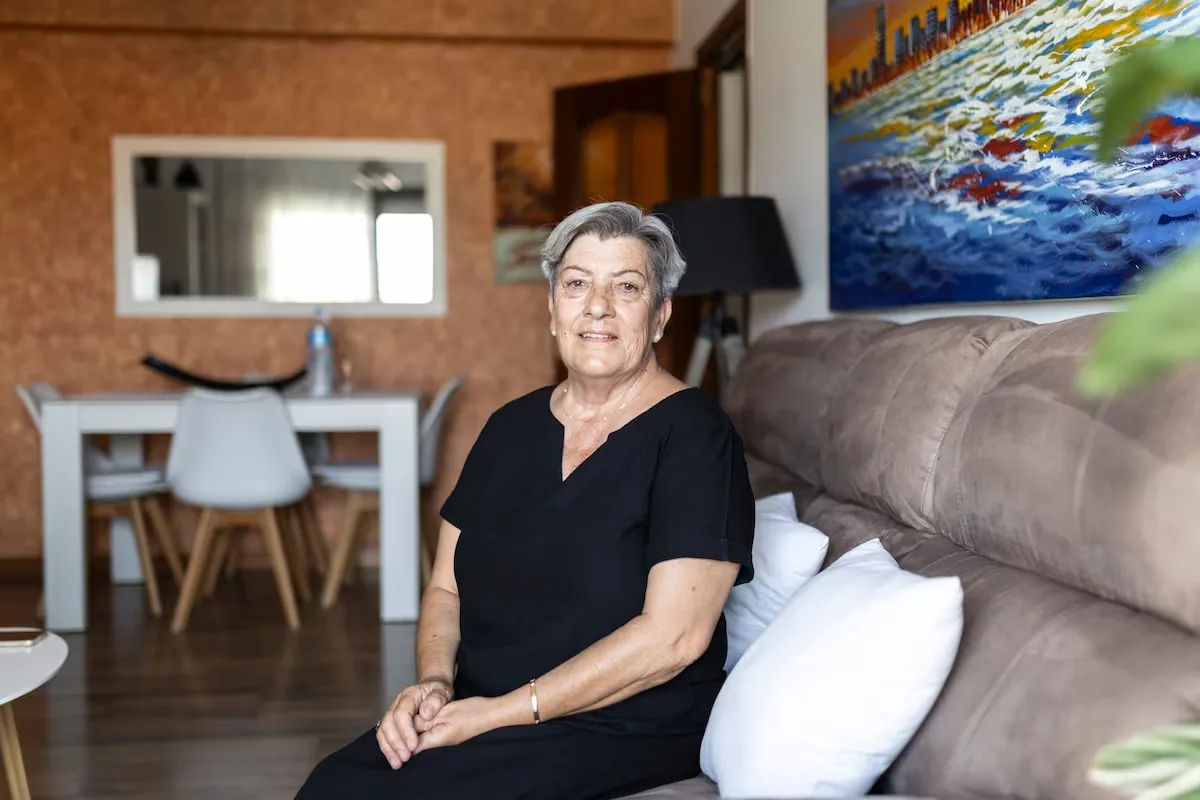
Conchita’s fits like a glove. Now, yes. She doesn’t know for how long — the organ usually lasts, on average, about 10 or 12 years — but she doesn’t think much about it either. She continues with her biannual check-ups, maintains healthy habits (walks in the morning and afternoon, eats moderately; “alcohol, not even a taste”) and enjoys life. “It has been a very strong change. Now I see everything differently: I have become more sensitive, I have another perspective and I value the important things more.”
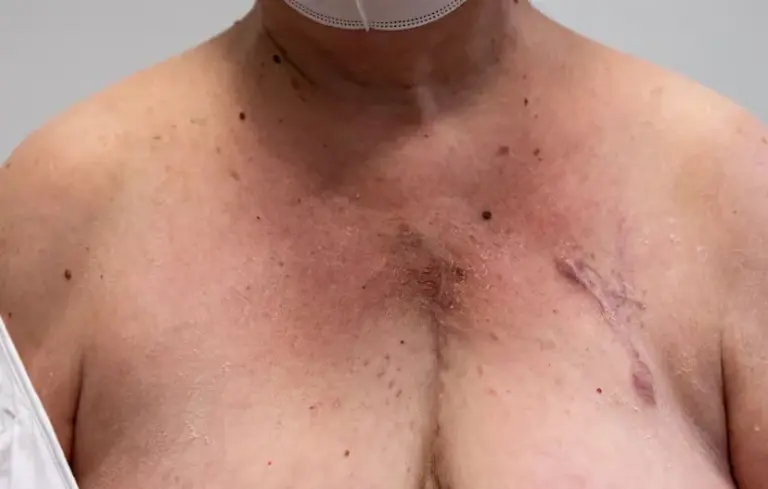
She has changed, inside and out. Her acquaintances, she says, still stop her on the street and tell her: “Who saw you and who sees you now, Conchita!” She is better than ever. Better than 20 years ago.
Read more Why are we (almost all) right-handed? Two million years of evolutionary mystery