









Extremaduran international cooperation, considered for decades one of the autonomous community’s hallmarks and a national benchmark in solidarity, is going through its most delicate moment. The Junta de Extremadura has announced the decision to cut almost nine million euros from the funds allocated to development cooperation for 2026, reducing them from 11 to 2.7 million euros, in addition to not replacing the general director of the Extremaduran Agency for International Development Cooperation (Aexcid), Isabel Belloso, after she announced her resignation due to a lack of support for these types of policies.
Read more Sonia Bermúdez’s Spain makes a statement before the World Cup
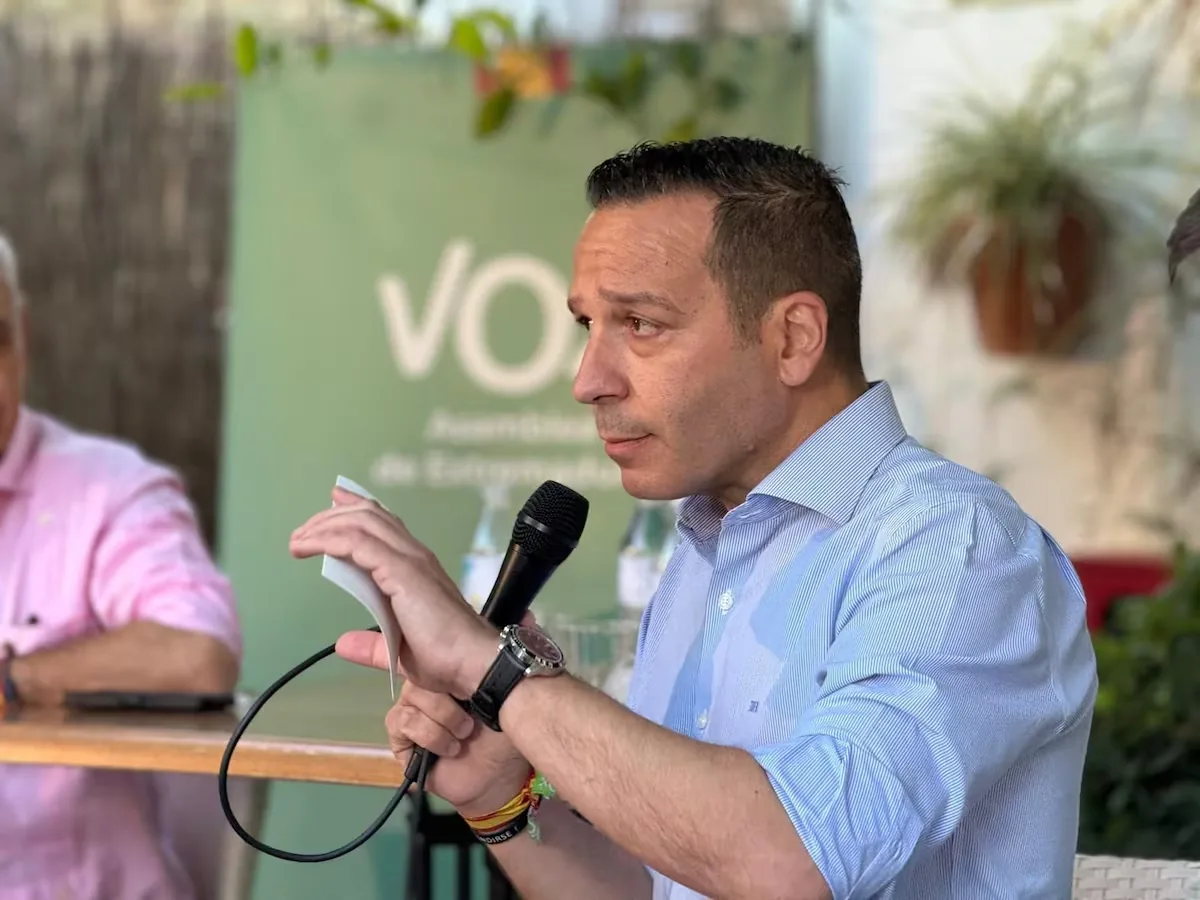
The measure, which according to the regional government is part of a process of “administrative reorganization and rationalization,” is promoted by the Vice-Presidency and Ministry of Deregulation, Social Services and Family, led by Vox. Its head, the Extremaduran vice-president, Óscar Fernández, has justified this decision by arguing that the position entails an annual cost of over 85,000 euros and that its elimination will save public resources. “We are not going to put anyone in a position to collect a salary for practically doing nothing,” he stated.
The future looks complicated for Extremaduran cooperation, judging by the words of the far-right vice-president, who publicly defended that international cooperation is a “dispensable” policy. The political leader has assured that “Extremadura is one of the regions with the greatest socioeconomic difficulties in the country, and public resources must be primarily allocated to meeting the needs of Extremadurans.”
Sources from the Extremaduran NGO Coordinator assure that this is a “dismantling and a full-blown provocation.” Its president, Lidia Rodríguez, believes that this decision adopted by the Junta represents the breakdown of a model built over more than three decades through agreements between administrations, social organizations, and development agents. Rodríguez considers the political message accompanying the cuts to be particularly serious. “The idea is being conveyed that cooperation money goes abroad, when a good part of those funds generate employment and activity here,” she argues.
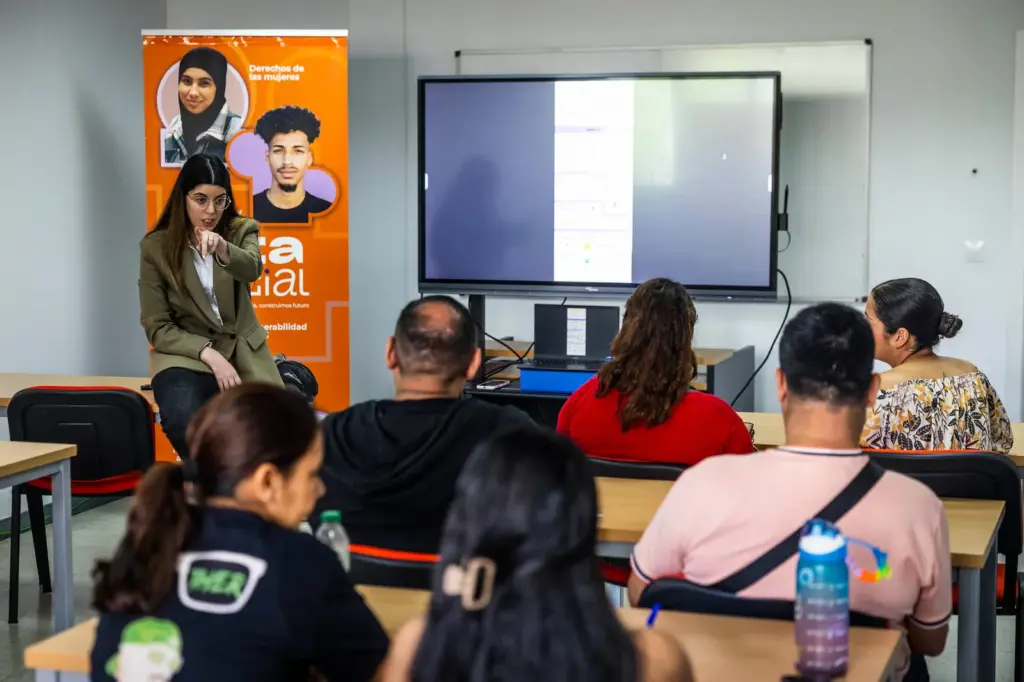
Organizations estimate that the impact could extend far beyond international projects, as Extremaduran cooperation financed educational activities, awareness campaigns, university research, humanitarian action programs, and social projects developed in rural municipalities of the community. Currently, numerous NGOs maintain professional structures partially supported by Aexcid calls, some of which already anticipate immediate employment consequences.
This is the case of the Extremaduran association Soguiba, specialized in cooperation with Guinea-Bissau. Its coordinator, Pilar Milanés, assures that the sector is in a state of “shock” facing an unprecedented situation. She tells EL PAÍS that the entity currently maintains five full-time and two part-time workers in Spain, in addition to about 30 people hired on the ground in Africa. “The first impact will be on employment, both here and there,” she warns. Milanés fears that the disappearance of a historical source of funding will force staff reductions and jeopardize projects developed over more than two decades. “We are talking about breaking 25-year work processes linked to education, drinking water, sanitation, or job creation,” she explains.
Organizations also reject one of the central arguments used by the regional Executive, where its political leaders have conveyed the idea that the funds withdrawn from cooperation will serve to strengthen social policies aimed at Extremadurans. “What they have done is move money from one social policy to another social policy,” says Rodríguez. “They have not increased global resources to combat poverty or exclusion in Extremadura.”
The Church’s complaints have also joined the controversy. The Delegations of Migrants and Refugees of the three Extremaduran dioceses have urged the Junta de Extremadura to reconsider the budget cut in international cooperation and have warned of the risk of weakening a policy that, in their opinion, helps reduce inequalities and prevent many people from being forced to migrate due to lack of opportunities. “With international cooperation, we all win and no one loses; by canceling it, we all lose,” they stated in a communiqué. The delegations have called for reflection on the role of international cooperation as “an instrument to promote human development, social justice, and the dignity of people in the most vulnerable countries.”
Criticism also comes from the opposition. The spokesperson for Unidas por Extremadura, Irene de Miguel, believes that cooperation has been “the best calling card” for the region and accuses the regional government of failing to comply with the spirit of the cooperation law approved in 2023, which set a path of budgetary growth towards the international goal of 0.7%. “It is dramatic that an institution that was a benchmark has been wiped out overnight,” she states.
The PSOE of Extremadura denounces that the Extremaduran president, María Guardiola, has allowed the dismantling of a public policy that generated around 200 annual jobs and placed the community among the most committed to international cooperation. “We regret that the president invents an idea like Extremestiza, whose first signing is the questioned Nacho Cano and the Ayuso model,” they convey.
For its part, the Popular Party of Extremadura assures that this decision responds to the government agreement with Vox, which they respect and comply with. “We want to be clear: the PP would not have adopted this adjustment with a sufficient majority. International cooperation did not disappear from our agenda, but rather underwent a reorientation in terms of scope and efficiency,” they state from this party. The Popular Party guarantees that they will continue working, for example, on projects such as Vacaciones en Paz (Holidays in Peace), which hosts Sahrawi minors in Extremaduran families every summer.
For years, the region managed to occupy prominent positions in national development aid rankings. Despite being one of the communities with the lowest per capita income in the country, cooperation became a unique element of its institutional identity. The NGO Coordinator is already preparing mobilizations for the coming weeks, coinciding with the parliamentary debate on the budgets. The objective will be to try to reverse cuts that they consider historic and prevent the effective disappearance of Aexcid
Read more The CNTE teachers are preparing to hit the accelerator in the crucial week of the World Cup