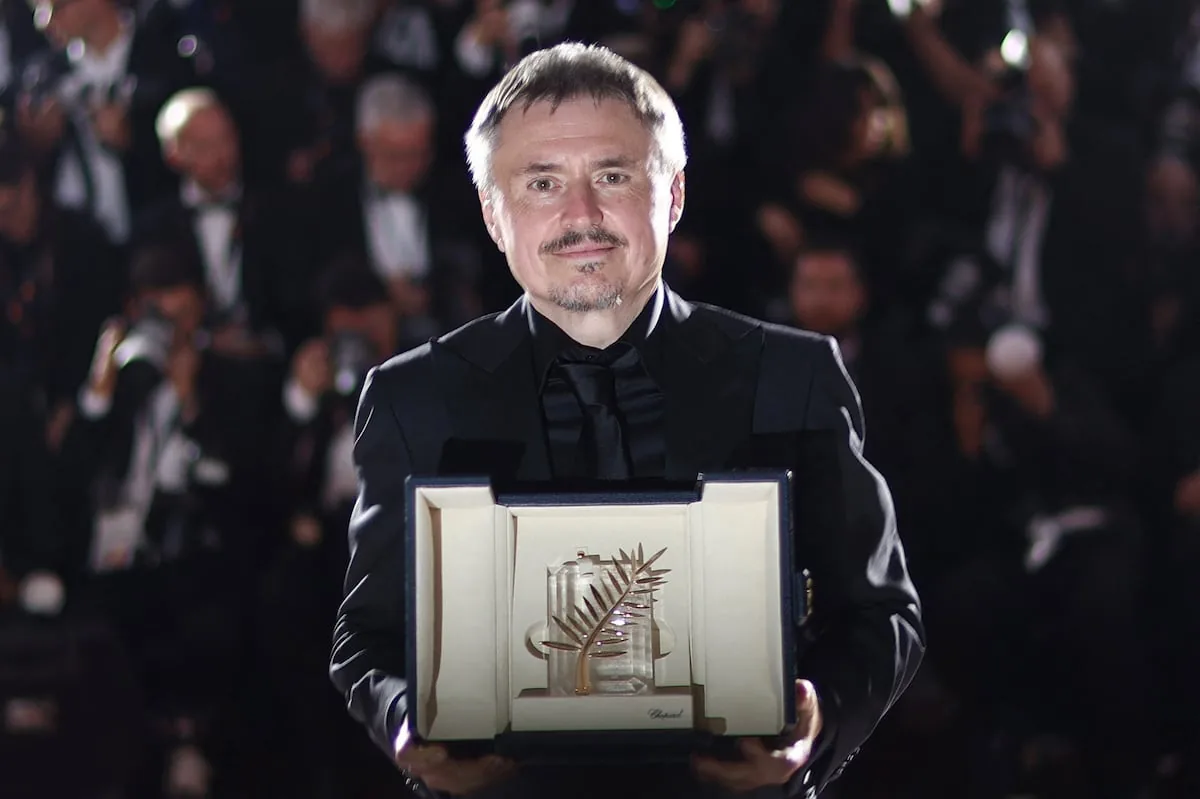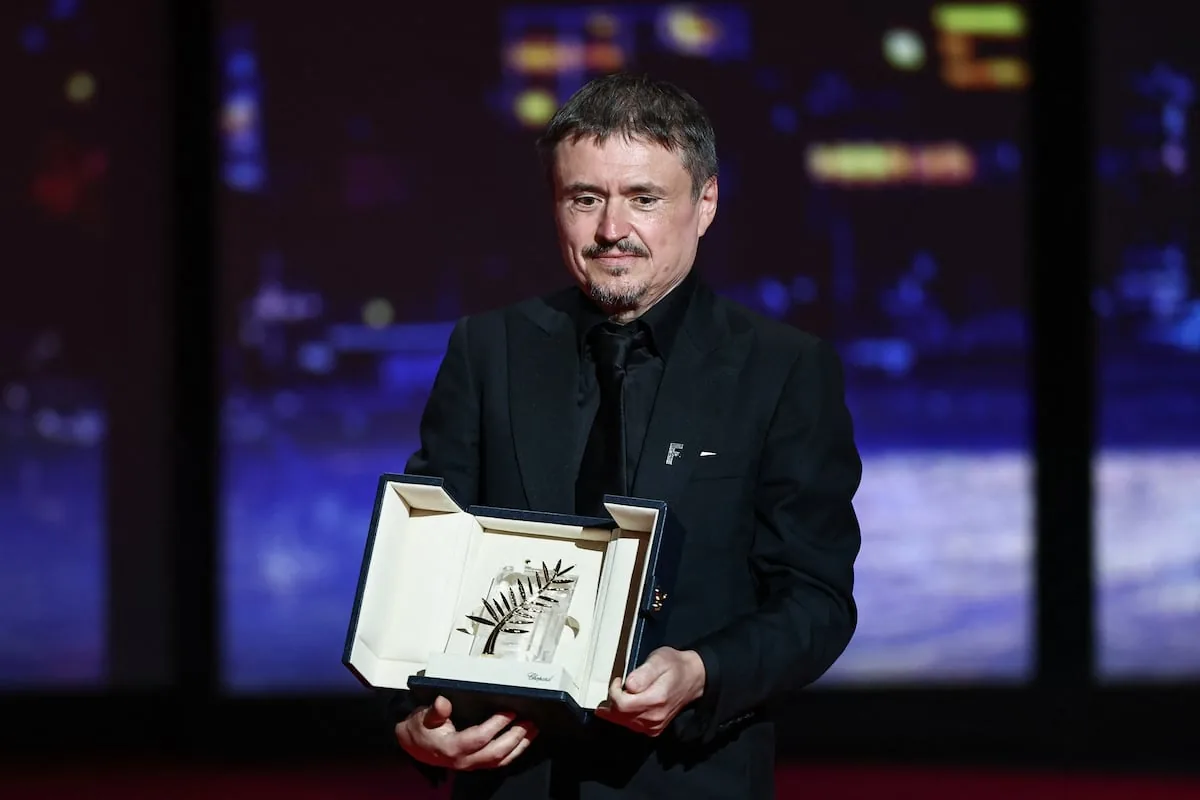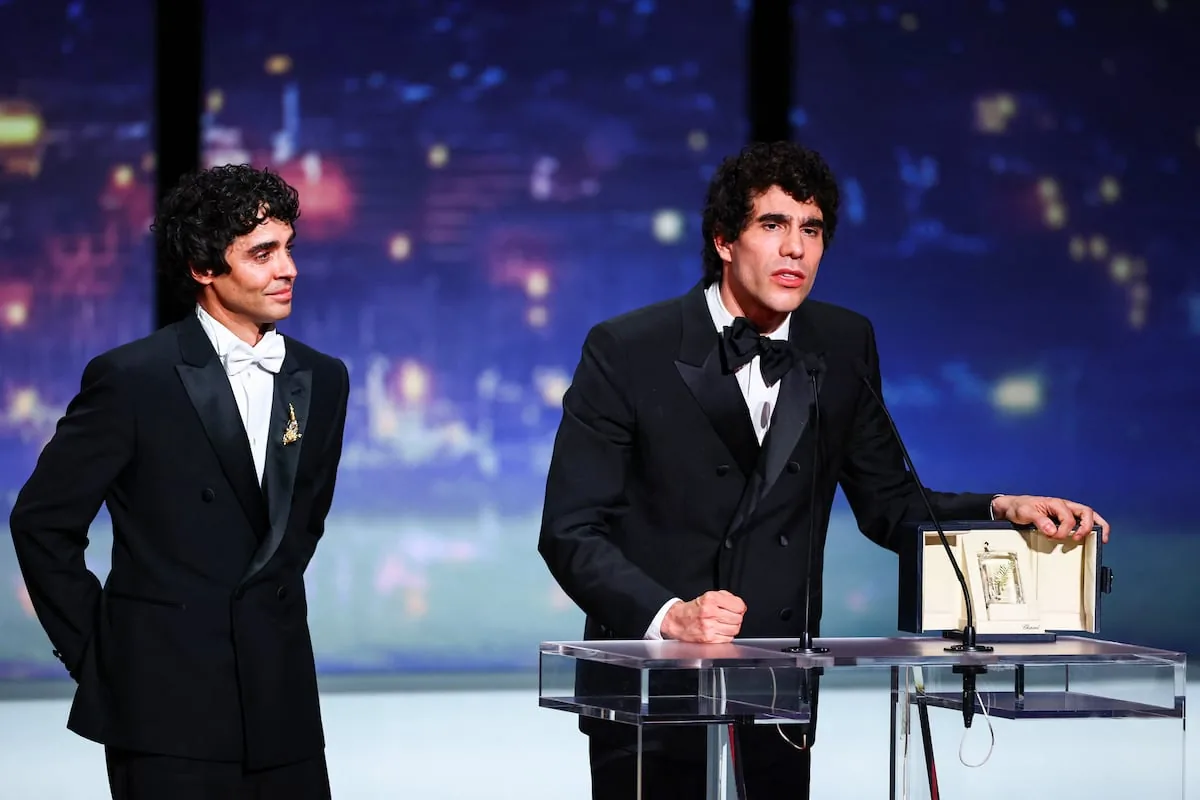




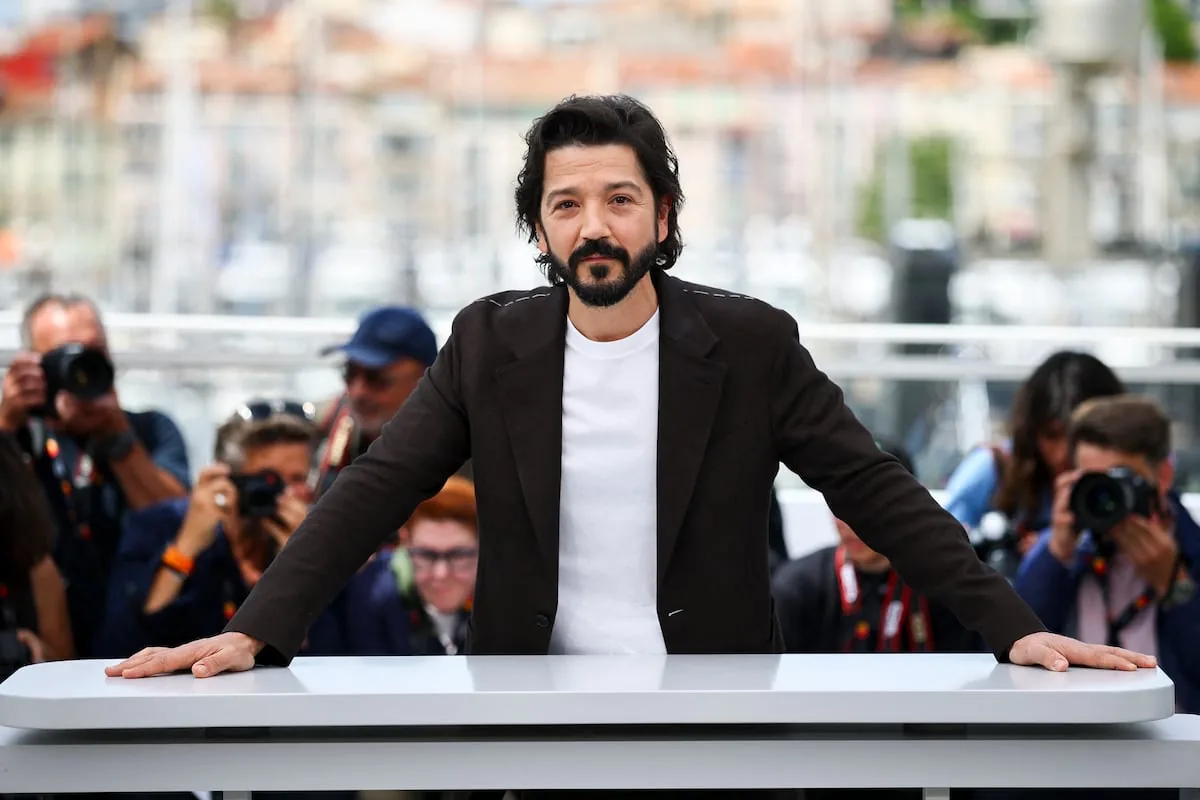
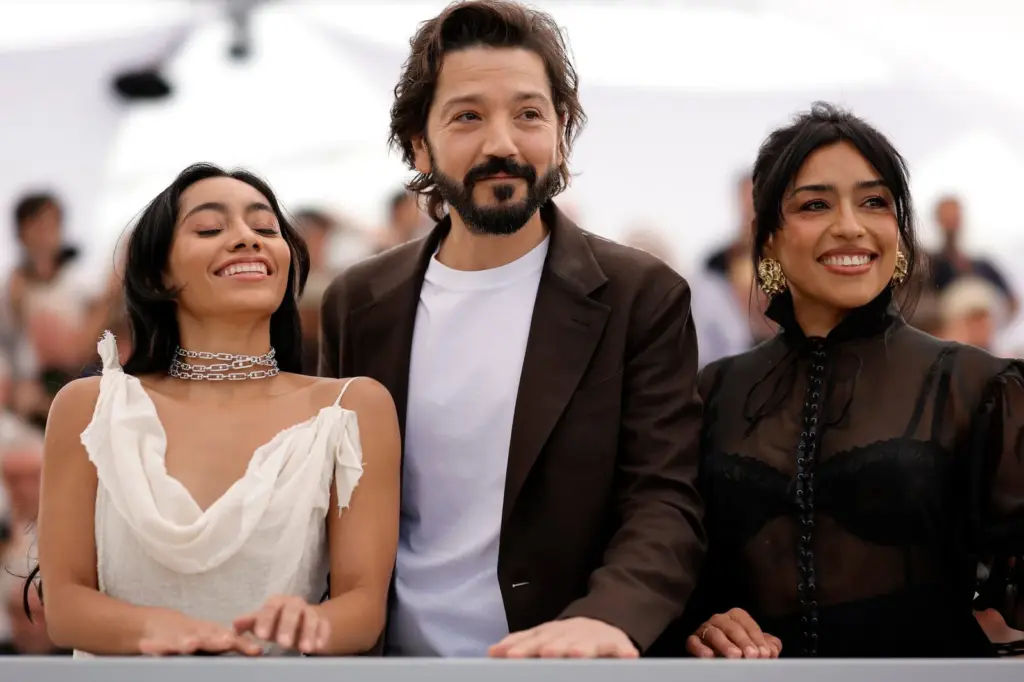
When he read Ashes in the Mouth, by Brenda Navarro, Diego Luna (Toluca, 46 years old) felt a special resonance. “At that time my son was 14 years old, approaching the age of the protagonist, and I thought there was a film there with a point of view on immigration. We live in difficult times in my country because we share a border with a very powerful neighbor, especially in these complicated days. The novel struck me,” says the actor and director in Cannes, where his Ashes in the Mouth, his fifth feature film as a director, is being screened as a Special Session and has received very good reviews. It will premiere in Spain on October 9.
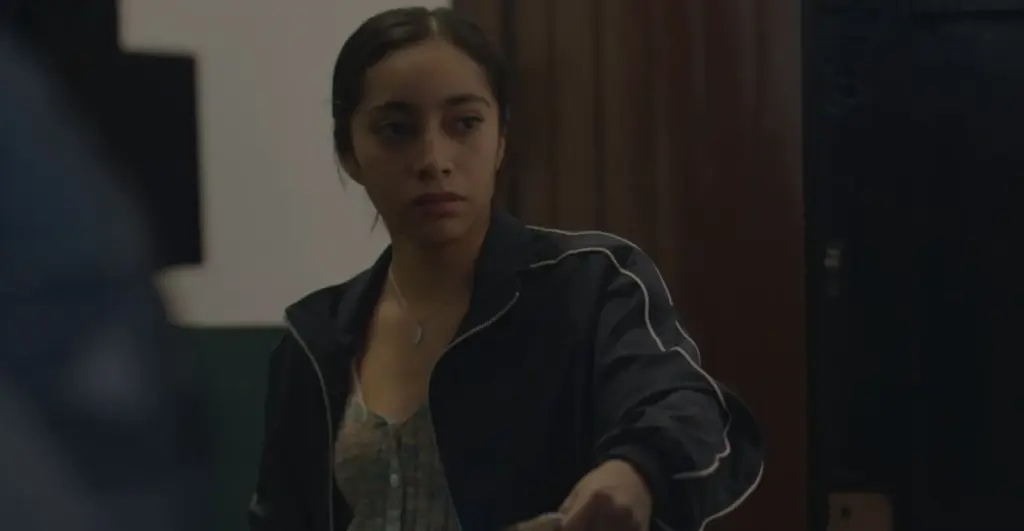
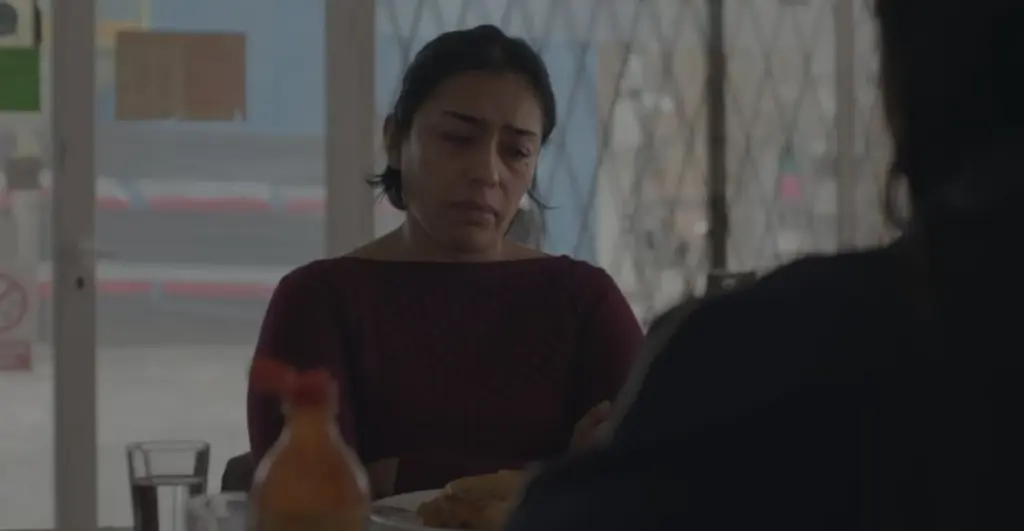
The film tells the story of Lucila, 21 years old, who has just arrived in Madrid with her younger brother. Their mother left them behind in Mexico and emigrated to Spain, fleeing economic and emotional suffocation. Now her children reunite with her, and the reconciliation is not easy: they all avoid each other, the emotional rift is too great, and moreover, the life of an immigrant, with marathon workdays paid under the table caring for children and the elderly, gives no respite.
The interview with Diego Luna takes place after a complicated day of promotion due to a windstorm that has ravaged Cannes, blowing away chairs and terrace awnings, destroying television sets, even closing streets due to possible canopy collapses. Luna has been rushing around all day.
Question. When did you read the novel?
Answer. At the right time. I was doing a television program, Bread and Circus, and I was just looking for people from the literary world whom I could invite to the program to talk about the relationship between Mexico and Spain and the Mexican experience in Spain, and they put this novel in my hands. For many reasons, it struck me in every way.
Q. Are you referring to the pain of maternal absence? Your mother died when you were 2 years old.
A. Of course, that hit me deeply, it became central material for the script, and there I found the possibility of making a film. Also, the novel not only talks about migration but about how you create the narrative of your life in your head. The daughter experiences abandonment, and only when she is an adult and travels to her mother will she discover the other side of the story. For one, it is abandonment; for the other, sacrifice.
Q. You are an actor and director, and I suppose you struggle against those absences with your children.
A. Of course! In my case, I have been very fortunate and have been able to manage that distance. The decisions I make are directly related to being with my children. I try to counteract the absence of the maternal figure and also the coldness I experienced with my father, who also traveled a lot because he did theater. In Brenda Navarro’s novel, I discovered that I could tell that little piece. Now, that is the essence of my reading, what we have time to tell on screen. Reading, which is very personal, is an experience that cannot be compared to watching a film, which imposes a point of view.
Q. Do you feel you have grown as a director?
A. Just by telling you that I directed my first film at 29 and this one at 45, you understand everything. Being a father and having a relationship with my children like the one I enjoy has allowed me to approach Ashes in the Mouth from another angle. Also, the most beautiful thing about this profession is that everything I have done as an actor and producer shapes me to be the director I am and helps me refine my voice. I hadn’t directed fiction for seven years, and I was dying to do it.
Q. Europeans tend to see the United States as the big villain of immigration and forget our own faults. In Spain, there are also politicians who despise immigrants.
A. It is a constant worldwide, unfortunately. Immigration involves complexity; we are all immersed in this complexity because the number of people seeking another place to live is growing dramatically. That also means the number of those receiving them is growing. And this story wants to talk about both those who leave and those who receive. And in that reception, we end up showing who we are; the best and worst of us emerge. I insist, it doesn’t only happen in Spain, which is our gateway to Europe, but also in my own country, which is crossed, suffering dangers, by other Latin Americans. And to the north, they face Trump’s immigration policies and the hate speech. That is why Latin America is turning towards Europe. I would like the film to invite reflection on what we are not doing. How did we lose empathy and curiosity about others? It is a universal story.
Q. The film arrives in Cannes just after the president of the Community of Madrid returned from her country, where Isabel Díaz Ayuso praised Hernán Cortés, despised her compatriots, and attacked President Claudia Sheinbaum. When you hear her words, what do you feel?
A. Oh, dear. First, I make an effort to try not to listen to these messages of hate so as not to waste my time on that. I prefer to focus on open-minded people, those who do not let ignorance and irrationality move them. There is a lot of frustration and senseless anger in those positions, right? If they really cared about those around them, their reaction to the arrival of the new would be different. I insist, in Mexico, there are also people who sadden me in their treatment of others. That is why the film seeks to point out those small gestures of rejection that we have normalized.
Q. You directed a film about the American labor leader César Chávez. When you learned about his history of cover-ups and sexual assaults, what did you feel?
A. It was a shock. With that information, I would never have made the film, of course. I admire the victims who had the courage to come forward after so much time. It was very hard for me to accept because of what Chávez meant for the Latino movement in the US, a completely ignored community.
Q. You are returning to Spain to shoot the live-action version of Tangled, right?
A. Yes, and I am grateful to receive projects like this or Andor because thanks to them I can make Ashes in the Mouth. I want to continue combining films of that scale with independent cinema. One thing leads to another… It is also true that acting work is very brief compared to directing. As an actor, you participate in a part of the process that is very fleeting.
Q. Do you know that The Kiss of the Spider Woman, in which you participate, premieres this week?
A. No idea! It is a tribute to the theater I experienced as a child, watching my father. Because it is a great novel by Manuel Puig that gave rise to a play that jumped to film, which became a musical, and now that musical moves to the screen. It pays homage to theater and cinema of the fifties.
Q. Are you writing a new script?
A. Yes, because writing saves me from these moments when films no longer have to do with what one does, but with how people receive it, right? [laughs] Now it is more about what happens between the audience and you, the media who help people find out the film exists. While that happens, nothing better than writing something else that reminds you why you love cinema.