








Travel to Japan before the end of the year? Why not? It’s an excellent idea, even more so if we consider that once summer, with its hot and humid temperatures, passes, a very special season arrives, one of the locals’ favorites, which invites reflection and observation. Traveling to Japan in autumn is an opportunity to connect with the country in a different, more beautiful, and profound way. This is demonstrated by two of the itineraries planned for November by EL PAÍS Viajes: two proposals that are an invitation to look at life with different eyes.
Read more The Adidas sneakers that are conquering ‘street style’
During autumn, Japan dresses in colors. Whether in the cities or their surroundings, it is possible to enjoy the season by taking a peaceful stroll through its parks and gardens; as well as through some of its festivals. This is the case, for example, of the Nagasaki Kunchi Festival, a celebration dedicated to the autumn harvest whose origins date back to 1634. It takes place in October and offers a spectacle of mikoshi floats, dragon dances —reminiscent of neighboring China— and ceremonies of Dutch origin.
Also in October, in Kyoto, the Jidai Matsuri takes place, a festival that commemorates the founding of the Heian Jingu shrine. In it, you can see an enormous procession with portable mikoshi altars, people dressed as samurai, and popular music performances. The parade ends at the Heian Jingu shrine, where the festivities continue, as explained on the official Japan Tourism website. There are many other festivals that especially represent the connection with the ancestral part of Japan and autumn, such as the Autumn Ginza event in Tokyo, or the Nihonmatsu Lantern Festival in Fukushima.
Japan in November
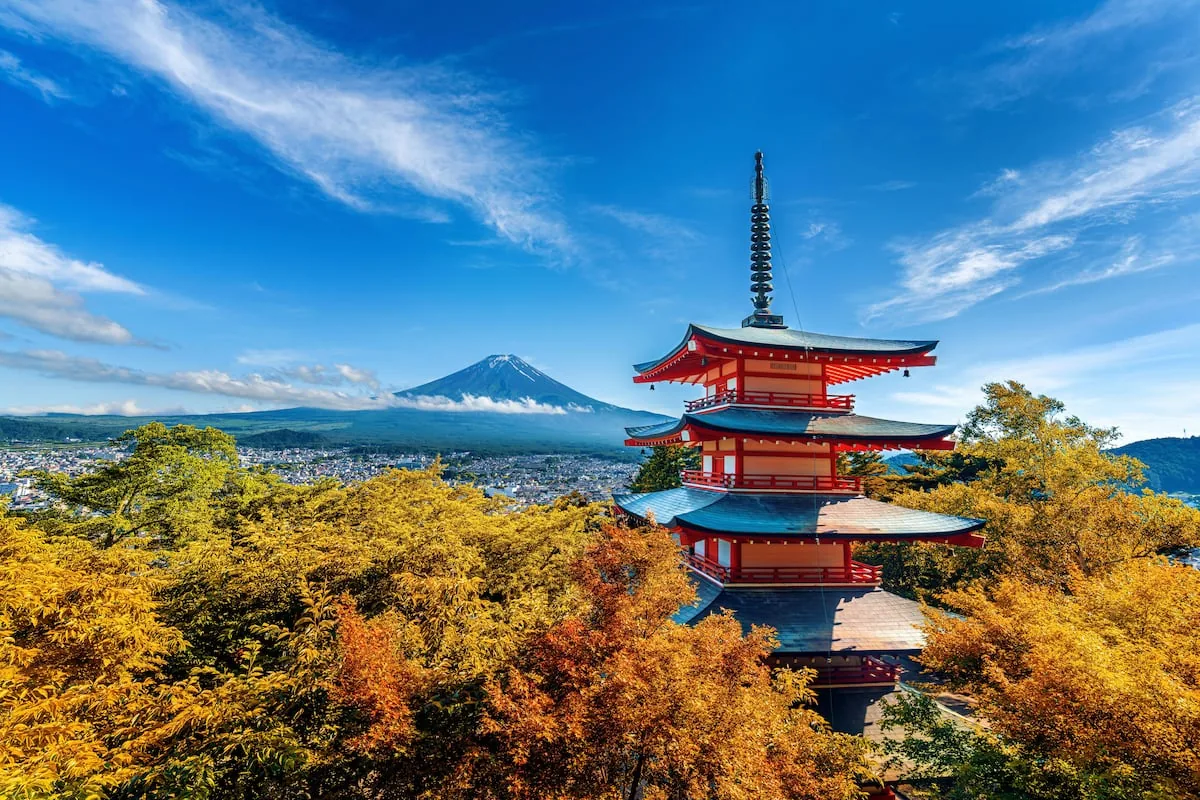
November is one of the best months to travel to Japan. It’s a month where you’ll be able to enjoy the autumn foliage and reasonable temperatures for visiting most places. It’s true that the weather will be colder, especially in mountainous areas, and particularly in the mornings, but still pleasant enough to enjoy the hot springs, a bath in one of its mythical onsen. “The light, in this month of the year, becomes more oblique, the maples redden the temples, and the cities breathe a unique and longed-for autumn: quieter, more concentrated, more willing to be discovered at a human pace,” express EL PAÍS Viajes, which has organized two trips in November to enjoy two different perspectives of the country.
Japan: an autumn haiku will be the first of them. It will depart from Spain on November 4th and will last 15 days. Most importantly, its host will be the writer Espido Freire, as she maintains a very special relationship with Japan, as she explains to us. “Since my first visit to do two reports, more than twenty years ago, I have been very interested in Japan for its relationship with beauty and time. Although it may be a cliché, there is an attention to detail —to a stone in a garden, to the light on wood, to the silence of a sanctuary— that we in the West have largely lost. I am also interested in that natural coexistence between tradition and modernity: how manga, the most advanced technology, and, at the same time, very ancient rituals can coexist without being contradictory.”
Hence, this time the approach is different under the influence of haiku, a very brief Japanese poem, of only three lines and 17 syllables that captures an instant, something that happens in nature, in a season, or that, suddenly, reveals a broader emotion or truth. “That is, we will travel as if we were inside a haiku. We will not accumulate experiences, but rather pay attention to unique moments. A haiku is a minimal poem that captures a moment of nature and, through it, a broader emotion. That is the spirit of the trip: to observe, stop, understand what we are seeing. We are not just looking to travel through Japan, but to interpret it,” adds the writer.
That is why the itinerary alternates intense cities with calm spaces, and combines culture, literature, and landscape. The idea is that each day has meaning and includes a small revelation. On this trip, the group of travelers will be accompanied by authors such as Matsuo Bashō and Junichiro Tanizaki, with their In Praise of Shadows, which teaches us to appreciate the subtle; or more contemporary voices like Murakami or Sayaka Murata, who show us other layers of present-day Japan.
What will the itinerary be like? Can one escape mass tourism in a country that receives more and more visitors? It seems impossible, but yes. “We cannot avoid the essentials —because Japan has indispensable places— but we can change the way we look at them. We travel in autumn, which in itself transforms the country,” also expresses Espido Freire.
Read more I have tried four manual breast pumps and I’ll tell you what they are most useful for
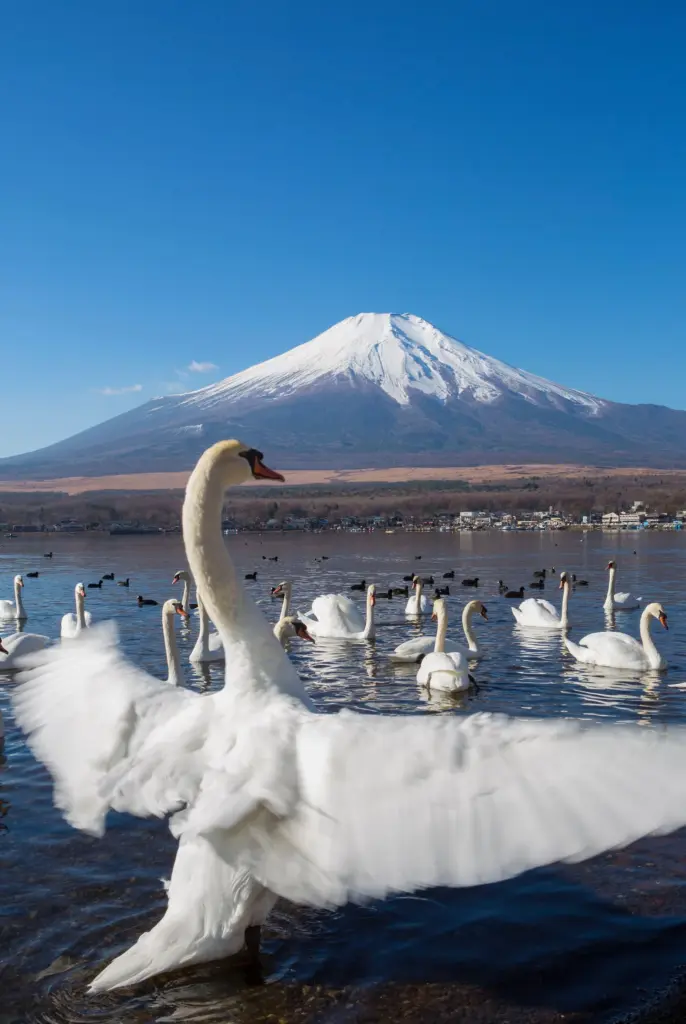
The journey begins in Tokyo, where the most contemporary and the most spiritual coexist without conflict: from the hustle and bustle of Shibuya or Harajuku to the calm of sanctuaries like Meiji or old neighborhoods like Yanaka. Afterwards, the itinerary moves away from the big city towards a more intimate Japan: Lake Yamanaka, at the foot of Fuji, where the landscape compels one to stop; the Japanese Alps, with castles like Matsumoto and towns like Takayama, where traditional architecture is still preserved.
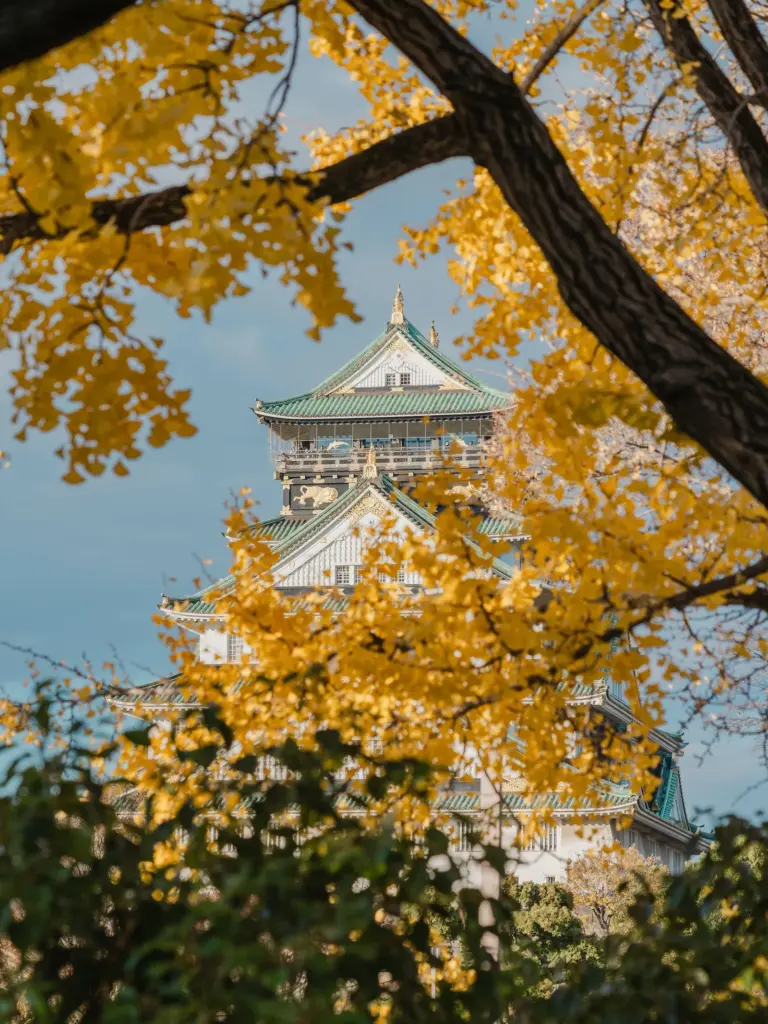
“And, finally, we will arrive at cities like Kanazawa or Kyoto, where the past is not a reconstruction, but a living presence: gardens, wooden houses, temples, silences… The trip concludes in Osaka, which reminds us that Japan is also energy, light, and a very contemporary vitality.” Without a doubt, this is a journey for those who enjoy observing, connecting, and understanding their surroundings.
Japan during ‘momiji’
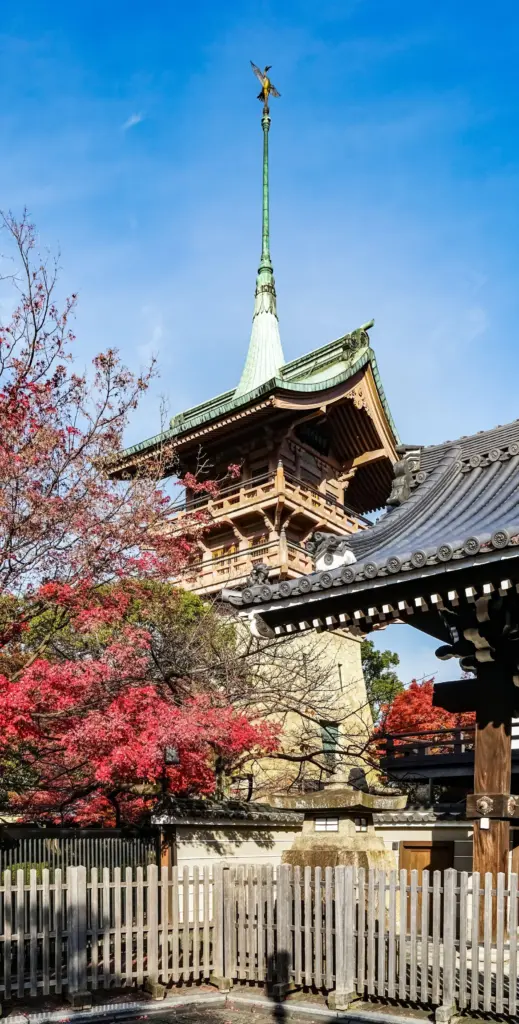
With the writer and Japan specialist, Marc Morte, the second itinerary, Momiji Japan Tour, will take place, a journey that starts from Spain on November 15th and also lasts 15 days. Its objective is clear because travelers will be able to enjoy the contemplation of the change of season, of the so-called momiji, which, in Japanese culture, means “autumn leaves,” that is, the contemplation and enjoyment of autumn leaves. Unlike hanami, which takes place in spring, this phenomenon lasts longer and is less touristy, so it can be enjoyed for a longer time. In fact, in Japan, they have a concept to explain the action of “going to look for autumn leaves,” momijigari.
In Marc’s own words, it is an ideal season to visit the country: “I especially like autumn for the reddish colors the forests take on, the moment of momiji. If you don’t mind the cold, winter is also a very good season to visit the country; there are fewer people and it rains less.”
The incredible palette of autumn colors is especially vibrant and interesting in some places in Japan, which have been highlighted in this EL PAÍS Viajes itinerary. In this sense, the route develops through Honshu, the main island of Japan, where some of the country’s most famous places like Tokyo and Kyoto will be visited, but also moving away from the big cities to explore tranquil inland towns like Takayama, or villages that seem straight out of an Edo period print like Magome or Tsumago. “We will go beyond monument visits to delight in the momiji, where nature is dyed in reds and oranges,” he points out.
*If you want more information about all destinations, consult our EL PAÍS VIAJES website.
You can follow EL PAÍS VIAJES on Facebook and Instagram, or subscribe here to the EL PAÍS Viajes newsletter.