









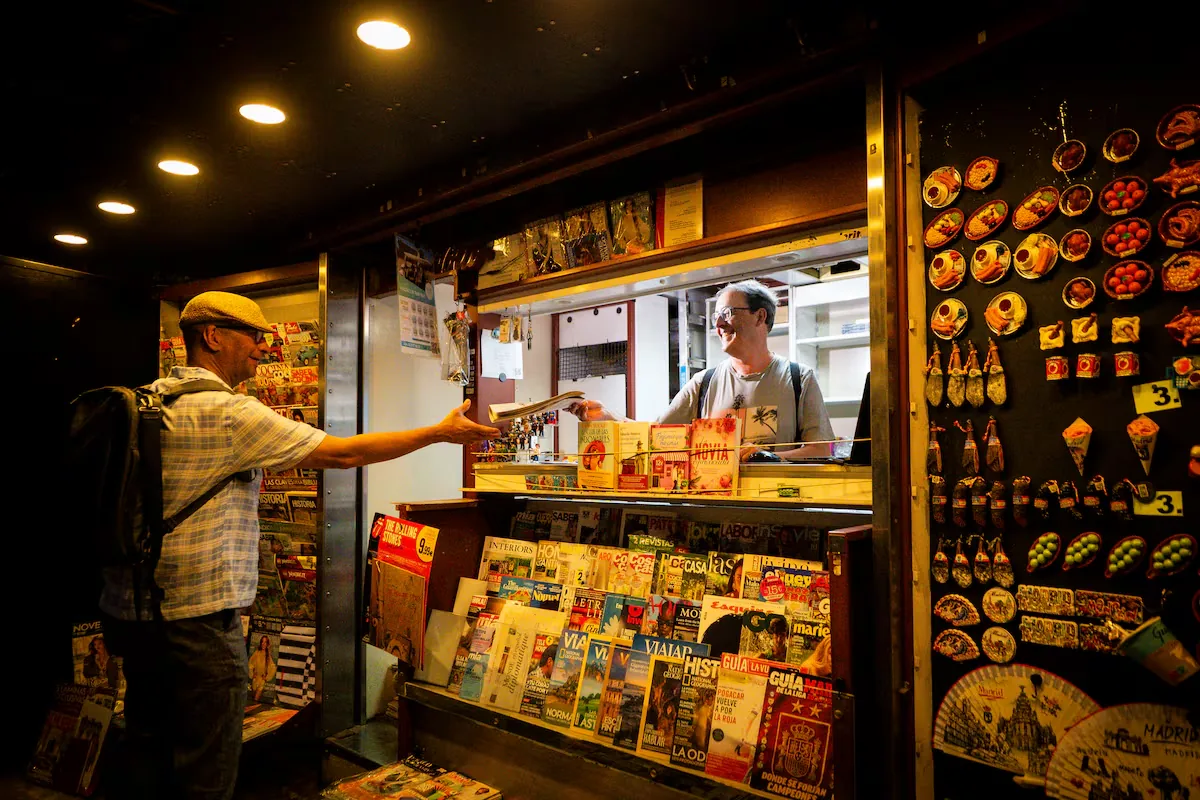
At seven in the morning, it is still dark in the center of Madrid. The streets look practically empty, the buses carry a handful of passengers, and in Puerta Cerrada square (in the La Latina neighborhood) there is barely any movement. Antonio Izquierdo arrives, as he has been doing for more than 30 years, to open his kiosk. He unlocks the large metal doors, arranges the newspapers, and prepares to receive the first customers. The routine is practically the same as always, but this Monday is not just any day. At 65 years old, he is retiring. And he still has no replacement.
Read more Egg freezing breaks into elite athletes: «There are not enough studies on how it affects»
The first customer appears just a few minutes after seven. The next ones arrive little by little. They don’t even have to ask for what they want: Antonio knows each person’s newspaper by heart. He hands it over and adds a phrase he will repeat throughout the day: “Today is the last one.” Then come the handshakes, wishes of luck, and goodbyes. “A pleasure to have met you, take care, Antonio,” one of them says.
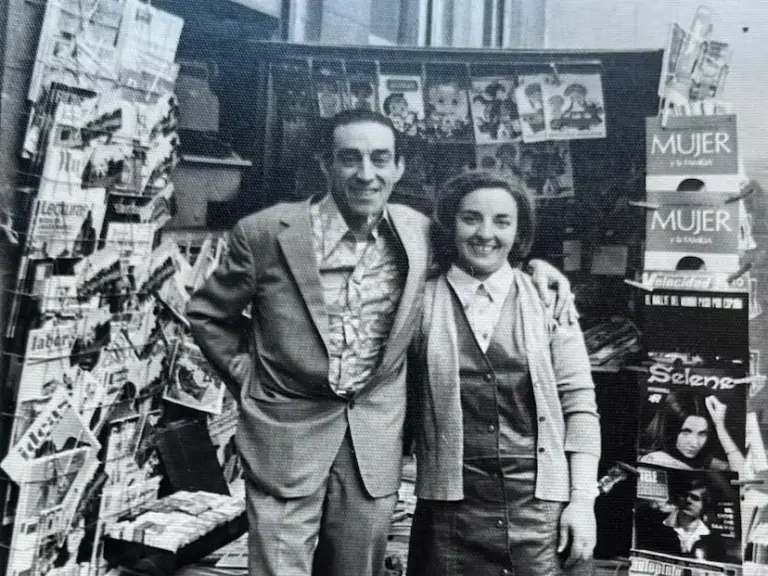
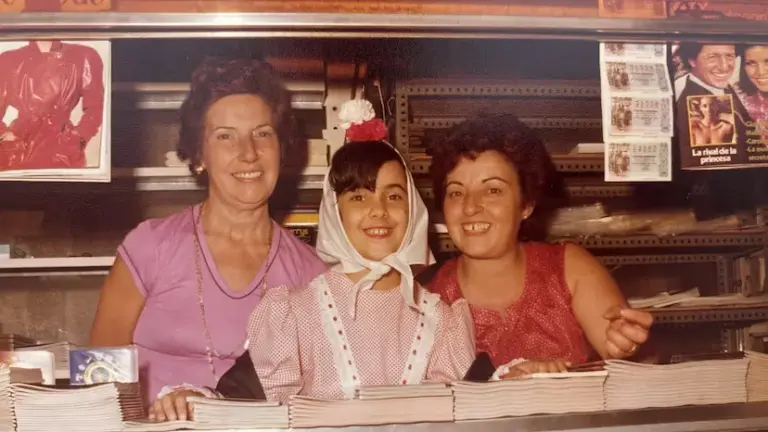
For this kiosk owner, newspapers are a family story that began before the Civil War. His grandmother Asunción started selling them right in front of the current kiosk, placing “the four headlines that existed at that time” on wooden boards. Then his mother, Antonia, continued, first at a wooden stand and later at a metal one, both built by Antonio’s father. He grew up among copies and at 10 or 12 years old he would go pick them up from the warehouse. “I would put them on my head and bring them here. Sometimes they would fall and I would make a big fuss,” Antonio recalls.
He also helped his parents by delivering the press to the shops on Cava Baja. But his definitive entry into the business came a few years later, when the company he worked for closed. It was the early nineties and since then his working life has taken place behind the counter of Puerta Cerrada, with a clear routine. He looked for a place to park and opened the kiosk at seven in the morning. There he counted the newspapers and magazines, served customers, and ate before closing around six in the afternoon. About seven years ago he decided to slow down: he hired a worker and reduced his presence at the stand to two days a week. “I earn less money, but I have gained time, quality of life.”
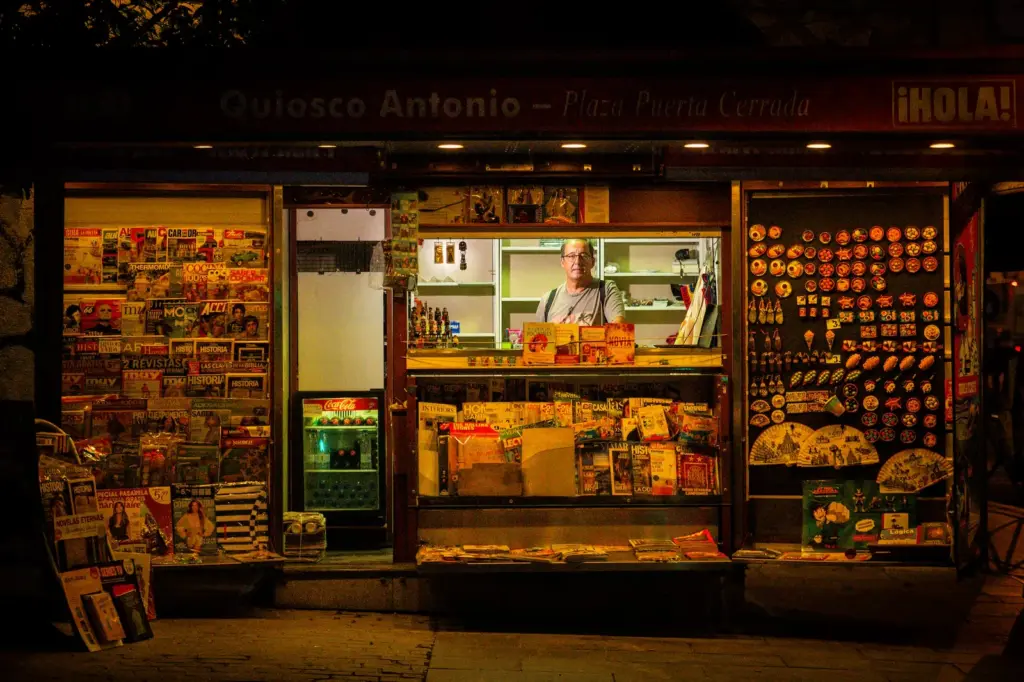
This Monday he closes with mixed feelings. “First a little sad, but on the other hand happy because a new stage begins,” he explains. A week ago he began informing regulars of his retirement and the displays of affection have not stopped. “I am overwhelmed. Yesterday [Sunday] I already had to cry. Today I will also shed a few tears,” he says while hiding his emotion.
He is clear about what he will miss the most: “The customers.” Some, he explains, have ended up becoming friends after years of daily conversations. “They tell me I am the neighborhood psychologist. They come here to tell me their life, their problems…,” he details before assuring that this is not something exclusive to him. “All kiosk owners are like the neighborhood lighthouse, a meeting point and also psychology,” he says laughing. He does not hesitate to point out what he will miss the least: “The early mornings. I really want to sleep eight hours straight, you can’t imagine.”
Paloma has been buying at the stand for more than 30 years and talks for a long time with the seller on his last morning. “It seems to me that a piece of the neighborhood is leaving,” she laments. For her, Antonio is “a unifying element” of an area she considers increasingly less designed for residents. “This neighborhood is no longer what it was. Only businesses for tourists are set up, the neighbors don’t count at all,” she protests. She assures that the usual bars have disappeared and that even doing the shopping has become difficult because many of the shops are aimed at visitors. “There is no longer a neighborhood, the people who live here end up leaving.”
Now one of those daily relationships also disappears. “The alternative is to read the digital newspaper, but you lose the coming, the daily chat,” the customer says. As an example, she recalls the blackout last April, when she went out without cash and turned to the kiosk owner to lend her money. “That is no longer done. If there is another blackout, I don’t know who I will ask,” she comments laughing.
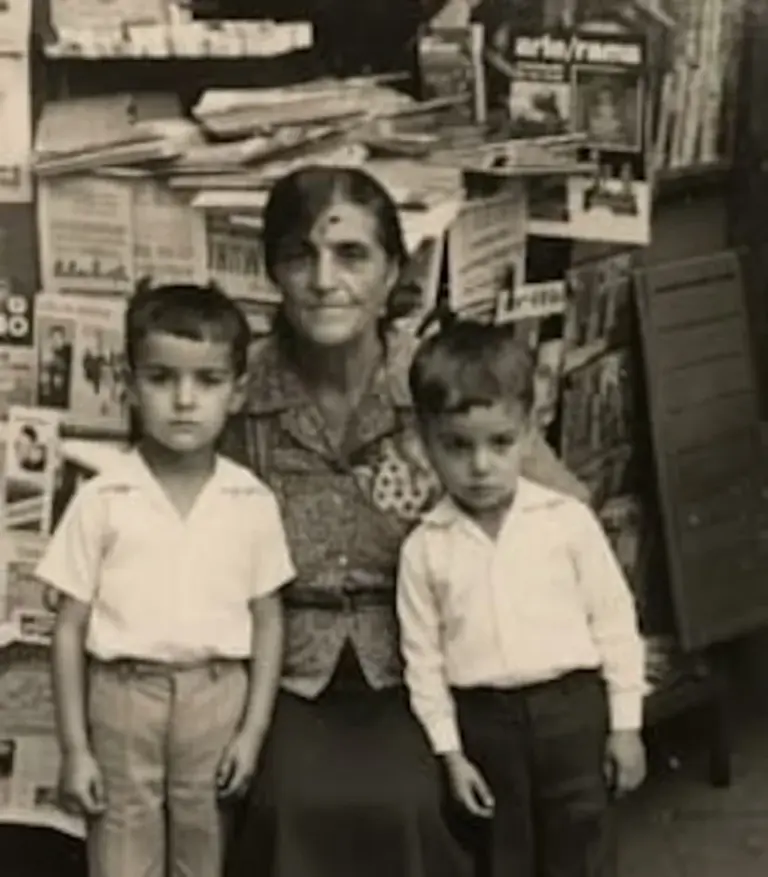
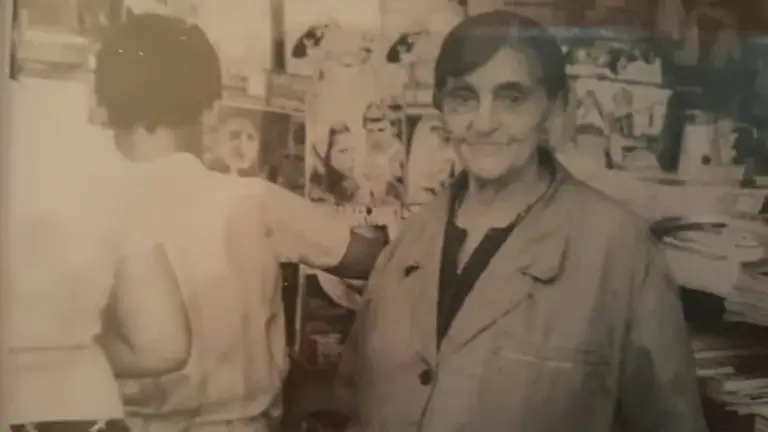
Antonio has also seen La Latina transform from his small observatory. He assures that the traditional establishments of Cava Baja have given way to bars and restaurants, while tourist apartments have proliferated. Many of his older customers have also disappeared and the new generations have not inherited the habit of buying the press: “When a young guy comes and buys a newspaper, I applaud him.”
Sales have fallen, although he assures that his location has allowed him to resist better than other colleagues. In Puerta Cerrada, regular neighbors still mix with the impulse of some tourists. Daily newspapers and gossip magazines have suffered the most, so the seller has added some magnets, football scarves, and package collection. Even so, he assures that newspapers and magazines represent about 80% of his sales.
Some of the major events of the last half century have passed through his hands. He was 14 when Franco died and remembers the constant coming and going for newspapers, accompanied by his brother. “We couldn’t keep up, they sold like hotcakes.” Then came the Transition, a stage he remembers with special affection. “It was amazing. From being very repressed to having freedom,” he highlights about an opening that was also reflected in the kiosks, with the success of the first unveiling in Interviú and the appearance of new headlines.
Antonio is retiring, but hopes the closure is not definitive. There are people interested in taking over the kiosk, although none have taken the step yet. His wish is that whoever arrives preserves its essence and continues to focus mainly on newspapers and magazines, instead of maintaining a few headlines and dedicating the rest of the space to souvenirs for tourists. In fact, according to his own estimates, there is only one other kiosk with these characteristics left in the neighborhood, while two others have succumbed to the novelties.
Licenses up in the air
The Association of Professional Press Sellers of Madrid (AVPPM) estimates that about 300 kiosks remain open in the capital, although they lament the uncertainty linked to the renewal of licenses that largely expire in 2029. The organization assures that there is no progress in negotiations with the City Council and warns that if the situation is not resolved favorably, there could be a peak in closures. However, most professionals who have recently retired have managed to transfer their business.
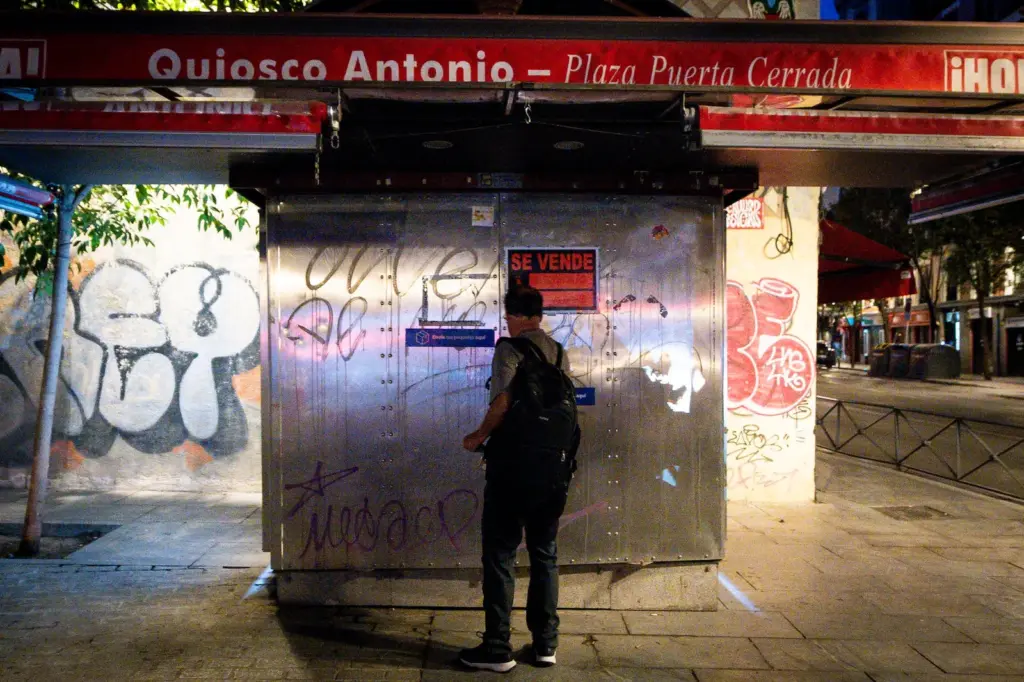
There will not be a fourth generation in Antonio’s family. His children have other jobs and he understands that they do not want to take on a profession that requires opening almost every day. But when asked what he would do if he were 30 years younger and was guaranteed a license for another 30, he answers without hesitation: “I would continue because I like it, although I would add more products.”
For now, he enjoys his last day behind the counter. Customers keep coming, Antonio recognizes the regulars and hands them the newspaper without them needing to ask. Only this time he will add “today is the last one.”
Read more Somali pirates display their growing power with new ship hijackings