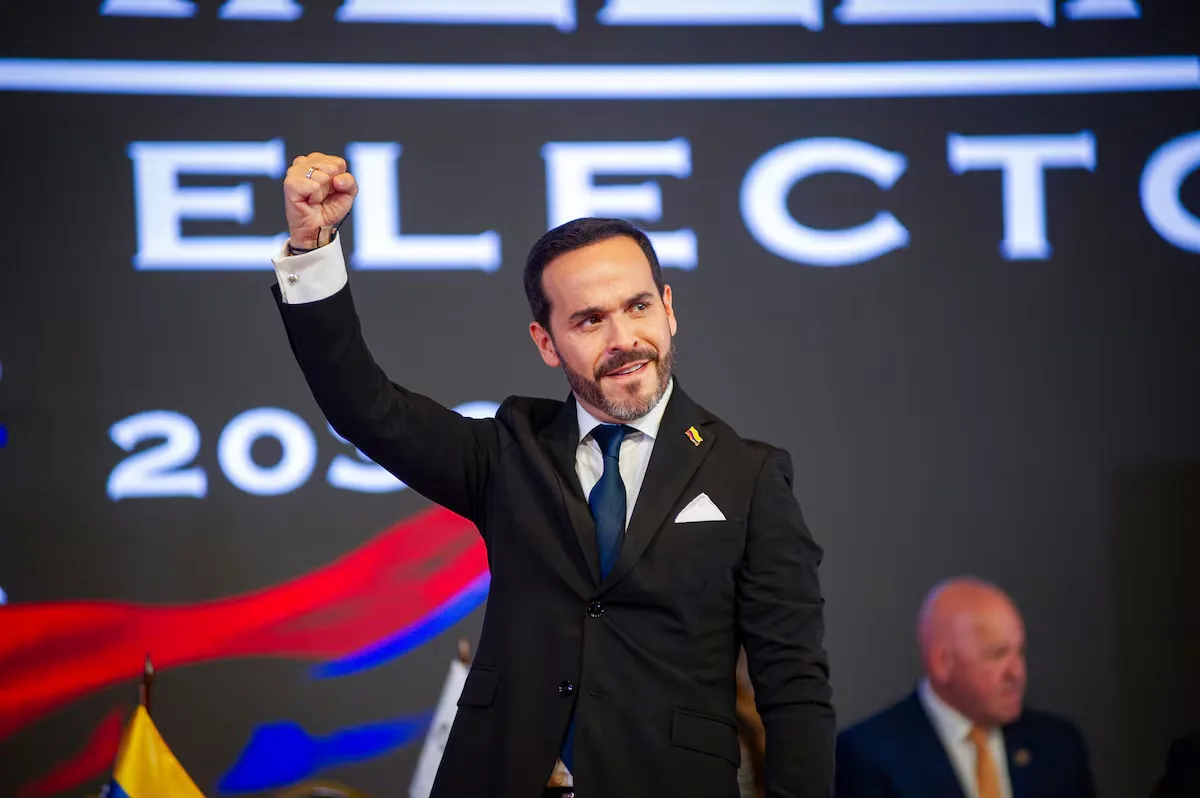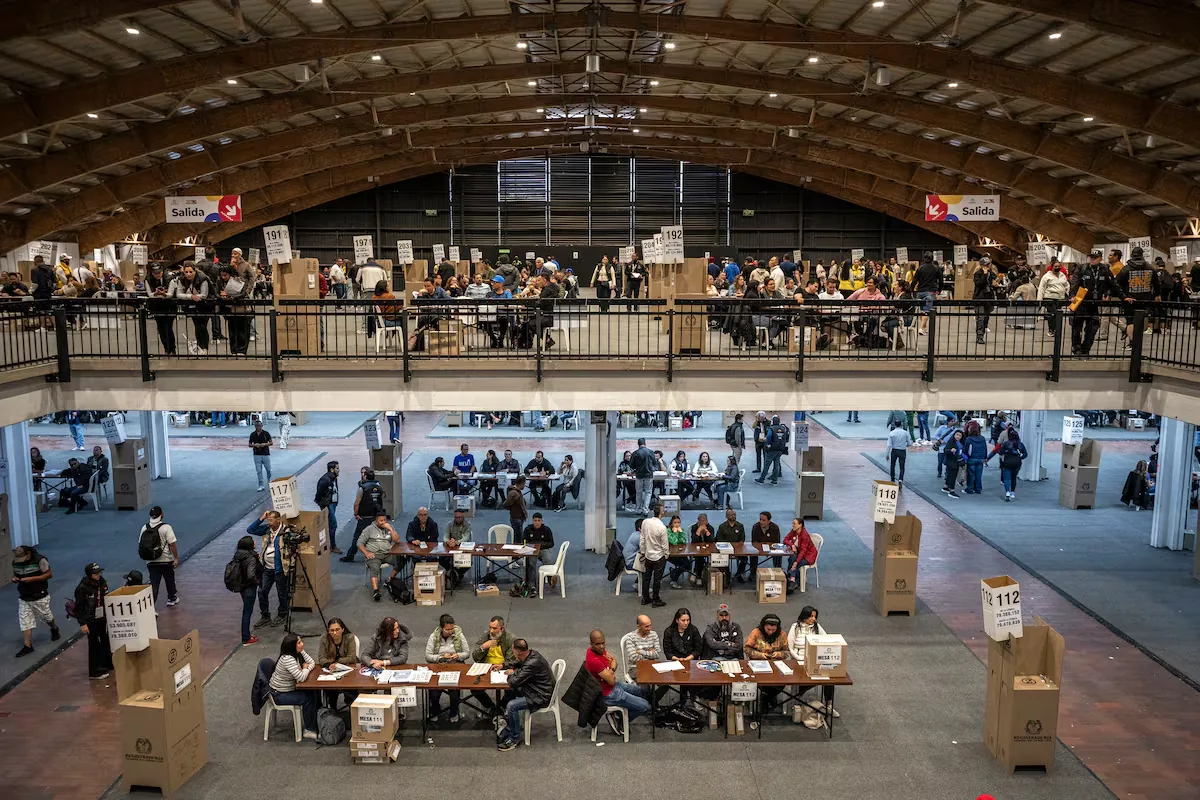






Colombia is on the verge of the election day that will determine who will hold the presidency of the country for the 2026-2030 term. The upcoming presidential election is also an indirect plebiscite on the management and social reforms promoted by the Government of Gustavo Petro, the first left-wing president in the recent history of the country.
How to vote: step by step for the day
For your vote to be valid and the process to be smooth, the National Registry suggests following a series of ordered steps.
Check your voting place
Enter the official website of the Registry or use the official mobile application to verify your voting place and the exact table number. Remember that you can only vote at the place where your ID card is registered.
Present your identity document at the assigned table
Present your original physical citizenship ID card (either the yellow one with holograms or the new digital ID card). No other document, such as a passport or password, is valid for voting within the national territory.
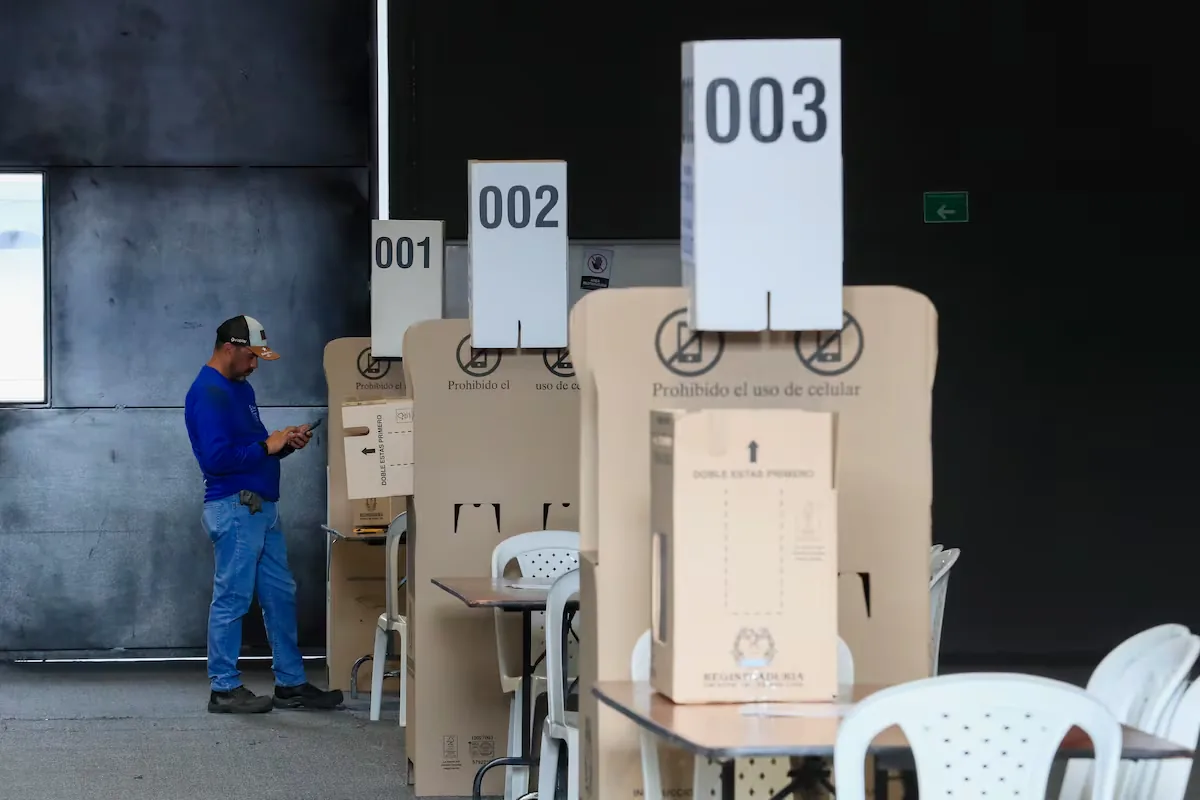
Receive and mark the ballot in the voting booth
The jury will give you the electoral card for the presidential election. Go to the booth and clearly mark the box of the candidate of your choice or the “Blank Vote” option. Avoid going outside the box or making crossed marks over several photos so that your vote is not annulled.
Deposit the vote and request the certificate
Fold the ballot to guarantee the secrecy of the vote and deposit it in the corresponding ballot box in front of the voting jurors. At the end, make sure to claim your ID card and the electoral certificate, which grants legal benefits such as discounts on public procedures and half a day of paid work leave.
When are the elections and what is being elected?
After the legislative elections on March 8, the May election day will be exclusively to decide who will hold the presidency and vice presidency of Colombia.
For this, the National Civil Registry has established an electoral calendar:
- First presidential round: will take place on Sunday, May 31.
- Possible second round: in case no candidate obtains half plus one of the valid votes, the two most voted candidates will face off in a second round on Sunday, June 21.
Restrictions and Dry Law
In Bogotá, authorities have advanced the start of the Dry Law from this Friday, May 29 at 6:00 p.m. until Monday, June 1 at noon (12:00 hours). This has led the bar guild to call for various protests in the Colombian capital. In Barranquilla, the prohibition on the sale and consumption of alcoholic beverages activates from Saturday, May 30 at 6:00 p.m.
Other restrictions include the prohibition of carrying weapons, the use of cell phones or cameras inside the voting booths, and the restriction of political propaganda on election day.
Voting table hours
Throughout the national territory, the opening and closing hours of the ballot boxes are strict and unified.
- Opening: 8:00 a.m.
- Closing: 4:00 p.m. At this time, access to voting places and tables closes. If a person is in line but has not handed over their ID card to the jury before closing time, they will not be able to vote.
For Colombians abroad, the process has special logistics. Voting takes place over a full week, starting Monday, May 25 and ending Sunday, May 31, at consulates and authorized points in each country, operating similarly between 8:00 a.m. and 4:00 p.m. (local time of each city).