






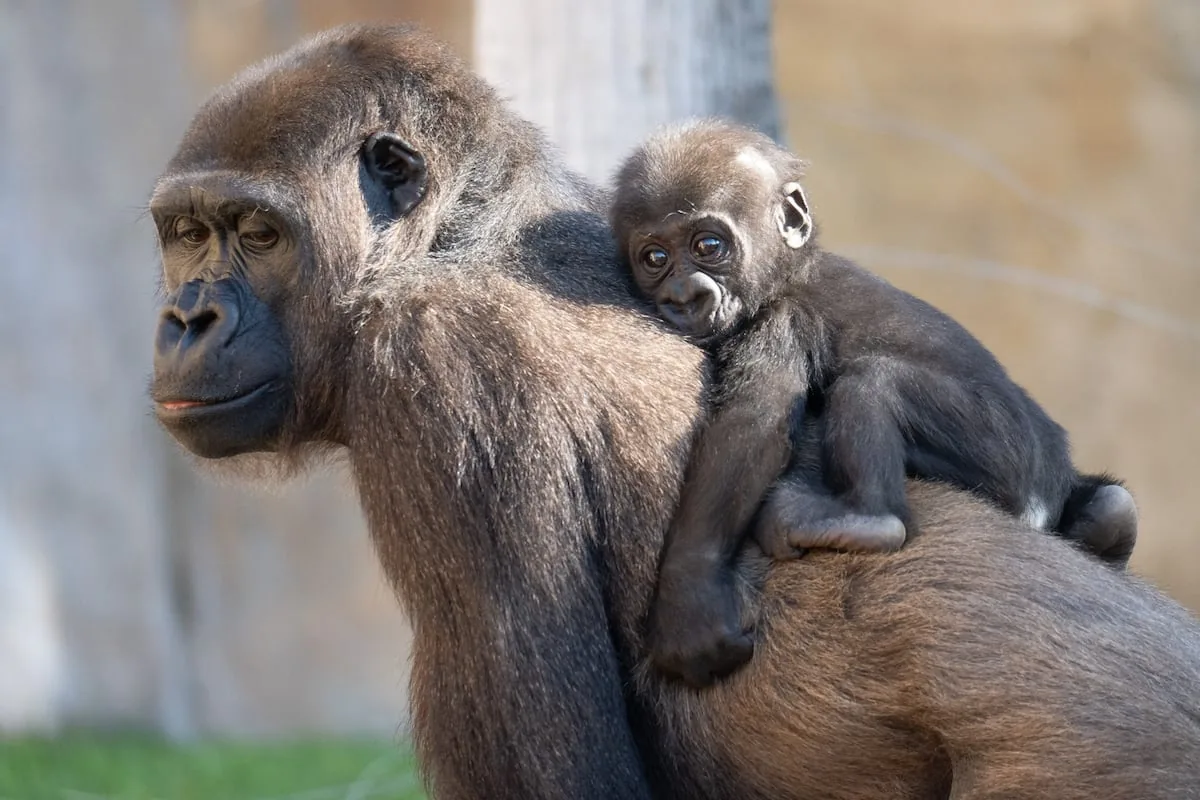
Ernie, born in December, gets off his mother’s back and takes his first steps: he explores, pulls leaves from a twig. He is a western lowland gorilla cub, a critically endangered species. Malik, an African savanna elephant, celebrates his second birthday in style, just turned. A small miracle. As is watching a short-tail nurse shark pup begin to swim. Let’s think: what can a human do in 10 minutes? Perhaps take a shower; if they are an experienced athlete, maybe run a couple of kilometers. Every 10 minutes a species disappears; 150 species go extinct every day.
Read more Kylie Jenner, sued by a former household employee for discrimination and a toxic work environment
That is why, this April 22, International Earth Day, as we face an unprecedented loss of biodiversity, the Bioparc Foundation and its parks in Valencia, Fuengirola, and the Gijón Aquarium are an example that action is still possible, that science and leisure can go hand in hand.
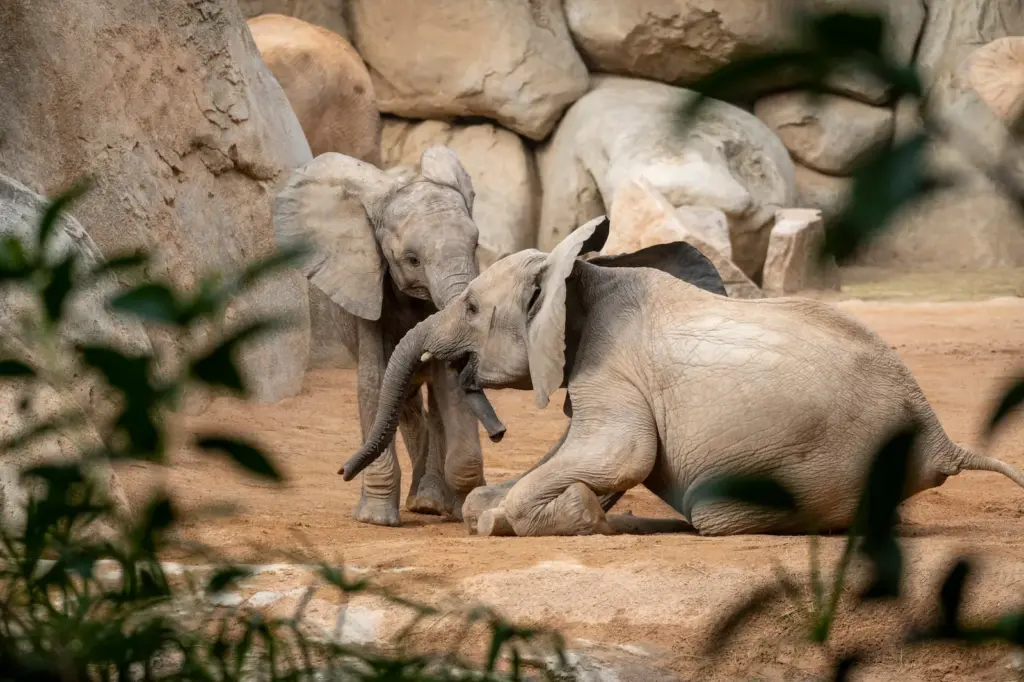
It is necessary to “raise awareness by moving emotions,” something more than a foundational slogan. Because Ernie and Malik represent hope for their species. They are the result of international programs to ensure their survival. And both are raised with specialized attention and the latest trends in animal welfare; the primate and its entire family, in Fuengirola (Málaga), and Malik —a half-ton pachyderm whose tusks are already starting to emerge— along with his older sister, Makena, and the rest of the herd, in Valencia. Meanwhile, at the Gijón Aquarium, the short-tail nurse shark, that falsely stigmatized species, lives again with the hope that pressure on marine ecosystems is taking away from it in its natural environment.
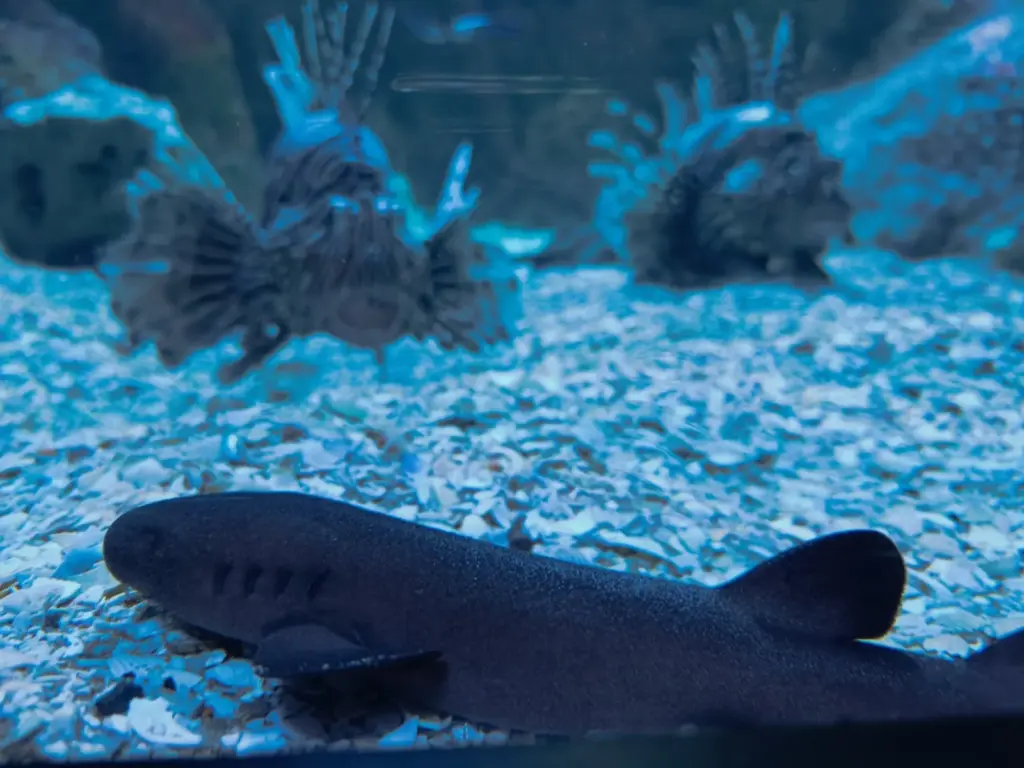
In all three parks, visitors can come and see them: even more, they can immerse themselves in a perfect recreation of their habitat. Without visual barriers. As the saying goes: out of sight, out of mind… It is an internationally recognized alternative to peek into the heart of wild nature and decide, once and for all, to take action.
“Educate, raise awareness, protect, and conserve go hand in hand”Bioparc Foundation
The experience at Bioparc Fuengirola, Valencia, and the Gijón Aquarium offers real contact with these endangered species in their environment, under the care of veterinary and biology teams that contribute to scientifically controlled breeding under human care. They are centers of science, research, conservation, and dissemination; which also assume the responsibility of becoming an ideal tourist destination for the responsible traveler. Tourism, an industry that accounts for 14% of the GDP for a country like Spain ⎯expected to reach 100 million visitors this 2026⎯ must also contribute to making the world a sustainable place.
Hippos swimming in Valencia
Nowhere else in Spain could one witness this sight: an underwater cave where hippos swim, where it seems that, at any moment, they could cross paths with fearsome crocodiles. It is a recreation of the Great Lakes ecosystem. At Bioparc Valencia, 6,000 animals of 150 species coexist, with walking tours that transport visitors to the savanna —antelopes, giraffes, and lions—, to baobab forests populated by elephants, to jungles with gorilla and chimpanzee families with their latest offspring, and even to the island of Madagascar, of course, with its lemurs.
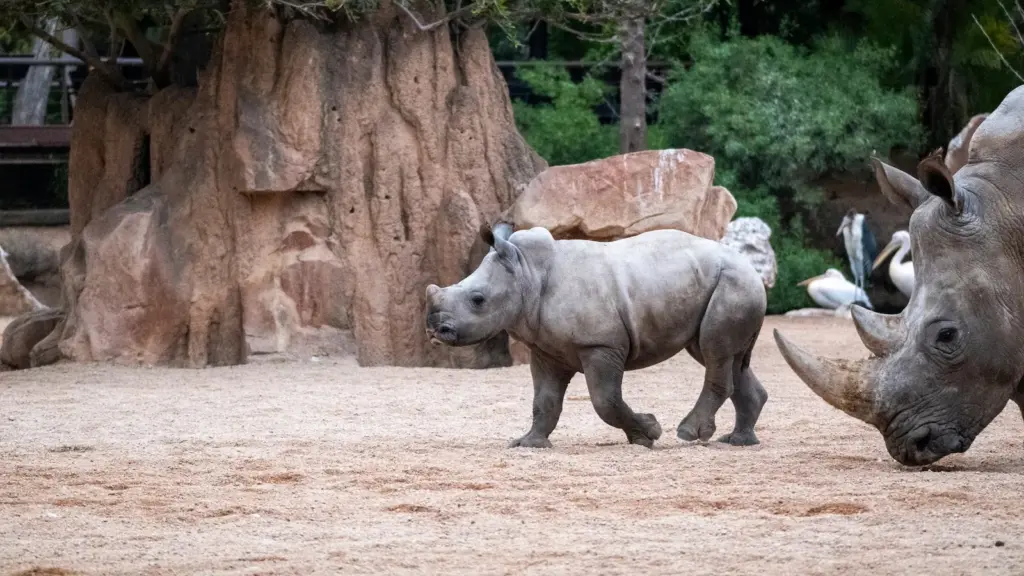
This February, a very rare aardvark was born in the park: rabbit ears, kangaroo tail, dinosaur claws, and a pig snout. Visitors can observe the fledgling romps behind the zebras of the first white rhinoceros born there, a true milestone for the conservation of the species. It is also, and sadly, the place to admire Mhorr gazelles, which were extinct in their habitat and are now being reintroduced to Africa thanks to the intervention of preservation centers. With all these unparalleled ingredients, Bioparc offers free educational and recreational activities throughout the day for all audiences, very useful for learning in depth about African fauna.
Read more “National priority”, an idea from the French far-right that the PP has bought from Vox
In the 21st century, the challenge is global, and Bioparcs align with the ‘One Plan Approach’ strategy, which comprehensively considers animal populations.
Quarter century celebrating wildlife from Malaga
Bioparc Fuengirola celebrates its first 25 years of existence. A total of 22,000 square meters dedicated to more than 300 species. Landscapes through which to travel from lush Equatorial Africa to Southeast Asia, from the Indo-Pacific to South America. The Komodo dragon, that lizard millions of years old, considered the heaviest terrestrial reptile (measuring up to three meters long and weighing over 300 kilos), is one of the illustrious residents of Bioparc Fuengirola. Malayan tapirs, gorillas, giant otters, hornbills ⎯a tropical bird⎯ or red river hogs, a very striking African red boar, are some of the species that, while facing an urgent risk of disappearance in their places of origin, thrive in this oasis of nature that anyone can visit in the heart of the Costa del Sol.
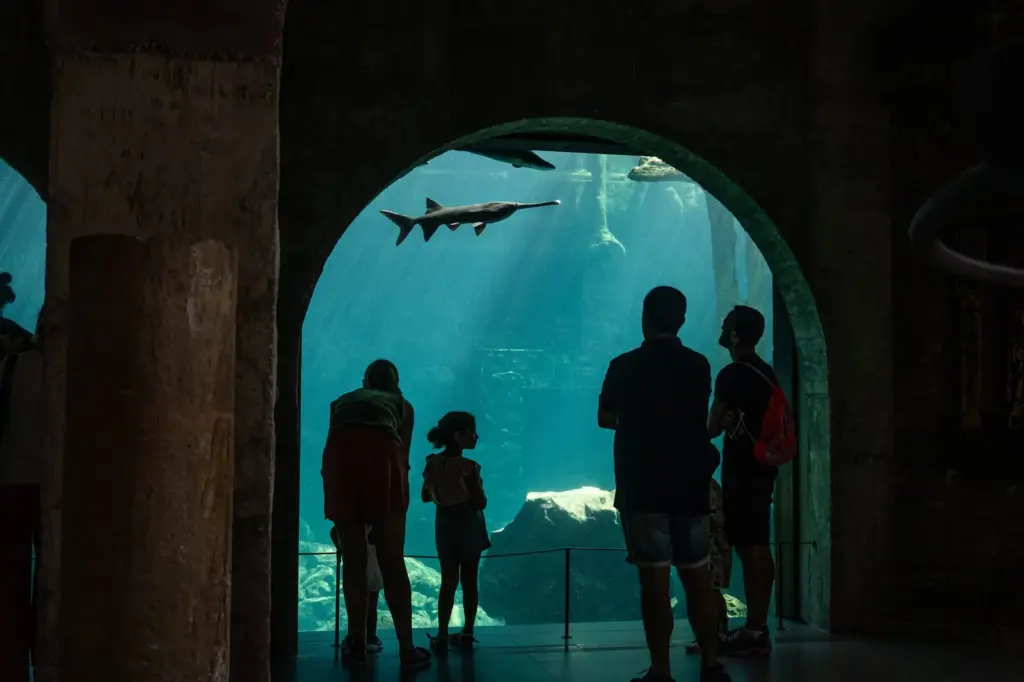
Visitors will culminate their experience with an immersive tour inspired by the journey of Magellan and Elcano, featuring full-scale Mayan temples, coral reefs, or a 14-meter-high aviary; a space where it is impossible to ignore the existing connection between biodiversity, history, and exploration.
A walk through the depths of the sea
Bioparc Aquarium Gijón brings one surprise after another. First, because its facilities house CRAMA, a rescue center for marine animals: they have rehabilitated loggerhead turtles and grey seals, which have happily returned to the Cantabrian Sea. And second, because what it offers visitors could not be found in the same location anywhere else. Much more than fish: they have just inaugurated a permanent exhibition dedicated to extraordinary reptiles, amphibians, and invertebrates. Such as the Gila monster, a lizard about 60 centimeters long that usually lives in the arid areas of Mexico and the southern US; Indonesian blue monitor lizards; Tanzanian green lizards; iguanas or rainbow boas. Also, poison dart frogs, newts, or large tarantulas and scorpions.
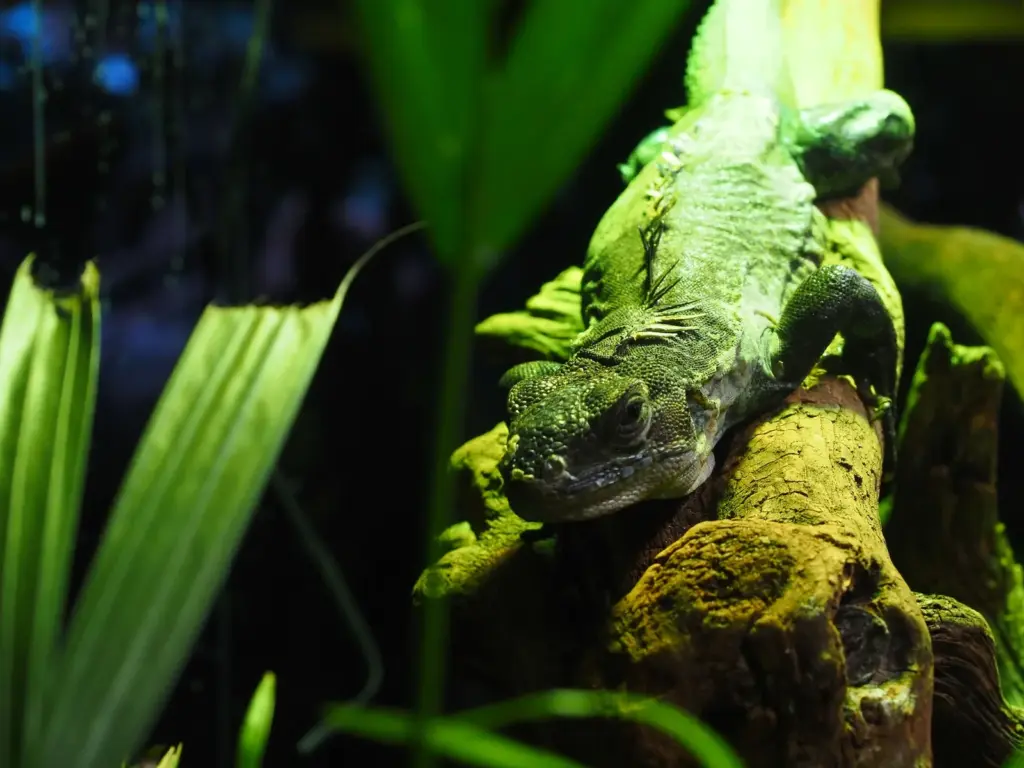
The experience at Bioparc Fuengirola, Valencia, and the Gijón Aquarium offers real contact with endangered species in their environment, under the care of veterinary and biology teams that contribute to scientifically controlled breeding under human care.
Located opposite Poniente beach, overlooking the sea, Bioparc Aquarium Gijón is a vibrant place of unique beauty, changing from season to season and even throughout the same day: animals behave differently depending on the time. It is possible to observe large bull sharks cruising the waters of the oceanarium, sea turtles taking an afternoon nap after their busy mornings, or witness how jewel anemones open their tentacles as the day progresses.
The power of visiting the wild in the city
Bioparcs are “parks of life,” a concept of animal parks that play a fundamental role in the challenge of reversing the environmental destruction situation. The scientific community calls it the Anthropocene era: in 2020, everything manufactured by humans on the planet (anthropogenic mass) surpassed for the first time in history the combined mass of all living beings on Earth (biomass).
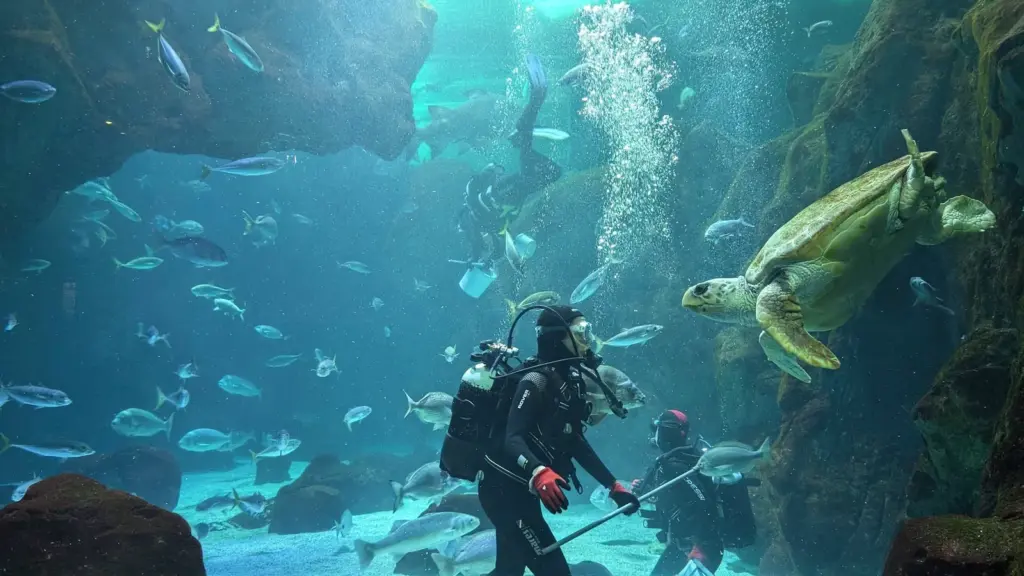
In the 21st century, the challenge is global, and Bioparcs align with the One Plan Approach strategy, which comprehensively considers animal populations, both those living in their habitat and those under human care. It is considered necessary to address conservation in a dual scope, in situ and ex situ, with the indispensable contribution of parks to the conservation of nature and its biodiversity as platforms for education, mobilization, and scientifically controlled breeding of endangered species.
Read more Child poverty is an employment problem