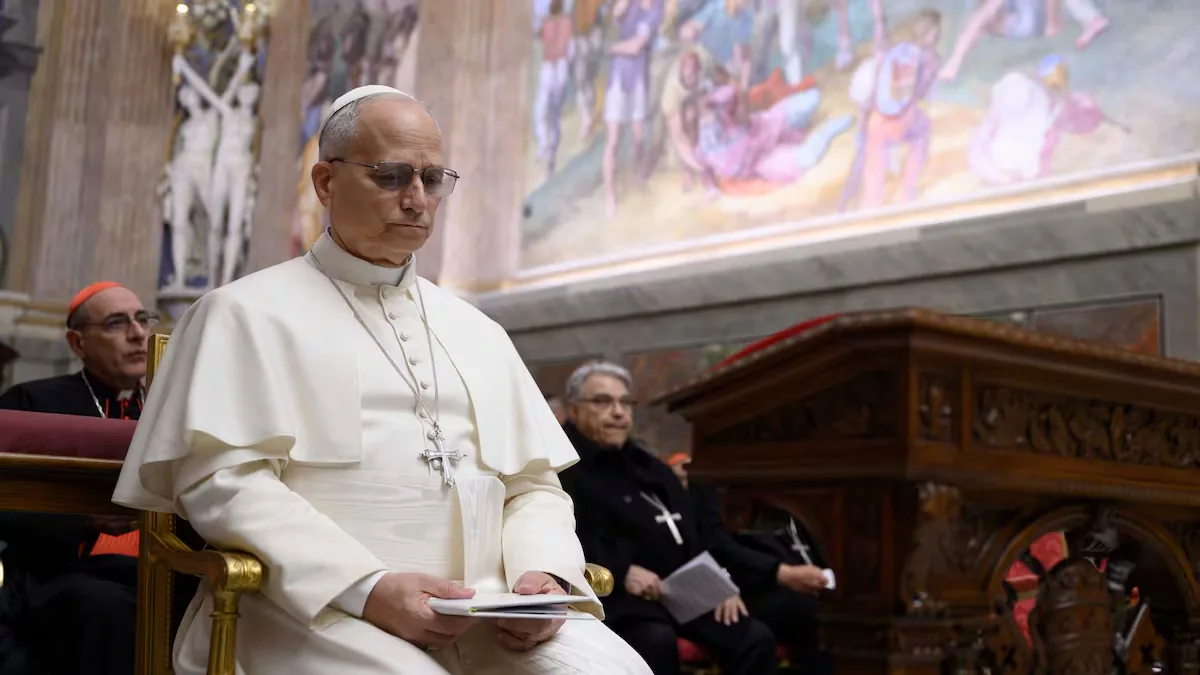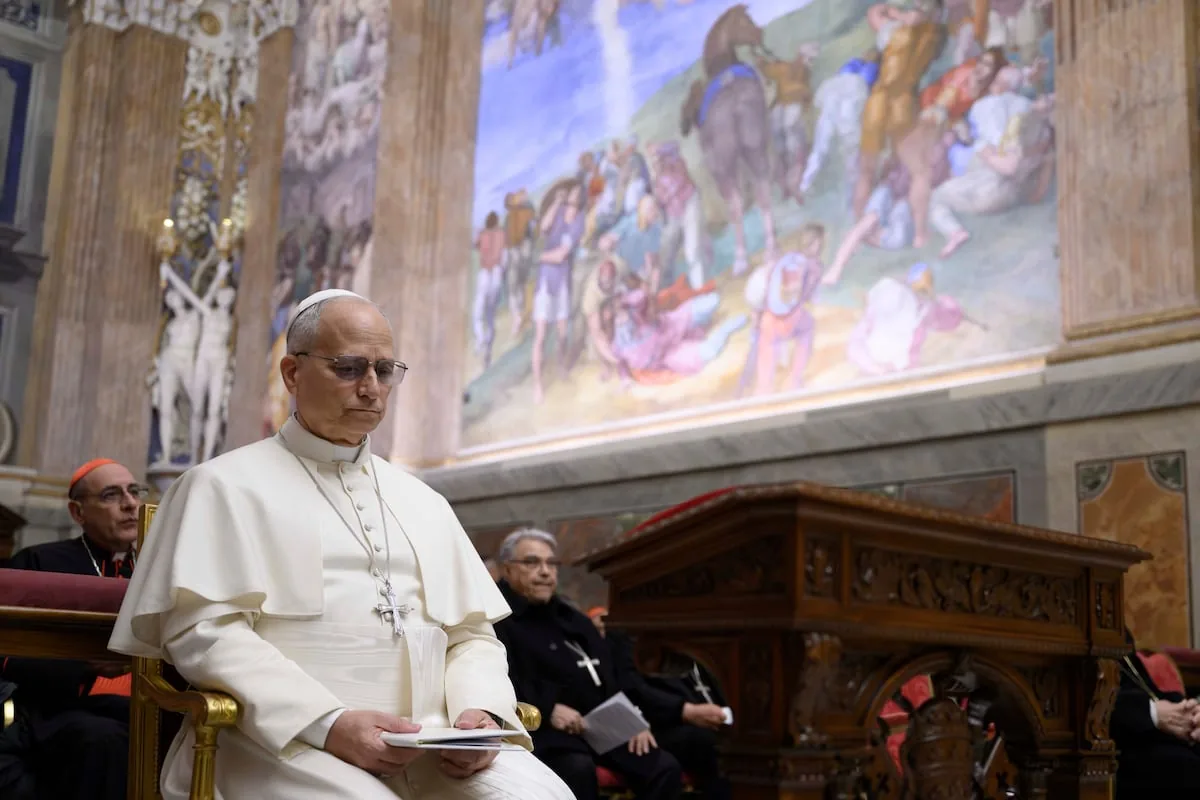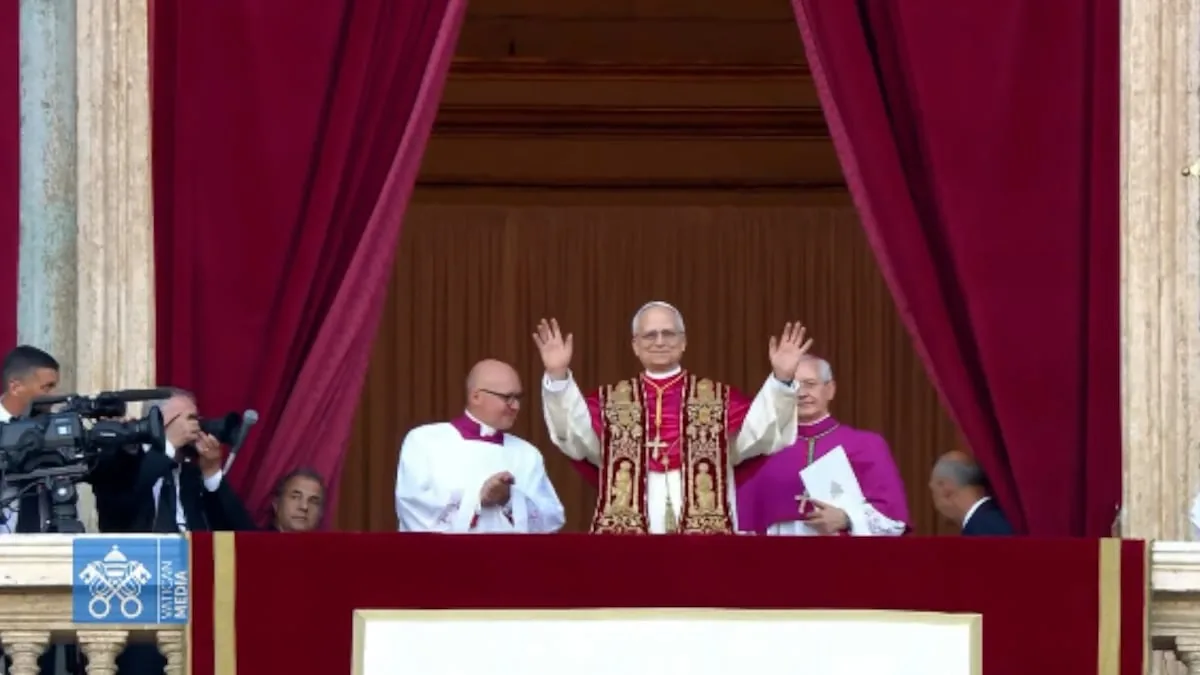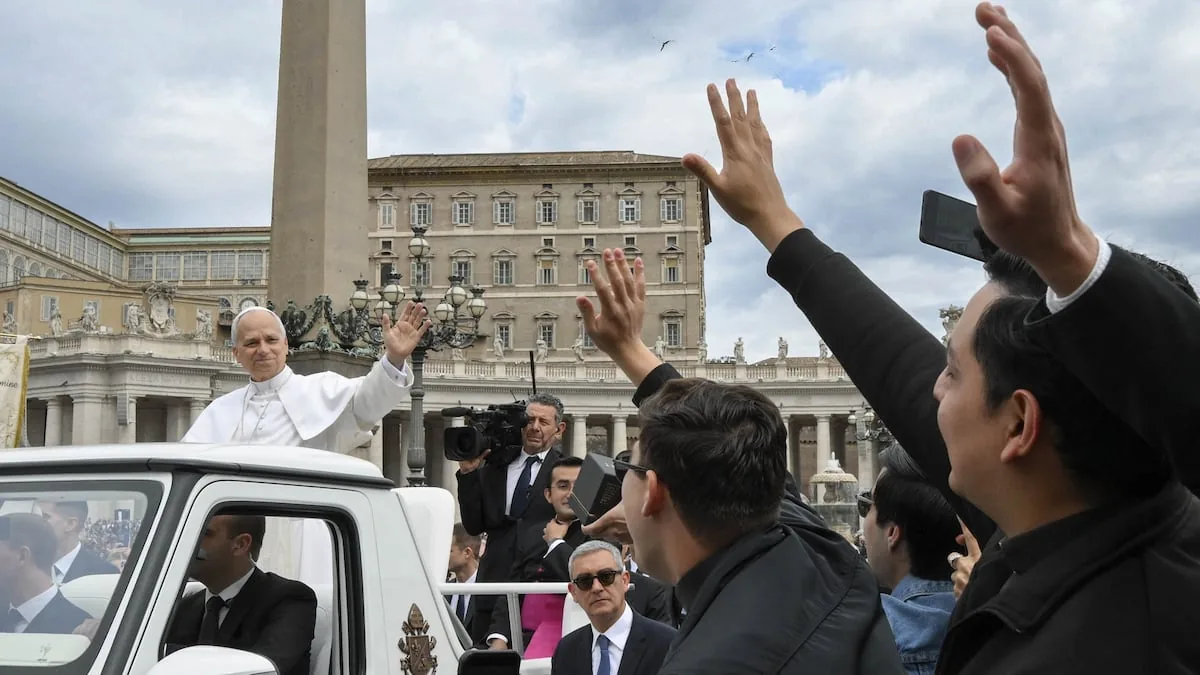


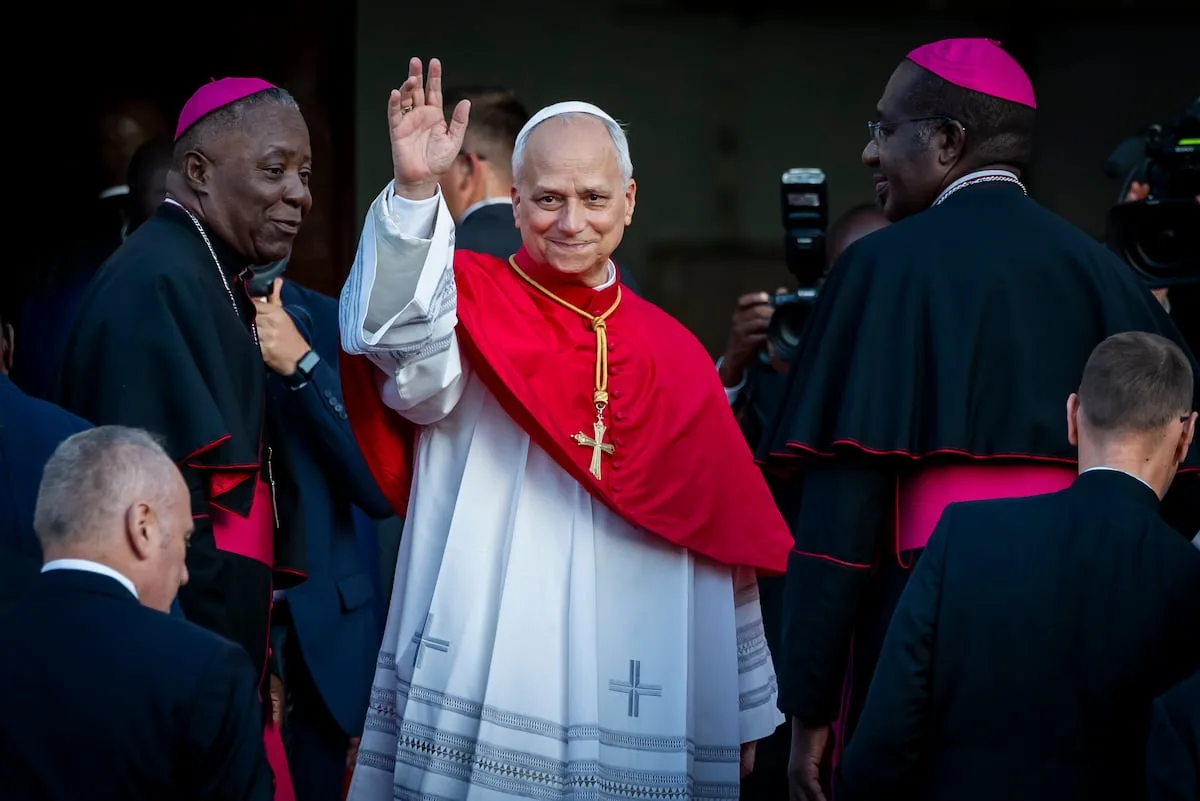
The dispute that unfolded last week between Pope Leo XIV and Donald Trump has had an inevitable repercussion on the international scene, but also within the ranks of Catholicism. Attention should be paid to this internal impact, because it could be the starting point of a more lasting tension, no longer with Trump but with the right-wing populism that holds power in several Western democracies.
The origin of the conflict was aggressive but, if you will, anecdotal. Trump disqualified the Pope’s positions in favor of peace and an international order governed by rules. He did so in his unmistakable style, that is, almost insulting. He said that Leo XIV is in favor of crime and cultivates a terrifying diplomacy. The discursive context of these statements was not the most appropriate: Trump posted on his Truth Social network, and then deleted, AI-generated images of himself, in which he appeared looking like Christ.
When the pontiff insisted with his usual message, the President of the United States raised the tone even further, accusing him of favoring nuclear attacks by Iran and encouraging crime in US cities. Leo later stated that the world is being led down the path of violence by a group of tyrants. It was understood that he was doubling down. But he clarified that this sermon, one of many he delivered on his trip through Africa, had been prepared before the quarrel broke out.
The confrontation has political consequences of different scopes. One of them is that, in the midst of an election campaign, it turned all American bishops against the president. Including those closest to the White House, such as Robert Barron, diocesan of Winona-Rochester, who is part of a Commission on Religious Freedom created by Trump. Choosing the Pope as a target may have been a bad proselytizing operation, since many Trump voters are Catholic. Moreover, some have voted for him as Catholics, identifying with his positions against abortion. Organizations like CatholicVote, which gather this electorate, censored Trump’s expressions.
In the field of international relations, the clash had a negative impact for the President of the United States. The most notorious example was the distancing from Italian Prime Minister Giorgia Meloni, who sided with the Pope. It is impossible to determine if Meloni’s gesture was spontaneous or if, in reality, she had been waiting for a long time for an excuse to separate herself from Trump, whose positions were becoming increasingly indefensible to her own electorate. Meloni had been, until now, Trump’s main ally in Europe.
More predictable was the adherence to the Vatican by progressive leaders who object to Trump’s foreign policy, especially in the Middle East. Gathered in Barcelona for a new meeting in defense of democracy, almost all of them applauded Leo XIV. The most emphatic was the Brazilian Lula da Silva, who not only made statements in solidarity with the pontiff but also went to the Sagrada Familia cathedral to kneel before the altar and pray for peace. Lula announced during his trip that he will run for re-election. He will then have to defeat Flávio Bolsonaro, son of former president Jair Bolsonaro. That is, someone from a family that embodies a symbiotic alliance with Trump.
Read more Javier Milei faces the dilemma of lowering inflation or reactivating economic activity
Regardless of these positions on the global chessboard, it is relevant to note the internal effect of Leo XIV’s message. Until this discussion with Trump, practitioners of Catholicism and, especially, the bishops, speculated that the American Prevost would maintain a line of neutral depoliticization. That is, a strategy that would contrast with the progressive militancy of his predecessor, Francis, in relation to the political and social agenda. In other words: Leo XIV would lead a stealthy papacy, allowing the wounds opened by Jorge Bergoglio, much challenged by the conservative wing of the Church, especially in the United States, to heal.
This image was disproved last week. Prevost firmly raised his voice against what is identified as right-wing populist leadership. That of Trump. He thus identified more than expected with Francis, who had marked a very active dissent with the White House, especially due to the attacks on the Gaza Strip, following the fierce Hamas attack on October 7, 2023.
Why is this adjustment in the new Pope’s profile relevant? Simple: because, being an institution organized around vertical obedience, all local churches now feel authorized to play a political role. Prevost’s pronouncements were an enablement.
This interpretation, which is gaining ground in the ecclesiastical hierarchy, is ratified by another detail: the Archbishop of Buenos Aires, Jorge García Cuerva, announced over the weekend that Leo XIV could visit Argentina this year. This is a significant announcement, not only because it is Bergoglio’s homeland, to which his predecessor always refused to return. It is the country governed by Javier Milei, whose adherence to Trump’s policies is not only emphatic; it borders on fanaticism.
Politics often incurs mysterious harmonies. Archbishop García Cuerva communicated this news within the framework of a strikingly multitudinous event: hundreds of thousands of people attended the electronic music concert offered by Guilherme Peixoto, a DJ priest who arrived in Buenos Aires from Portugal. Peixoto dedicated his presentation to the memory of Francis. During the event, a message from Leo XIV was heard. It was in the famous Plaza de Mayo, in front of the doors of the Casa Rosada, the seat of the Government. But Milei was not there. He was in Israel, where he traveled to express his unconditional alignment with Benjamin Netanyahu. Eloquent symmetry.
Read more Erik Saracho: “If they kill me now, the message that remains is that of a failed State”