Perhaps the first thing to agree on, both in the city and in the world, is what the good life is. For the Quechuas, good living (sumak kawsay) consists of having an existence in harmony with natural rhythms, in balance with one’s own body, the community, and the natural environment; not in accumulating wealth, practicing opulence, and posting it on Instagram.
Read more Open on Sunday, the taboo of businesses in Germany that the Government wants to break
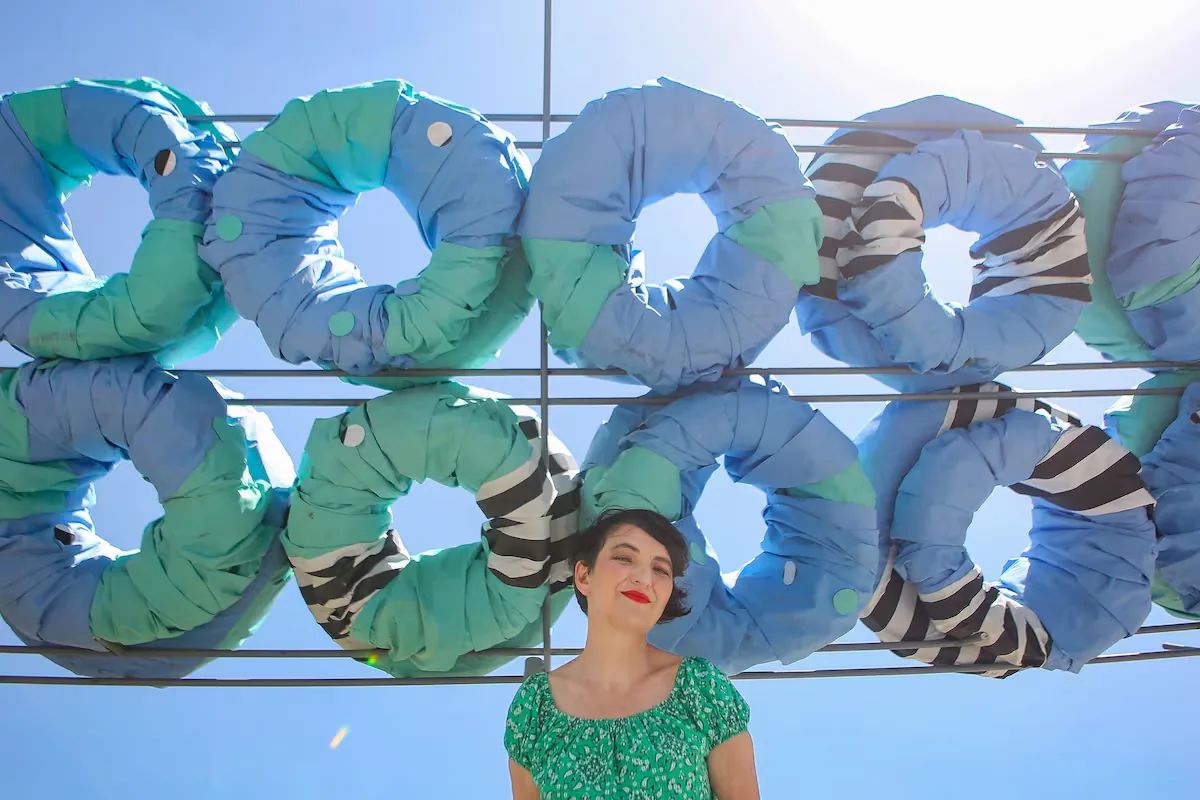
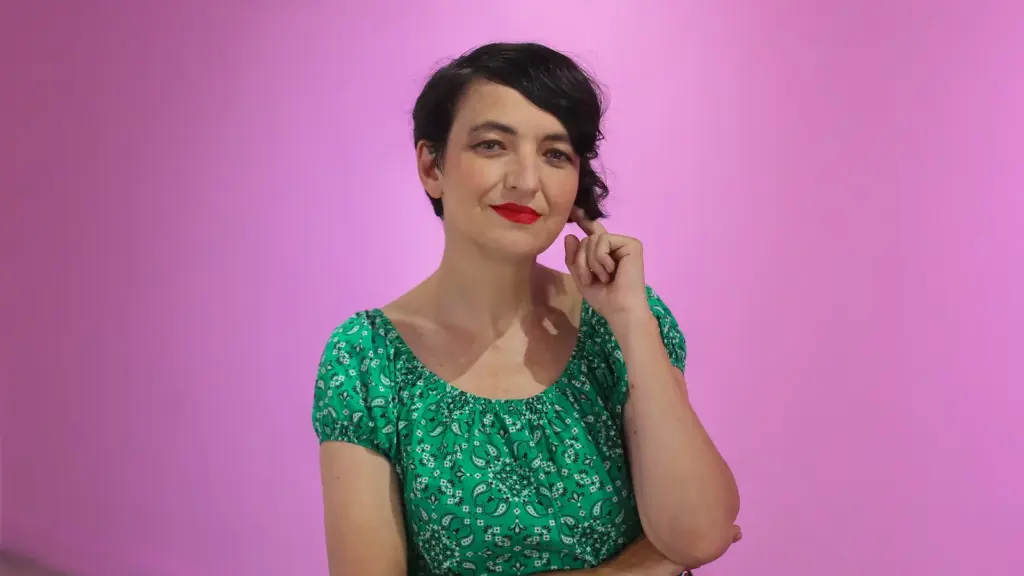
The architect Izaskun Chinchilla (Madrid, 51 years old) draws inspiration from these ideas to think about how to live well in the city. Not only that, but also from the currents of respectful parenting, which she calls “the great political revolution of recent times.” Anyone who approaches this type of parenting will discover that its principles can be applied to any person of any age. People raised respectfully, and not under authority criteria, approach their rights and public space differently, the architect thinks, and do not fall into the “lack of trust and citizenship: that feeling that the common is not yours.” Chinchilla also applies these ideas to the city.
Thus, in her recent book Los barrios del buen vivir (Catarata), the Professor of Architectural Practice at University College London thinks about how to make a city around axes such as being born, raising, sleeping, eating, healing, playing, courting, and walking. It seems simple, but given the drift of our cities, it is not at all. Still, the text is full of current examples, projects (some from the author’s own studio), and also historical models of cities where people knew how to live well in some aspect. In times of urban crisis, it invites optimism.
For example, modernist Barcelona was a good place to raise children, as there were initiatives to facilitate breastfeeding for foundlings. 19th-century San Sebastián, when sea bathing became popular, was a good city for healing. The Harlem Renaissance, in the twenties and thirties, was an excellent moment for creativity in the African American community in that New York neighborhood. Or the English city of Bath in the 18th century, planned as an “urban salon” conducive to encounters, was a good city to find a partner.
Regarding courting — one of the most striking aspects of Chinchilla’s discourse — it is notable that contemporary cities are not usually conducive to love, and in the architect’s text there are echoes of the poem Inventory of places conducive to love, where the Asturian poet Ángel González lists the precarious places where lovers could frolic during the dictatorship, “this hostile time, conducive to hatred.” The architect imagines cities where rose gardens, spaces for dancing, dimly lit places, and aquatic proximity are recovered, in times when most courting is done online (which could explain the growing disinterest in nightlife, the traditional space for flirting). “The city has always functioned as a catalyst for social relationships and, of course, for romantic relationships,” says the architect. “Now we have packaged all that and put it into our phones.”
A city to take care of ourselves
In a seminal previous work, The city of care (Catarata, 2020), Chinchilla already denounced cities structured around vehicular traffic and focused on production, not reproduction. Everything thought for work and commodified leisure (which is like working backwards) rather than care and the good life.
Urban planners, Chinchilla now says, have made numerous mistakes throughout the 20th century. For example, when the distant garden city was favored, which made car use inevitable, or with the promotion of the open block, which destroyed the urban fabric and left empty spaces difficult to make one’s own. The peripheral PAUs are the epitome of that segregated and dehumanized city, with gated communities, little traffic, no commerce, no mixed uses. “It is necessary to truly observe how life happens, to act tentatively, beyond the initial hypotheses of the technicians,” says the architect.
Read more Price hikes and extreme heat: why the numbers of French and Germans vacationing in Spain are falling
—Have we forgotten how to build cities?
—Yes. We started from a good urban model, the Mediterranean city, compact, walkable, with public spaces adapted to the climate and an excellent mix of uses. That formula, which was well established and was our way of understanding the city, began to deteriorate in the second half of the 20th century, especially with the predominance of the car. New neighborhoods, like the PAUs, the bedroom communities, are usually not cities, but building extensions without mixed uses.
One of the latest phenomena in the urban field is the arrival of a “post-commercial” era in which many commercial ground floors, long-standing shops, close and are converted into housing or tourist apartments. Chinchilla talks about a necessary “ground floor revolution” that would consist of using those spaces in other ways now that we cannot rely on urban animation through traditional commerce. “There cannot be a systematic privatization of the ground floor; it is a great opportunity to return to good city models.”
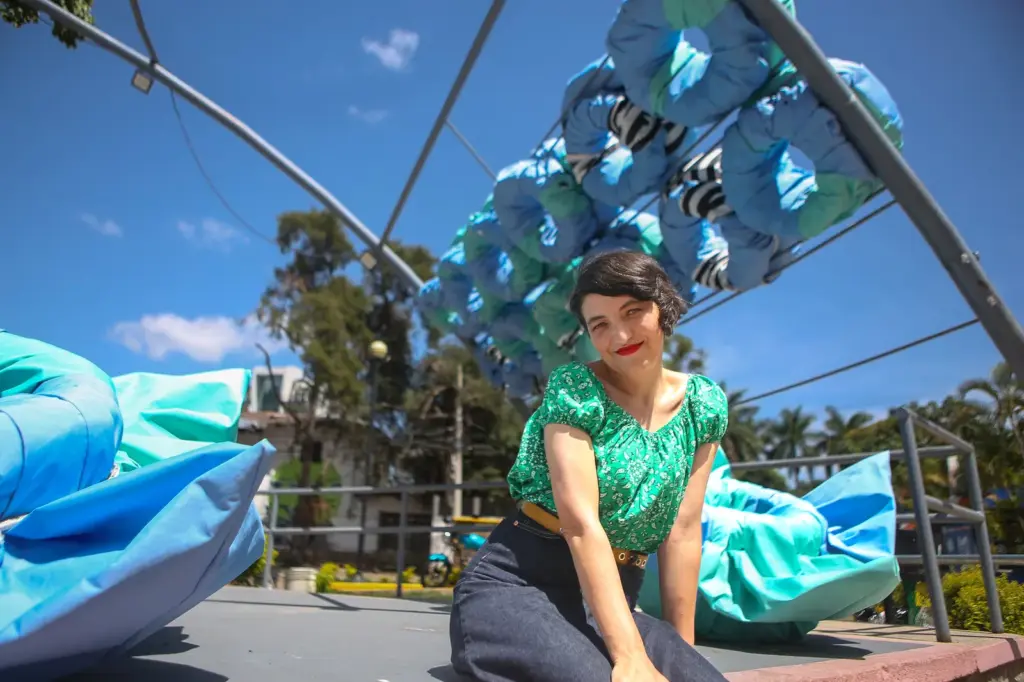
She suggests coworkings so that companies do not require daily attendance at the main office and other nearby facilities, that public facilities infiltrate neighborhoods again on a closer scale. And hold the private sector accountable: “If a multinational sets up its offices in a traditional neighborhood, it can compensate for the impact by investing in community rights. For example, company cafeterias can serve neighbors low-cost menus,” the architect thinks.
—It can be understood quite intuitively what is good in a city: few cars, green, clean air, water, shade. However, many times it seems the opposite is sought. Why?
—There is a very strong real estate profit tension acting in the city. It is absolutely conditioning all decisions. During recent decades the city has not been planned thinking about the citizen’s quality of life. The good city seems intuitive because we lived in cities that worked well. There are thousands of towns like that! But now what is sought is greater economic return.
Against Chinchilla’s proposals, many large cities seem obsessed with competing in the global market of urban narratives, attracting attention, tourism, investment, like the global cities theorized by Saskia Sassen, magnets for all kinds of flows, always thinking about those who look from outside rather than those who live inside. “There is a very important interest in cities. That has generated the idea of rankings of popular cities for different reasons and mayors want to be there. But Spanish cities are already among the most attractive in the world, but because of the lifestyle we have built in community,” says Chinchilla. “If we do not stop looking outward, we will destroy that coexistence model that makes them attractive. But I am optimistic because I believe citizenship is awakening.”
Read more No shelter from the precarization of rent: «It is affecting people of all ages»