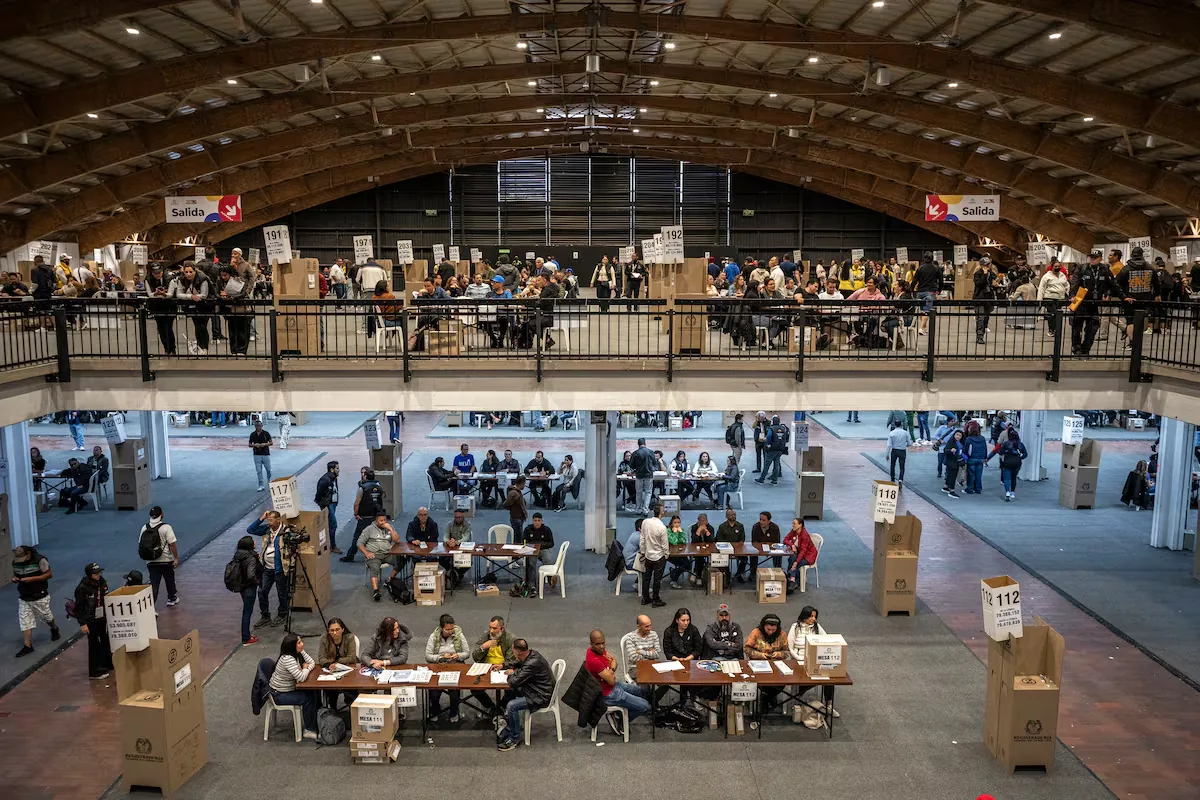

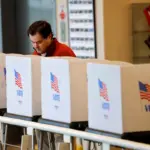

Four years minus a few days ago, on June 16, 2022, I began an article with these words: “Finally, the dirtiest, most bilious, most irate, and most repugnant campaign I can remember is coming to an end, and this is written by someone who lived very close to the hell before the 2016 plebiscite.” A reader sent me those words just yesterday with a message that said: “It doesn’t matter when you read this.” And it is true that the same can be said of this campaign that ends with our vote today, but lately it seems to me that something has worsened this time: the first round feels like it is the second.
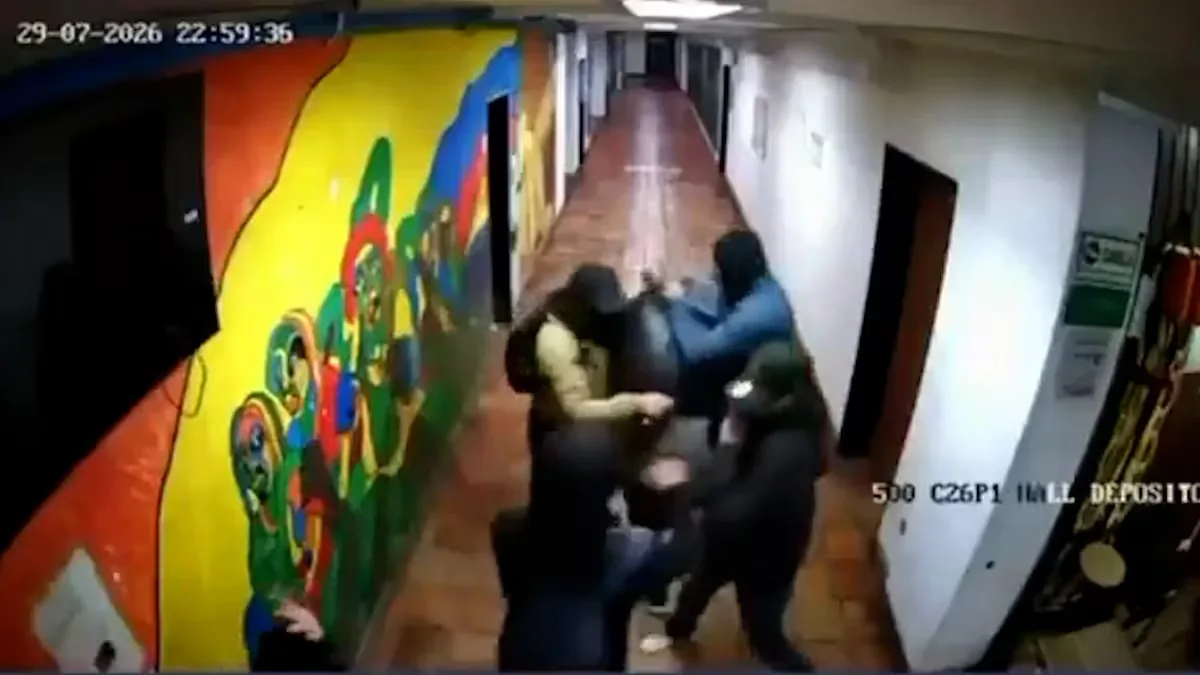
Anyway, it is true: there has been bile and rage and foolishness and poison in what has become the routine of going to the polls. Campaigns are like this in Colombia, and it doesn’t seem like we can get out of these perverse dynamics. We have seen people with a certain degree of influence play at shooting the president; we have seen candidates promise to gut their opponents; even those of us who are not in the toxic sewer of social networks, great culprits of the poison we live in, have felt the general climate of explicit contempt and contained violence that these weeks have been. Contained violence, I say, but I correct myself: because we cannot forget that the starting point of this campaign is the cowardly and atrocious murder of Miguel Uribe Turbay. That so many have already forgotten it, or that on top of that fire others have wanted to pour more gasoline, is another symptom of the rot we Colombians live in today.
I was going to start this article proselytizing, as so many other articles will do this Sunday and as so many have done in recent weeks. I was going to start by saying why my vote will be for Sergio Fajardo, why I think considering him the best candidate and not voting for him is an act of civic cowardice or political renunciation, why I believe the vote should reflect our convictions and not our fears: and so on, and so on, a long etcetera. I was going to talk about the much-talked-about useful vote, and my conviction that a vote is only wasted (only the useless vote) when it is cast obeying others: those who want us to vote according to the polls; those who want us to vote already for the supposed lesser evil. I was going to say why that vote, which I can only call blackmailed, is problematic in a democracy. I was going to say, falling off the cliff of naivety, that the vote is not only a civic right but an ethical gesture. Small and almost invisible, yes: but we have no other, because that is how democracies work.
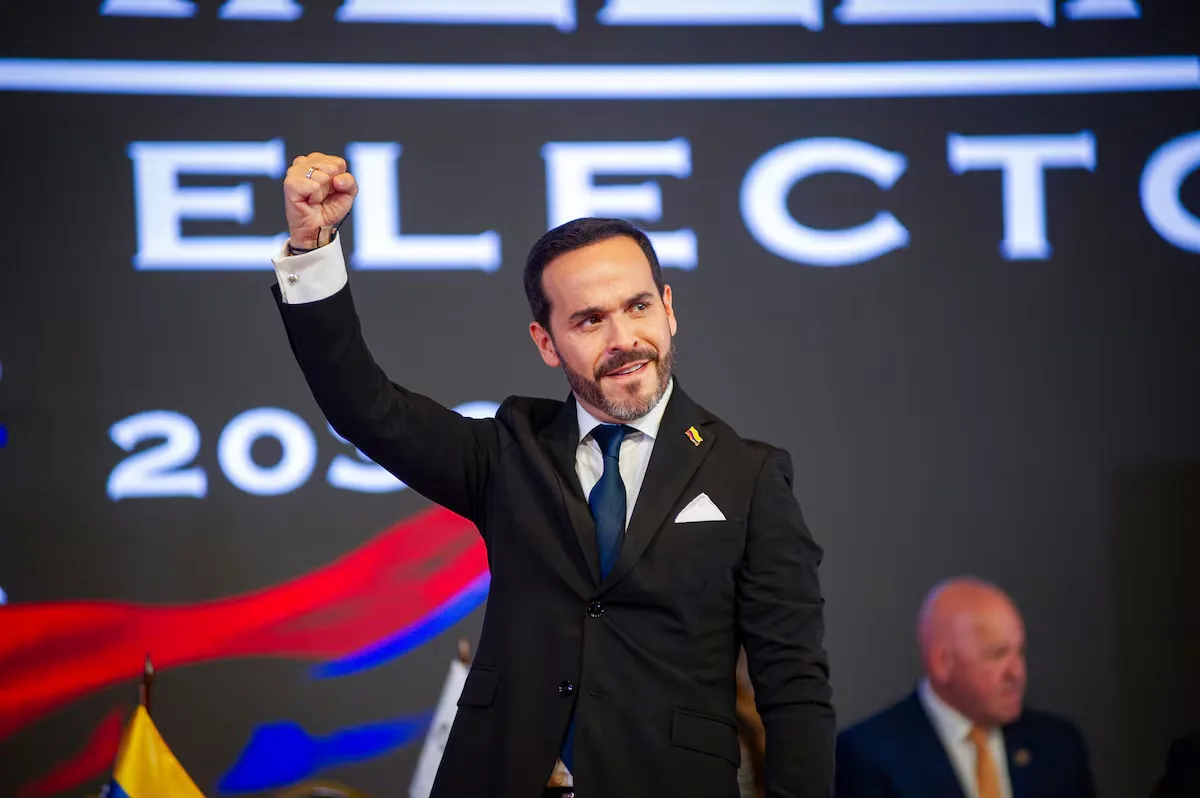
I was going to recall, to get out of abstractions that no one is interested in, that the percentage of undecided voters has grown notably in recent weeks, and according to some figures it approaches 28%. I was going to wonder if that figure only speaks to people who are not clear about whom to vote for; I was going to argue that it is not so, that that figure also includes those who were clear but have changed their minds due to some recent event (for example, the same candidate of crudeness who asks a female journalist to look closely at his package). I was going to conclude that that 28% of undecided voters may perhaps come out with something that the polls are not seeing. I was, in short, going to try to explain why this form of the left that Petro has invented in the last four years seems so problematic to me and why this right that Abelardo de la Espriella has invented seems so disastrous and dangerous. I was going to wonder what it says about us that a character of his caliber is a desirable candidate for so many people. Because no: De la Espriella has not only been produced by visceral hatred of Petro. He has also been produced by the admiration this society feels for caricature machismo, schoolyard bullying, frivolity, ostentation, insubstantiality, and crudeness.
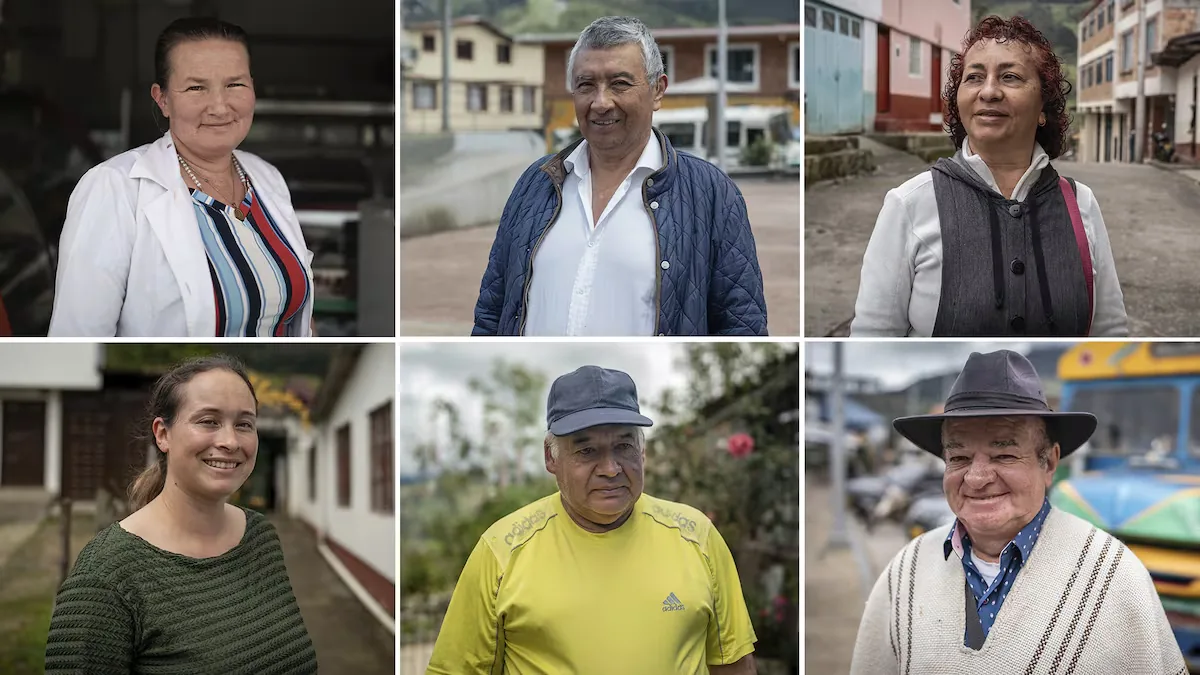
But I am not going to do any of that. I propose another conversation: a conversation about what is coming upon us. I have discovered that many are already beginning to foresee that the elections will leave wreckage; they are already beginning to see how we can repair it. And they are right, it seems to me. No one knows what will happen today, but in a certain sense it doesn’t matter: we can already sense what will happen over the next four years. We know that this electoral campaign leaves us – just like the campaign four years ago, just like the one eight years ago – a more broken country, more at odds with itself, more entrenched in its war mentality: a country where one half considers the other half its fierce enemy, where one half thinks of the other half as a death threat and even says so, where one half is willing to condone or justify violence committed against the other half, and sometimes even proposes it.
What I want to say is this: the current climate is the product of years and years in which the leaders of the sects – Uribe, Petro, and their respective tin soldiers – have disciplined themselves to poison and divide, because no one seems to have enough imagination to invent another way to come to power (or to stay in it, or simply to defend themselves from persecution). Today we live in the result of the deterioration caused by them; but today another deterioration begins. And in four years, unless we do something, we will be in the same place. Think about that too when you go to vote.
Read more Paloma Valencia: “If I had been Generation X, I would have been an influencer”