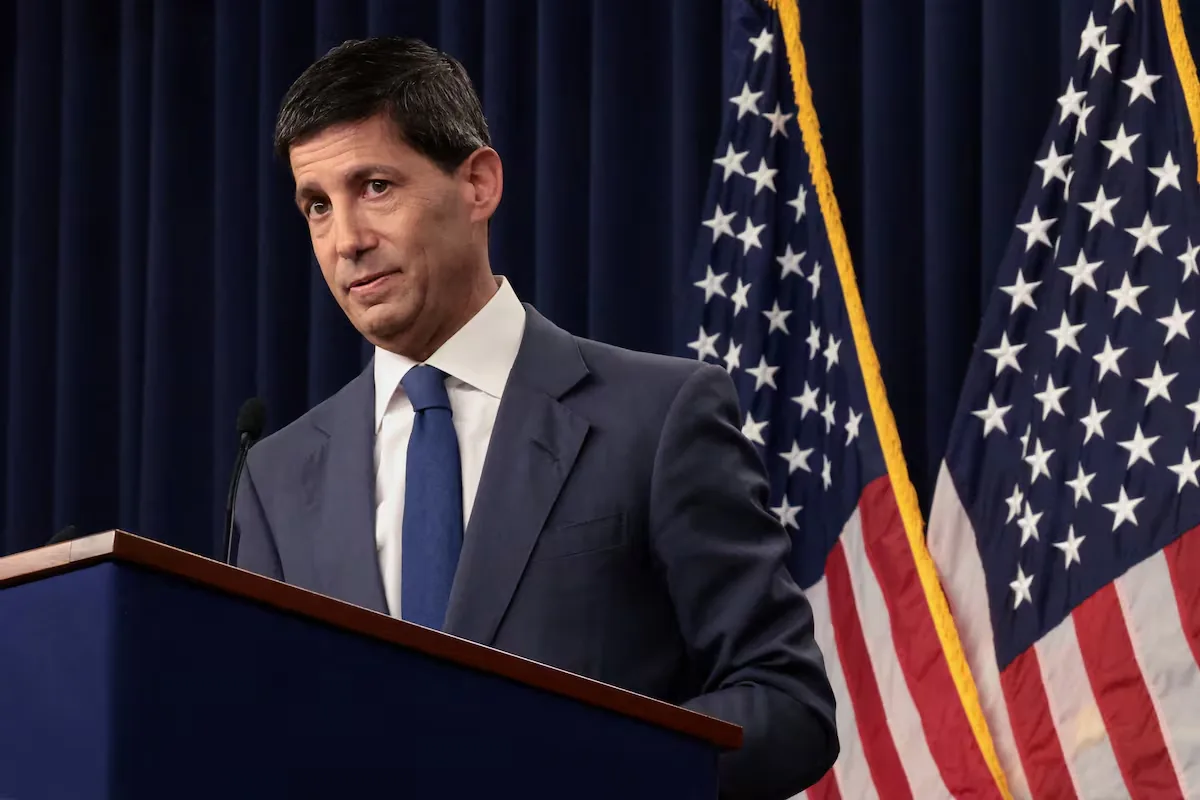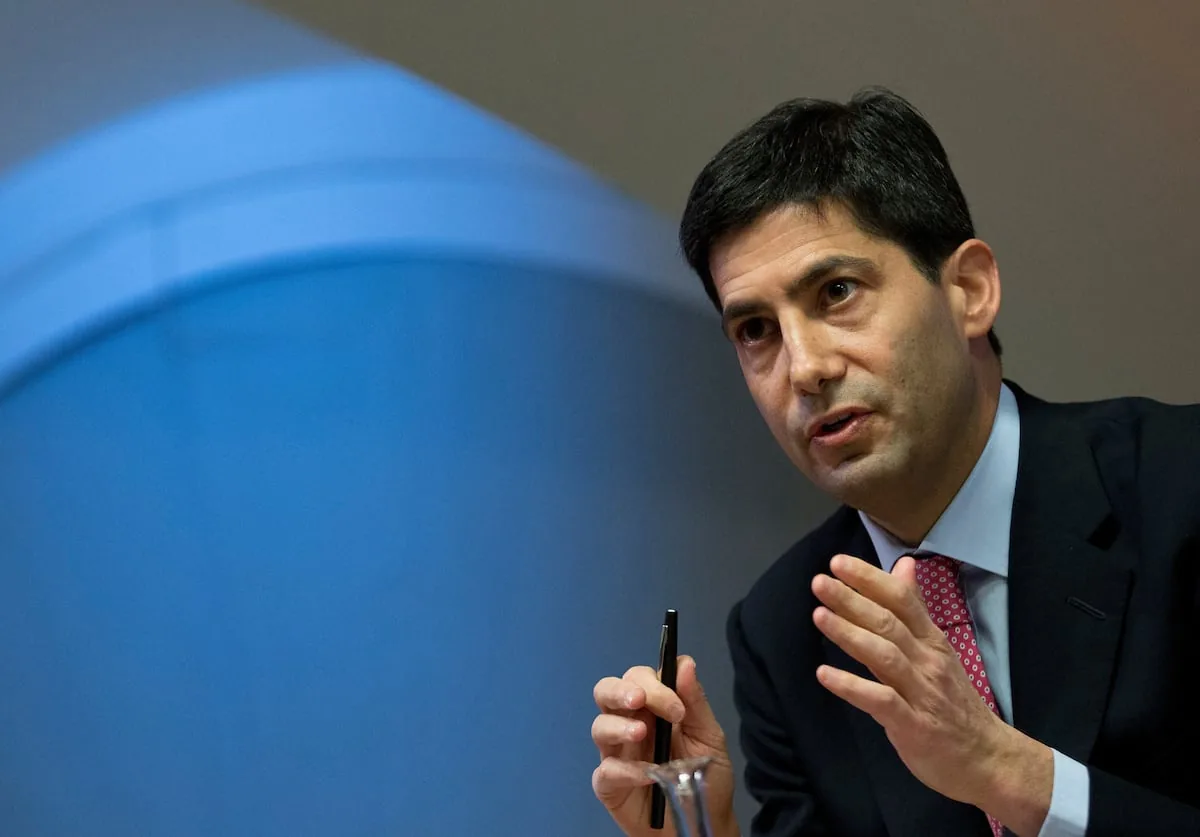
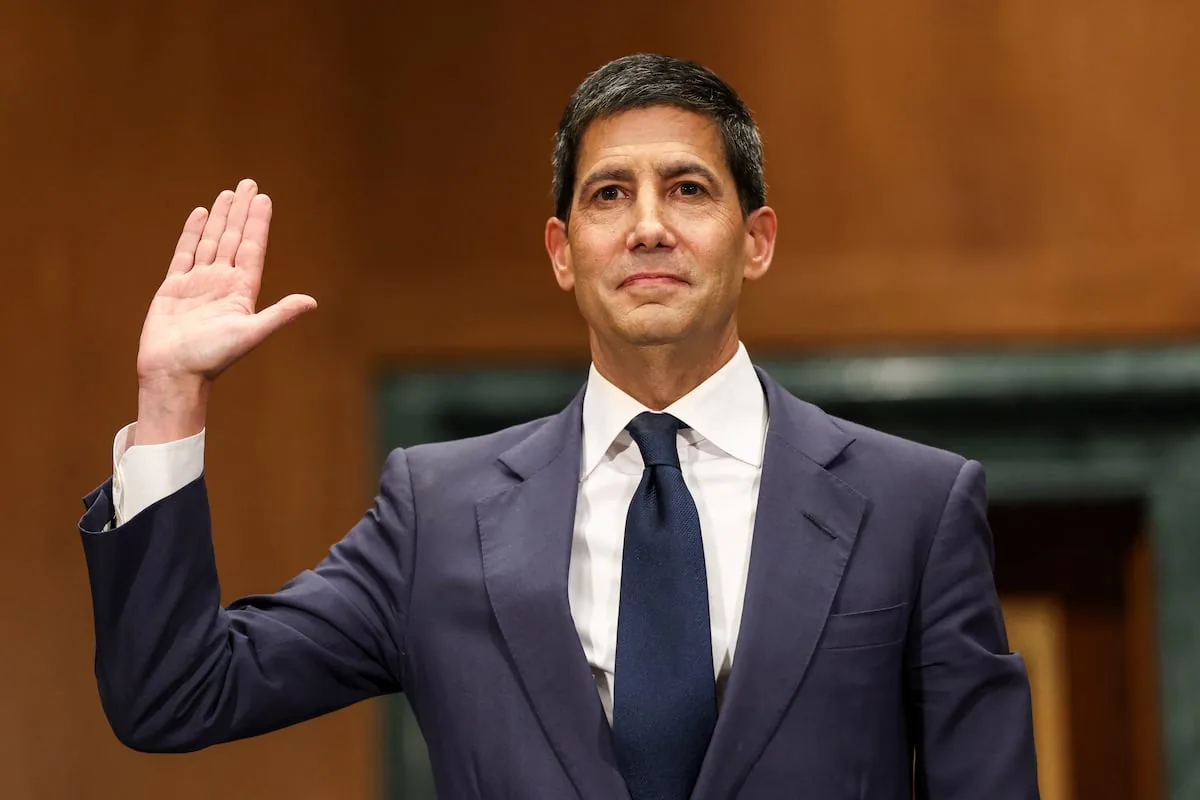
Kevin Warsh, born in Albany, New York, 56 years ago, experienced one of the decisive moments of his career this Tuesday. The candidate of US President Donald Trump to chair the Federal Reserve appeared before the influential Senate Banking Committee to defend his nomination, a process that seems unlikely to be short due to discontent among some legislators over Trump’s pressures and doubts about his interferences.
Read more Real Madrid — Alavés live, the LaLiga match live
In that context, Warsh appeared before the senators with a plan to defend the Fed’s autonomy against the frequent habit of the occupant of the Oval Office of meddling in monetary policy matters. Although he has insisted repeatedly that he will remain independent, he did not have an easy day facing the senators’ sharp questions.
―“Are you going to be a sock puppet [sock puppet] for the president?” asked Senator John Kennedy, Republican from Louisiana.
―“Absolutely not,” Warsh replied—.
―“Are you going to be anyone’s puppet?” Kennedy insisted―.
―“No. The President has nominated me for the position, and I will act independently if I am confirmed as Chairman of the Federal Reserve,” concluded the candidate to chair the Fed.
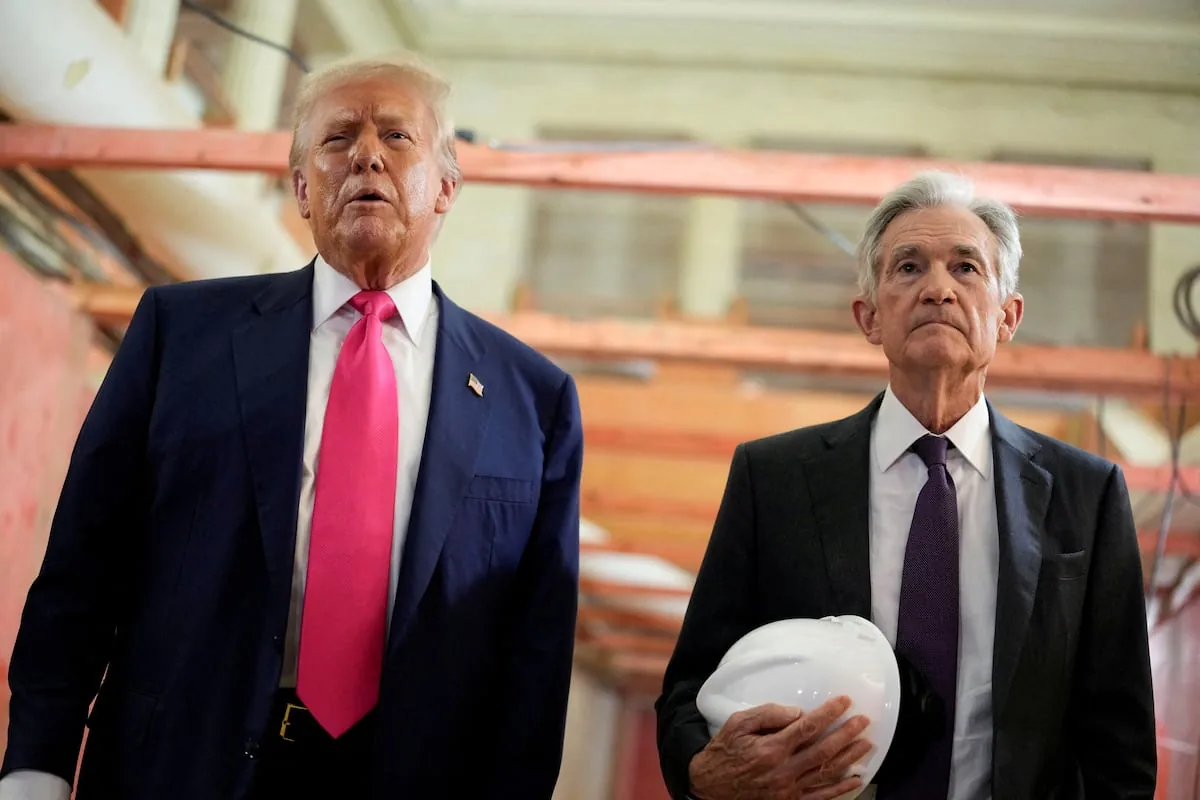
Warsh’s response came just a couple of hours after the US president stated in a CNBC interview that he would be disappointed if Warsh did not cut interest rates “immediately” once officially appointed. “We should have the lowest rates in the world,” the president added, insisting on keeping open the investigation into current Fed Chairman Jerome Powell over the cost overruns of the institution’s headquarters renovation.
With those prior words from Trump, Warsh’s role was not easy before the 24 legislators (13 Republicans and 11 Democrats) who will have to decide if he meets the requirements for the position of Fed chairman.
“Let me be very clear: monetary policy independence is essential,” Warsh proclaimed during his opening statement. “Monetary policymakers must act in the nation’s interest. Their decisions are the product of rigor, deliberation, and decision-making free from interference; and, as Senator Warren stated, I do not believe that monetary policy independence is threatened when elected officials express their views on interest rates,” he added in an attempt to clear up doubts about the Federal Reserve’s autonomy.
Warsh, who was already a Fed member between 2006 and 2011, in the midst of the financial crisis, is known for his close ties to Wall Street, where he maintains strong friendships since the beginning of his professional career at the investment bank Morgan Stanley, after graduating from Stanford University. “The president never asked me to predetermine, commit, set, or decide on any interest rate in any of our conversations, nor would I ever have agreed to do so,” Warsh stated in response to another question from Kennedy.
Read more The PP proposes to lower the income from 1,800 to 900 euros to declare a family vulnerable
Despite his defense of the office’s autonomy, his nomination will not be immediate. Republican Senator Thom Tillis of South Carolina warned during the hearing that he would block the nomination as long as the Department of Justice (DOJ) criminal investigation into Powell over the cost overruns of the Fed’s headquarters renovation remains open. “If we were to jail every federal government official whose budgets had been exceeded, we would have to set aside an area roughly the size of Texas for a penal colony because of the way government projects work,” Tillis stated during his questioning. The veteran Republican senator assured that, were it not for this issue, he would support Warsh, whom he considers a good candidate. “We have to end this bogus investigation,” he demanded.
Analysts are beginning to calculate when Warsh will finally be elected. Powell’s term concludes on May 15, but there are serious doubts that his replacement will have Senate support by that date given Tillis’s unyielding stance, who has said he will retire at the end of this term, which gives him more independence. And, on the other hand, because of Trump’s insistence on keeping the Attorney General’s investigation open. Some fear that if Warsh is not elected before July, he may have to wait until after summer to see his confirmation.
One of the high points of the debate was the exchange between Democratic Senator Elizabeth Warren and the candidate for the Fed chairmanship. When the senator from Massachusetts asked him if he believed President Donald Trump lost the 2020 election or if there was fraud, as the president claims, Warsh refused to answer. “If I am confirmed, we will try to keep politics out of the Federal Reserve,” the candidate merely said. But Warren insisted on the question. “I need to gauge your independence and your courage,” inquired the Democratic legislator, who became the biggest opponent of Warsh’s appointment. “I believe this body certified that election many years ago,” Warsh said, trying to sidestep the issue so as not to contradict the President of the United States, who maintains, without evidence and despite courts not siding with him, that the 2020 elections were stolen from him.
But it was not the only clash between Warsh and Warren. The senator was interested in knowing details of the candidate’s fortune of over 100 million dollars and cast a shadow of doubt on Warsh’s dealings with Trump. The candidate assured that he had met the requirements of the Senate ethics committee and refused to offer more details, citing a confidentiality agreement, but promised to divest from any investments that could pose a conflict of interest.
Beyond matters unrelated to monetary policy, Warsh advocated for a “root-and-branch reform” of the Fed. He made it clear that he does not believe in forward guidance, the guidelines on future decisions of central banks. He argued for gradually reducing the Federal Reserve’s balance sheet. He said that a policy initiated 18 years ago cannot be eliminated overnight. But he indicated that he would reduce the long-term debt held by the institution.
He also advocated for a more pragmatic approach to inflation, moving away from current data, which he considers obsolete. And he criticized central banks’ overreaction to specific economic disruptions. “It is important for the central bank to collaborate with the government in areas where there are points of convergence. Therefore, I believe it is very likely that this will happen in the future,” he said. When asked about affordability issues and the cost-of-living crisis impacting American families’ pockets, he said: “Central bankers should not question what people feel and perceive in their own lives; people’s experience is important to them. What I can affirm is that the central bank has some responsibility regarding the situations you have described. The legacy of inflation, what I consider the biggest economic policy mistake in 40 or 50 years, occurred just a few years ago, and we are still dealing with its aftermath.” He was referring to the economic responses to the pandemic crisis.
Finally, he made clear his vision on artificial intelligence. “This is the most disruptive moment in modern economic history in the United States and the world,” he noted, arguing that AI will lead to large increases in productivity that will allow for much lower interest rates.
Read more The Community of Madrid will study the value of the tram rails found in Puerta de Alcalá