



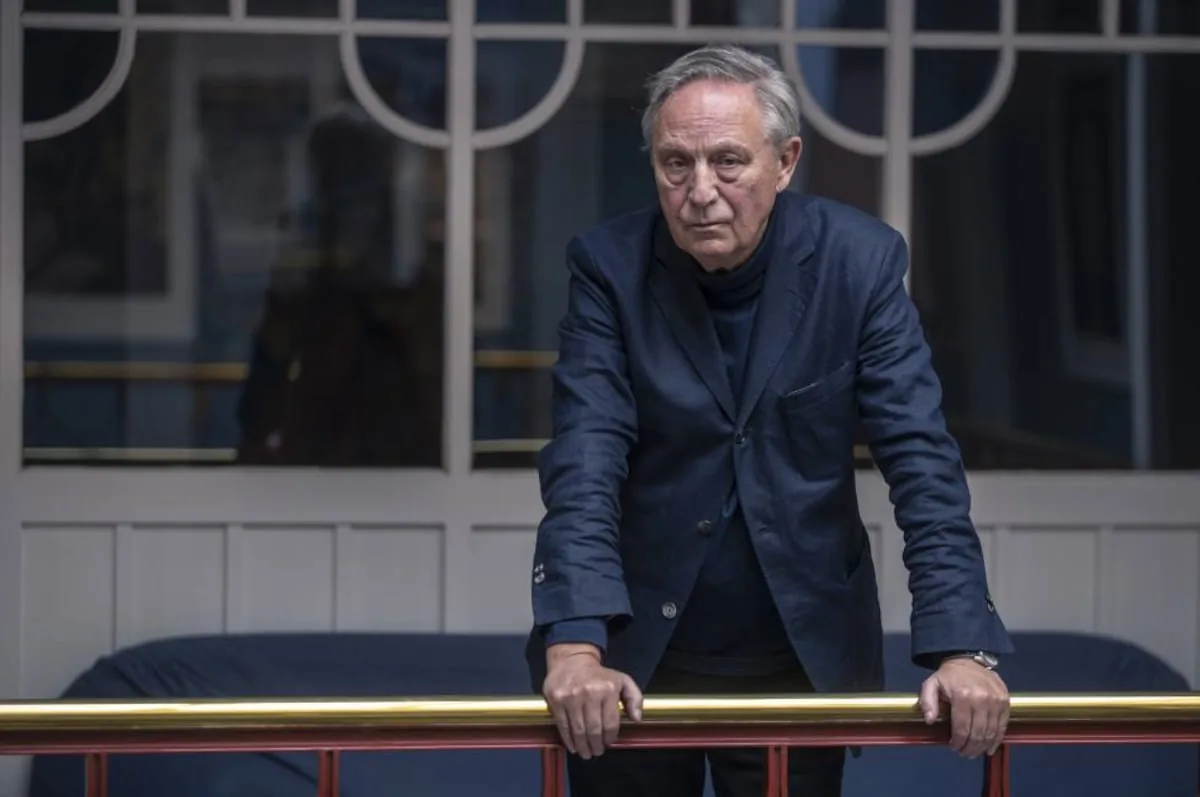
Amid the chaos sweeping Cannes, the death of Polish screenwriter Krzysztof Piesiewicz, the man behind all of Kieslowski’s film scripts, has gone unnoticed. He passed away at the age of 80. It was the Iranian Asghar Farhadi who publicized his death, because it was Piesiewicz who offered him the project to adapt a chapter of Kieslowski’s The Decalogue. “When I arrived [on Thursday afternoon] at the red carpet,” the Persian filmmaker confessed at his Parallel Stories press conference, “I received a text message announcing his death. At that moment, I felt his spirit possessed me.”
Read more ‘The author’: the system always wins
Kieslowski’s cinema, a great of European cinema and a creator who “always felt compassion for his characters,” as Farhadi described him in Cannes, cannot be understood without Piesiewicz’s scripts and Zbigniew Preisner’s music. Together they formed a fundamental film corpus.
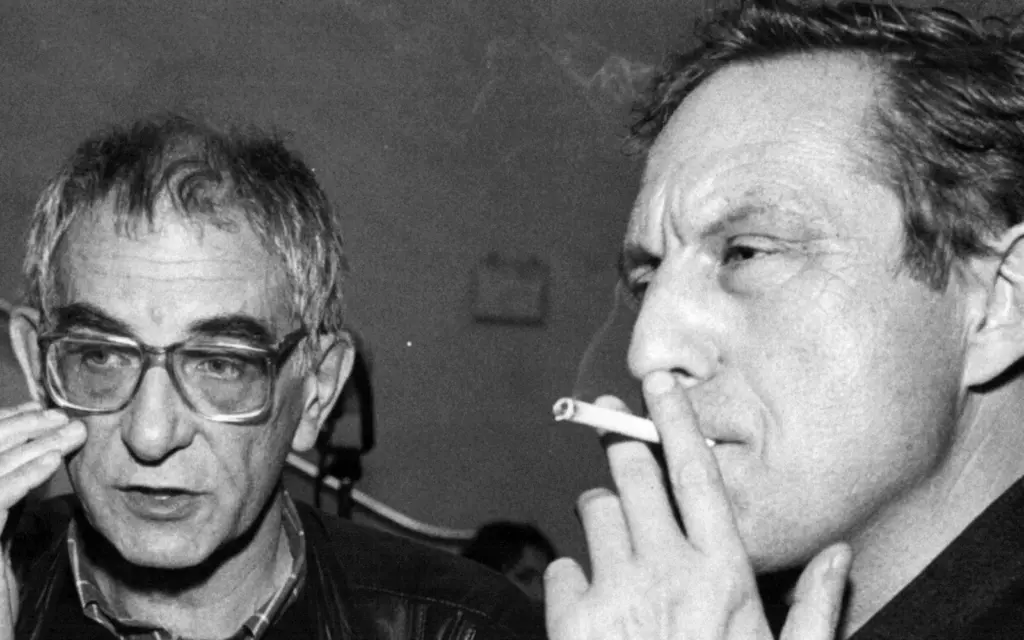
Piesiewicz joined that cinema, as human as it was painful, by chance. At 35, the screenwriter was a prestigious lawyer. He participated in the most high-profile trials, defending opponents of the communist regime and members of the Solidarity union. “I often wonder what my life would have been like if I hadn’t changed professions,” he said in 2019, when presenting a series at the Spanish Film Archive.
One day, Krzysztof Kieslowski appeared in the courts: he wanted to shoot a documentary about political trials during martial law. Piesiewicz convinced him to do it as fiction. Thus they co-wrote No End (1984), the beginning of a long collaboration that produced Do Not Kill (1988), Do Not Love (1988), the miniseries The Decalogue (1989), The Double Life of Veronique (1991), and the trilogy Three Colors: Blue, White, Red (1993-1994). They changed the history of European cinema.
“I have been nominated for all kinds of awards [I reached the Oscars with the script for Red], I have walked the red carpets of numerous festivals, but this world never moved me. And I have never experienced greater satisfaction than when I learned that at Harvard Law School, second-year students were made to analyze The Decalogue. I used to philosophize a lot in courtrooms, and now finally in one place in this world law and deep analysis of human nature come together.”
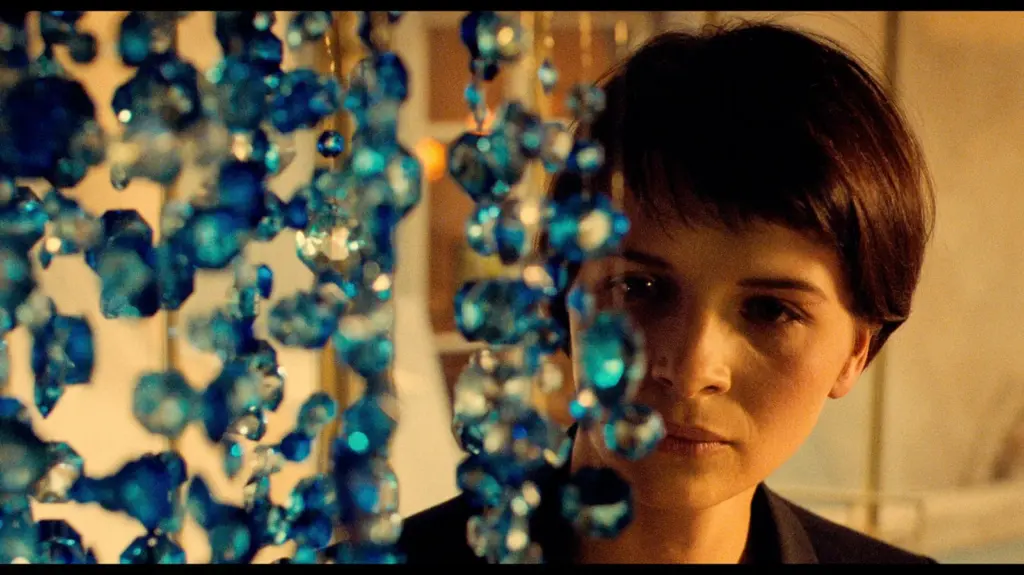
Kieslowski died of a myocardial infarction in 1996, at 54 years old. He had just retired from cinema, and Piesiewicz became his spokesperson on Earth. “When he retired, I sent him a letter saying he couldn’t do that, because his cinema was above himself, he had created his own community of viewers. Everyone asks me about him every day.” Piesiewicz wrote a book in 2019, From the Endless to the End, about how they collaborated on their works. He wrote it in simple language because, he assured, “today there is an overanalysis of his films, when what we told were basic, human, prosaic stories. The important thing is simple.”
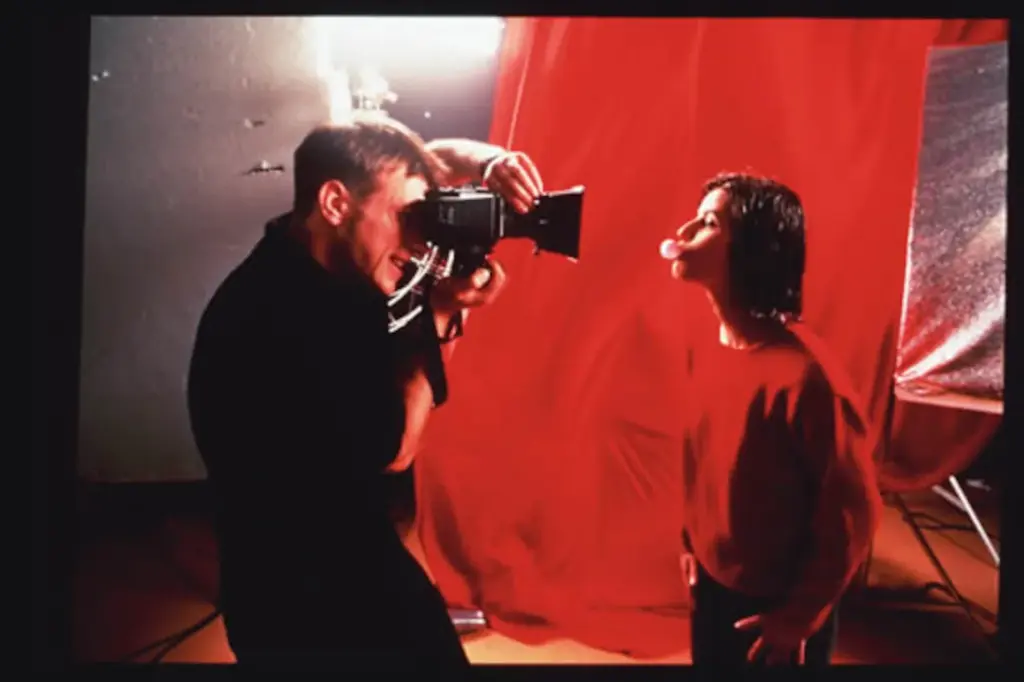
Before the director’s death, the pair had finished the scripts for another trilogy: Heaven, Purgatory, and Hell. Piesiewicz oversaw those shoots, although no one was like Kieslowski. “They were good films… but they were not the same. We worked together every split second of a film’s production. Krzysztof said that the fundamental thing in a film was the tone and treating the human being with understanding, giving all characters their chance.”
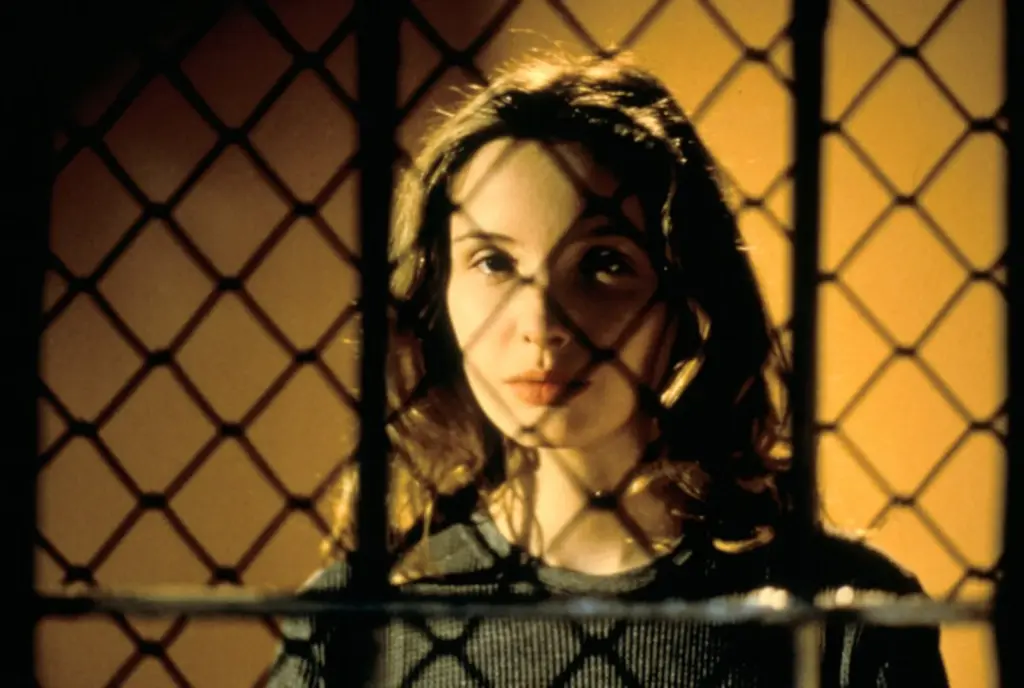
About that filmography, the screenwriter said in Madrid: “The strength of our cinema was based on not judging anyone, questions were asked, answers were never given. It was an ethical cinema rather than a moral one. When two people meet on screen, ethics arise, and morality takes a back seat.” How did Piesiewicz see current cinema? “Full of egotistical directors, without Kieslowski’s ethical dimension. Everything is done for some cause, because it’s fashionable, there is a lack of sincerity. There is no shock or focus on the screen.”
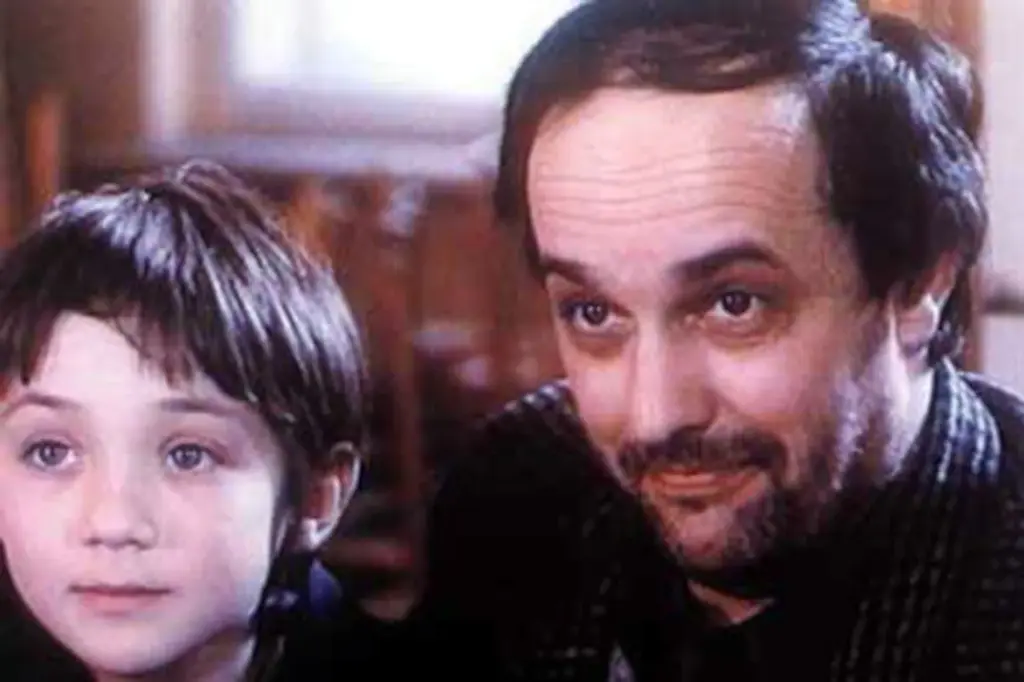
On his last visit to Spain, he said: “I was born in a devastated Warsaw. I have suffered authoritarian regimes. At the end of the eighties, I thought, naïve as I was, that an era had ended. So I know perfectly well the process that is repeating now.” After Kieslowski’s death, Piesiewicz dedicated himself to overseeing their joint work, although he almost abandoned cinema: he only made one more feature and one short. He focused on politics — in 2011 he decided not to run for re-election to the Senate and retired — and on writing.
Nevertheless, he fondly remembered his time as a lawyer: “My work as a defender brought me more satisfaction; I lived with the feeling of doing something important. Cinema, on the other hand, is an illusion, and current Justice is just a hollow structure that serves to deceive us and make us believe in its existence.” His last work was proposing to Farhadi the revision of The Decalogue (the Iranian accepted, although he preferred to focus exclusively on the sixth chapter), whose premiere at Cannes unfortunately coincided with his death.