Ceuta continues trying this Wednesday to recover something resembling normality and is still adapting to the return to classrooms, after the massive influx of migrants the city experienced at the end of July. The Prime Minister, Pedro Sánchez, faces off again with the opposition leader, Alberto Núñez Feijóo, in a government control session in Congress, marked by the migration crisis. Feijóo has accused him of “failing to protect his country” in the face of an “aggression consented to or driven by Morocco,” in relation to the Ceuta crisis, and of “not being a free president” for “depending on the silence of too many people.” Additionally, the government will make public today the reports it received between July 1 and August 1 from the National Police, the Civil Guard, and the CNI regarding the migratory pressure in the city. Meanwhile, the Foreign Minister, José Manuel Albares, remains in Brussels, where he will meet with the High Representative of the Union for Foreign Affairs and Security Policy, Kaja Kallas; the European Commissioner for Trade, Maroš Šefcovic; and the Commissioner for the Mediterranean, Dubravka Šuica, to request that the participation of Ceuta and Melilla in European institutions be strengthened.
Read more The five fatalities of the plane crash in Miami were in a van for cleaning staff
EL PAÍS offers the latest on the migration crisis for free. If you want to support our journalism, subscribe.
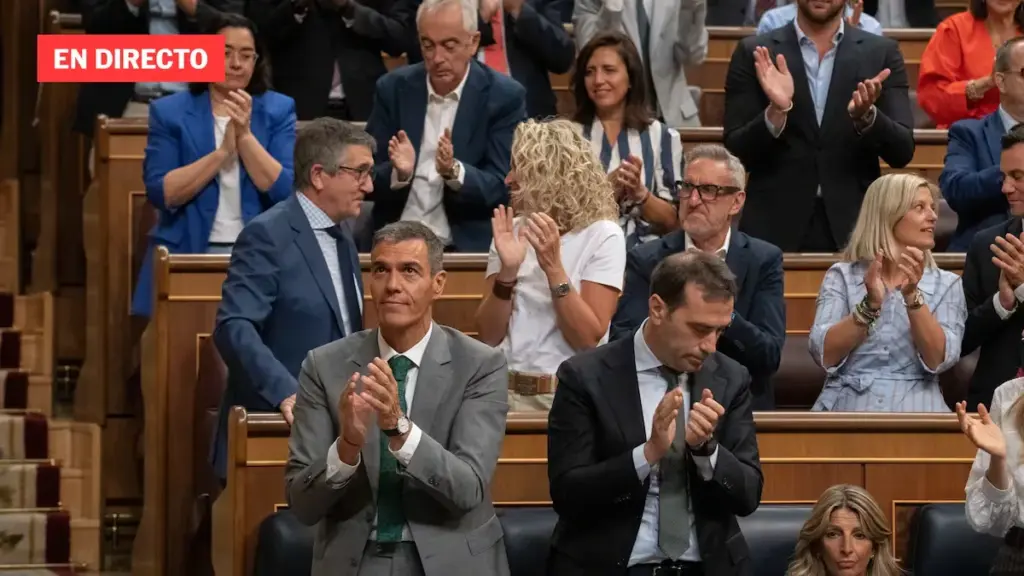

Feijóo accuses Sánchez of “failing to protect” Spain in the face of an “aggression consented to or driven by Morocco”
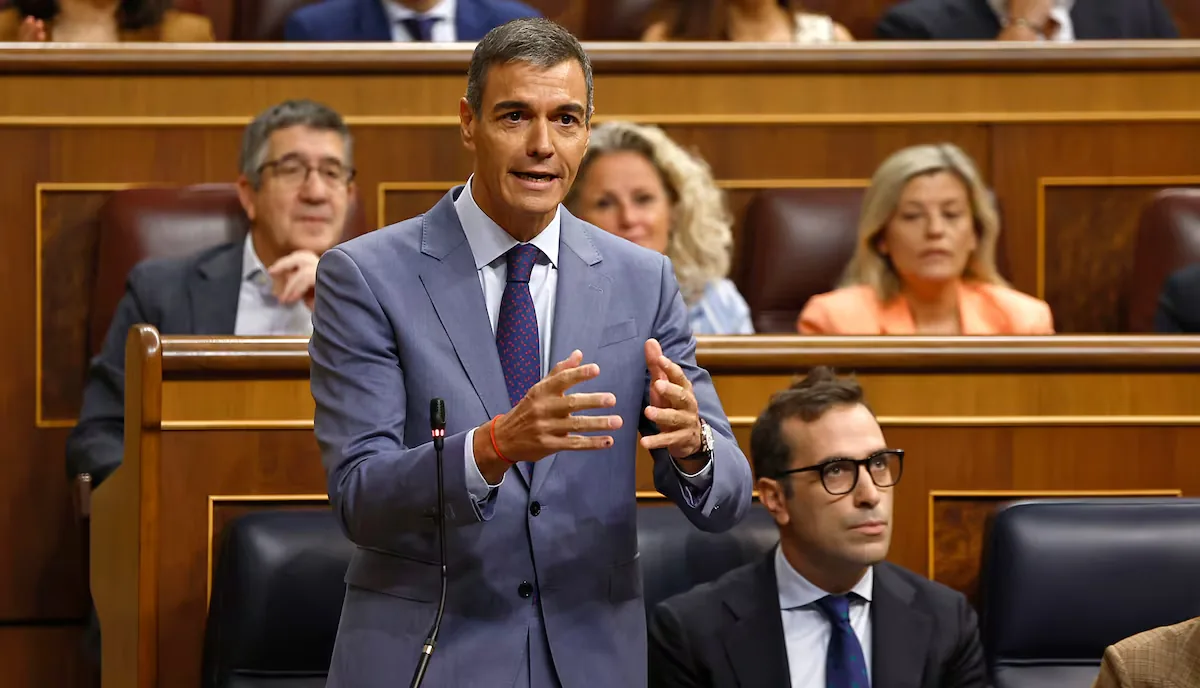
The PP leader, Alberto Núñez Feijóo, has accused the Prime Minister, Pedro Sánchez, of “failing to protect his country” in the face of an “aggression consented to or driven by Morocco,” in relation to the Ceuta crisis. In an exchange mixing topics such as the Supreme Court’s decision to suspend the voting rights of naturalized citizens under the grandchildren law or Spain’s poor performance in the PISA test, Sánchez accused him of “curtailing the voting rights of thousands of Spaniards.”
Patxi López, on the Supreme Court’s precautionary measure: “It’s nonsense that raises doubts about our democratic system”
By Juan Molina
Upon arriving at the chamber, the Socialist spokesperson in Congress expressed his displeasure with the Supreme Court’s precautionary measure on the grandchildren law. “It’s nonsense that raises doubts about our democratic system,” he defended.
López stated that the declassification of documents to be made this Wednesday about Ceuta will only serve to clarify “what was already known.”

column
Ceuta: the vivid image of a defeat
The Holy Office of Polarization has ruled that the tragedy of Ceuta can only be defined in two mutually exclusive ways. Depending on which side of the wall the speaker stands, they will say it is an attack and a violation of Spain’s territorial integrity, as Pedro Sánchez said at the beginning, or a humanitarian crisis, as the same (the same?) Pedro Sánchez said later in Congress.
You can read the full column here
MIGRATION CRISIS
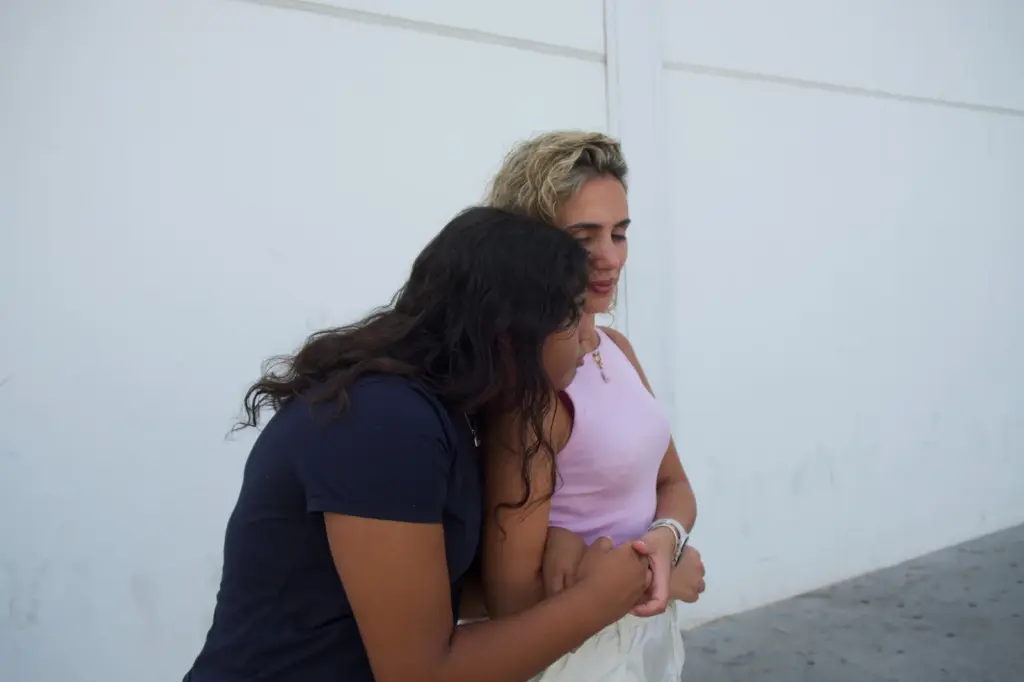
Assaults due to confusion in Ceuta: “They shouted invader and tuberculous at me, they asked for my ID”
Soraya Eguizábal is 13 years old, has a Basque surname, and dark skin. She was born in Ceuta. “Well, her grandmother was also born here,” adds her mother, Fátima Taieb. It sounds like a justification, because it is. The girl was verbally assaulted at a demonstration because she was mistaken for a migrant last Sunday. She recounts it calmly, a day after it happened and also the day before returning to school: “Now I’m afraid they will insult or assault me again, I don’t know what will happen when I go back,” she says. The mother explains that the girl has gone out little since the massive influx of migrants.
You can read the full information here
Congress resumes plenary activity with a new face-off between Sánchez and Feijóo marked by the crisis in Ceuta
Read more Real Madrid escapes from itself and holds on to victory against Inter
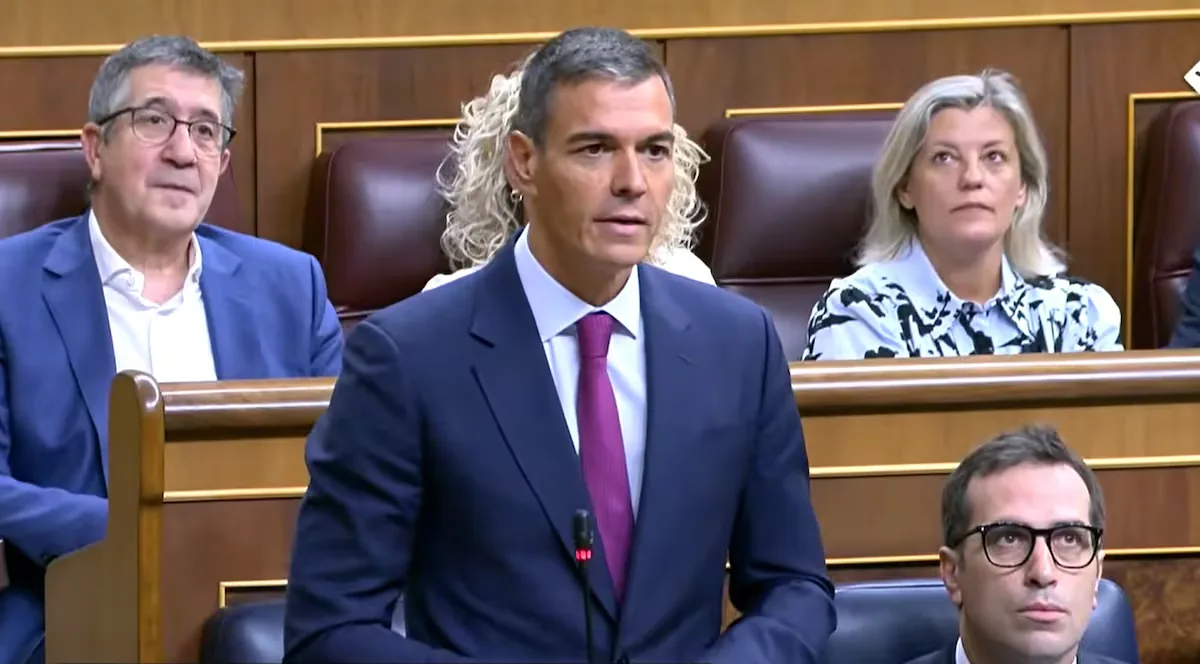
Congress resumes plenary activity this Wednesday with a new face-off between the Prime Minister, Pedro Sánchez, and the opposition leader, Alberto Núñez Feijóo, in a session that will be marked by the Ceuta crisis.
Feijóo will ask Sánchez how he will continue governing for the remainder of the legislature, while Vox leader Santiago Abascal will question whether he is being blackmailed by Morocco due to “information they have about his corruption and that of his family.”
He will also have to respond to ERC spokesperson Gabriel Rufián, who, along the same lines as Feijóo, will inquire about how he “faces what remains” in the final stretch of the legislature.
The Ceuta crisis due to the massive arrival of migrants at the end of July will be the focus of several questions and interpellations from the opposition to government ministers, who will be questioned about the management they have made from their respective departments.
The PP also wants the Minister of Education, Milagros Tolón, to respond about the educational rights of Ceuta’s students, although it is likely that the PISA report, whose poor data on Spanish students was released this Tuesday, will be one of the issues raised during the debate. (Efe)
MIGRATION CRISIS
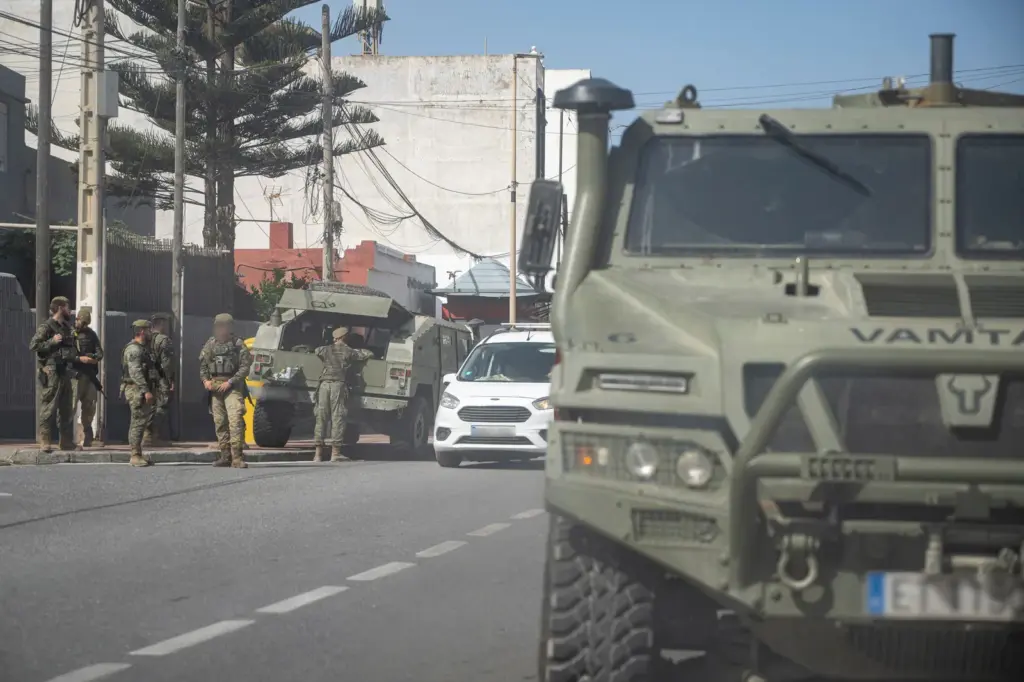
Ceuta, political truth and judicial truth
As the last legislatures have evolved, any initiative affecting the relations between the executive and judicial powers is highly sensitive and potentially inflammable material. The tendency to talk about lawfare — the use of justice for political purposes — and the General Council of the Judiciary’s tendency towards laissez faire — or leniency — with judges has possibly stunned part of public opinion in Spain, which often does not know which side to take when clashes between branches of government arise. This situation fosters a more or less widespread climate of suspicion that has long been promoting the deterioration of institutional relations and feeding citizens’ distrust in their functioning. The expression “ulterior motives” has become common usage to define the reservation that may arise regarding possible twisted intentions of all kinds of decisions, including judicial ones.
You can read the full opinion here
Good morning. We begin the live narration of the latest on the migration crisis in Ceuta, this Wednesday, September 9.
The Prime Minister, Pedro Sánchez, faces off again with the opposition leader, Alberto Núñez Feijóo, in a government control session in Congress, marked by the migration crisis.
Additionally, the government will make public today the reports it received between July 1 and August 1 from the National Police, the Civil Guard, and the CNI regarding the migratory pressure in the city.
Meanwhile, the Foreign Minister, José Manuel Albares, remains in Brussels, where he will meet with the High Representative of the Union for Foreign Affairs and Security Policy, Kaja Kallas; the European Commissioner for Trade, Maroš Šefcovic; and the Commissioner for the Mediterranean, Dubravka Šuica, to request that the participation of Ceuta and Melilla in European institutions be strengthened.
Read more Bartra boosts a Betis that debuts with a victory in Lille