







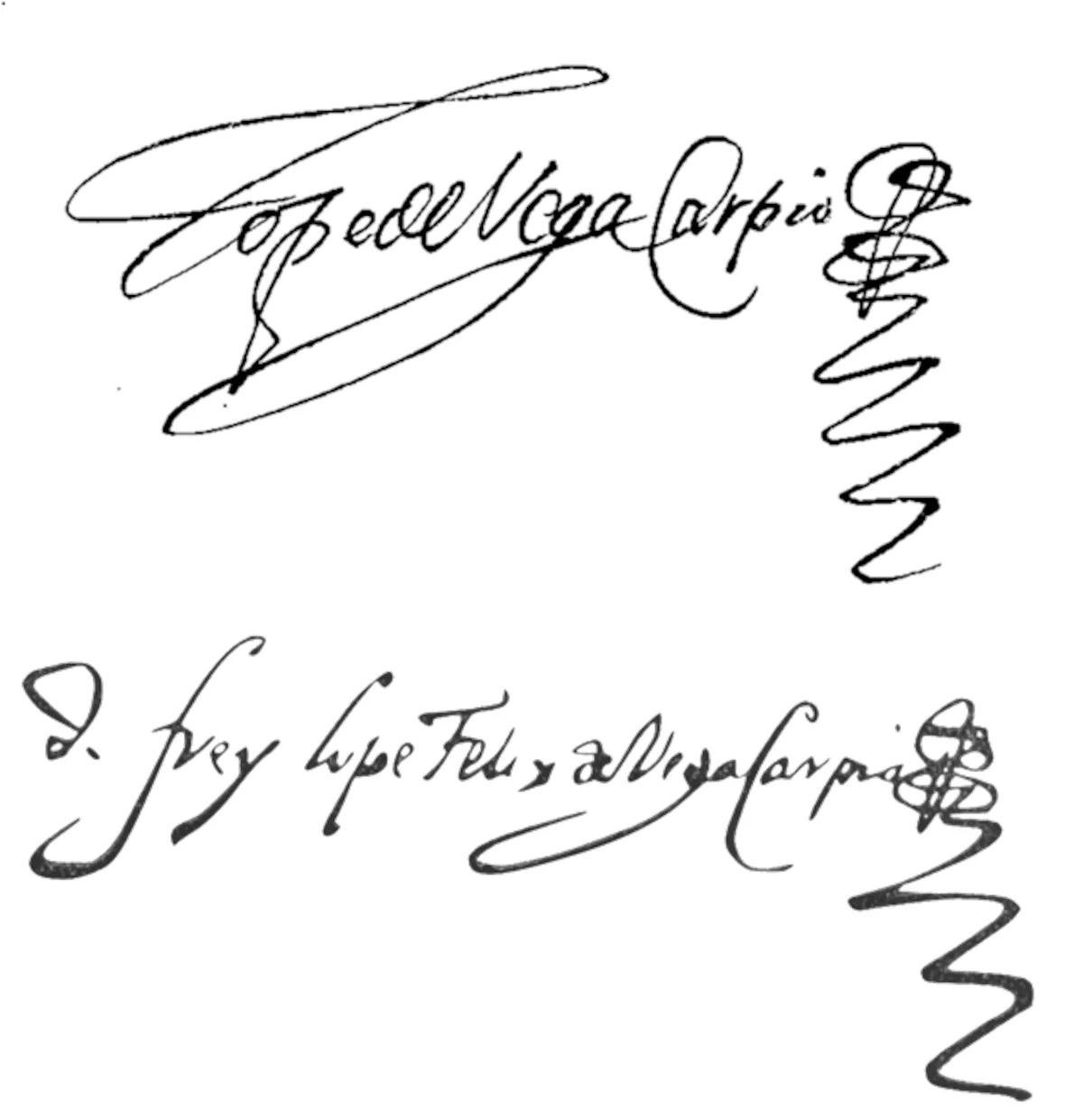
Félix Lope de Vega y Carpio (1562-1635) always maintained that he had participated as a soldier in the military adventure of the Great Armada (1588), Philip II’s failed attempt to invade England. (The naval operation was lost by the Prudent King, but the war was won, as demonstrated by the English acceptance of the Spanish conditions in the Treaty of London of 1604, which is not usually told). However, few believed the literary genius and he died frustrated that this feat of arms, which could have helped him become a royal chronicler, was not recognized. Something he never achieved. [This text is an excerpt from the weekly archaeology bulletin of EL PAÍS, ‘Four stones’.To receive the newsletter, you can sign up here].
Read more Universities and research generated 44 million per day during 2023 in greater Barcelona
But the truth is that the name of the Phoenix of Wits did not appear anywhere in the lists of soldiers and sailors who were part of the squadron, although he insisted repeatedly in letters to his friends and in the plays and poems he published that he had been on one of those galleons. Even in La Dragontea, a historical epic about the last voyage of Sir Francis Drake in 1598 — English commander and pirate in the service of Elizabeth I —, Lope made clear his experience in naval matters and expeditions against the English. He portrayed himself as a former servant of King Philip II, which could have made him a perfect candidate for some official chronicler position during the reigns of Philip III and Philip IV.
Historians until now considered that Lope boasted about having been part of the expedition to advance in a society that valued bravery. But they thought he was lying. However, it has now been proven otherwise: he was telling the truth.
Pedro Luis Chinchilla tells this in the magnificent blog Armadainvencible.org, which echoes this important finding. In March of this year, “a new document (Instance of Lope de Vega, Archive of the Kingdom of Valencia, Civil Justice, Processes, no. 4338, f. 1º) corroborates Lope de Vega’s participation in the Great Armada of 1588.” The text was found by the archivist Jesús Villalmanzo and was written during the exile in Valencia suffered by the genius. The text certifies that in 1588 Lope was absent from the city of Turia “three or four months” to participate in the naval campaign before returning again to Valencia.
Something that Villalmanzo had already suspected since last year when he published Lope de Vega, soldier in the Great Armada, published in the Journal of Military History. In this article, he reveals an unpublished document, contemporary to the events, at the request of Lope de Vega himself before the Civil Justice court of Valencia, “where it clearly appears that our national playwright confesses that he was serving the king in the Great Armada that Philip II led against England. This puts an end to the doubts that historical and literary criticism had raised for more than a century, since the multiple allusions to his participation in the Invincible were after 1598 and did not deserve sufficient guarantees of certainty to many.”
Read more Timothy Garton Ash: “The salvation of liberal democracy depends above all on us Europeans”
Although in the text, Lope “appears as a civilian, it is actually a file, where four documents are integrated: the poet’s instance, the sworn testimonies of two witnesses, and the certificate of residence in Valencia issued by the Civil Justice of Valencia, all of which support the writer’s presence as a soldier in the Great Armada of 1588.”
But what was the Madrilenian Lope doing in Valencia? The Monster of Nature, as he was also known, was arrested on December 29, 1587, accused of having spread satires against the writer Jerónimo Velázquez and his former lover Elena Osorio. He was imprisoned in the Villa de Madrid jail on January 15, 1588, and sentenced to four years of exile from the Court.
Chinchilla says that, in addition, he was accused of the abduction and possible rape of the woman who would later become his wife, Isabel de Alderete. She withdrew the charges if he married her. The wedding was on May 10, 1588.
A few days after the wedding, at 26 years old, he embarked on the galleon San Juan bound for the coasts of England, perhaps to “rehabilitate himself after so many problems with justice or perhaps to escape a new trial.” He would not return until September of that year on a galleon that docked in Galicia.
Read more The Government awards the new state DTT license to the Siete consortium