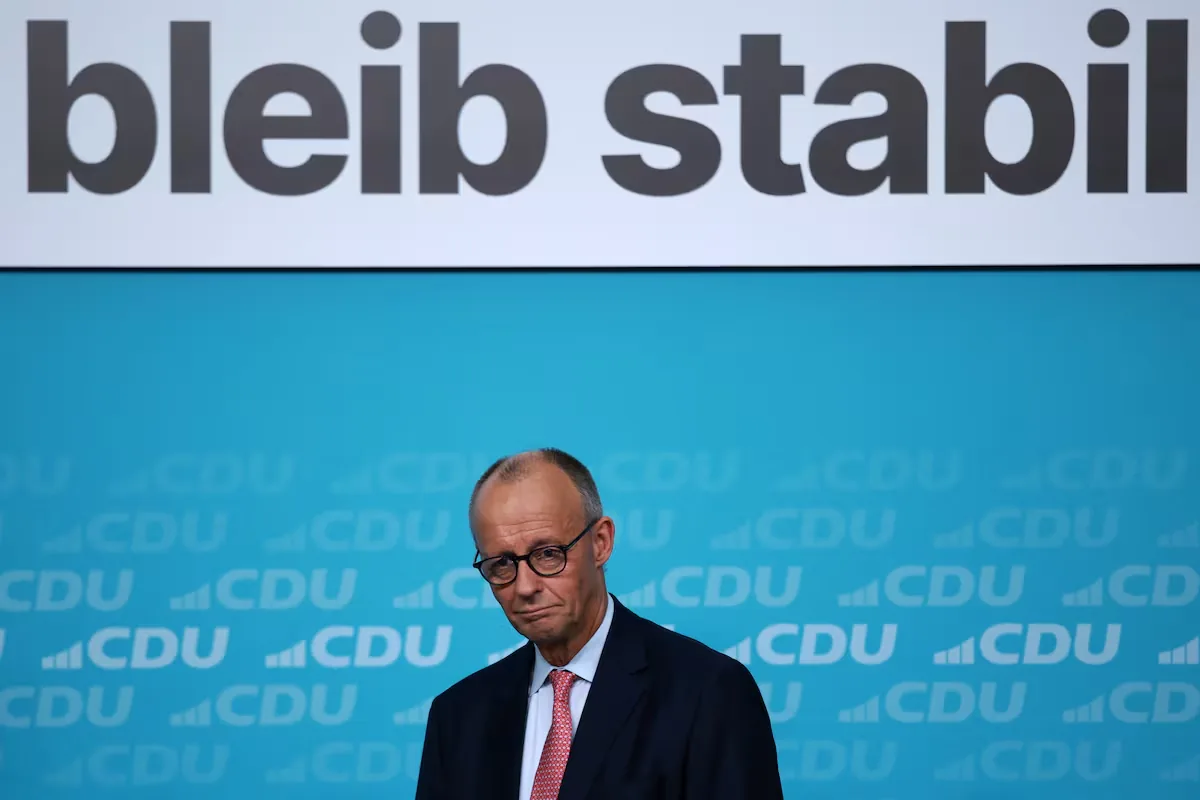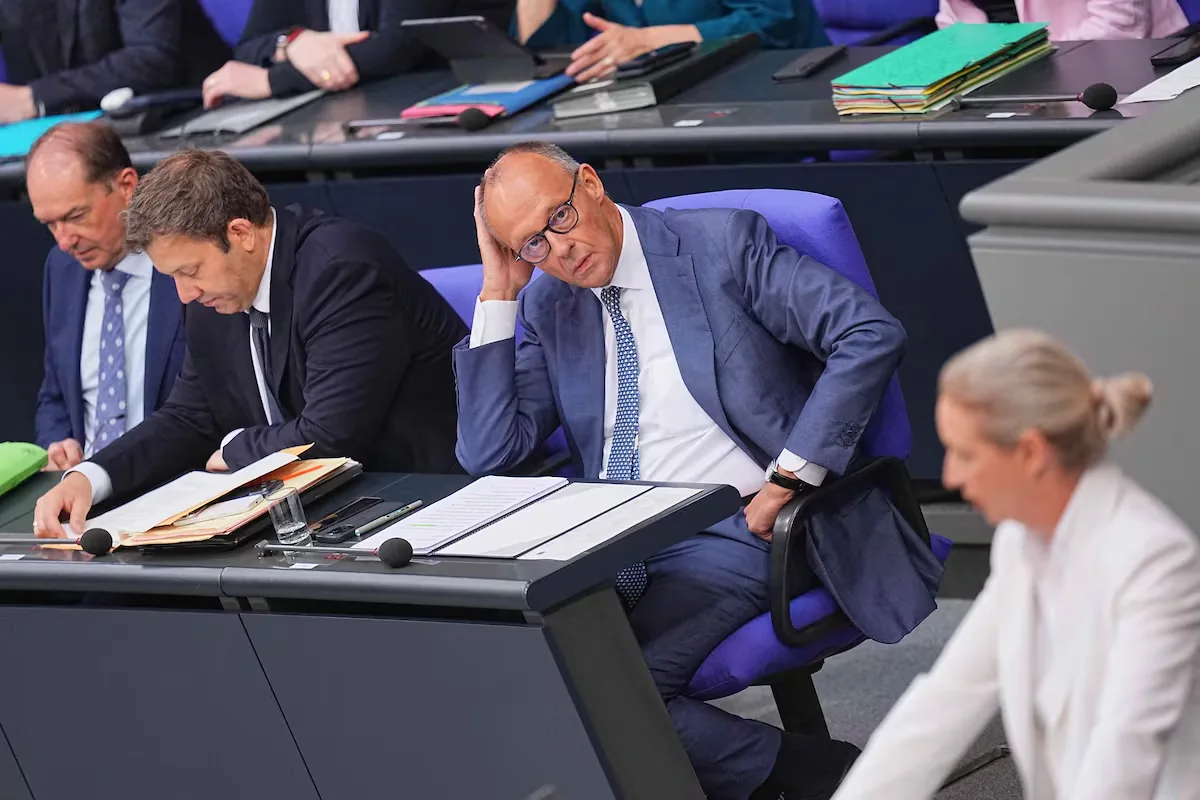
German Chancellor Friedrich Merz used very harsh words this Wednesday, unusual in German politics. The Christian Democratic leader accused the far-right party Alternative for Germany (AfD) in the Bundestag (lower house) of wanting to carry out an ethnic cleansing: “The word remigration that you use is nothing but a synonym for ethnic cleansing, based on origin and skin color.”
Read more Brussels proposes limits on holiday rentals in high-pressure areas to improve access to housing
The word remigration is one of AfD’s mantras with which they summarize their goal of expelling hundreds of thousands of foreigners from the country to recover “the German identity.” The party co-chair, Alice Weidel, put a figure on the table in the parliamentary session: more than one million refugees residing in Germany must be deported immediately because, in her opinion, they do not integrate. “Mass migration has allowed hatred of Christianity and Germans,” she added.
AfD has the Muslim population and around one million Ukrainian refugees living in Germany after the Russian invasion of their country started in 2022 in its sights. Both are the main foreign groups that the radical party wields in its electoral programs as a threat to German values.
AfD considers that Russia should be a priority ally of Germany and that it must immediately stop its economic and military support to Ukraine, as reiterated this Wednesday by the party co-chair, Tino Chrupalla. Russian gas must return to Germany and all sanctions against Moscow must be lifted, insisted Chrupalla, because it is being paid for by the pockets of Germans.
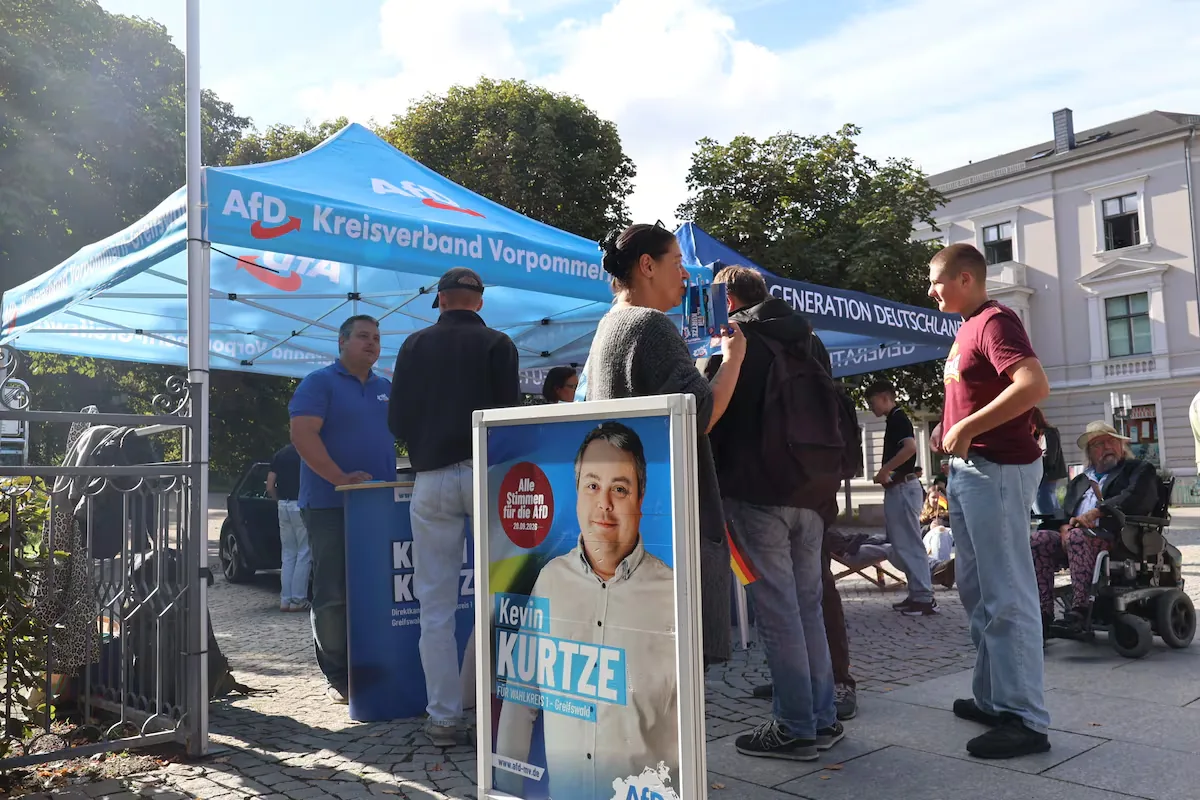
“They are a destructive force, they want to destabilize our country and the proof is this behavior here today,” Merz said. The chancellor already reacted harshly on Monday to AfD’s resounding electoral victory in the state of Saxony-Anhalt, where it has come close to an absolute majority of seats and has serious chances of governing. “We are all deeply shocked. This election result will have consequences,” the conservative politician acknowledged.
Until AfD’s emergence in 2013, dirty politics was unusual in Germany. The radical party, on the other hand, questions the basic rules of conduct in every setting. For example, in this Wednesday’s plenary session in the lower house, where its parliamentary group shouted and constantly mocked the chancellor during his speech. The rest of the parties, even those most critical of the government, have shown solidarity with Merz: “We have seen here again today how dangerous this party is; not only with its attitude but with its discourse,” said Green Party MP Katharine Dröge.
Merz is at the weakest moment of his mandate, which began in 2025. His party, the CDU, has lost more than half of the votes in Saxony-Anhalt and assumes it will not be able to renew the government. AfD is only three deputies short of an absolute majority, and the nationalist left BSW has already confirmed it will support the investiture of its candidate, Ulrich Siegmund.
The Christian Democrats are also very likely to lose the government in the capital, Berlin, which holds elections on September 20. The Christian Democrats are sinking in the polls and more and more external and internal voices in the party are calling on Merz to resign as chancellor. Weidel has taken advantage to exploit the crisis in the CDU and in the federal coalition government with the SPD. “Your coalition is finished, you are driving Germany to bankruptcy at record speed,” said the extremist leader. “The public administration and the asylum industry are the only sectors that can still grow.”
In its defamation strategy, AfD reiterates that Germany is the first EU country to host refugees and asylum seekers because it brings economic benefits to the left.
“Voters have swept away the CDU in Saxony-Anhalt,” Weidel recalled. “In Mecklenburg-Western Pomerania you are already a minority party, and at the federal level you are on the way to becoming one. And rightly so, because you have not understood that citizens want political change, and they will achieve it.” The Alternative for Germany leader was referring to the other regional elections in eastern Germany held this September, in Mecklenburg-Western Pomerania, where polls show her party as the winner.
“If all workers with a migrant background had to leave Germany, many necessary professions in Germany would fail,” Merz replied. “No nursing home would function, no hospital would function in Germany, no restaurant could open in Germany.”
The plenary session in the Bundestag this Wednesday was part of the debate on the budget draft presented by the government on Tuesday. The public accounts proposed by Vice Chancellor and Finance Minister, the Social Democrat Lars Klingbeil, propose a record debt of 200 billion euros to finance the recovery of the industry. All opposition parties have agreed in criticizing this debt due to the high cost in interest that will have to be paid.
“The key is to provide security in the face of the fear this country lives with about the future,” Klingbeil defended on Tuesday. “Without debt, we cannot achieve this, just as it is not possible to reach the Moon without a rocket.”
Read more The opposition sees Trapero’s resignation as a “government crisis”