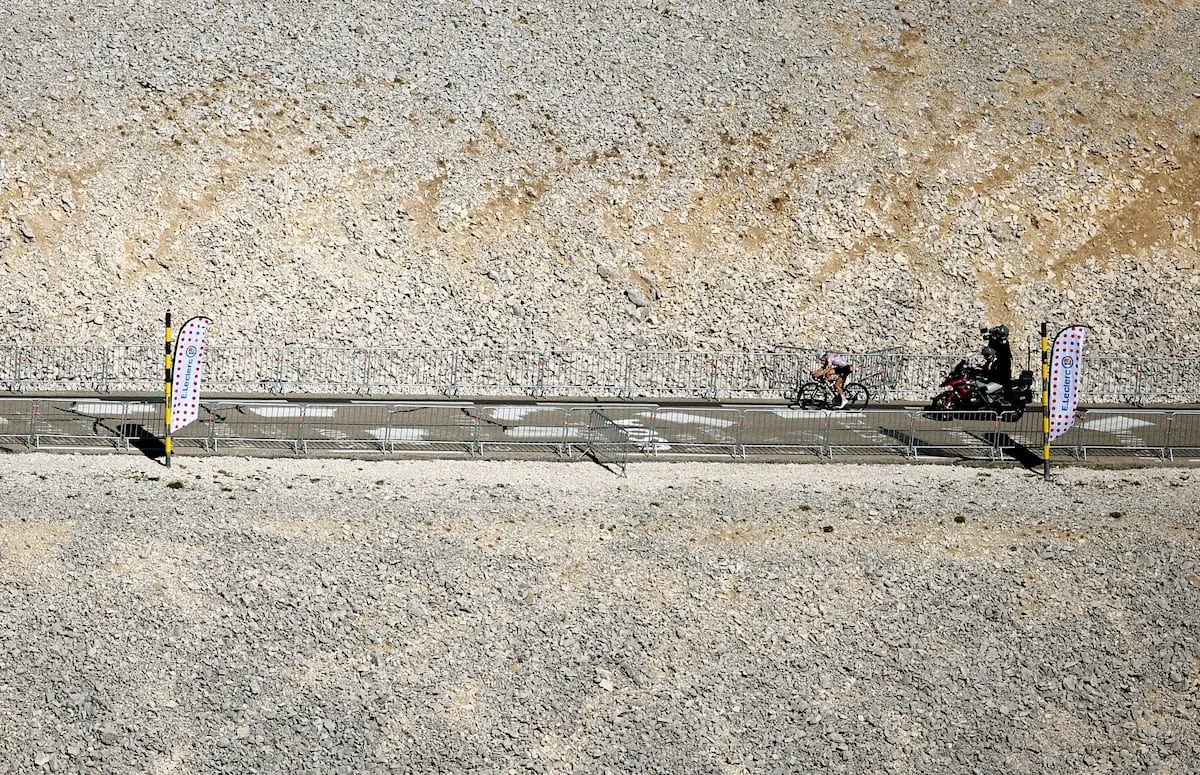
The poet writes that God turns the mirages of the desert into oases where one can drink and eat, but reality, as harsh as the whitest stones in the sun, sharp as knives, makes the black asphalt of Ventoux a desert mirage, where reality is suspended in the air, and Paula Blasi pedals but does not advance, Marlen Reusser and Demi Vollering remain ahead, also stopped though they believe they are moving forward, and the antenna of the weather observatory, so much like a Tintin drawing, laughs at their foolish efforts against the headwind and gravity, and only blesses Kasia Niewiadoma, as light as a cloud, flying ahead of them all, weightless, touched by grace and the gods.
Read more DOGE savings, difficult to verify and far from those promised by Elon Musk
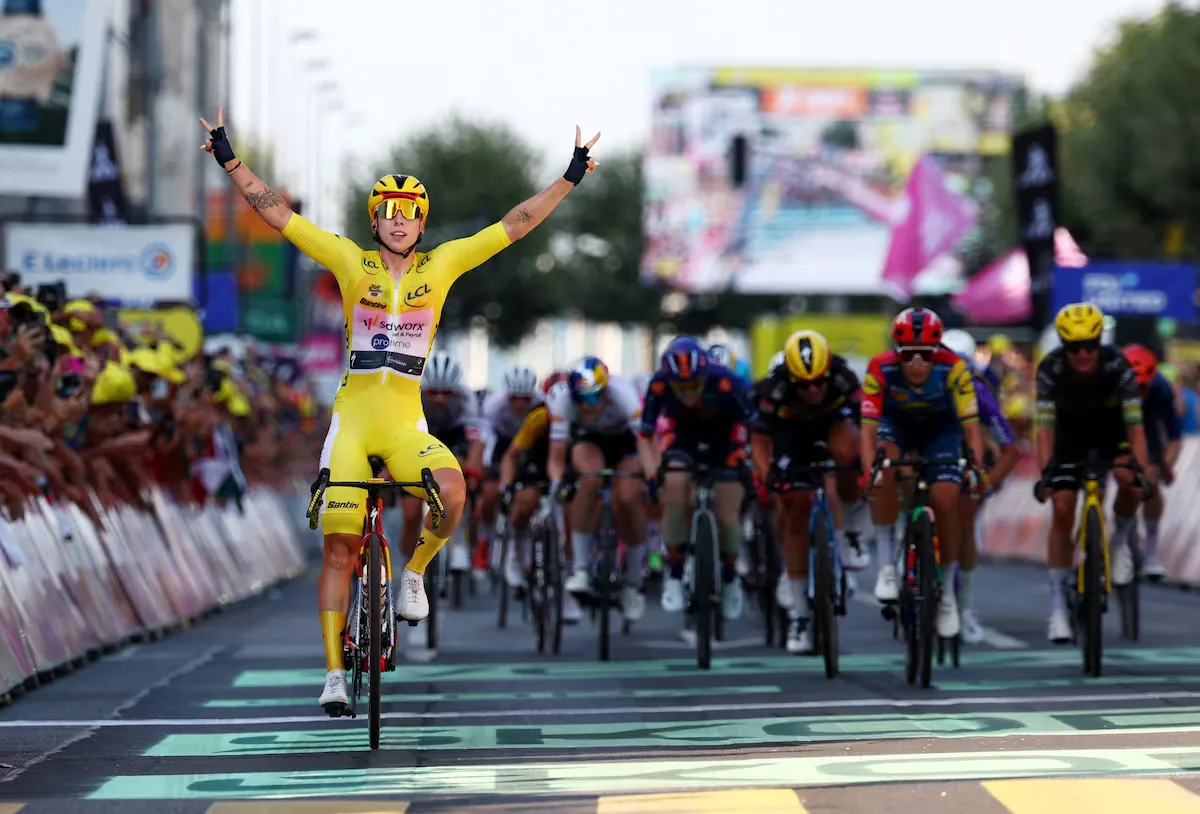
Niewiadoma, 31 years old, has won a Tour at Alpe d’Huez and has stood on the podium in the other three contested in the decade. She had never won a stage. Anointed with tenacity and patience, she infiltrates and shatters the announced duel between the two strongest, the two most publicized now that Pauline Ferrand Prévot is a shadow, and leads the tightest general classification of recent years. 39 seconds between the top three with two stages to go. A flat journey to Nice on Saturday, and a carousel on Sunday through the small mountains of the coast surrounding the capital of the French Riviera, so suitable for goofing around with the car imitating Monte Carlo rally drivers, and so easy to fall off, and so decisive the Col d’Éze, the old judge of Paris-Nice.
27 degrees at Chalet Reynard, where the forest ends and memory no longer has time to think about the vineyards cultivated by Caritoux on the slopes of the bald mountain and the rocks like giant teeth of the Montmirail Lace, heralds of the mountain. The desert begins. The wind. The mirage that kills dreams.
It is no more than 100 seconds, 500 meters of the southern slope of the giant of Provence, steep, vertical, towards the 1,910 meters of the summit, that encompass them all, and also Elisa Longo, who halfway with Blasi pursues, and those who stick to her wheel, but they are different planets.
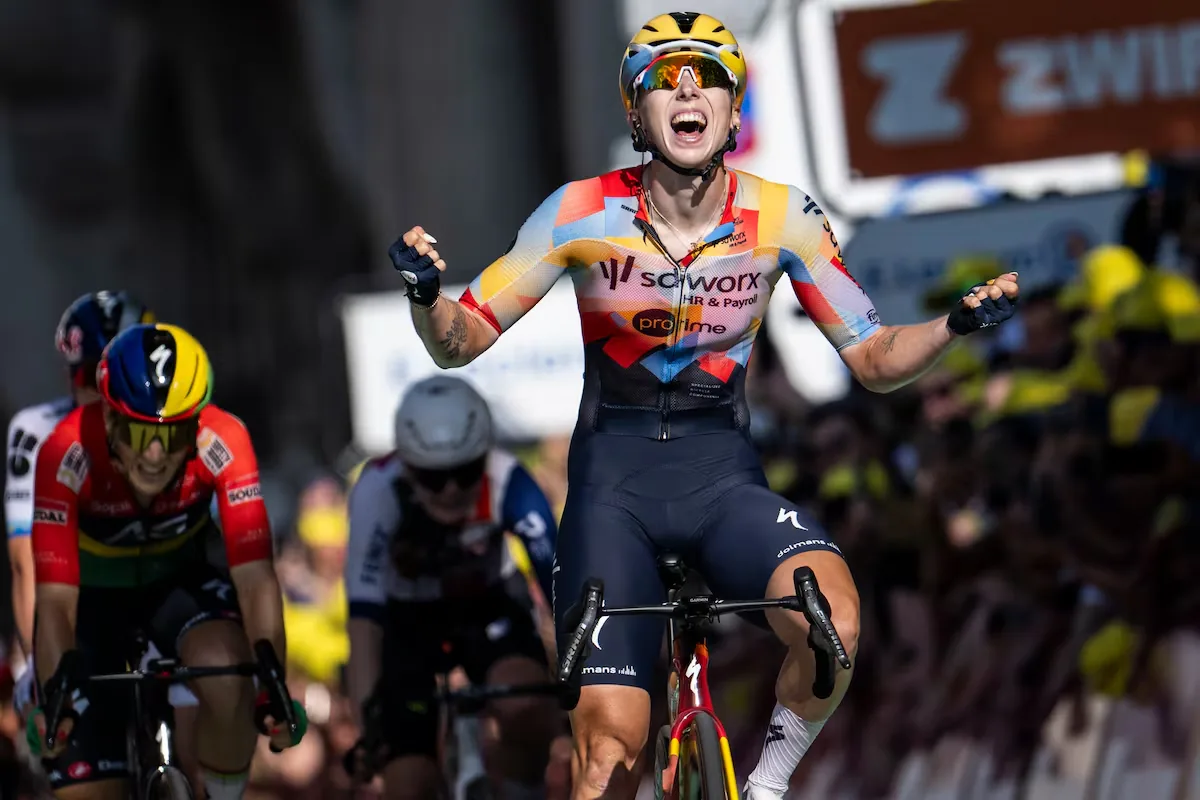
In one, the one inhabited only by Niewiadoma, a Polish woman from Girona with champion genes by marriage to Taylor Phinney, cyclist son of Olympic champions, she laughs with the same teeth, the same grimace between pleasure and pain, with which Contador in his great days devoured everything. “I am tired and amazed,” confesses the only one to whom the mirage of the stones turned into an oasis of joy, and recalls the excursions she made with her Taylor and other friends this spring. She attacked 11 km from the summit, much earlier than she thought, inspired and impatient. “I came here, to Ventoux, with my friends, with my husband, and we climbed the hill three times. We had a great time. We did sprints. We pushed ourselves. And it was simply about that incredible feeling of being here. It was like climbing mountains. And from that moment, I just wanted to feel that again when coming back here. That pure joy of riding a bike, feeling like a child, feeling that running or cycling is great because we can go wherever we want and enjoy every pedal stroke.” And she dedicates the victory to her parents, who cry at the finish line, and to her coach, the Dutch Louis Delahaije, the same who prepared the retired champion Annemiek van Vleuten.
Read more United States refuses to reveal the names of those sanctioned for links to the CJNG
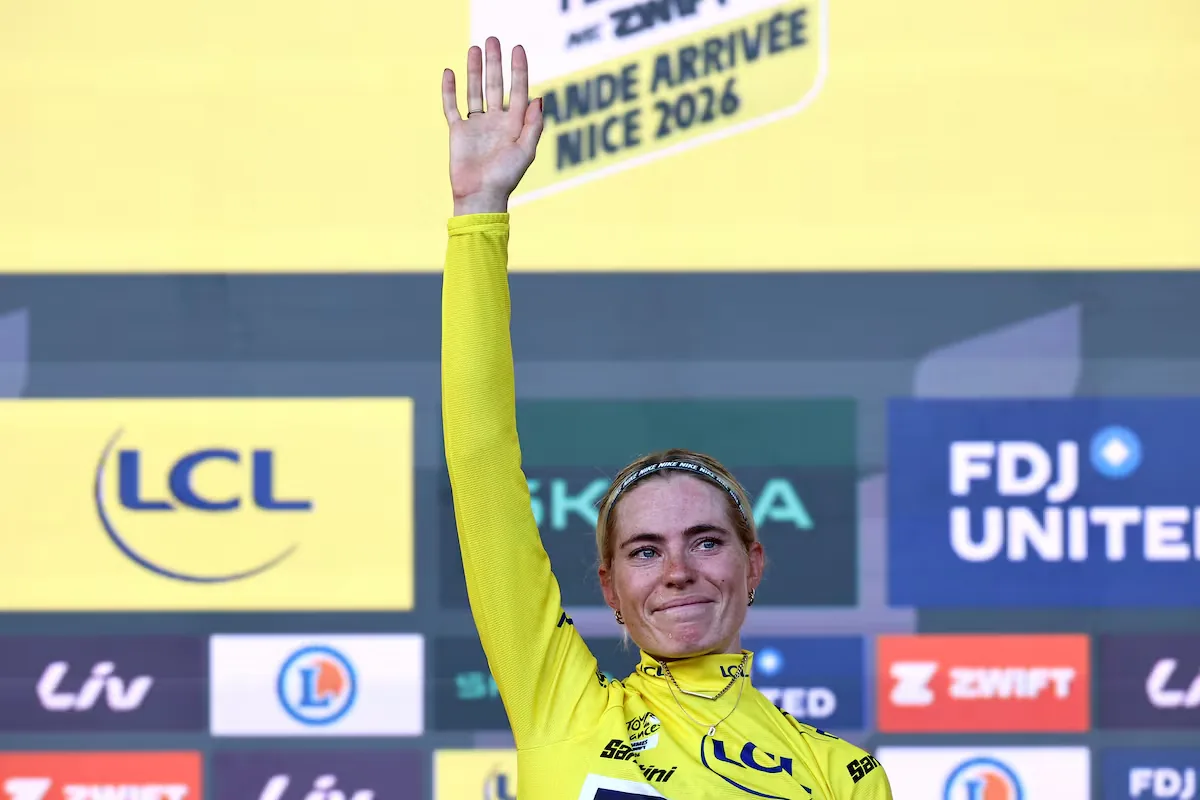
In the others, that of the duelists Reusser-Vollering, yellow and second, who watch and visit and attack each other, suspicious, in the chase, and that of the collaborative UAE competitors, suffering and cursing. Only at the end, when Niewiadoma raises her arms almost without strength, and laughs out loud in the rarefied mountain air, and prepares to wear yellow for a few seconds, only then is the spell broken, and Vollering’s strength is unleashed to finish off Reusser, a powerful diesel without a gear change, and even Longo, a unique competitive beast, catches and surpasses the leader and deprives her of the 4 seconds bonus for being third.
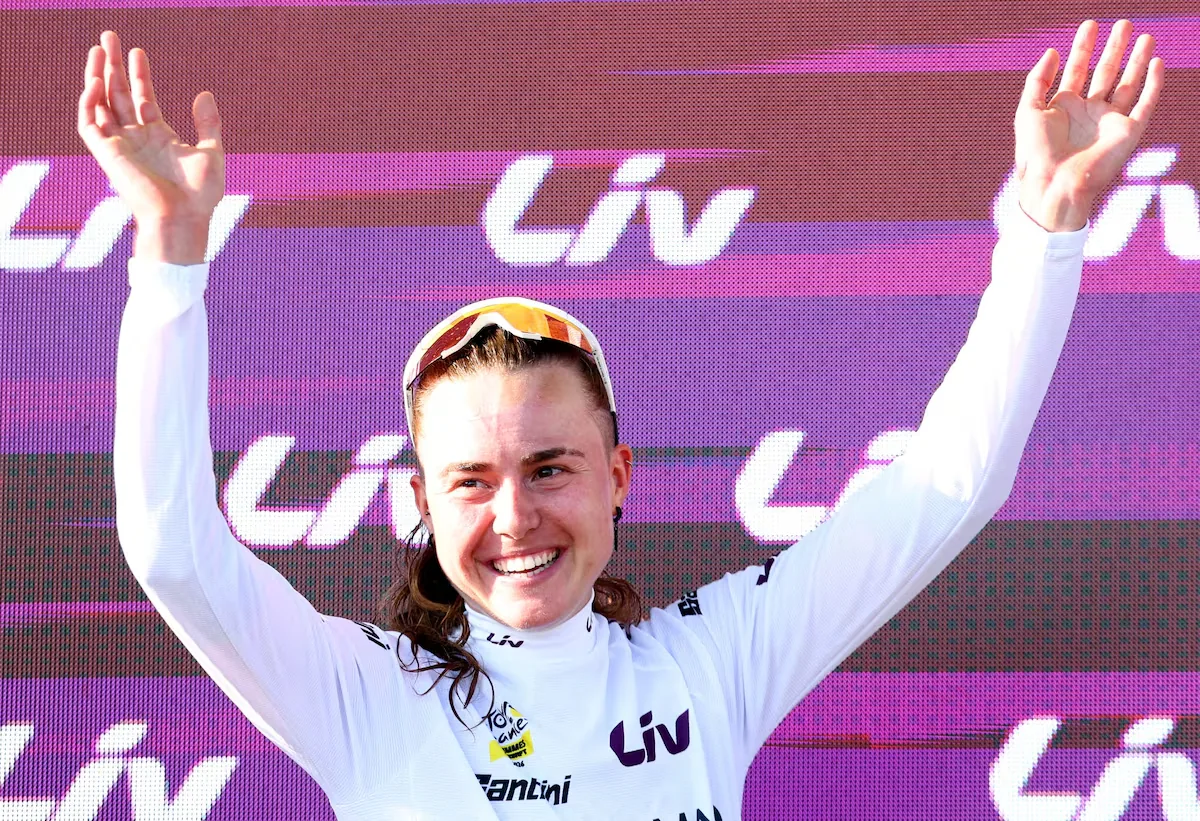
Blasi arrives fifth, and for the first time smiles in a Tour that has tested all her mettle, her patience and her strength, an accelerated lesson in great cycling, tension, pressure and bad vibes in a team that, blind, groped forward in managing egos and leaderships. “I have taken a weight off my shoulders,” admits Blasi, conqueror of Angliru and Tourmalet, after having overcome another test of the endless Tour, a very hard mountain she did not know. “Until now I had suffered a lot to get position on the climbs and had lost a lot of confidence in myself. It was not the best day, but we were able to be up front, we fought and showed that on the big mountains we are always there. Almost without speaking I understood Longo. And that is the beautiful thing. I think we are very similar in this, we are very competitive, but very honest.”
The stormy Ventoux was that and also the joy of Paula Ostiz, the junior world champion, opening at 19 years old the door of the mountain to the smallest peloton that held on the wheel of the best. It was a symbolic relay at the start of the hardest climb of her life for the Navarrese cyclist who in the few months she has been in the WorldTour has suffered injuries and doubts, and unsettling questions – could it be that I am so precocious that I have reached my very young maturity and will no longer be?— and a hot August sixth paves the way in the hardest race for her boss, Marlen Reusser in yellow, and tries to calm the nerves of the 34-year-old Swiss, who has never climbed Ventoux, who fears the slopes and fears the wind, and says, “how nervous I am.” Then, she feigns calm and withstands Vollering’s attacks, who won a Tour at Tourmalet and lost two, one at Madeleine to Ferrand Prévot, and another at Alpe d’Huez that crowned Niewiadoma in ’24. And on Sunday, Reusser will fight to join the club of both.