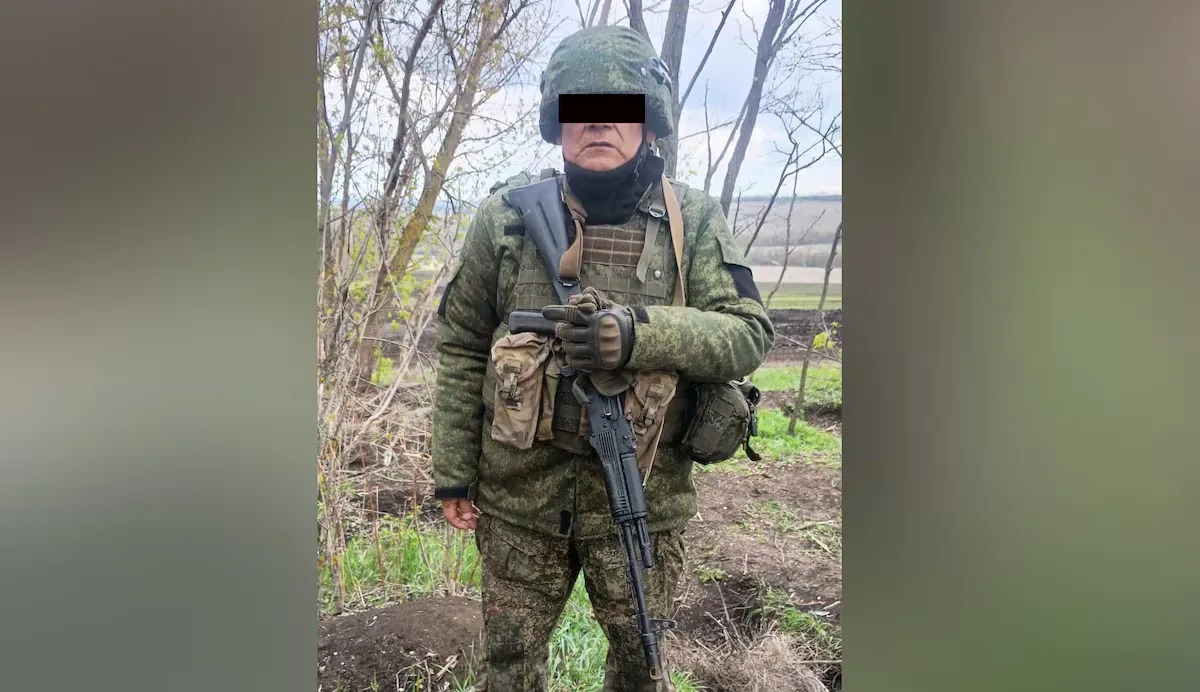
Since May 6, Karina —a fictitious name to protect her identity— clings to a WhatsApp audio to keep hope that her husband is still alive. In those 39 seconds, Jorge asks her to pray, to have faith, and to trust that everything will be fine. “I promised you I will come back and I will. I came for a purpose, and what good is it to come here and suffer so much if I’m not going to fulfill it?” he tells her in a faint voice.
Read more Mexico takes the lead in the AI boom with computer equipment exports
Jorge, a retired sailor nearing fifty, left Lima for Moscow on March 25 convinced he had found a good job opportunity. He was offered a $20,000 bonus and a monthly salary of $2,500 to take care of the security of embassies, hospitals, and schools. A friend from the security company where he worked told him about the offer. The explanation seemed plausible: many Russians had been sent to the battlefront in Ukraine and there was a shortage of personnel to guard public institutions. That’s why, they said, positions had been opened for foreigners.
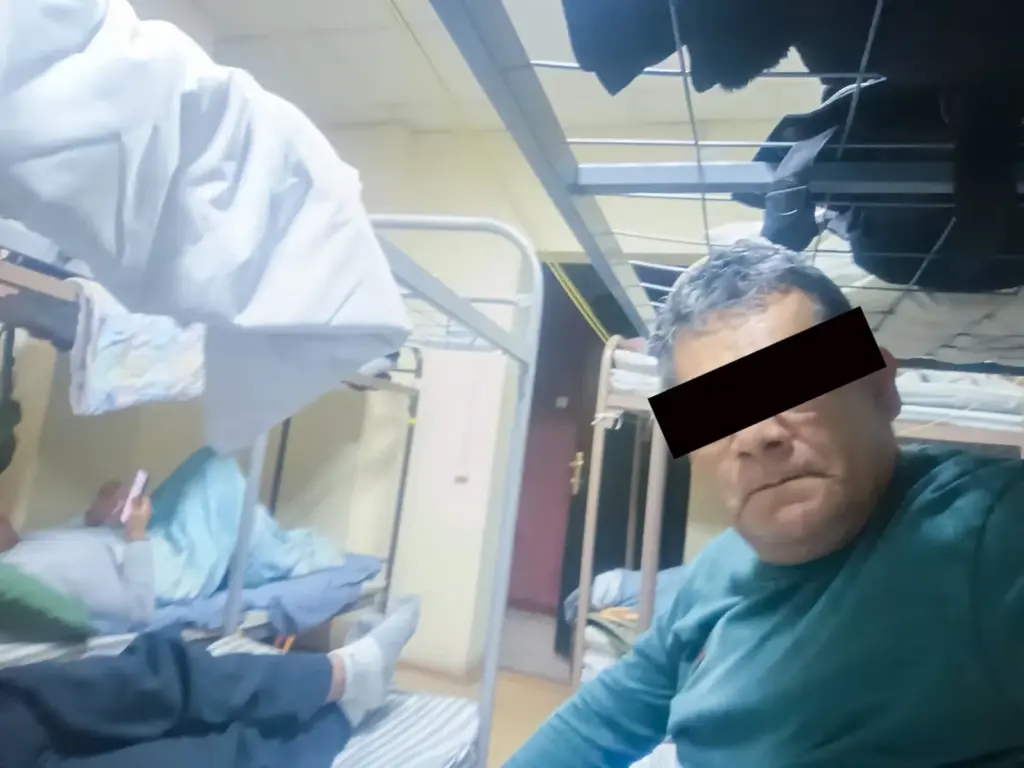
In one of the few communications Jorge managed to maintain with Karina from Moscow, he told her it had all been a deception. He explained that they had forced him, under threats, to sign a contract written in Russian, that his documents had been confiscated, and that they were preparing to send him to the front line of combat. “They take us like cannon fodder,” he warned her. He also complained about the food and the mistreatment. The man who had traveled to work as a security agent ended up trapped in a foreign war.
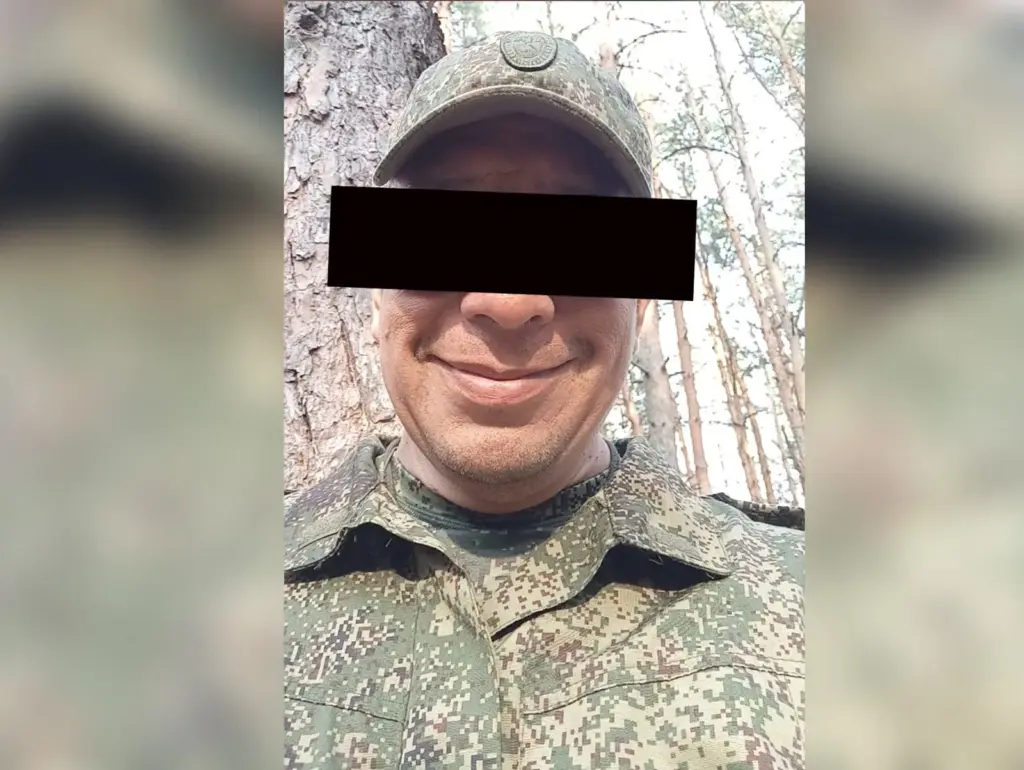
For him, that job represented more than just the possibility of earning a good salary. It was, above all, the way to get the money Karina needed. She suffers from cervical cancer and must undergo a hysterectomy, a major surgery to remove her uterus. “With the bonus, we’ll operate on you in a private clinic and goodbye cancer, my love,” Jorge promised her before leaving. Almost five months later, Karina has not received a single dollar and her husband remains missing. Without money to pay rent, she had to leave Lima and move to another city with her two children, who ask about their father every day.
Jorge is far from being an isolated case. According to the Ministry of Foreign Affairs, 459 Peruvians have enlisted in the Russian forces fighting in Ukraine, 114 remain missing, and three were captured by the Ukrainian Army. The Foreign Ministry also states it has evacuated 31 citizens: 28 returned to Peru and three stayed in Europe by their own choice. A few days ago, the ministry also reported the repatriation of two young men who, according to its statement, managed to escape “forced recruitment.” Both landed in Lima during the early hours of August 9.
Their lawyer, Percy Salinas, told this newspaper that both were in a hospital in Moscow and took advantage of a lapse in attention to escape and seek refuge at the Peruvian Embassy in Russia. Salinas questions, however, the official figures. The group of lawyers he works with in defending the victims estimates that, since 2024, around 1,200 Peruvians have enlisted in the Russian Army. Most are men in poverty who have barely completed high school. They mainly come from Lima, but also from Amazonian cities like Iquitos and Pucallpa; from the north, like Chiclayo and Trujillo; and from Pataz, in the La Libertad highlands, an area severely affected by the advance of illegal mining.
The recruitment has not distinguished ages or medical conditions. “They have taken young men from the choir of an evangelical church in Lima, between 18 and 21 years old, as well as men almost sixty years old with tachycardia and ocular pressure who could not belong to any army,” Salinas states. Nor are most of them men with experience handling weapons. Only a minimal portion has belonged to the Police or Armed Forces.
Recruitment pattern
The lawyers representing the families have reconstructed, based on the victims’ testimonies, a recruitment pattern. Most arrived in Russia through recommendations from acquaintances. Behind those offers are Peruvian and Colombian recruiters, but also former colleagues from the private security sector with previous experience in conflict zones. Some had worked years ago guarding the United States Embassy in Baghdad during the Iraq war. For that group, accepting a security job in a country at war was not an unfamiliar experience.
Between 2004 and 2017, the presence of Peruvians in Iraq was reported, attracted by salaries around $1,000 per month — much lower figures than those promised now to travel to Russia. However, there was a substantial difference: those workers received the agreed payment, performed guarding duties mainly within protected zones, and had not enlisted in the U.S. Army but had been hired by private security companies.
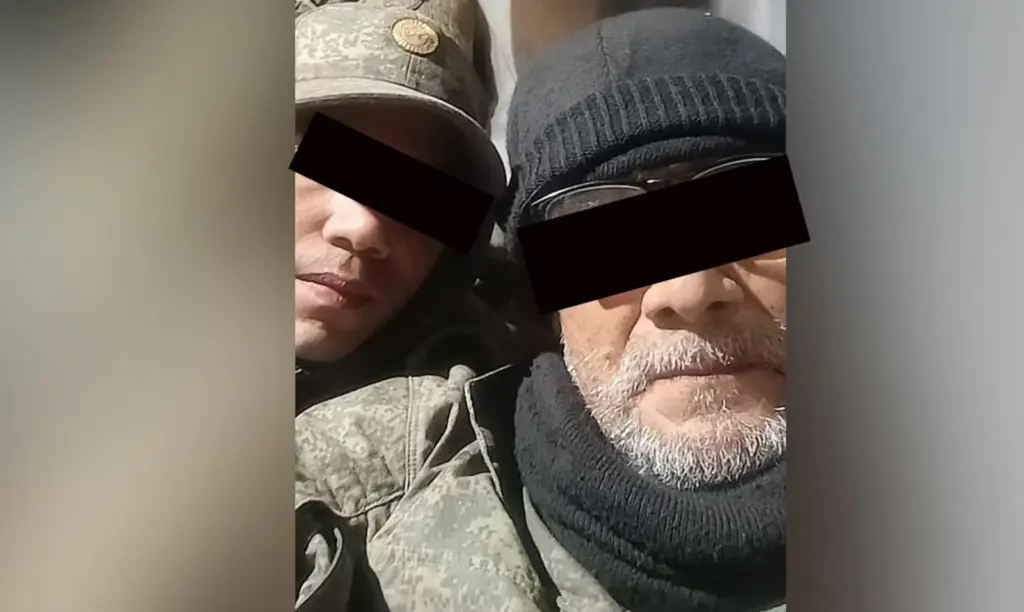
Alejandro —who also prefers to keep his identity confidential— fits precisely that profile. He is 61 years old and guarded the U.S. Embassy in Iraq between 2010 and 2013. He traveled to Russia on March 19 and his family lost all contact with him on May 23. “They took advantage of his memory when he was in Iraq. He told us they were going to take him to a base to work as a guard, but weeks later he told us they didn’t let him use his cell phone, that they had kept his passport, and that they had them as prisoners,” one of his children says.
Alejandro was also forced to sign a contract to serve for one year in the Russian Army. The $20,000 bonus and the promised salary never reached his family. “The contracts mention that the money is handed over to a Russian who represents the Peruvian soldiers. They create an account for them in a Russian bank and they manage the money, because we have not received anything,” he points out. The next news came on July 7. In one of the groups following the war’s progress, an alert circulated: they had found the identity document of a Peruvian on the battlefield in Donetsk, eastern Ukraine. It was Alejandro’s. Since then, he is listed as missing.
The families, who have staged several sit-ins in front of the Foreign Ministry headquarters in Lima, demand a more active search. They ask the authorities to visit hospitals, shelters, and cemeteries, to speed up procedures to repatriate those still alive, and to also recover the remains of those who have died. They also demand the intervention of a specialized prosecutor’s office to investigate the recruitment networks, identify those responsible, and determine if a human trafficking structure operates behind these cases.
The pressure from the relatives has moved the crisis to the diplomatic arena. Earlier this week, the Minister of Foreign Affairs, Carlos Espá, met with the Russian ambassador to Peru, Aleksei Ushakov, to demand precise information about Peruvians who have died, gone missing, or been captured during the conflict. The Foreign Ministry has requested to know the situation and exact location of the missing, a response many families have been waiting for months. Karina, for example, still does not know where Jorge is. More than three months have passed since she last heard his voice.