








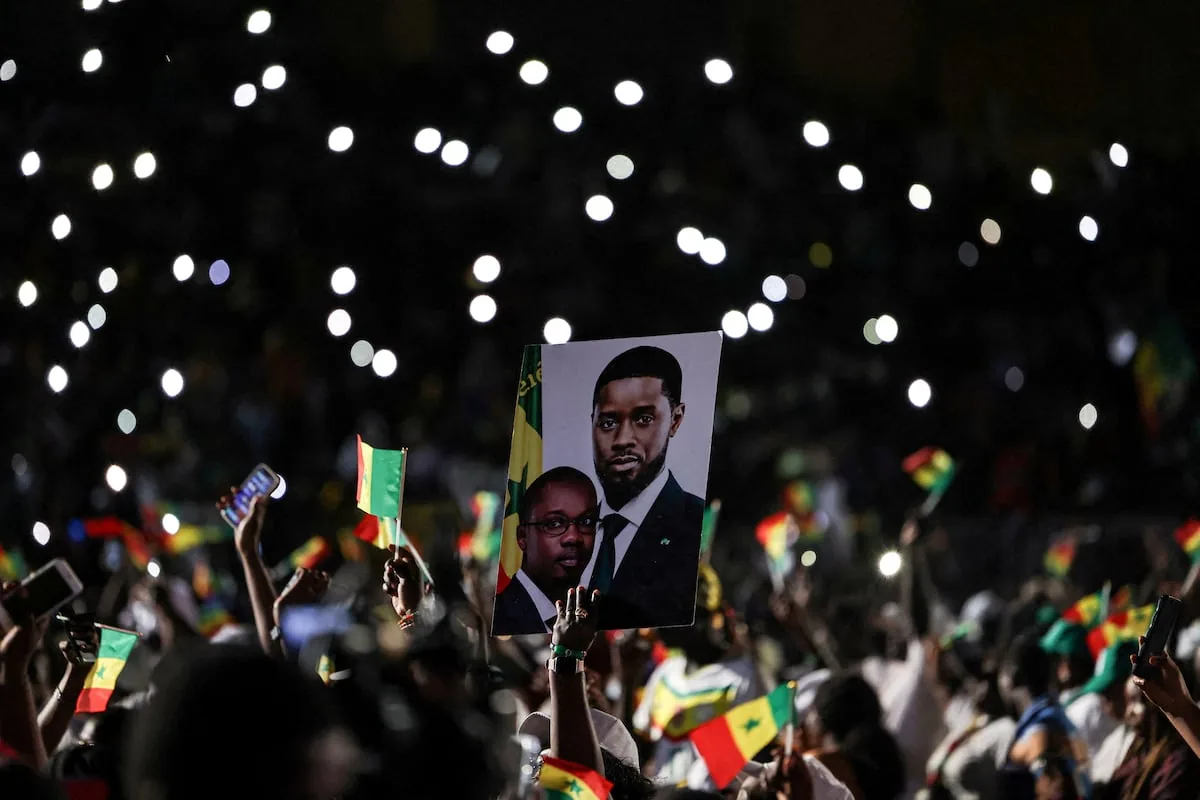
The president of Senegal, Bassirou Diomaye Faye, dismissed on Friday his prime minister, Ousmane Sonko, and his entire government, a decision that breaks the duo that came to power in March 2024 with the promise of transforming the country. For a year, Faye and Sonko had been involved in a long series of disagreements that hinted at a political divorce now consummated because both aspire to be presidential candidates in 2029. This dismissal opens an unprecedented crisis in Senegal: the president leads the country with broad powers, but Sonko, as the undisputed leader of the ruling party Patriots of Senegal for Labor, Ethics, and Fraternity (Pastef), maintains control of Parliament.
Read more Paloma Valencia and Sergio Fajardo have coffee | Presidential elections in Colombia 2026, live
The dismissal of Sonko was announced through the public broadcaster Radio Télévision Sénégalaise (RTS), by reading a decree by Oumar Samba Ba, secretary general of the Presidency, around ten o’clock at night local time (midnight in mainland Spain). “Praise be to God. Tonight I will sleep relieved in Cité Keur Gorgui,” Sonko reacted shortly after on social media, referring to the Dakar neighborhood where his home is located. At dawn, hundreds of supporters gathered in front of his house and at Cheikh Anta Diop University to show their support.
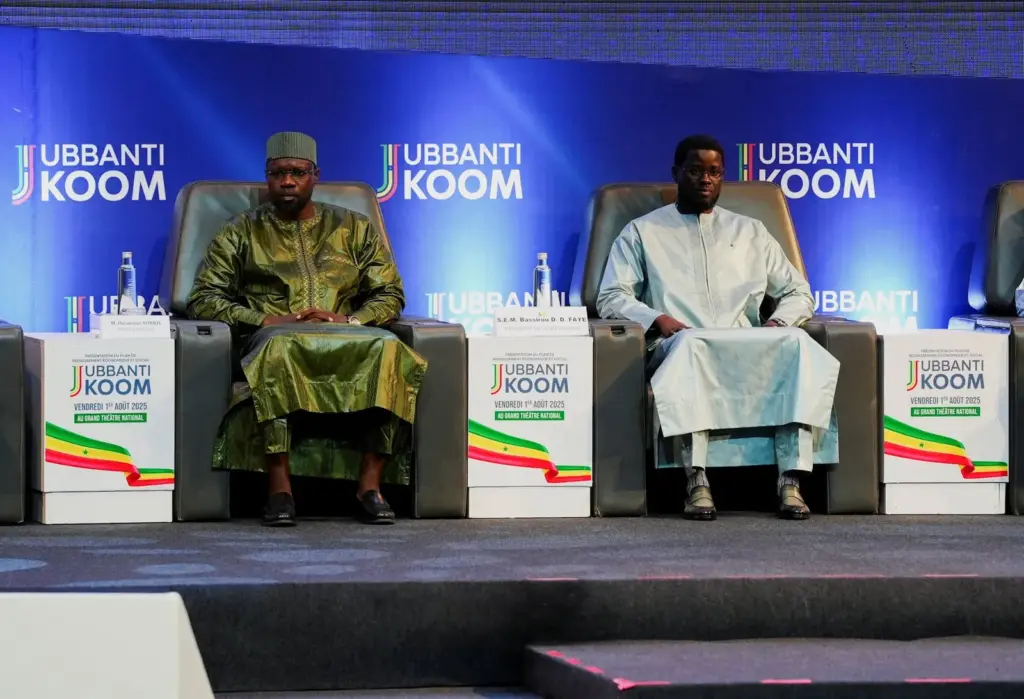
The last act of this political soap opera took place on Friday afternoon at the National Assembly headquarters, where Sonko accused the president of making a mistake by paralyzing the reform on the use of the so-called “political funds,” public money that the president manages at his discretion and without parliamentary control. Sonko stated that if Faye did not promote a law to control these reserved funds, he would take care of it through the Council of Ministers. “I am not a prime minister who blindly obeys and accepts everything,” he said during the parliamentary session. Hours later, the president signed his immediate dismissal.
Sonko is a very charismatic figure, especially among young people. His meteoric political rise took him in just a decade from an unknown public official to becoming the opposition leader who managed, in 2024, to seize power in the presidential elections. However, he himself could not be a candidate after being sentenced to prison for defaming a minister. For this reason, he nominated Faye, his right-hand man and close friend, then in preventive detention, to replace him as a candidate. The tandem’s victory was overwhelming, as was the case months later in legislative elections in which Pastef gained total control of Parliament thanks to a comfortable absolute majority.
Read more National Lottery: results of the draw on Saturday, May 23
Opposite profiles
Sonko bases his electoral strength on a sovereigntist, patriotic, and anti-Western discourse. He promised a break with everything before and to build a new Senegal. Faye, for his part, has shown a more moderate profile and willingness to dialogue since coming to power. Barely a year after taking office, the first cracks opened between them. One point of disagreement concerns the enormous debt that suffocates the country’s public finances and represents 132% of GDP: while Faye has entered negotiations with the International Monetary Fund to obtain a loan, Sonko advocates raising taxes and reducing public spending.
However, the main point of friction between them has been their presidential aspirations. Sonko, who feels like the true winner of the 2024 elections in which he could not run, has never hidden his intention to be a candidate in 2029 and tries to remove the judicial obstacles that may prevent him. For his part, Faye has reactivated the Diomaye coalition, president, which brought him to power and has put at its head, against Sonko’s criteria, the controversial Aminata Touré, who for many years was a close collaborator of former president Macky Sall.
Senegal now faces the uncertainty of an unprecedented political cohabitation at the start of a new electoral cycle beginning with next year’s local elections. Pastef, which on Friday hurried to highlight “the remarkable work carried out by the prime minister and his government, marked by rigor, patriotism, and a deep sense of the general interest,” is already on a war footing and ready to carry Sonko on their shoulders to the 2029 presidential elections. “I don’t know how two people who loved each other so much and now hate each other are going to manage the state for the next three years, I fear everything will come to a halt,” said Mamadou Diatta, a young Senegalese, on Saturday, “so much announcing the break with the past that in the end they are the ones who have broken.”
Read more The applause scam at the Cannes festival