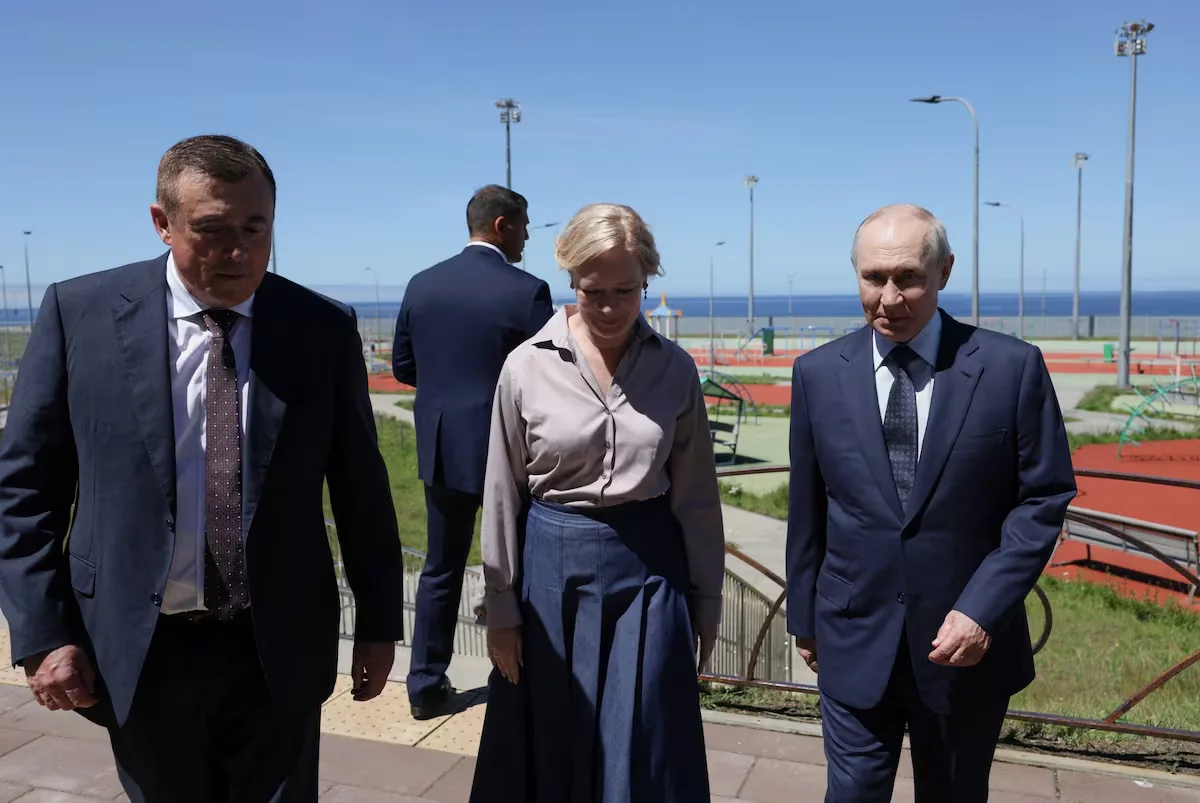
The dispute between Moscow and Tokyo over the Kuril Islands, territories that Russia annexed at the end of World War II and whose sovereignty Japan claims, shows no signs of being resolved. Quite the opposite. On Thursday, the Russian Pacific Fleet conducted missile tests near the archipelago as part of unusual military maneuvers. The maneuvers, confirmed by the Ministry of Defense through its Telegram channel, come just a week after President Vladimir Putin traveled to the area for the first time, which led the Asian country to summon the Russian ambassador in Tokyo in protest over the incident.
In its message, the Russian ministry details that the exercises included missile launches against targets, “simulated by fictitious enemy ships located more than 300 kilometers away,” off the coast of the Southern Kuril Islands. The cruiser Varyag launched two Vulkan anti-ship missiles and the nuclear submarine Omsk fired Granit cruise missiles, while the Bastion coastal defense system did the same with an Oniks missile. “What’s the power, brother? Vulkan and Granit,” reads the heading of the publication. “The launched missiles shook the ocean,” the text concludes.
Neither the ministry nor the fleet itself have confirmed the date when these tests were conducted, nor have they specified their exact location. The Bastion missile system mentioned was deployed in 2016 on Iturup Island — the largest of these territories and known in Japan as Etorofu — which offers clues about where at least part of the exercises took place. That was also the island Putin visited during his trip last Thursday.
In response to the maneuvers, Japanese Foreign Minister Toshimitsu Motegi, who is currently visiting Oman, stated: “We cannot tolerate [Russia’s] measures aimed at strengthening military power on the four northern islands, as they go against our country’s position [regarding those territories],” reports the Kyodo news agency.
Likewise, the Japanese agency reveals, citing a senior ministry official, that Japan had lodged a protest with Russia shortly after Moscow notified Tokyo that it would carry out the missile exercise during the week. The Russian maneuvers are expected to continue until August 29, according to Bloomberg.
Read more Iván Vargas: the artisan who creates the sound of the biggest party in La Paz
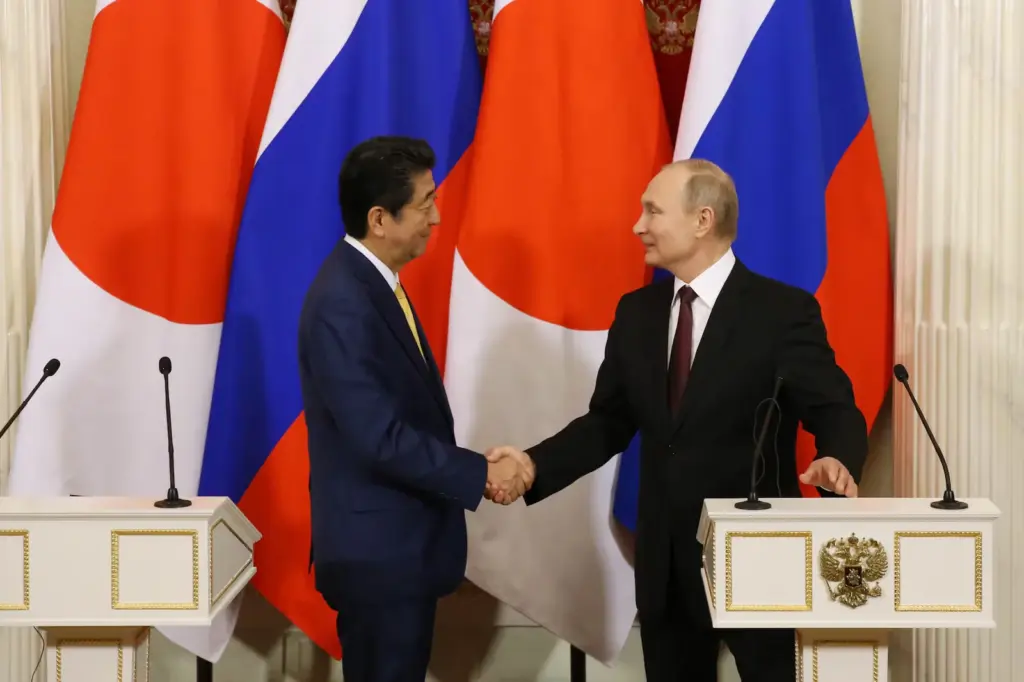
The Kuril Islands are located northeast of Hokkaido, the largest island in northern Japan. At the end of World War II, the Soviet Union annexed the territory, expelling 17,000 inhabitants, according to documents from the Japanese Ministry of Foreign Affairs. Japan maintains that the action was illegal, although Russia fully rejects the accusations. Tokyo and Moscow never signed a formal peace treaty after the conflict, mainly due to the unresolved territorial dispute over these four territories, although there were repeated attempts during Shinzo Abe’s second term, between 2013 and 2019.
During Putin’s visit last week, Japanese Prime Minister Sanae Takaichi insisted that his presence on the islands “hurts the feelings of the Japanese people and is absolutely unacceptable.”
The already delicate relationship between the two countries deteriorated significantly after the Russian invasion of Ukraine in February 2022. Since then, Japan has chosen to align more with the West, imposing sanctions against Moscow, such as controls on Russian exports and the withdrawal of the “most favored nation” trade clause. The Kremlin, in turn, suspended peace agreement negotiations, froze visa-free travel for Japanese to the islands, and ceased dialogue on joint economic activities in the archipelago.
Read more Security and Rule of Law: efficiency and guarantees in the balance