









The European Centre for Disease Prevention and Control (ECDC) published new reports this Wednesday revealing that sexually transmitted infections (STIs) reached record levels across Europe in 2024 — the latest year with consolidated data on the continent — and that Spain is among the most affected countries.
Read more A trip to Egypt’s White Desert
The trend has continued upward in 2025 and so far in 2026. This has led EU public health agency officials to call on governments to redouble efforts to reverse incidence curves. “Urgent new measures are needed to prevent further spread of infections, especially among women of childbearing age,” warn ECDC officials.
Notifications of gonorrhea and syphilis have reached their highest levels in more than a decade. The impact of congenital syphilis, which causes severe damage and even infant death and whose incidence has tripled in just five years, is also notable.
“These infections can cause serious complications, such as chronic pain and infertility and, in the case of syphilis, heart or nervous system problems,” warned Bruno Ciancio, head of the ECDC’s Unit for Directly Transmitted and Vaccine-Preventable Diseases. The agency emphasizes preventive messages: “Protecting sexual health remains simple. Use condoms with new or multiple partners, and get tested if you have symptoms such as pain, discharge, or an ulcer.”
Transmission trends vary among population groups. Men who have sex with men are disproportionately the most affected group, with more pronounced long-term increases in gonorrhea and syphilis. “Among heterosexual populations, syphilis is increasing, particularly among women of childbearing age,” which explains the rise in congenital cases, ECDC officials continue.
The data presentation was accompanied by specific information about one of the most prominent public health initiatives proposed to curb the rise in infections. This is the so-called Doxy-PEP, a single dose in the form of a 200-milligram pill of the antibiotic doxycycline taken 24 to 72 hours after a risky sexual contact. The ECDC published a guide last January on how health systems can adopt this measure.
The major controversy surrounding Doxy-PEP is that, on one hand, it has shown great results in reducing the incidence of infections such as syphilis and chlamydia (the pill is much less effective against gonorrhea). On the other hand, many specialists have expressed concern that widespread use of this antibiotic may worsen another major public health problem: antimicrobial resistance.
Although ECDC reports do not yet include data on results obtained by countries, they do validate the available scientific evidence. “Clinical trials indicate that post-exposure prophylaxis with doxycycline is highly effective in reducing chlamydia and early syphilis by approximately 70%,” the report states.
Nevertheless, the ECDC reminds that “the prevention of bacterial STIs in the EU” requires that “where implemented, Doxy-PEP should be targeted at populations at highest risk of contracting syphilis, integrated as part of comprehensive sexual health services and under medical supervision, and accompanied by enhanced surveillance of STI trends and antimicrobial resistance.”
The following is the most notable information from the reports published by the ECDC:
Syphilis
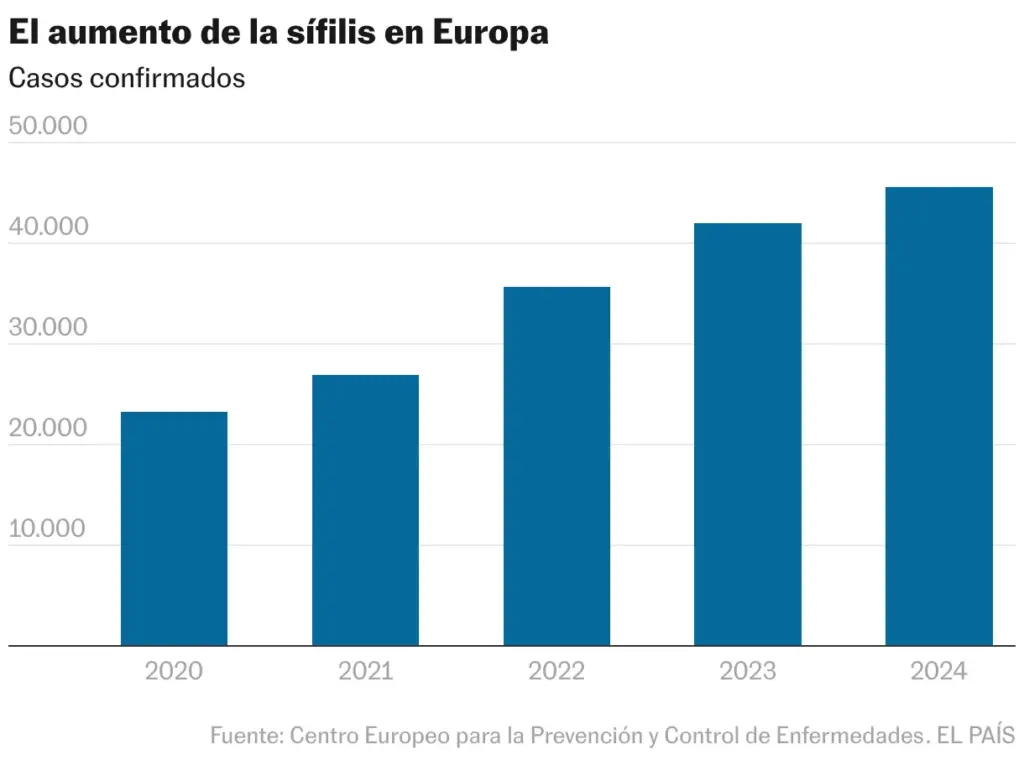
Syphilis has maintained a sustained upward trend across virtually all of Europe over the past decade. Between 2015 and 2024, cases of the infection caused by the bacterium Treponema pallidum have doubled to exceed 45,000 diagnoses in 2024 on the continent. The incidence is six times higher among men than women, with the 25 to 35 age group being the most affected. Seven out of 10 cases were diagnosed last year in men who have sex with men. Despite this, the ECDC warns, “syphilis notifications have shown a sustained increase across all adult age groups [and also] among heterosexual men and women, indicating broad transmission beyond key population groups.”
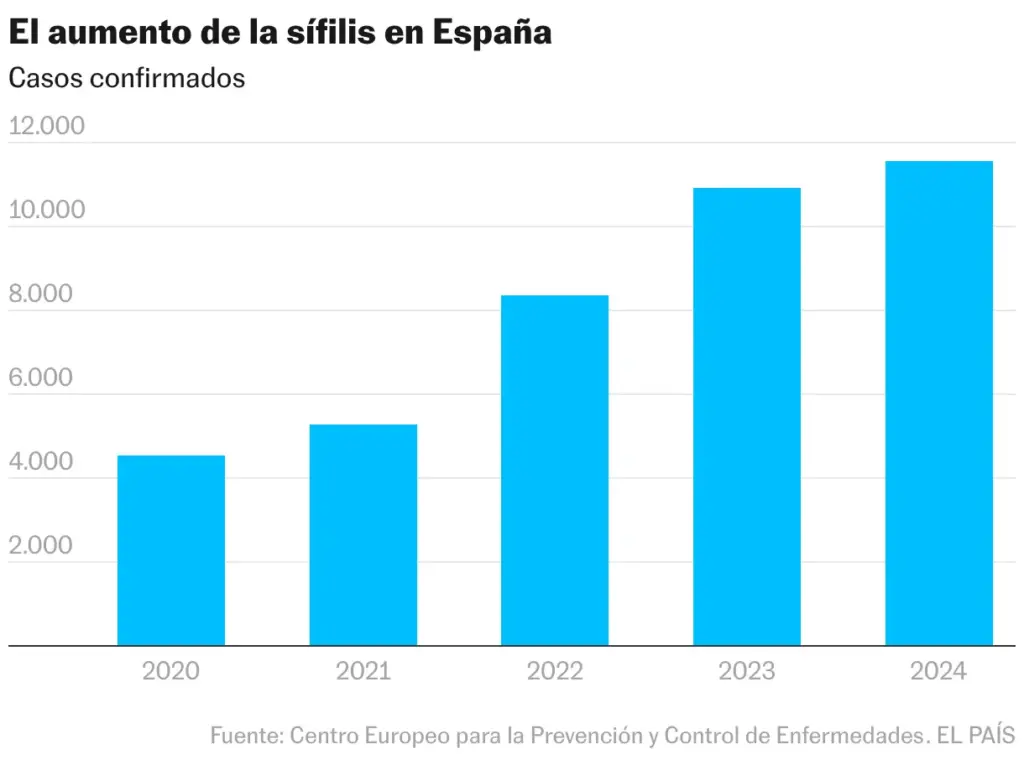
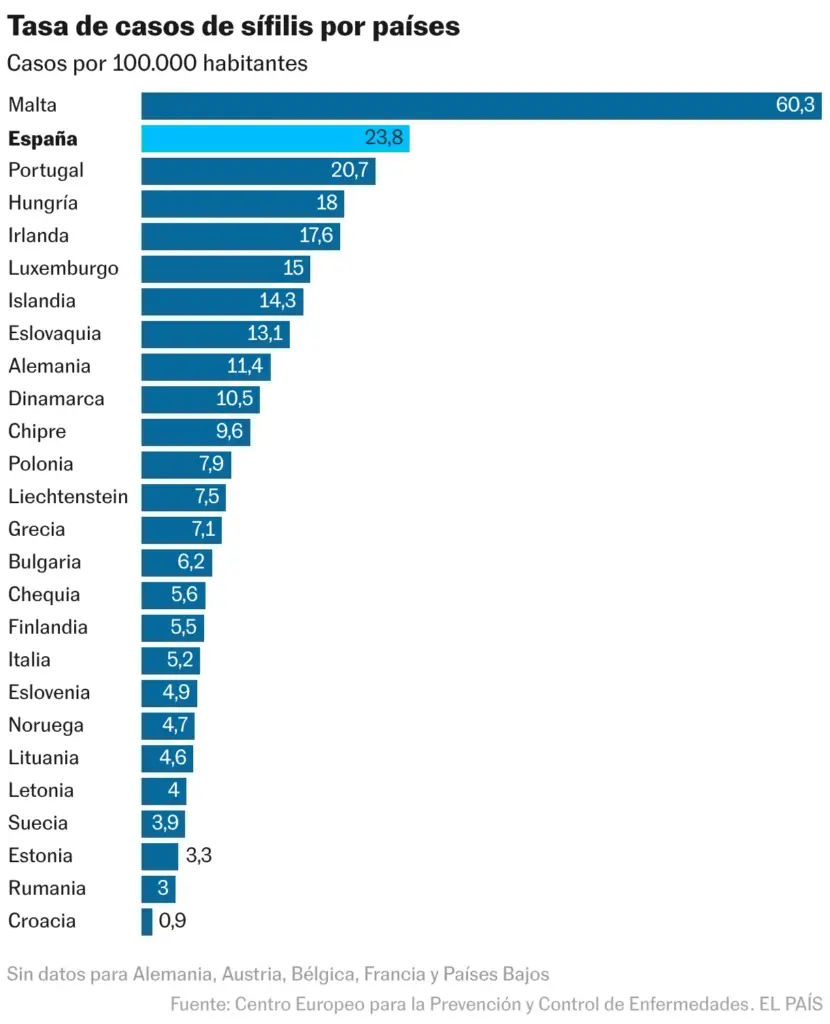
Spain is the country with the highest number of cases in absolute terms, with 11,556 diagnoses in 2024 (a quarter of the European total), and second in relation to its population, with a rate of 23.8 cases per 100,000 inhabitants (only behind Malta).
The ECDC urges countries to expand services that allow new cases to be diagnosed as early as possible. Likewise, considering that antibiotic treatment effectively interrupts transmission chains, the agency calls for prioritizing rapid contact tracing when a patient is diagnosed.
Congenital syphilis
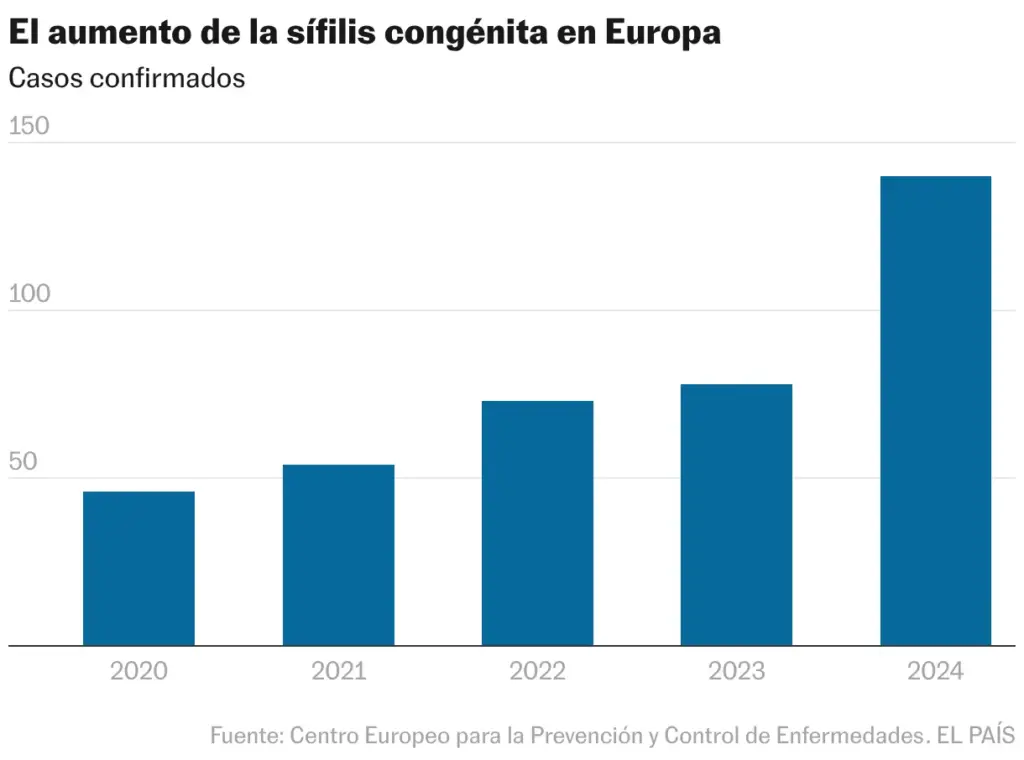
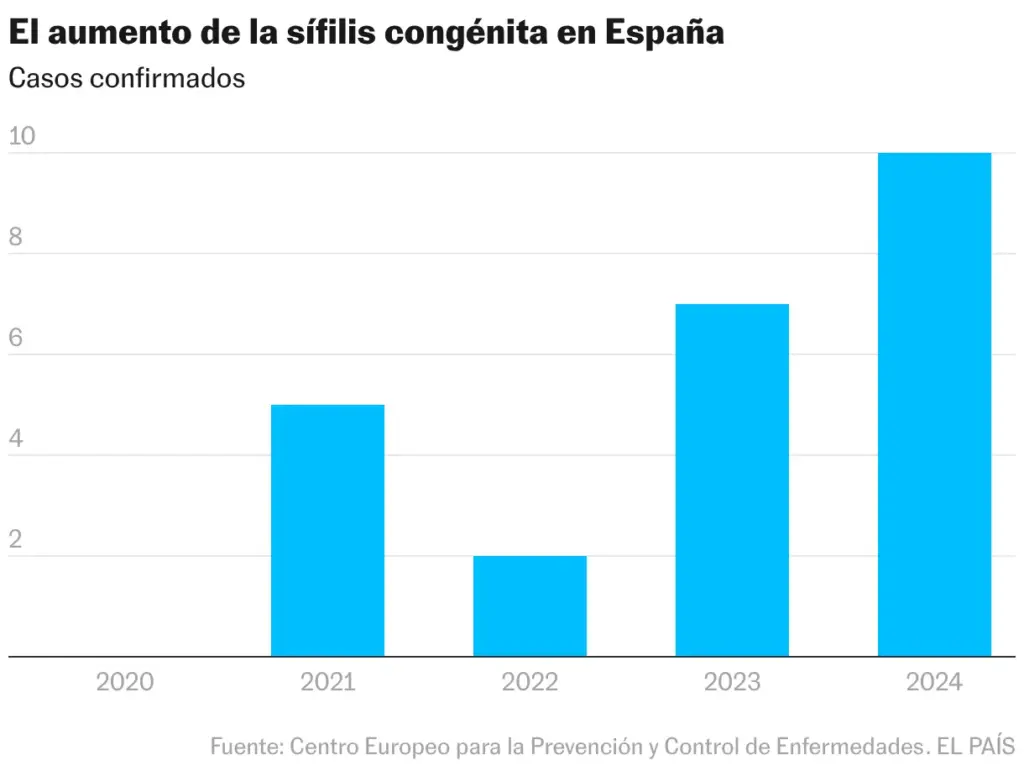
A total of 140 newborns were diagnosed with congenital syphilis in Europe in 2024, a figure not seen since 2009 and nearly triple the 46 recorded in 2020. “The increase in congenital syphilis cases parallels the rises in syphilis rates among women in most countries,” the ECDC states. In Spain, the figure of 10 newborns with congenital syphilis in 2024 also marked the highest in recent decades.
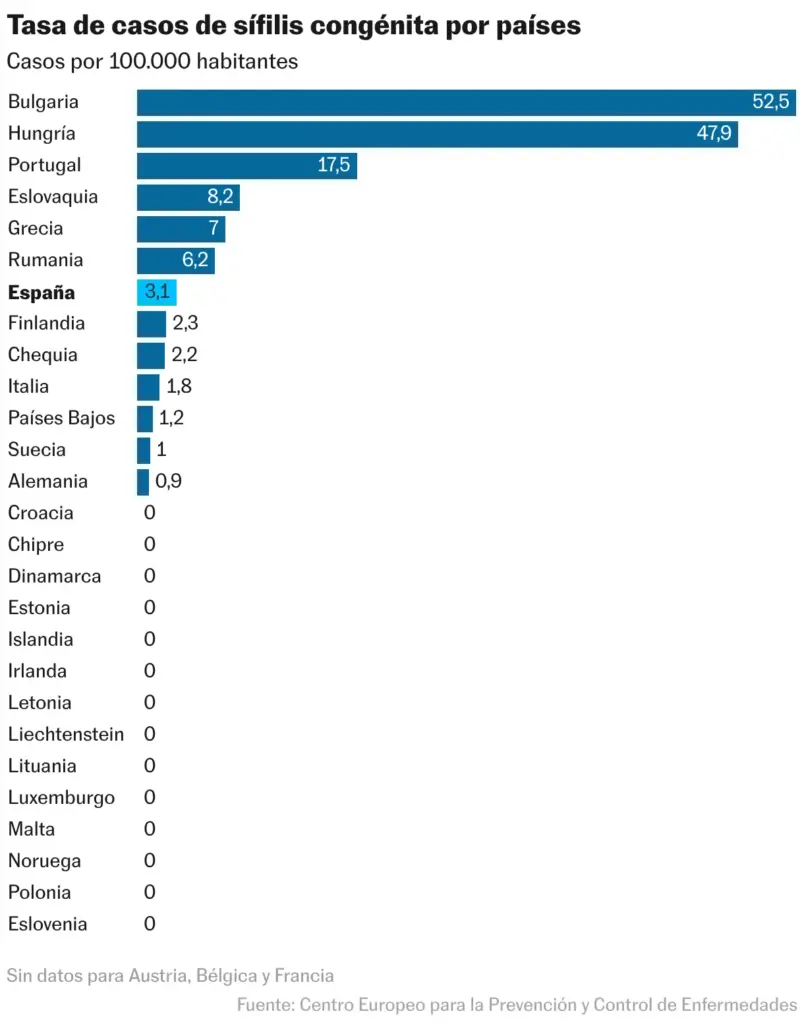
The infection during pregnancy causes, if not diagnosed and treated in time, severe complications such as miscarriages, fetal death, premature births, malformations, and neurological damage, among others. In the European context, Spain is positioned in an intermediate place between central and northern countries (with minimal or zero cases) and eastern countries, with very high rates. Hungary, for example, diagnosed 42 cases in 2024 among just 9.5 million inhabitants.
The ECDC calls on countries to “strengthen syphilis prevention among heterosexual populations, have effective prenatal screening programs, and consider universal second testing of pregnant women during the third trimester” of pregnancy. Likewise, the EU public health agency continues, “enhanced surveillance is essential, including linking maternal syphilis infections with birth outcomes, to identify prevention gaps and guide targeted interventions.”
Gonorrhea
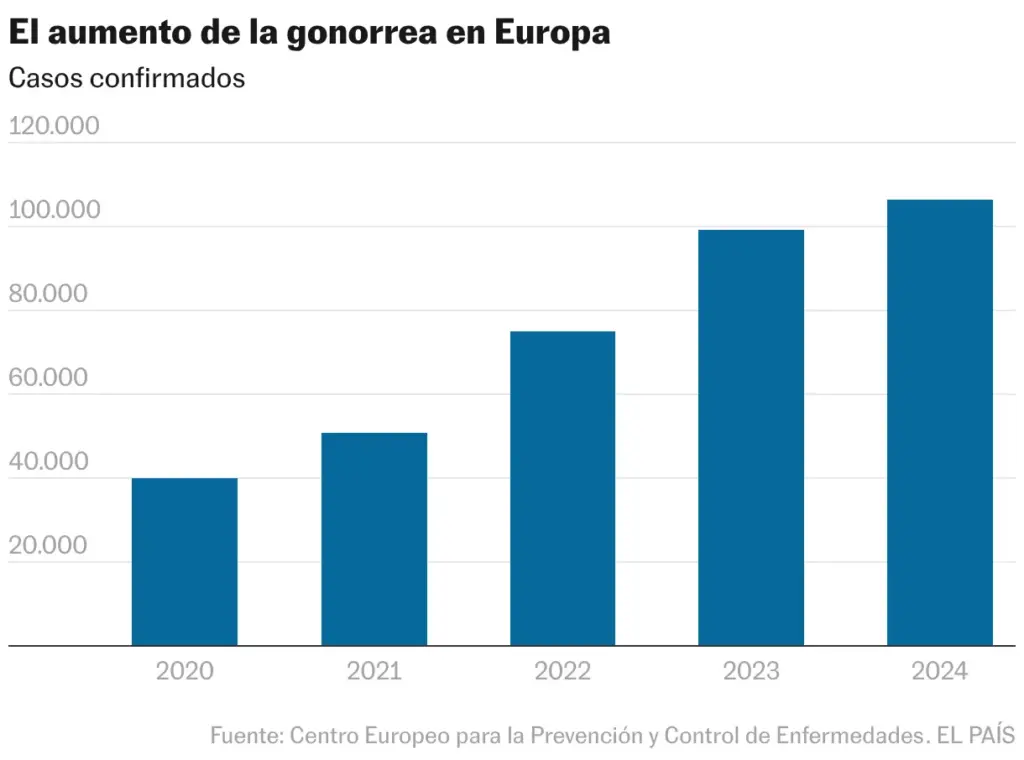
Europe is experiencing a significant gonorrhea epidemic — an infection caused by the bacterium Neisseria gonorrhoeae, also known as gonococcus — with more than 106,000 confirmed cases and a 303% increase over the last decade, according to ECDC data. “The rate is the highest recorded since European STI surveillance began in 2009,” the agency highlights. By age, incidence was highest among women aged 20 to 24 (60.3 cases per 100,000 inhabitants) and men aged 25 to 34 (145.5 cases per 100,000 inhabitants). Men who have sex with men accounted for 62% of reported cases. In the last year, a “gender split has been observed, with rates rising 7.9% among men and falling 8.6% among women,” the ECDC notes.
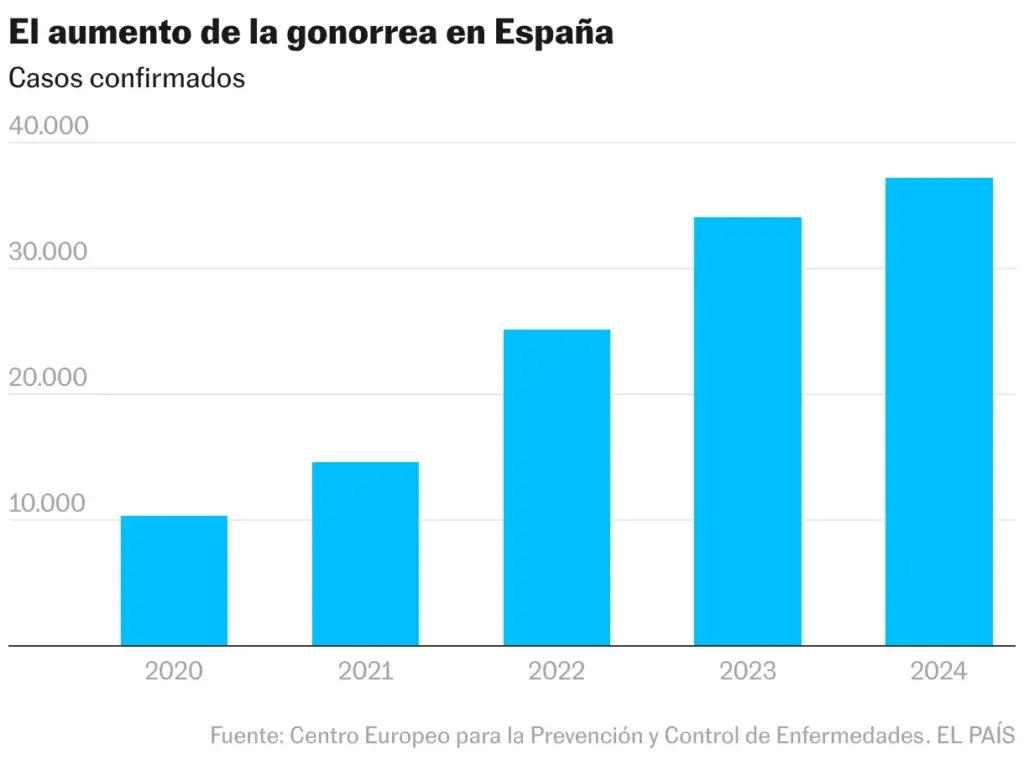
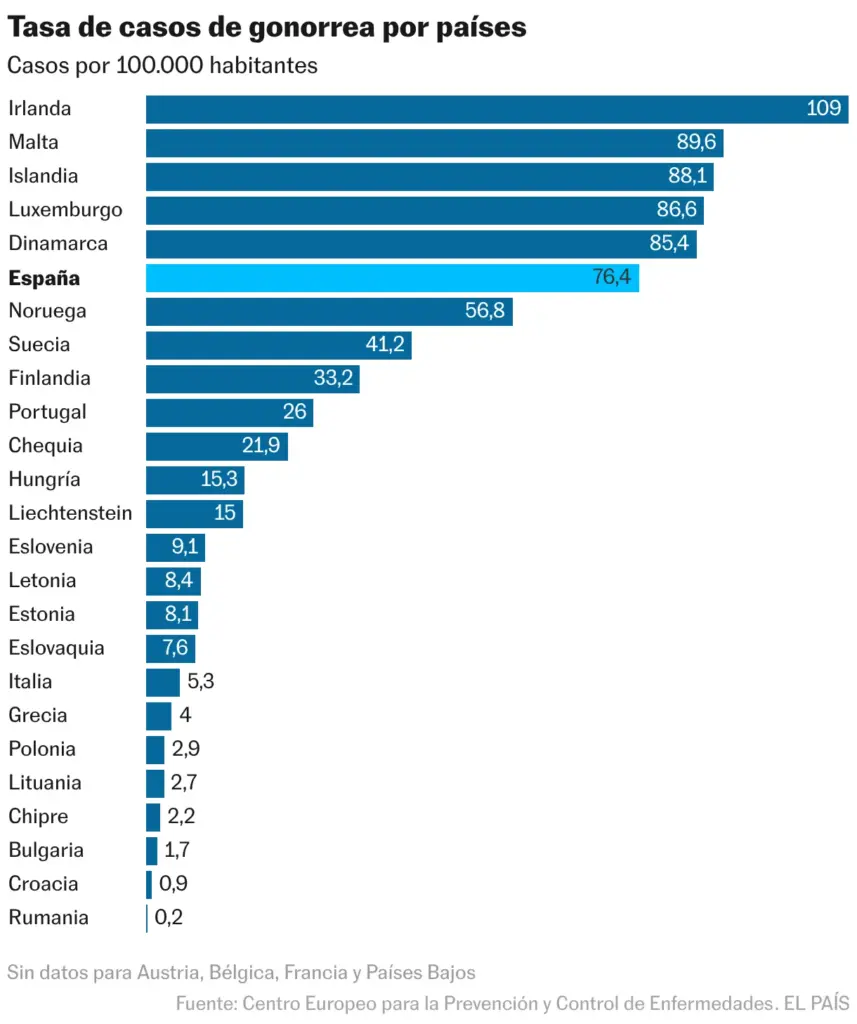
Spain is by far the European country with the most diagnosed cases, 37,169 (one third of the total), although in relation to each country’s population, Ireland (109 cases per 100,000 inhabitants), Malta (90 cases), Luxembourg (87), and Denmark (85) have higher incidences. Spain’s incidence is 76 cases per 100,000 inhabitants.
Lymphogranuloma venereum
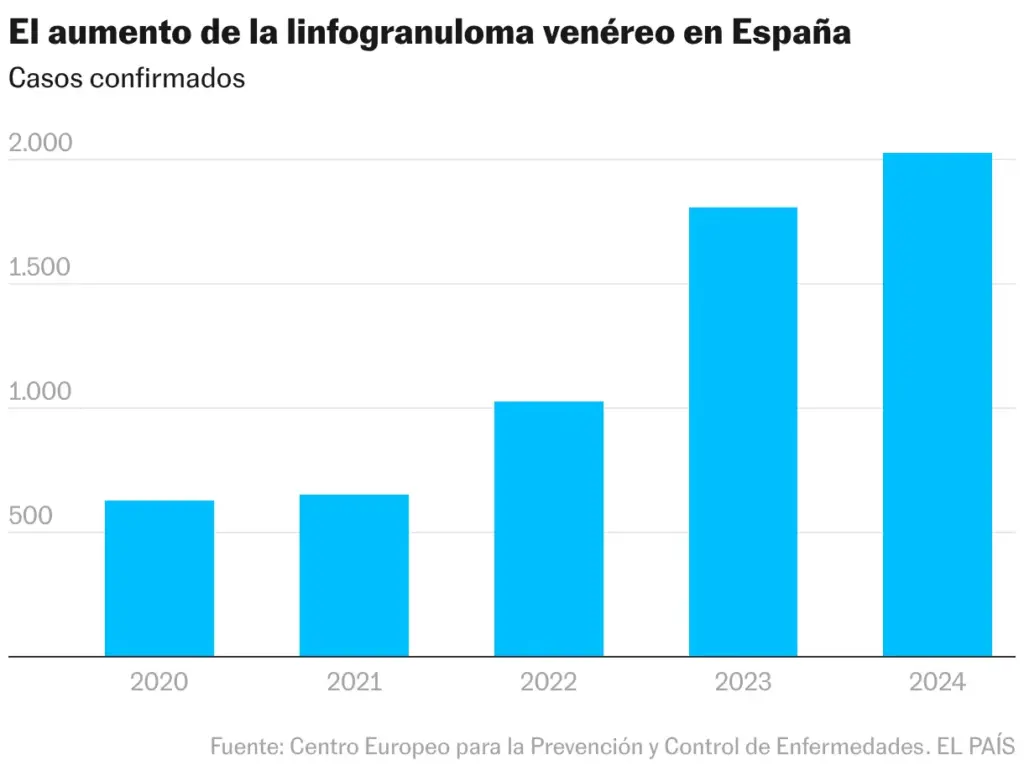
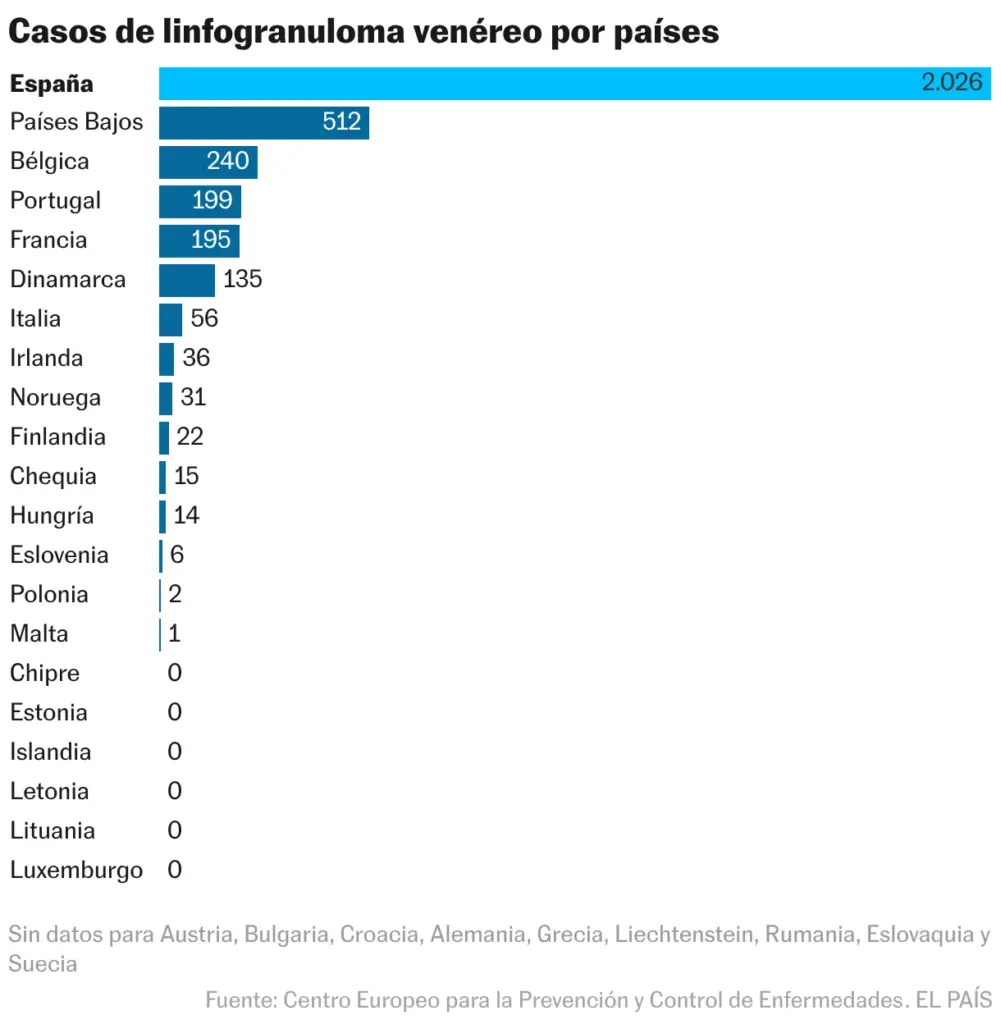
Lymphogranuloma venereum also maintains a strong upward trend in Europe driven by the large growth of the infection in Spain, the true epicenter of the disease. The country accounts for 2,026 of the 3,490 diagnoses made on the continent, 58% of the total. Within Spain, cases have skyrocketed since 2020, when there were 628. Lymphogranuloma is a sexually transmitted infection caused by strains of the bacterium Chlamydia trachomatis different from those that cause chlamydia and affects the lymphatic system. It can cause genital ulcers, vomiting, diarrhea, and, if untreated, external deformities of the genital organs. “Practically all cases are identified in the population group of men who have sex with men,” reports the ECDC.
Chlamydia
European countries detected more than 200,000 cases of chlamydia in 2024, a very common and often asymptomatic sexually transmitted infection. More than 70% of those infected are unaware, which is why it is also called the “silent” infection. When symptoms appear, they cause discomfort (pain, burning when urinating, discharge…) and the main risk, if untreated, is fertility problems in both sexes and chronic pelvic pain in women. It is an infection that especially affects younger population groups, and three out of four infections occurred in heterosexual relationships.
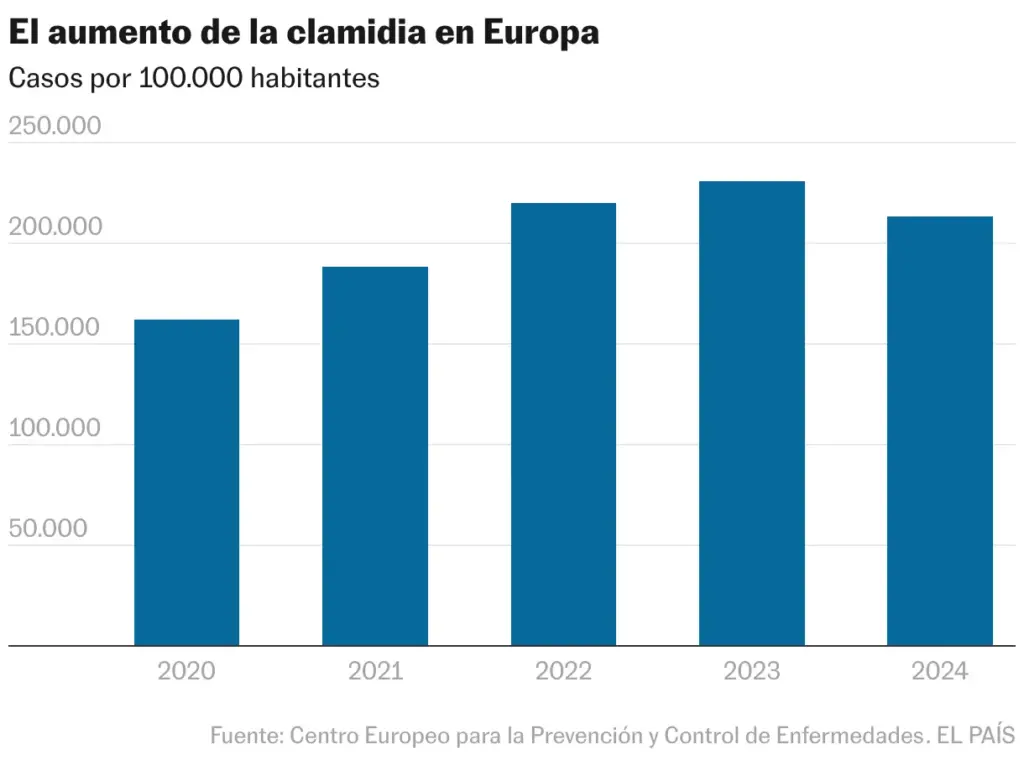
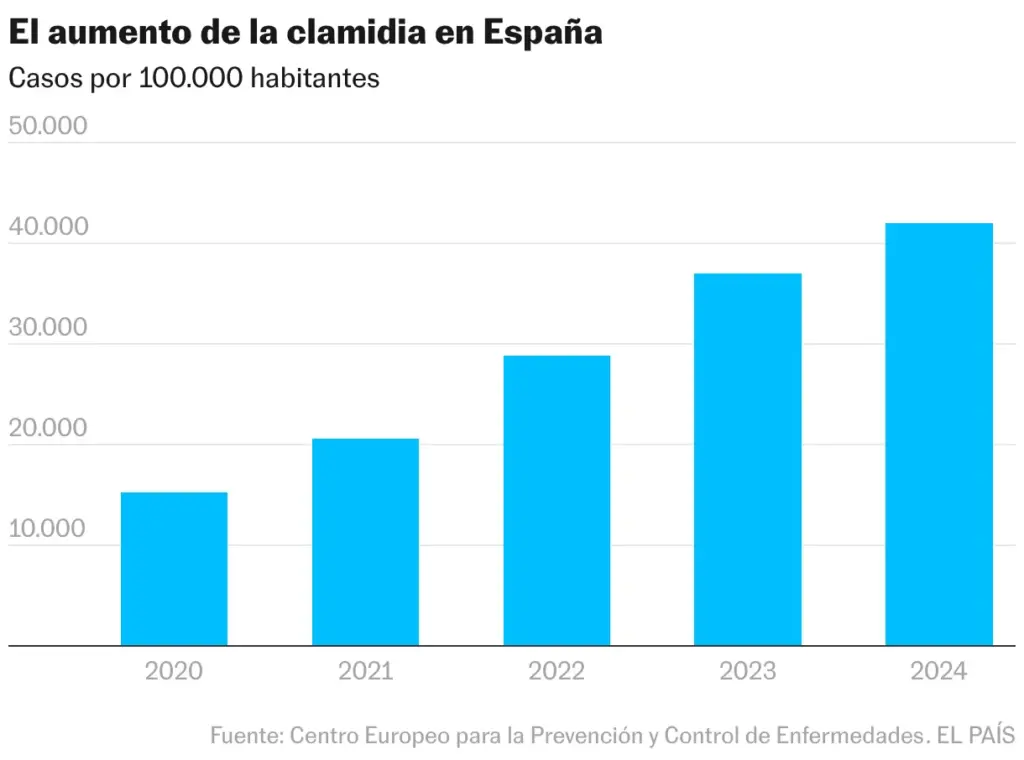
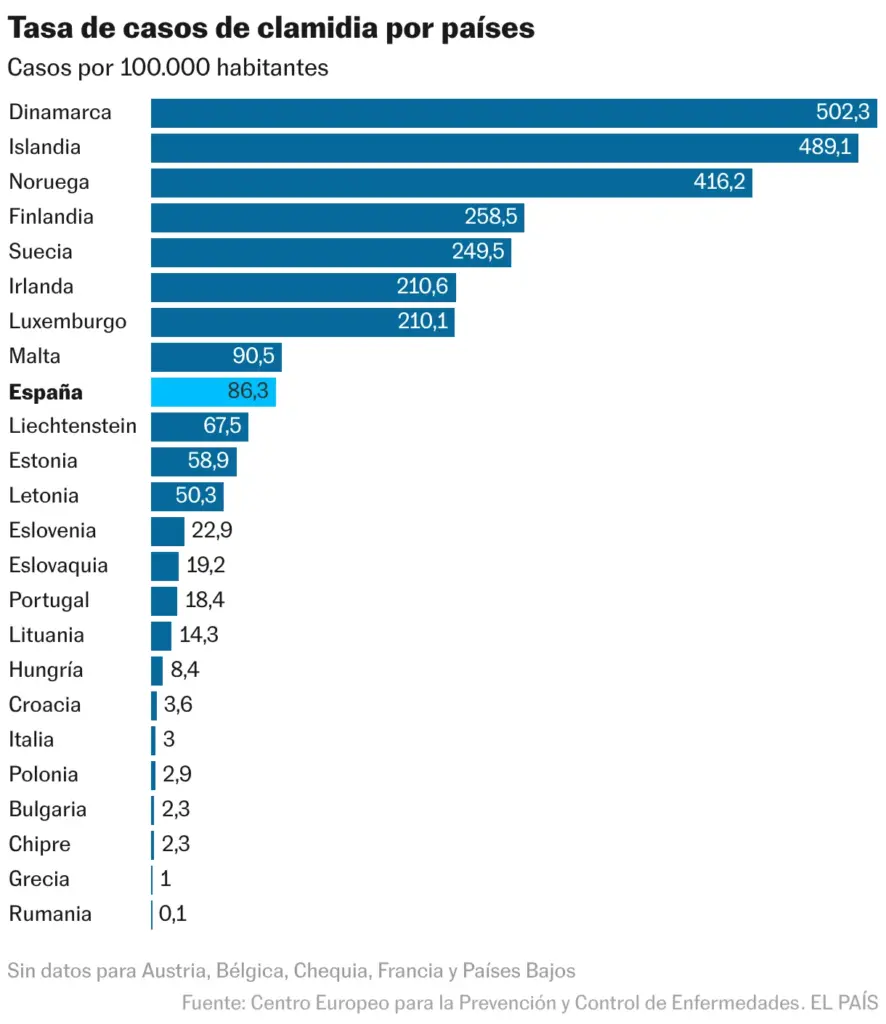
In this case, the comparison between countries and the evolution over years is not very illustrative of the magnitude of the problem (Europe even recorded a decrease in incidence on paper in 2024). This is because, being a very common and often asymptomatic infection, the published data often have more to do with the existence or not of screening programs and the effort made to identify new cases than with the intensity of pathogen circulation in a specific area.
Read more This portable lounger is carried like a briefcase and is a hit for the summer