






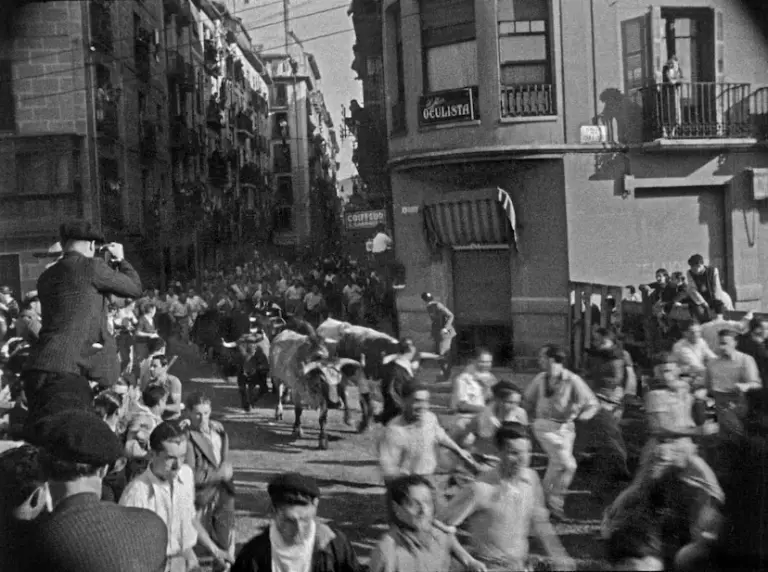
The new year kicks off with the premiere of Modern Times, Chaplin’s latest film reflecting the mentality, daily life, and precariousness of American industrial society. The magic of cinema allows one to forget, leave the crisis behind, and project a new truth to the world. Minutes before the film, which tours the entire country, begins, spectators watch the newsreel, a summary of world events in images. The screening on July 15, 1936, is dedicated to the Sanfermines in Pamplona, a city where the civic-military coup, in the words of General Mola, its director, is being forged, leading to a long civil war. Just 10 days later, audiences in American cinemas witness the closure of the French border and can see their own ambassador announce the dispatch of ships to aid their compatriots. The camera returns to the streets of the Navarrese capital; the celebration is now a military parade and a parade of women’s organizations, blended in perfect harmony with the background music. The American eye, like the rest of the world, turns to Spain, a country in arms, transformed into Europe’s cockfight.
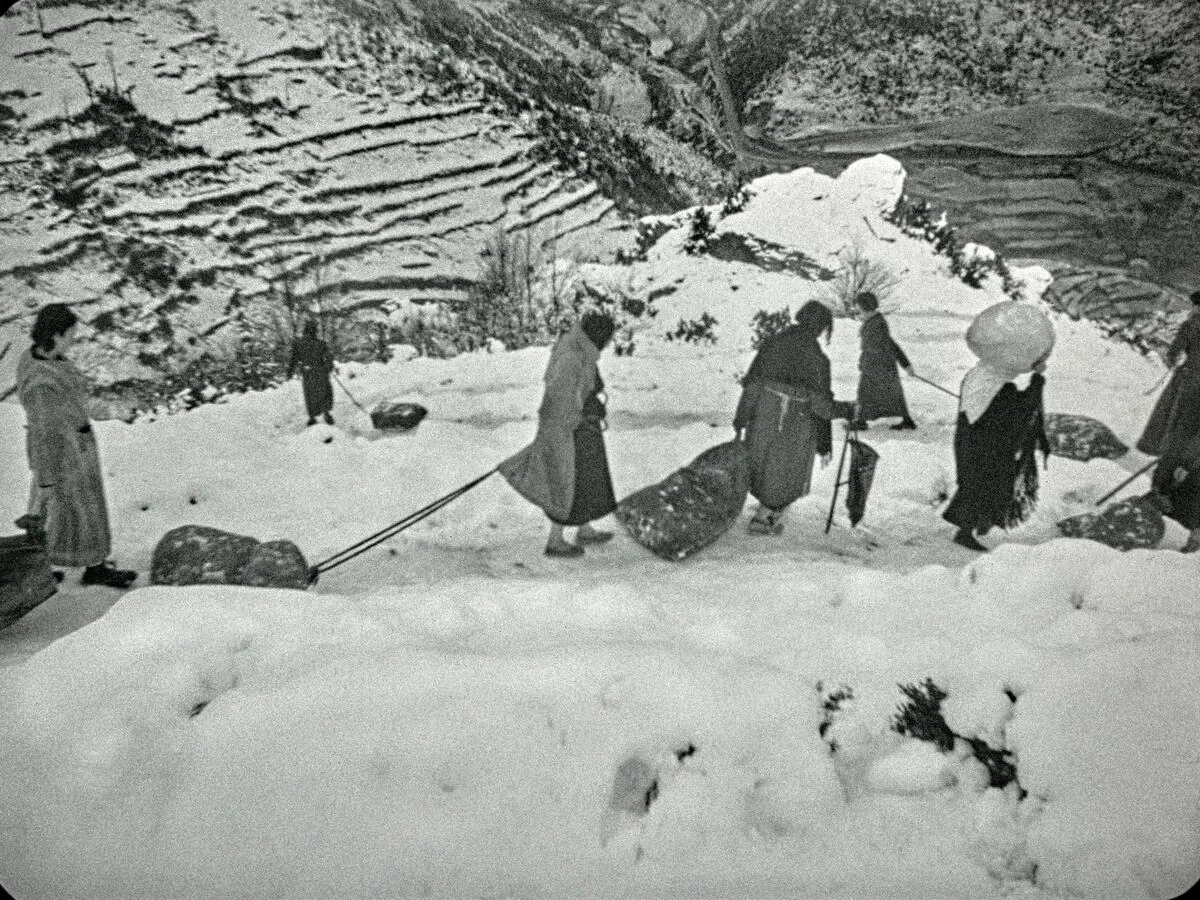
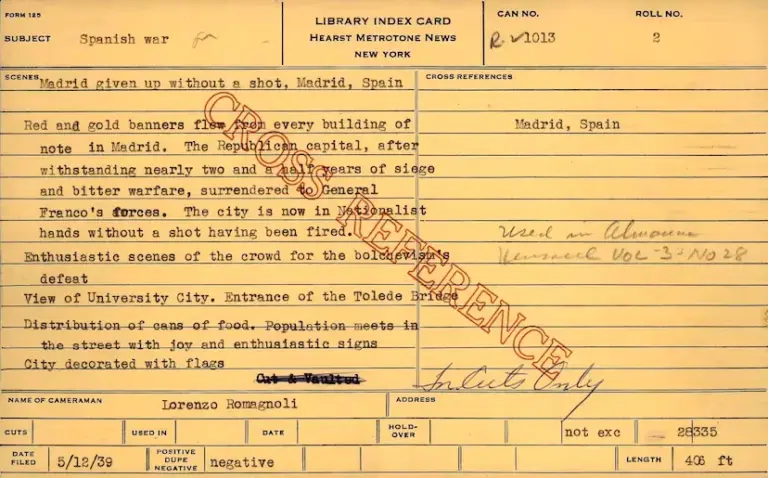
These unpublished images are part of one of the largest historical film archives in the world. A vast amount of material (nine million meters of 35-millimeter film) shot in different parts of the planet to edit the well-known Hearst newsreels, produced by the corporation of press magnate William Randolph Hearst and screened in North American cinemas between 1914 and 1967. Within this enormous collection, there are 288 films recorded during the Spanish Civil War. Most of them are nearly 30,000 meters of unknown film. All this material, donated to the University of California in 1981, is digitized and can be consulted on the website www.newsreels.net, forming part of a large project under construction. Researcher Silvia Ballester, who has been working on it for years, acknowledges that the original description of the films is incomplete and, in many cases, erroneous. A problem that, moreover, is shared by most of the large collections on the Civil War that have emerged in recent years. The National Library, the Keystone Agency, which has ceded part to the University of Alicante, those of Gerardo Contreras in Madrid or Jalón Ángel in Zaragoza, Gerda Taro in Barcelona, or those of Katy Horna and Margaret Michaelis in Amsterdam, to name just a few of the most recent. All of them have undertaken a great work of conservation and digitization of images that barely have dates, references to the characters, or to the places and circumstances in which they were taken. Despite these limitations, they open a portal to return there, to the moment when Spain captured world attention, while connecting with another phenomenon originated at that time: how political decisions are projected to public opinion through images.
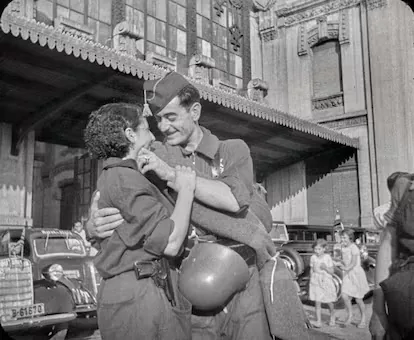
Gallery of unpublished and forgotten images of the Spanish Civil War
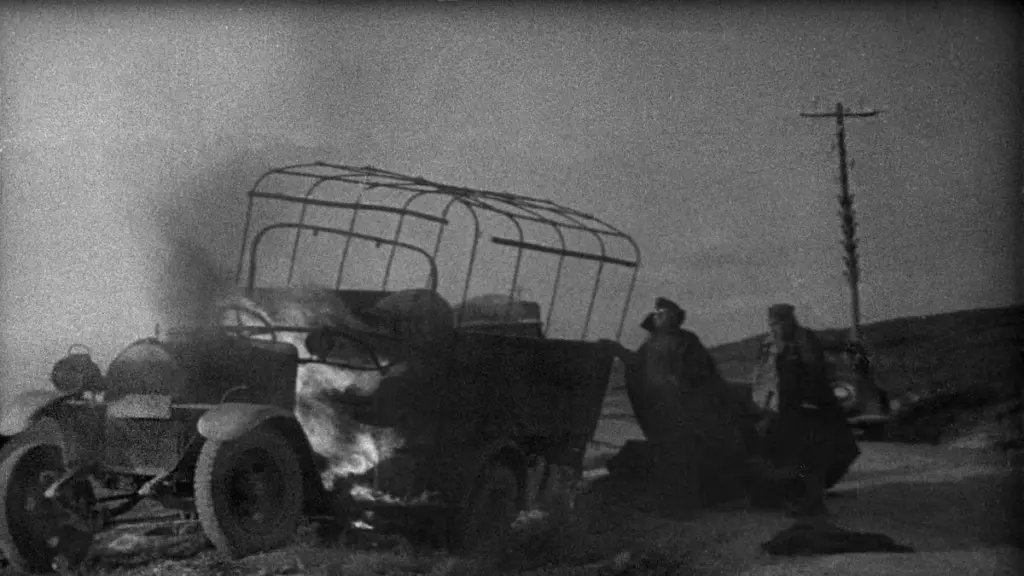
The American stance was swift. Neutrality and humanitarian aid are the two basic principles that their newsreels began to repeat at least from August 3, 1936, when the narrative of non-intervention appeared fixed in images. They structured three differentiated groups: the two warring factions, the suffering of the civilian population, and humanitarian aid to refugees. That same day, for example, footage of the northern cities controlled by the rebels was shown again, but a notable visual contrast was introduced with those of the Levante and the south. The American public saw, for the first time, a train full of militiamen with their fists raised. The tension is resolved in the final minutes, thanks to a children’s camp where kids laugh and play with the large hats of British police officers from Gibraltar. Like the English or French newsreels, the Americans sought to be impartial, not conveying the idea of internationalization of the conflict but rather its consequences through spectacular and emotional shorts, with a fast pace; a week later, under the usual whirlwind of silent films, battles in the Sierra de Madrid and the siege of the Alcázar de Toledo, “the Spanish West Point,” followed. Their cameras arrived before military censorship and respective propaganda intervened. An army in espadrilles, with obsolete weaponry, predating World War I, formed by men and women alike, burst into the big city. While the voice-over speaks of revolution and a war without mercy, an endless line of dead lies on a road leading nowhere. That is where we must look. A tragedy, a horror, that we never fully internalize. The newsreels take us back to the heart of our barbarity, while allowing us to explain, to deactivate the visual machinery of deception and lies that still surrounds the Civil War.
An important particularity of these newsreels is that they preserve outtakes and footage that was not screened in cinemas. This material is very difficult to locate but offers an enormous historical and anthropological richness of our Civil War. They are true masterpieces of the seventh art. Amidst the smoke and the rapid advance towards Madrid, one can see the arrival of the rebels in Getafe, the moment they spot their objective, the capital. War scenes, hand-to-hand combat, in which the presence of women is absolute. They are aimed at an audience accustomed to this, which has a weekly space dedicated to “women’s issues.” The war is inserted into their leisure and distraction time, cinema, with everyday scenes, from Guadarrama to Casa de Campo and from Malaga to the Aragon front, of that improvised popular army they call “militia,” in one of the few resonances of their own civil conflict. There are other much less known and unusual images, such as the interview with Manuel Hedilla, a Falangist leader who had a safe-conduct to move freely and spoke of his political project before falling from grace after refusing the Francoist unification decree. This material, discarded in some cases for its harshness or for deviating from the official American discourse of neutrality in others, also points to a false stereotype: neither the agencies nor the foreign war correspondents massively supported the Republic.
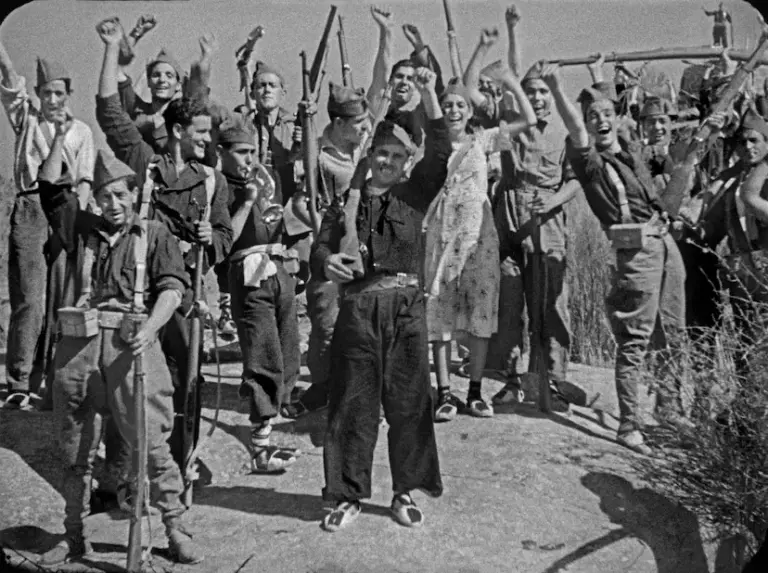
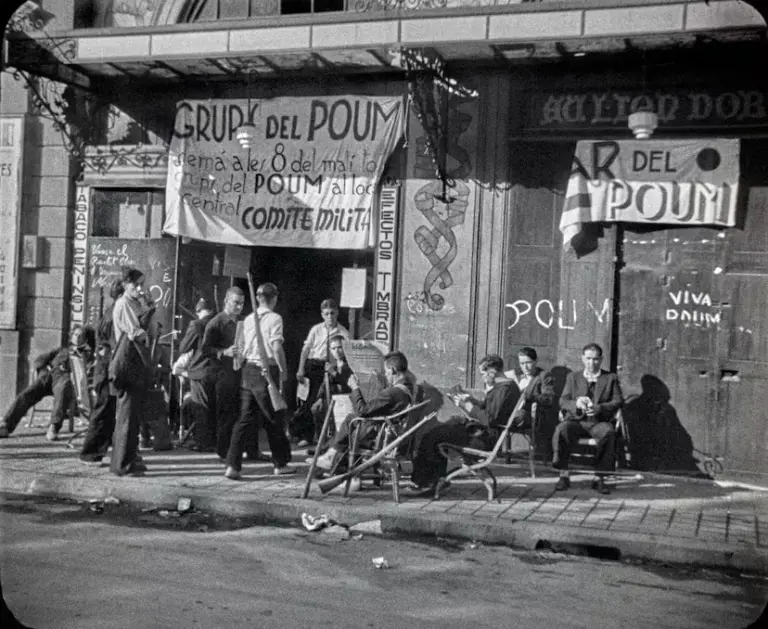
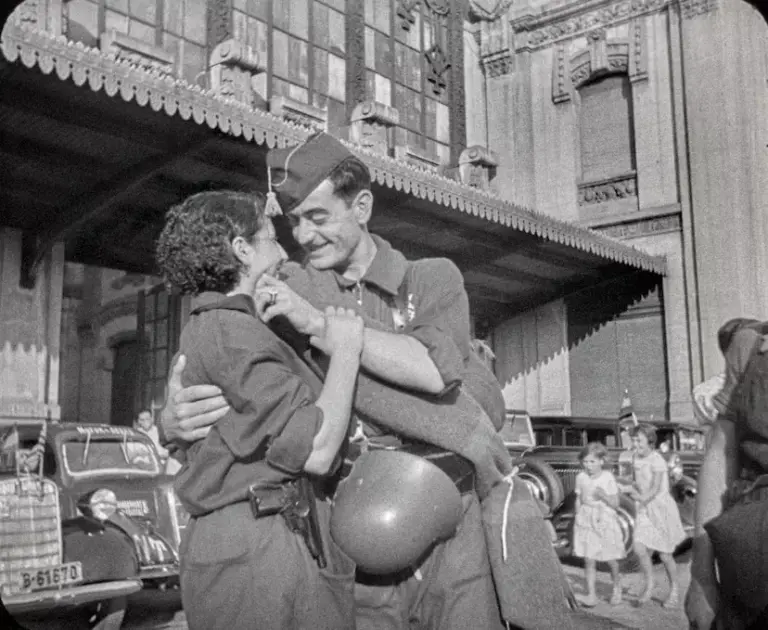
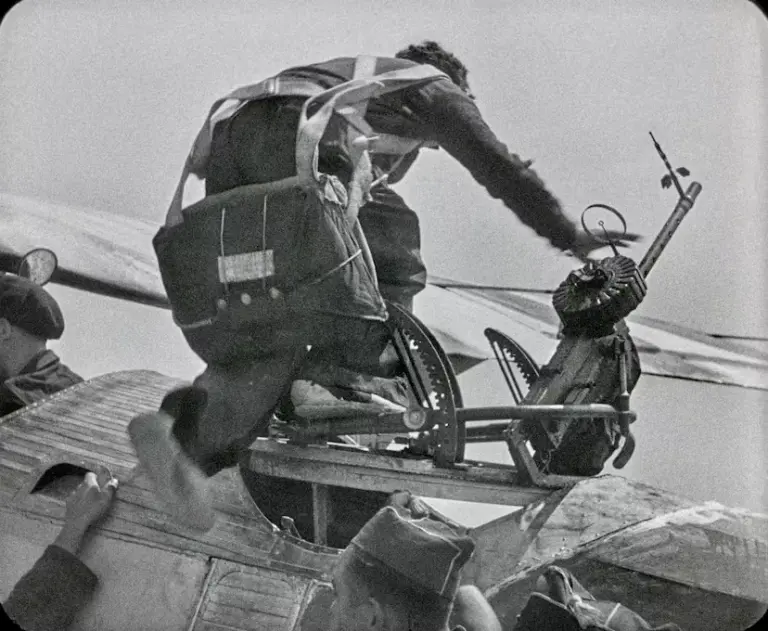
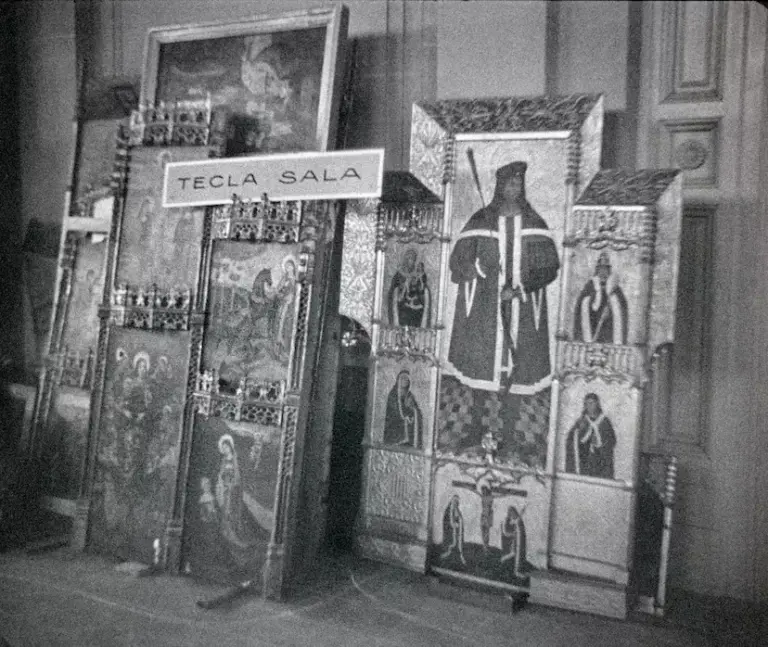
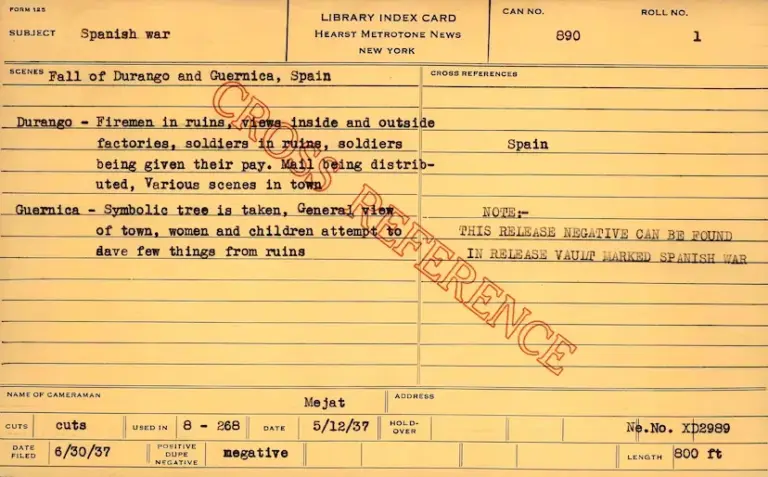
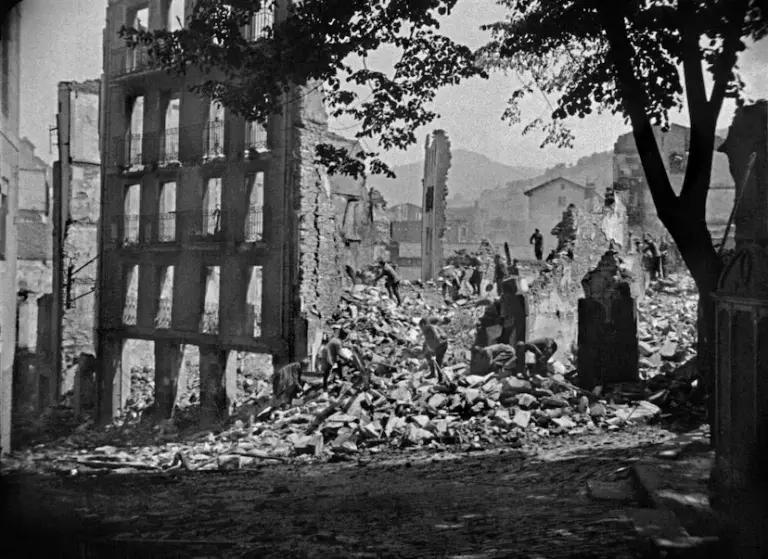
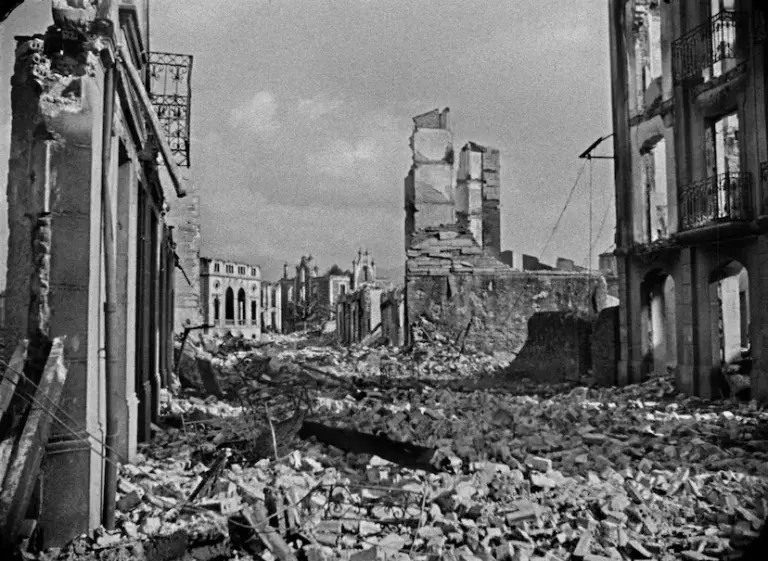
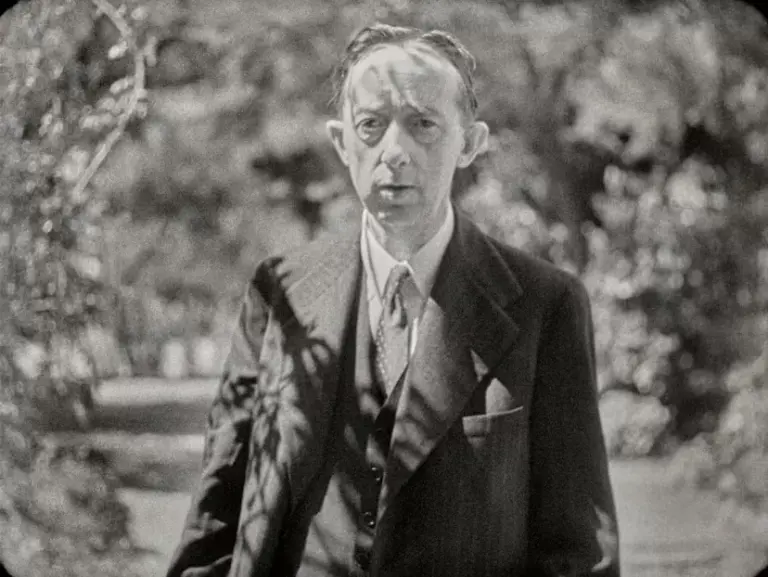
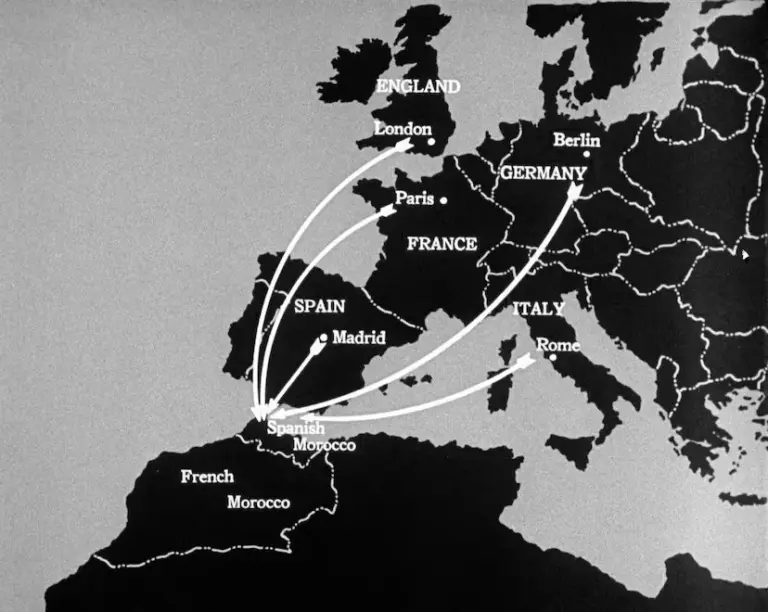
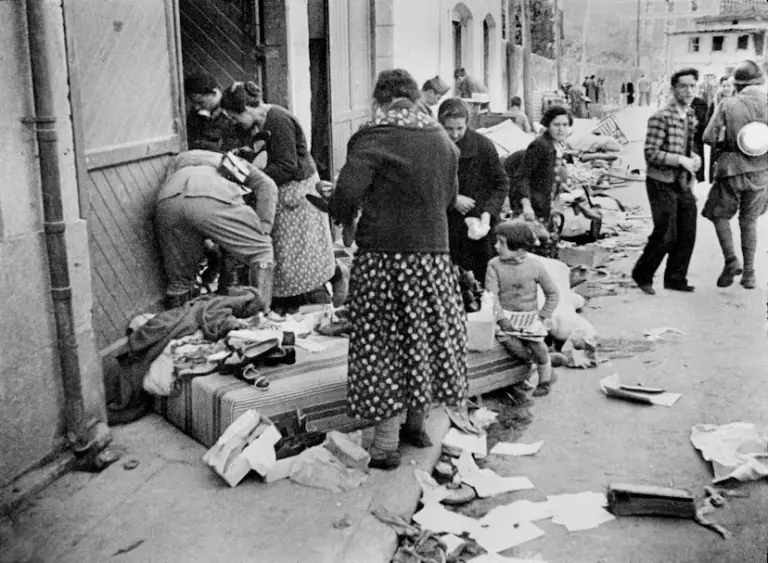
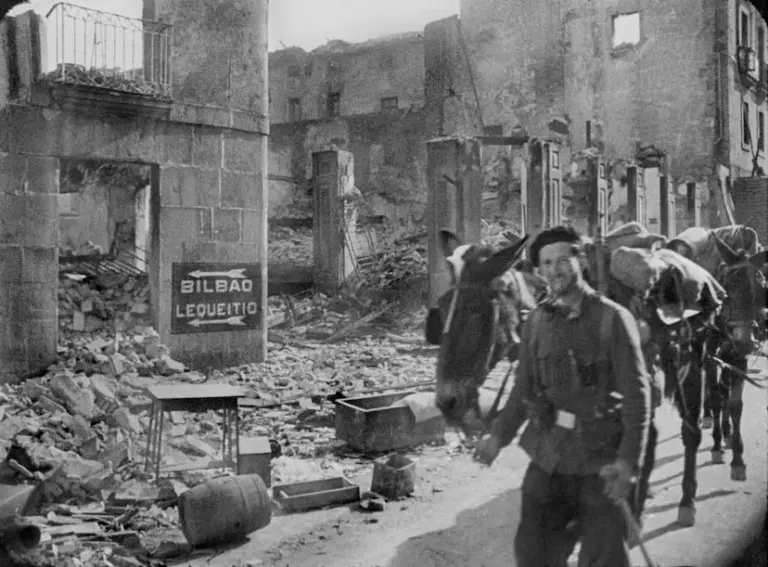
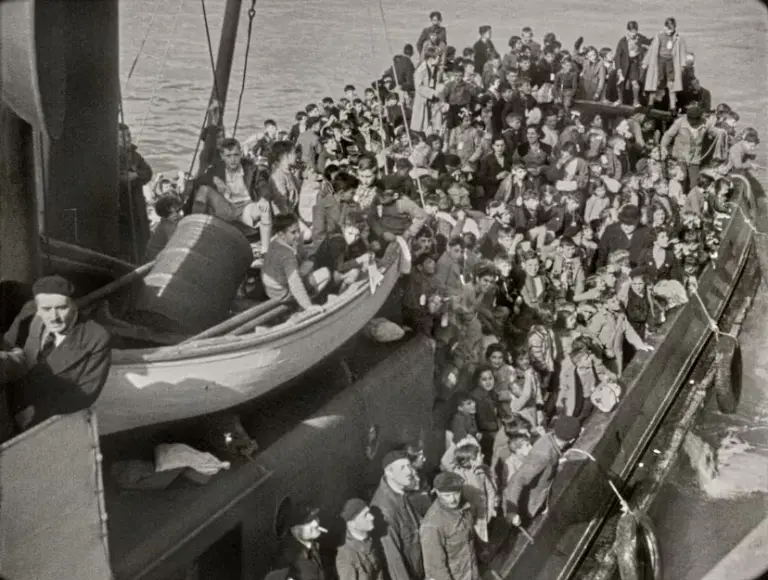
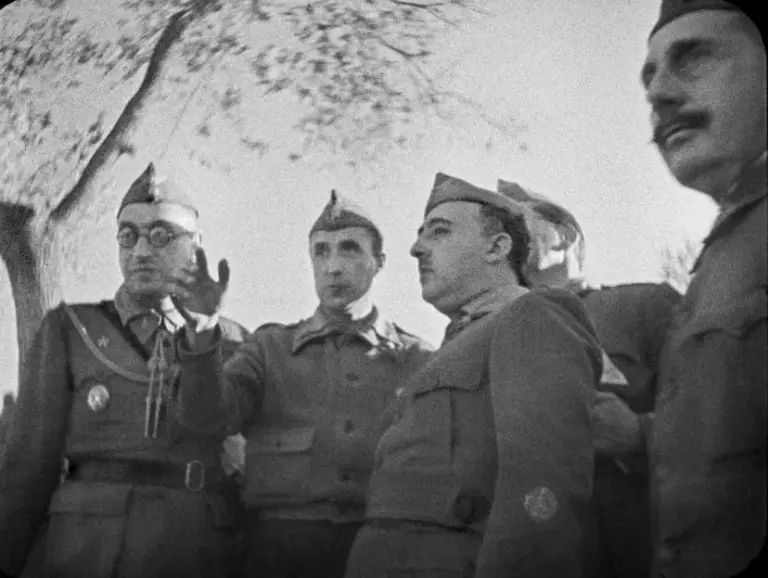
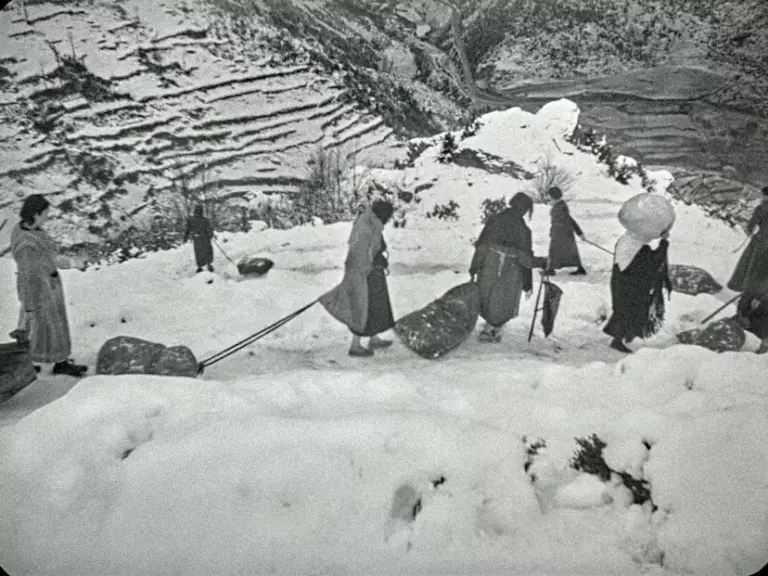
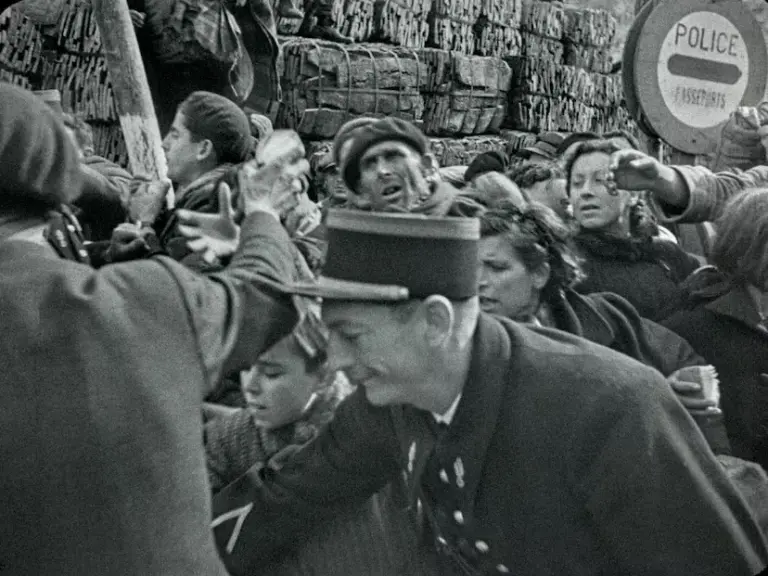
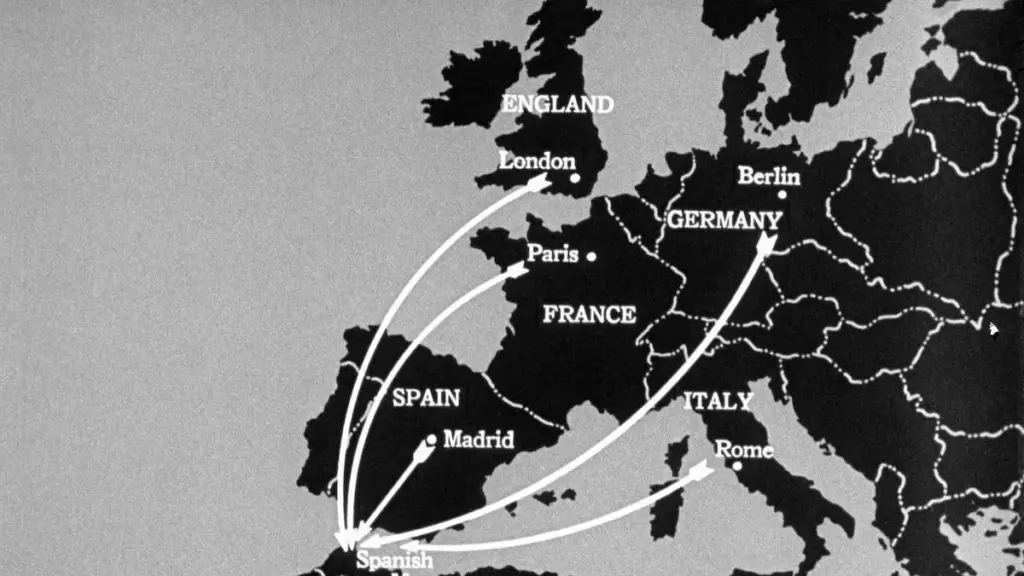
In early September, in fact, when the advance towards Madrid reached an unstoppable pace, Secretary of State Cordell Hull declared that “the color of peace is the color of civilization” in a clear reference to the end of a conflict that the entire international community took for granted. This was not his only appearance in the newsreels. His messages were based on reports from Ambassador Claude Bowers and on the coverage of the Spanish Civil War by major press outlets. The New York Times, The Washington Post, Los Angeles Times, Chicago Tribune and The Nation showed the great pressures from the Catholic lobby to impose the Neutrality Act and the implementation of the arms and oil embargo, clearly favorable to Franco, whom they supplied in much greater proportion. However, a significant part of their public opinion, as the Secretary of State himself acknowledged, was favorable to the republican cause, which is why, although without departing from the non-intervention designed by the British, their attitude towards the Spanish Civil War evolved. A calculated ambiguity that was visually transmitted through cinema and newsreels. The shift of the war to the north, to the industrial heartland par excellence, is one of those moments of change. Reports with maps and graphic materials prepared by the Embassy and the State Department followed, warning of the risk of German plans to incorporate Morocco and Spain into their colonies. While Italy celebrated the incorporation of Ethiopia and the voice-over spoke of half a million deaths in the Spanish war, the screen focused attention on a fixed point: Gibraltar.
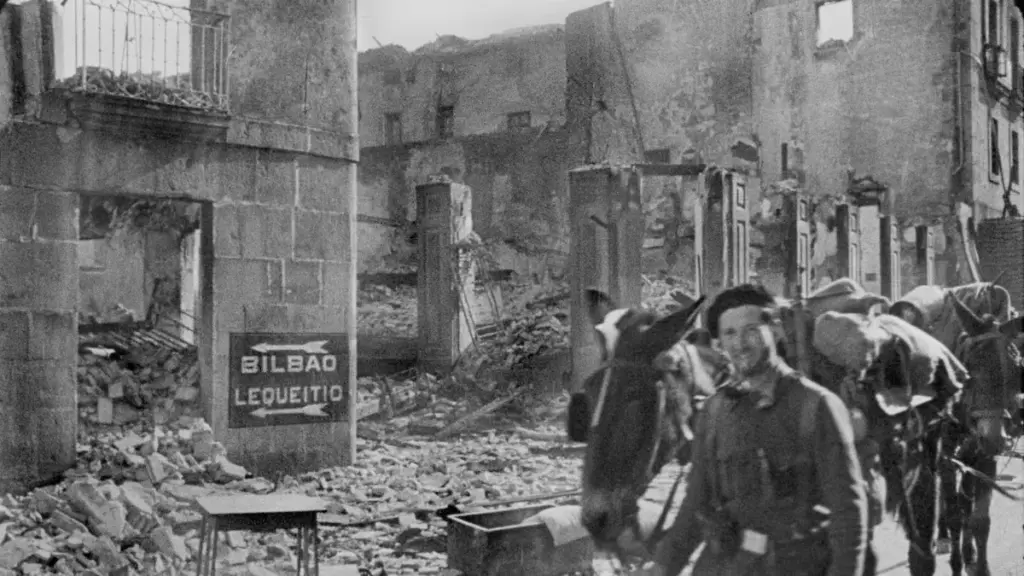
Shortly after, the first recordings of the bombing of Gernika, “the sacred city of the Basques,” were exhibited, which dawned amidst smoking ruins and burning houses; a sensation of terror and anguish that increased with the launching of the Deutschland, the German warship heading for the waters of the Strait, contrasting with scenes from Bilbao or Santander, where hundreds of hungry children crowded in the ports until their ships arrived with humanitarian aid. This image of refugees is the last that American viewers would see for a while. The Spanish conflict dragged on, losing interest due to the Sino-Japanese War, and the Battle of Shanghai ended up shifting the focus to the Pacific. In the summer of 1937, Spanish Earth premiered at the request of President Roosevelt himself, who invited delegates from the League of Nations to a screening at the White House. The project was entrusted to Dutch filmmaker Joris Ivens, with a script by writers Ernest Hemingway and John Dos Passos and the powerful voice of Orson Welles for narration. It is one of the most harrowing testimonies of what the entire world, and specifically America, was risking in the Spanish war. At the end of the screening, Roosevelt publicly expressed his sympathy for the republican cause but acknowledged that he could not take any position regarding the conflict other than non-intervention. The film remained outside the distribution channels of a film industry that did not want to support any film that generated controversy or deviated from the “American pacifism” declared by the president.
Despite the position of most studios, there was no shortage of screenwriters, writers, actors, and filmmakers who captured their vision of the conflict. Many films were inspired by or fully described a war that became the world’s first media-driven armed conflict. This is the fundamental focus of Hollywood contra Franco, a documentary by Oriol Porta awarded at the New York Film Festival, which not only compiles these films but also explains how many of them were sidelined and ignored, and, even more surprisingly: how some of cinema’s mythical scenes, among those films that achieved success, were deactivated or served to give a version completely contrary to the original. The best known is, without a doubt, Casablanca, in which Rick’s past as a member of the International Brigades contributes to building Bogart’s character. Released in a context marked by the United States’ entry into World War II, it reaffirms the idea of freedom, civilization, and irreconcilable conflict, which the Civil War newsreels had been showing for years. Rick’s American Café is the same place that welcomes those fleeing terror, refugees departing from Europe to America, evading the Germans and their French Vichy collaborators. In Spain, the film premiered in late 1946, without the scene of La Marseillaise and placing Bogart in Ethiopia and Austria to avoid any of these mentions. But the problems did not only come from Francoist censorship, as demonstrated, among others, by the case of writer and screenwriter Alvah Bessie. After fighting with the Lincoln Brigade, he returned to Hollywood, where he continued his work until the witch hunt began and he was arrested by order of Senator McCarthy’s House Un-American Activities Committee. Years later, the foundation managing Charles Chaplin’s rights would prohibit the use of a shot of the actor next to a poster that read: “The Nazis bomb Gernika” on the grounds that his figure was being used politically. The Civil War is part of an uncomfortable past, and its images continue to be at the center of global dispute.
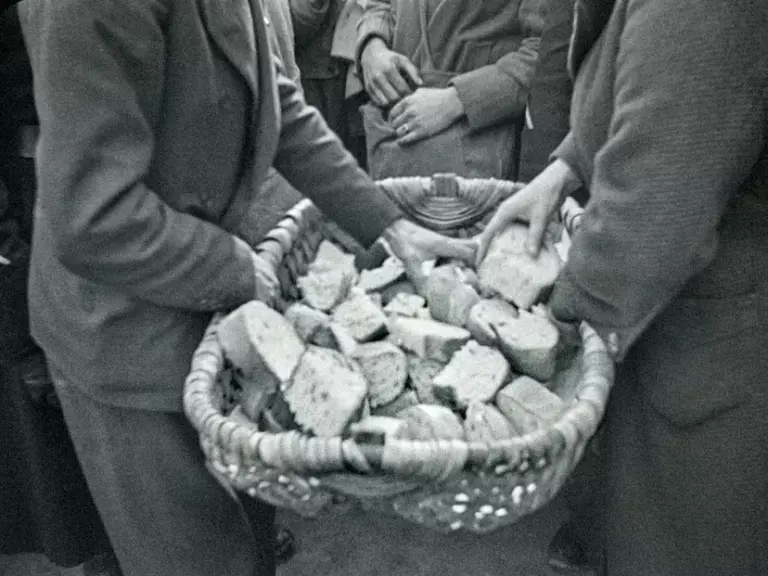
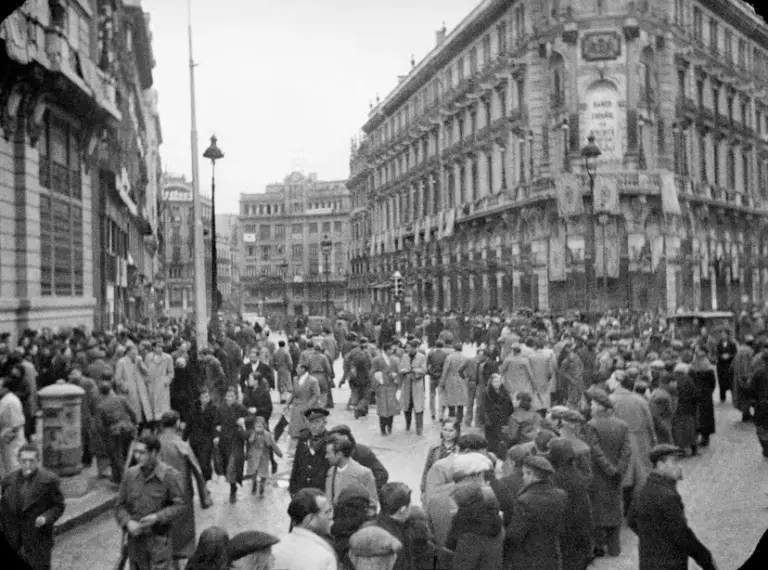
Although the discourse of neutrality was well established in American cinema newsreels, they soon directed growing external threats towards their own national security. After witnessing the devastating air power of the Axis, the viewer sees Edgar J. Hoover present his star project, the FBI. Shortly after, in June 1938, the existence of the American counter-espionage agency became known, following reports on Japanese naval power and Russian military rearmament. News of the war in Spain, by then, arrived with considerable delay. Franco’s troops reached Castellón and entered Barcelona almost simultaneously. The war was lost for the Republicans. The Battle of the Ebro, the longest and most decisive, disappeared, as did Negrín’s intervention before the League of Nations. “Europe awaits the Czech surrender,” referring to the occupation of the Sudetenland by German troops, while the newsreel called the Munich agreements a “pact of peace.” Preparations began for the recognition of Franco as the sole legitimate government of Spain, a position jointly advanced by the British and French. Finally, the newsreels showed the exodus of refugees to France, insisting that they received medical and humanitarian aid. Nor was there any trace of concentration camps in the minutes dedicated to prisoners of war, “for them the war is over.” The image change culminated with the entry into Madrid. Franco, the new statesman, assured that there would be no reprisals and exchanged bullets for loaves of bread to aid an immense starving population. An ephemeral message of peace that also faded away due to the innumerable conflicts that unfolded before the eyes of American spectators.
Prague, Warsaw, Paris, Dunkirk, and, finally, Pearl Harbor. Spain would take time to reappear in American newsreels, in a context, that of the Cold War, where the message and technical means changed completely. Traditions returned, the Sanfermines and processions, but the lunar landscape of war disappeared forever. Hollywood stars were received in El Pardo and color flooded the beaches. All these films are part of our history, and in them, hundreds of thousands of faces, moments, and scenes have been recorded that we must continue to try to identify and incorporate into the general public, without ruling out that new important findings may still appear. Because the Civil War, like all history, is still under construction.