









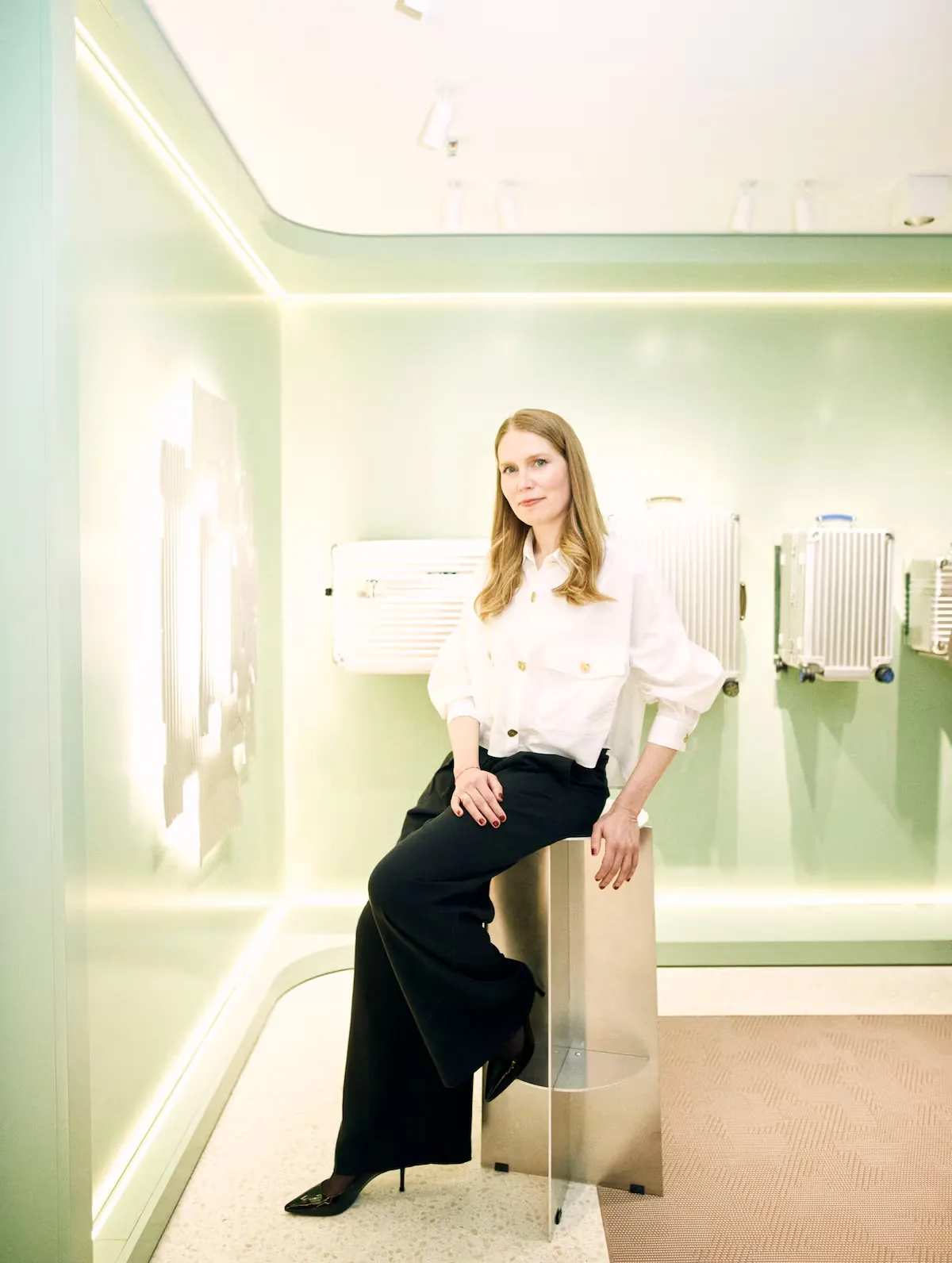
They have been run over, hammered, set on fire, and even put in the jaws of a crocodile. They are so confident in their durability that on one occasion they tested it by throwing a suitcase from the top of a crane. “The brand’s value has been the same since day one: to design an object for a lifetime,” says Parisian Mathieu Plenier, who joined the brand as global director of Brand Collaborations and Special Projects in 2021 and last year took on the role of marketing director. “There are very few objects in the world that you will keep forever. A Rimowa is one of them.”
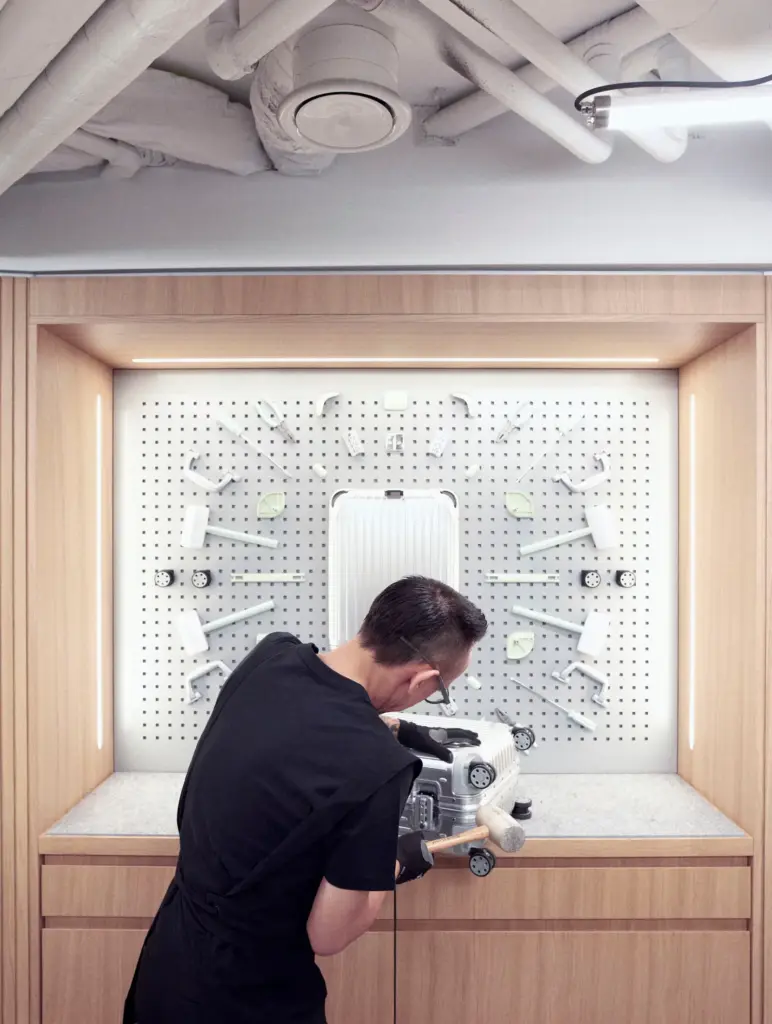
Scratches, dents, and stickers are part of the game. Stamps in the vital passport of the suitcase and its owner. They understand them as mementos. Far from erasing them, they show them off. In fact, since 2023 they have a program, Re-Crafted, through which they recover, restore, and put used suitcases back into circulation while preserving those marks that make them unique. And the demand is surprising. That patina which in another context would be seen as an imperfection becomes a visible expression of resistance and accumulated experiences. They are credentials. Proof that a Rimowa is for life. “A companion,” says Plenier. And a faithful one.
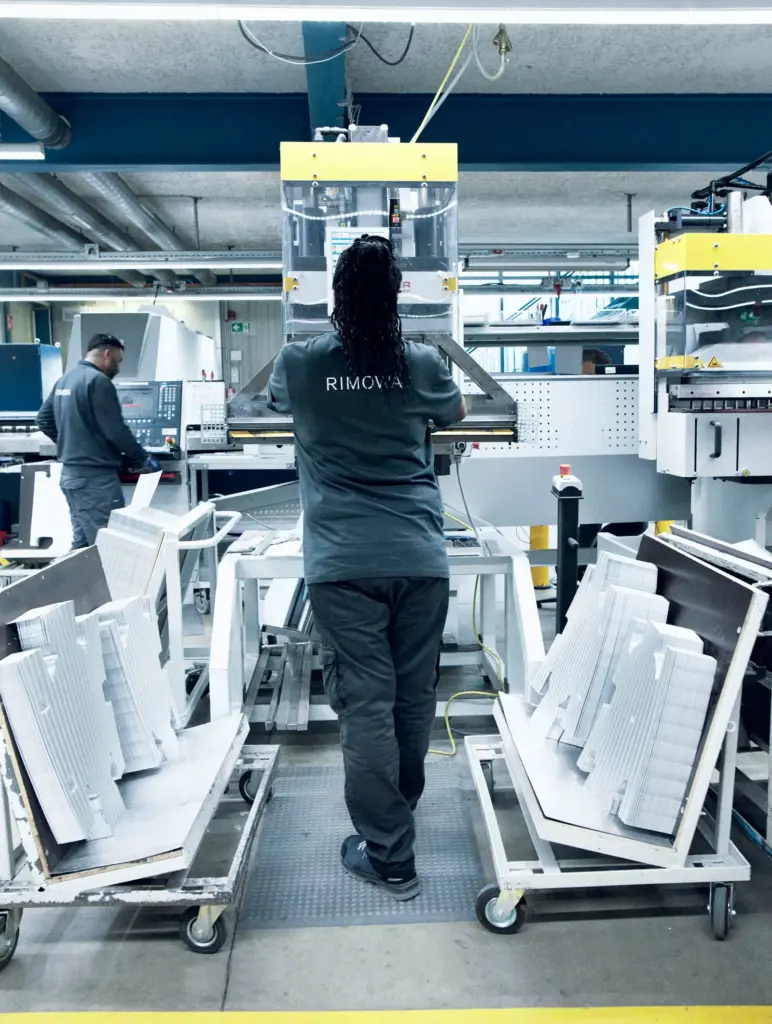
Building it is incredibly technical and surprisingly artisanal: each suitcase requires more than 200 components and 100 steps, and most involve one person. In the factory in Cologne (Germany), the sequence is rigorous. First, the corrugation of the aluminum sheets. Then the cuts, strategic, which allow shaping it as if it were origami. They are not made by laser because those would be clean, and they need grooves and reliefs for assembly. So they use machines that punch, perforate, and hammer, dancing with a rhythmic tapping that, even muffled by headphones, sounds like a night at Berghain. Next comes framing, where the anatomy of the suitcase materializes and a unique identification number is placed that allows tracing each piece — because imitations proliferate. Then the corners, the logo plate, the telescopic handle, the locks, the wheels. And what they call “the marriage,” the point where the two halves join “forever.” Then the interior lining. To finish in a soundproof room where manual calibration is done. Hammering, pulling, twisting… “Like a massage. But Thai, not relaxing,” jokes one of the operators. “Understanding how each suitcase is made was what struck me when I arrived at Rimowa,” explains Mathieu Plenier. “It’s an incredible balance between engineering and craftsmanship. It makes you see how unique it is.”
How Rimowa stopped being a container to become a cultural artifact is due to a combination of good decisions. Partnering with artists, from interventions by Alex Israel and Takashi Murakami to the sculpture series by Daniel Arsham. Collaborating with Porsche, Vitra, Supreme, Tiffany, Mykita, Rick Owens, and a very long list of design greats on all fronts. Signing Roger Federer, Rihanna, and Patti Smith — who even wrote them a poem. Organizing exhibitions from Sotheby’s to Art Basel. Launching their own Design Prize to spur emerging talent — not only with money but also mentorship. Reviving Der Eigene, one of the first queer publications, established in Berlin in 1896 by Adolf Brand. And orchestrating custom pieces without creative limits: the wine trunk for LeBron James or the briefcase they just made for composer Hans Zimmer for his European tour. Basically, a studio on wheels.
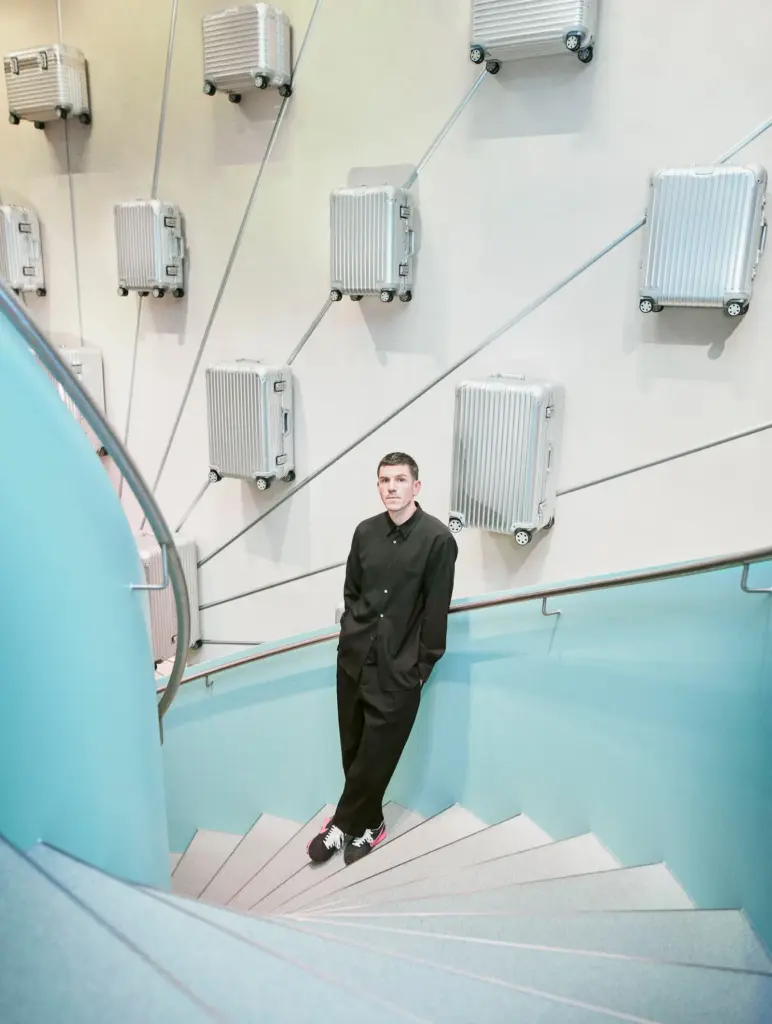
That dynamism, Plenier affirms, “has been there from the beginning.” Founded by Paul Morszeck as a harness maker in 1898 — the same year Santos Dumont debuted his balloon and Spain saw its first electric tram — in this century and a quarter Rimowa has known how to move in step with the times both in the anatomy of its designs and in its narrative. For them, mobility is a technical and cultural thermometer. “There are two ideas we handle well. One is Ingenieurskunst. The other, Zeitgeist,” explains the executive. The art of engineering and the spirit of the age. “The goal is to be culturally relevant, but also to create something that makes sense, where form follows function.”
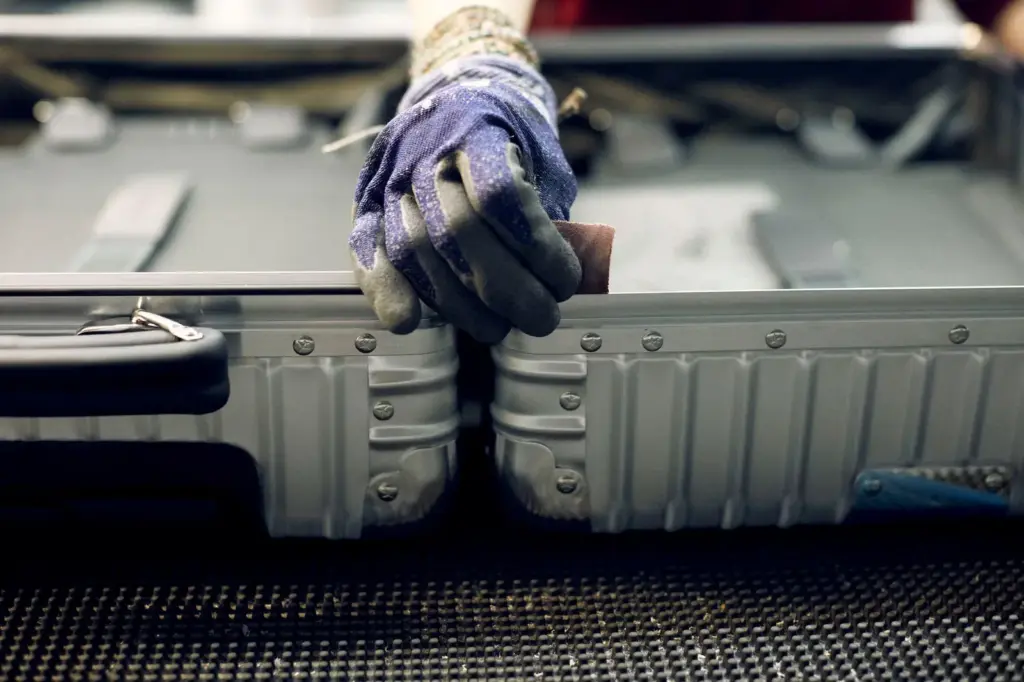
From anodized aluminum to the multidirectional wheel system, they are faithful to Bauhaus logic. “Practicality is inherent,” emphasizes Daria Jacobs, Head of Heritage and Internal Communication. “The philosophy is to improve functionalities. Things that sometimes aren’t even seen but are perceived. Like the wheels. The beauty lies in that utility: they are objects designed to be timeless. That way of designing is itself a cultural expression.”
Conceiving a product that, by vocation, is made to transcend time is a declaration of intent. Maintaining that premise in an economy based on constant replacement is directly an act of rebellion. “An object with which you establish a bond, that accompanies you and you can maintain and then pass on. That is our definition of luxury,” argues Plenier. That’s why in 2022 they launched a lifetime warranty for their suitcases. “There are two hundred components in each one, and all can be replaced. They are made to last, and that is what makes them unique.” Also iconic, although it’s not a word they promote.
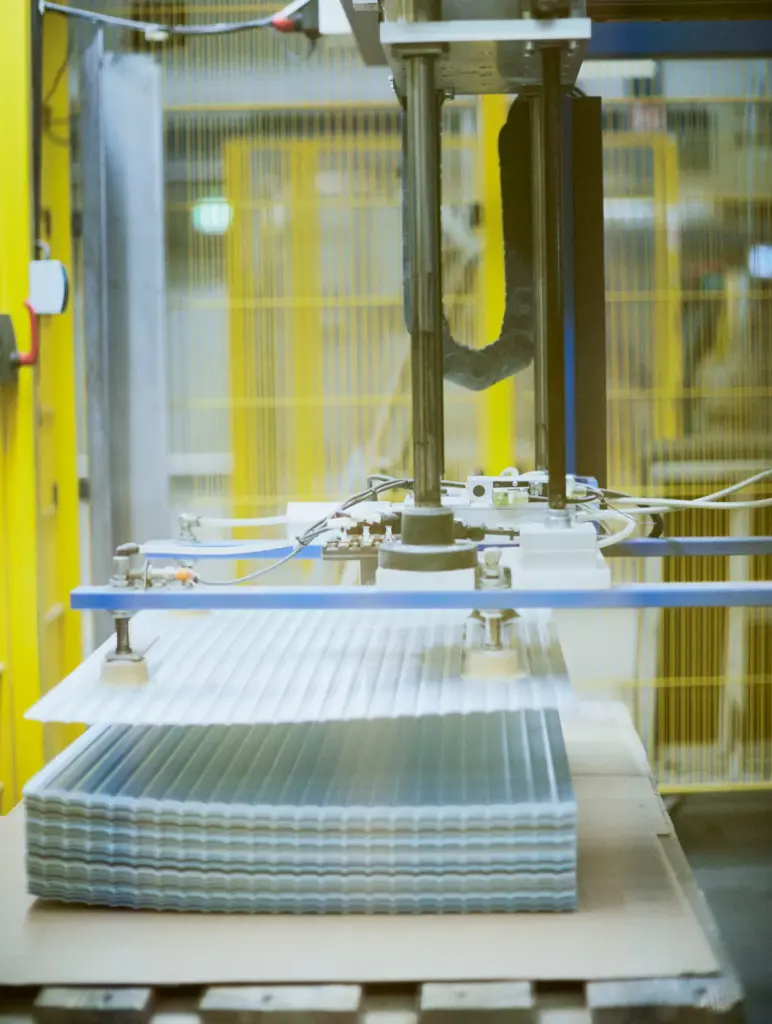
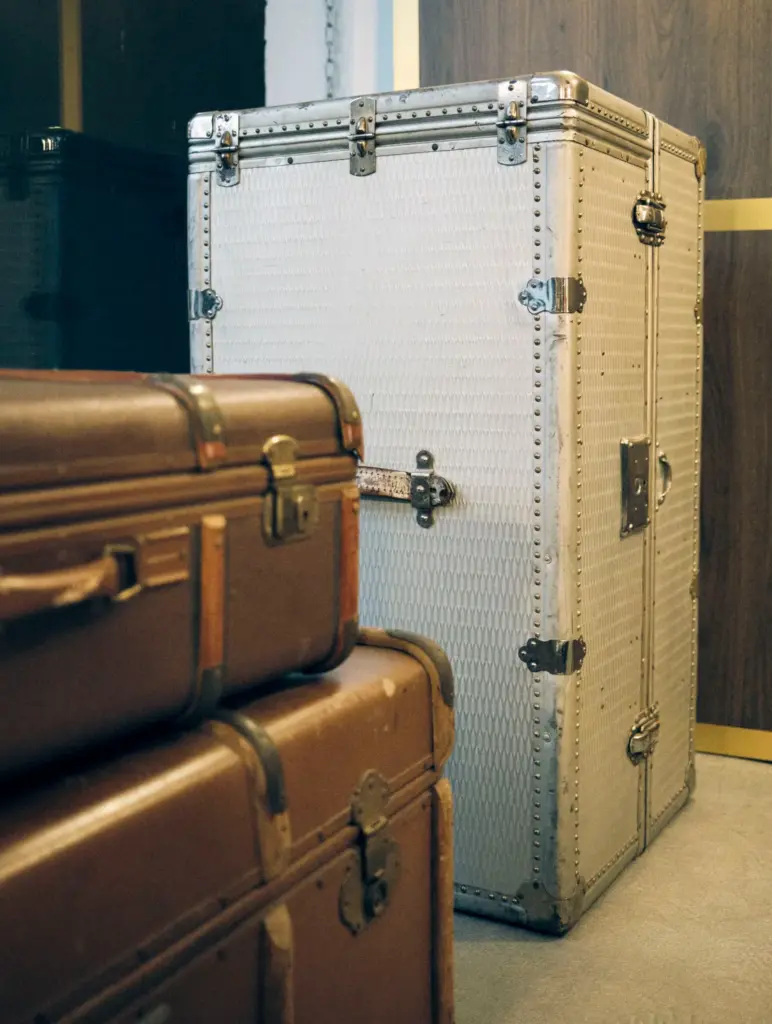
From their narrative, there are two immovable things. One is their functionalist approach to design. The other, aluminum. “If there is one object for which Rimowa is recognizable, it is that suitcase,” says Jacobs. The first time metal entered the brand’s formal lexicon was in the twenties, when Richard Morszeck — son of the founder, Paul — wanted to try the material that was revolutionizing aviation. At first, it was used as reinforcement and embellishment. Little by little it took on a more important role, displaying its virtues: a mix of resistance, malleability, and lightness very convenient in the mobility business.
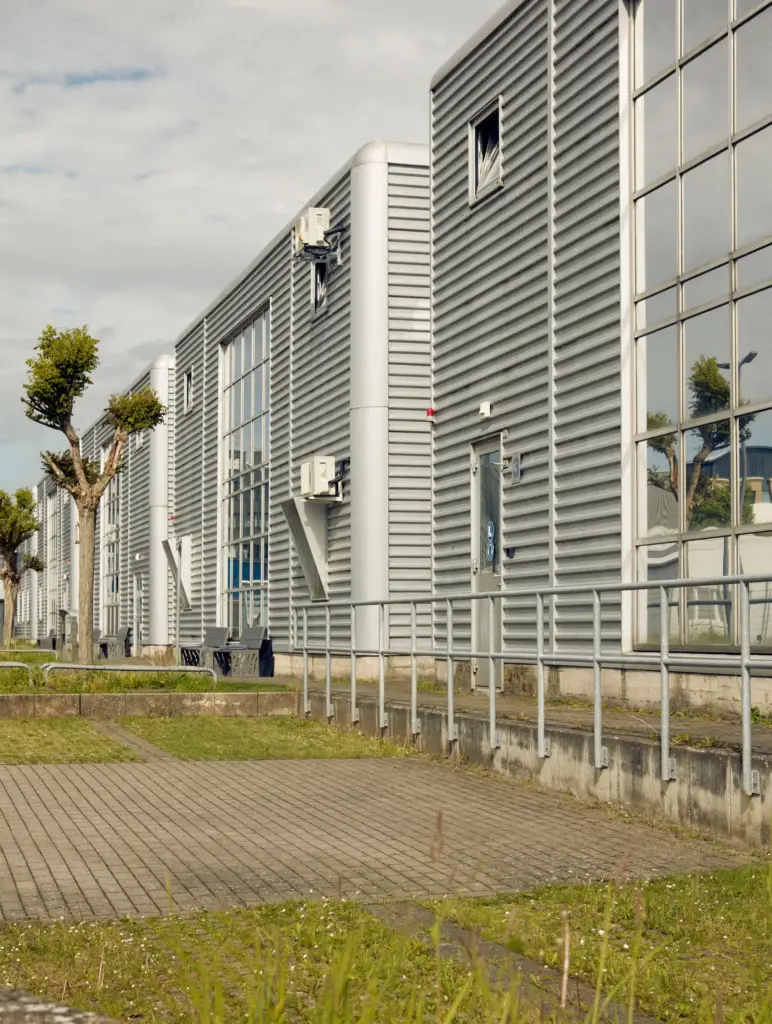
Today, faithful to their premise of looking forward, they work with cutting-edge materials like Econyl and polycarbonate. In fact, they were the first to launch luggage made with the polymer, 26 years ago. But the grooved aluminum suitcase remains the star. Present and constant since the fifties, its ridges are a hallmark. Although that hasn’t stopped them from changing them on some occasions. Which well illustrates a philosophy intelligently articulated between reverence for legacy and the drive to move forward. They even gave it a name: Never Still, a principle of constant movement. But with purpose, and knowing where they come from.