


On May 15th, the rectors of the Andalusian public universities met with Juanma Moreno, then a candidate for re-election as president of the Junta de Andalucía. We talked about funding, research, academic planning, investment in infrastructure, and some of the issues that will shape the future of our universities. As often happens when talking about university matters, there were agreements on some points and differences on others.
Read more Chess analysis | The vigor of Assaubáyeva
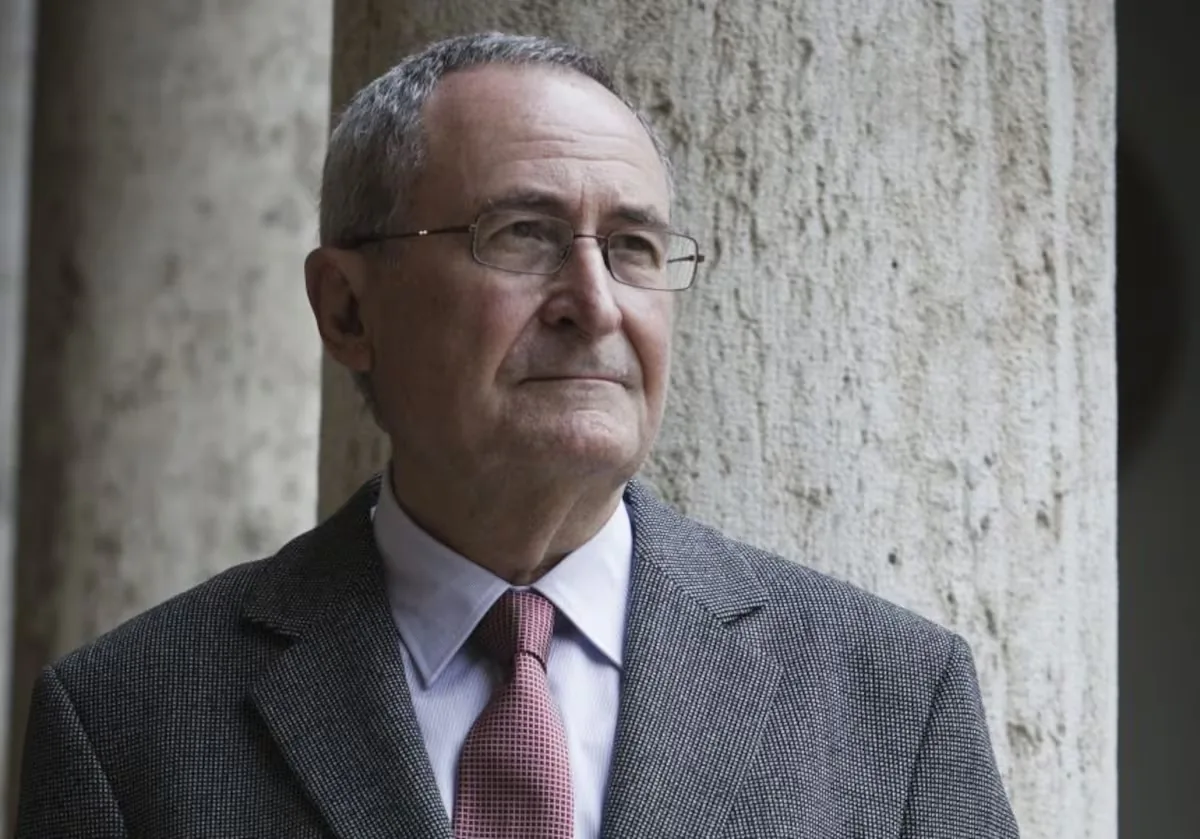
José Carlos Gómez Villamandos participated in that meeting, as he always had. That was the last meeting we shared, and as the days passed, I have returned to it many times. Perhaps because it well summarizes some of the traits that best defined his career: his dedication to the University and a commitment to work that he maintained until the end.
I met him more than 30 years ago, when we both participated in the re-election campaign of then-rector Amador Jover. Then came the terms of rectors Eugenio Domínguez and José Manuel Roldán. We shared teams, projects, election campaigns, debates, and many hours of work. We also shared an important stage in the construction of the University of Córdoba as we know it today.
Those were years of institutional learning; years in which many of us discovered that universities are not sustained solely by the quality of teaching or research. They are also built through daily management, through seeking agreements, defending collective projects, and through the constant work of those who take on responsibilities.
He became the first rector entirely trained at the University of Córdoba itself.
We belong to a university generation that experienced a decisive stage in the growth and consolidation of the University of Córdoba. José Carlos went through practically all possible stages within the institution. He was a student, professor, researcher, manager, and rector. He knew the University because he had grown with it and because he had dedicated his entire professional life to it. When he became rector in 2014, he became the first rector entirely trained at the University of Córdoba itself. That fact symbolized, in a way, the journey of a generation that had found in the public university a space to train, develop professionally, and later give back to the institution part of what it had received.
Positions help explain a career, but they are rarely enough to explain a person by themselves. In José Carlos’s case, there is a quality that helps understand both: an extraordinary capacity for work.
I have known few people with such dedication to the responsibilities they assumed. José Carlos understood work as a permanent obligation to the institution he served. Behind every responsibility he carried out were many hours of effort, concern, personal dedication, and sacrifice of time with family and friends.
Read more Hoff Sneakers: the models with the most original and colorful prints for your spring looks
It was a way of understanding our work that accompanied him throughout his career and explains much of his journey; it explains the professor and the researcher; it also explains the rector who governed the University of Córdoba for eight years and who, in the last stage of his term, also assumed the presidency of the Conference of Rectors of Spanish Universities; and it equally explains the Minister of University, Research, and Innovation of the Junta de Andalucía, a responsibility he exercised with the same intensity as all the previous ones.
Years later, we took on different responsibilities. First, we coincided with him as rector of the University of Córdoba and me as secretary general of Universities, Research, and Technology of the Junta de Andalucía. Later, he took on the Ministry and I the Rectorship. We shared objectives on many occasions and held different positions on others. It would be strange if it had not been so. The University advances thanks to debate and the contrast of ideas from similar and different positions.
But as important as defending a position is maintaining the willingness to agree. During these years, the rectors of the Andalusian public universities have shared countless meetings and debates with José Carlos; sometimes from coinciding positions and other times from different approaches, but always with institutional respect and our conviction that public universities are one of the main assets of our society.
He contributed to the recent history of the University of Córdoba, Andalusian and Spanish
When a person leaves, disagreements lose relevance and what remains is essential. And the essential, in José Carlos’s case, is the memory of a life dedicated to the University, of a person who gave it his time, his work, and a very important part of his life; of someone who contributed to the recent history of the University of Córdoba, Andalusian and Spanish.
And I return again to that meeting on May 15th. Perhaps because, after more than 30 years sharing part of the journey, the image I have left is not of the positions he held nor the recognitions he received. It is of José Carlos sitting at a work table, talking about the University.