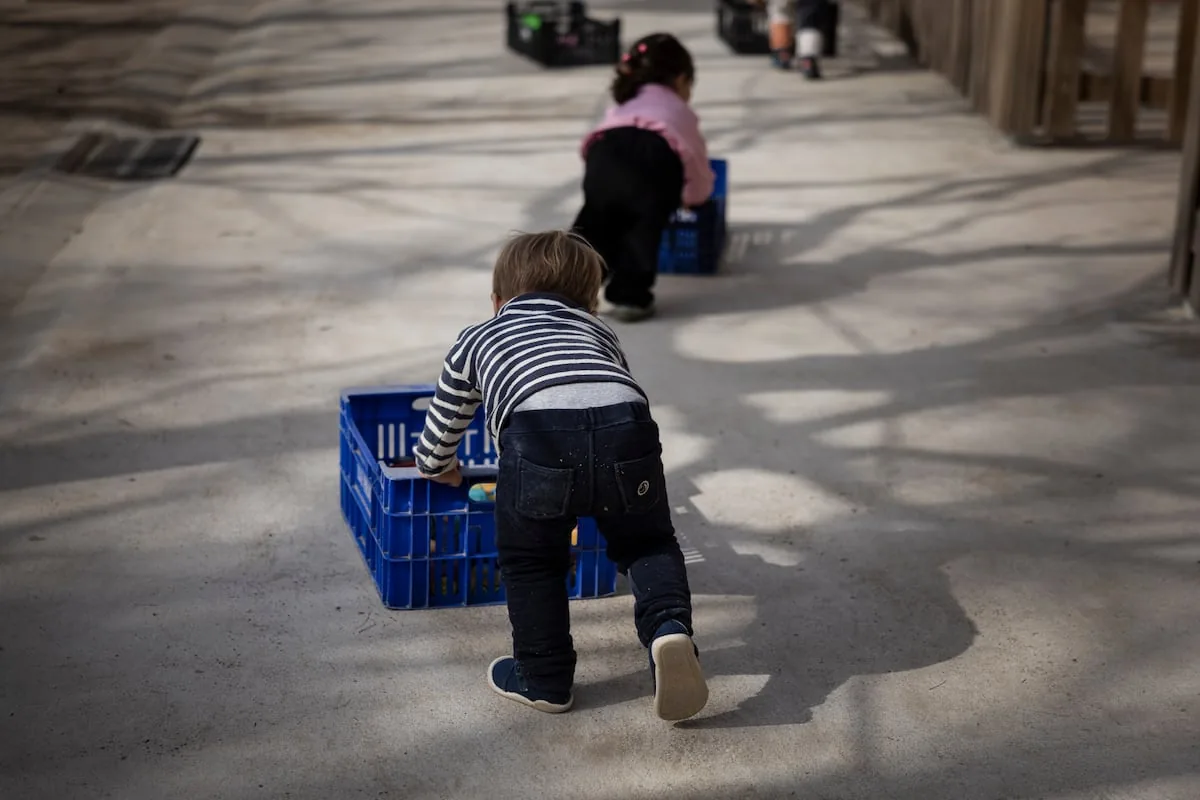





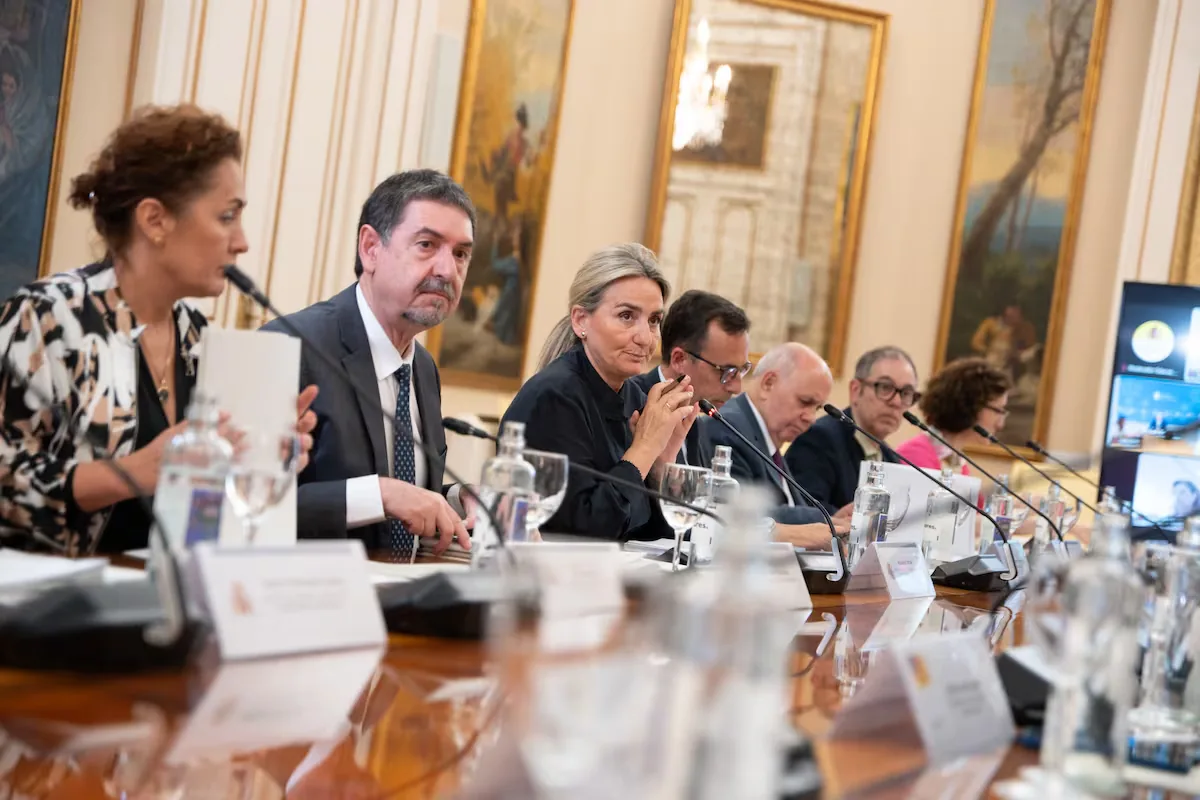
The Ministry of Education met this Tuesday with the autonomous communities at the Sectoral Education Conference with the aim of detailing the distribution of 329 million allocated by the Government to improve care for vulnerable students. But on the conference agenda also appears the situation of the first cycle of Early Childhood Education, 0-3 years. It was included at the request of the Community of Madrid, in an undisguised attempt to convey to the Government the conflict faced by the regional Executive with the educators of this stage, who have been mobilized since April to demand an improvement in their precarious working conditions. The Minister of Education, Milagros Tolón, recalled this Tuesday that, as announced in May, she will reduce the maximum ratios in this cycle by decree, and that the processing for this will begin before summer. The ministry had already threatened to do so in 2022, but did not lower them, largely due to resistance from the autonomous communities. Among them, Madrid, which not only opposed lowering the state ratio for 0-3, but also requested in writing that it be increased.
Read more Talking about University
In July 2022, the Ministry of Education presented a draft decree that planned to reduce to 12 the maximum number of children in the 1-year-old class (the 1991 state regulation sets it at 13) and to 18 students in the two-year-old classroom (set at 20). The 0-year-old class remained the same, with a maximum of 8 babies.
The Education Department of the regional government presided over by Isabel Díaz Ayuso sent a letter to the ministry rejecting the measure, arguing that it would be costly and would reduce the number of Early Childhood Education places available in the region. The document of “contributions and allegations” made a counterproposal for the state regulation in which it requested not only not to lower the 0-3 ratios, but to increase the 1-year-old classroom ratio: the maximums in the basic regulation should remain, according to the department’s proposal, at 8, 14, and 20 children per class respectively.
The opposition to the reduction of ratios and to the specification of the square meters that the early childhood classrooms should have contained in the ministry’s draft, expressed not only by the PP autonomous governments (which were then a minority), but also by some socialists and private early childhood education employers’ associations (a network that had suffered a blow during the pandemic due to many families deciding not to send their children to school for fear of contagion), led the ministry to freeze the draft.
Read more Chess analysis | The vigor of Assaubáyeva
As a result of the open conflict in Madrid, and the mobilizations taking place in other autonomous communities, which culminated in May with the first nationwide strike in the cycle, the Ministry of Education has decided to resume the approval of this ratio reduction, which it frames within the process of “teacher improvements.” Tolón has also recalled, in parallel, that both Madrid and the rest of the communities have the powers to immediately reduce the ratios in the cycle. And, in fact, nine autonomous communities already apply maximums lower than those allowed in the state regulation in the two-year-old class.
The ministry has detailed, on the other hand, the distribution of 329 million euros to the autonomous communities to improve care for vulnerable students and increase inclusion in schools. The funds are allocated to six programs, including math and reading skills reinforcement plans, PROA+ (aimed at educational centers of special complexity), and the reinforcement of the role of the well-being coordinator in schools and institutes.
Read more Hoff Sneakers: the models with the most original and colorful prints for your spring looks