










After the holidays, many Spanish kitchens look very poor. Empty fridge, freezer with petrified containers, and a pantry running low. The routine returns suddenly, bills arrive, school books, enrollments, work, and a general feeling that it’s time to tighten the belt after summer excesses, but also to get the kitchen running again in culinary terms.
Containing food expenses is a practice that requires various skills; it does not only depend on finding the perfect offer at the supermarket. The experts we have spoken to agree that saving is much more than that: it requires smart shopping, but also an organized kitchen, making the most of seasonal products, and good menu planning.
Spending less does not mean filling the cart with cheap products, but making the most of every food item that comes into the house. That is where small daily decisions end up making a significant difference at the end of the month.
Savings start before going shopping
Economist and financial communicator Nieves Villena considers planning to be, without a doubt, the most effective tool to spend less, although she admits that the word usually arouses some rejection. “Planning makes us lazy because we associate it with restrictions,” she explains; that is why she proposes turning saving into two games.
The first consists of “shopping in your own kitchen”: before making the supermarket list, she recommends checking the pantry, fridge, and freezer as if they were store aisles. “The idea is to find five foods you already have, that are already paid for, and build several meals from them. Then you only have to buy what you really lack,” she states. That small change in order avoids duplicates and helps consume products that often end up forgotten until they expire.
Villena also suggests another creative exercise: choosing a “chameleon ingredient” each week, an economical food capable of transforming into very different recipes. “For example, chickpeas,” she points out. “They can be used to make a stew, a hummus, veggie burgers, salads, or a cream. The challenge is to have them appear several times during the week without feeling like you are always eating the same thing,” she adds.
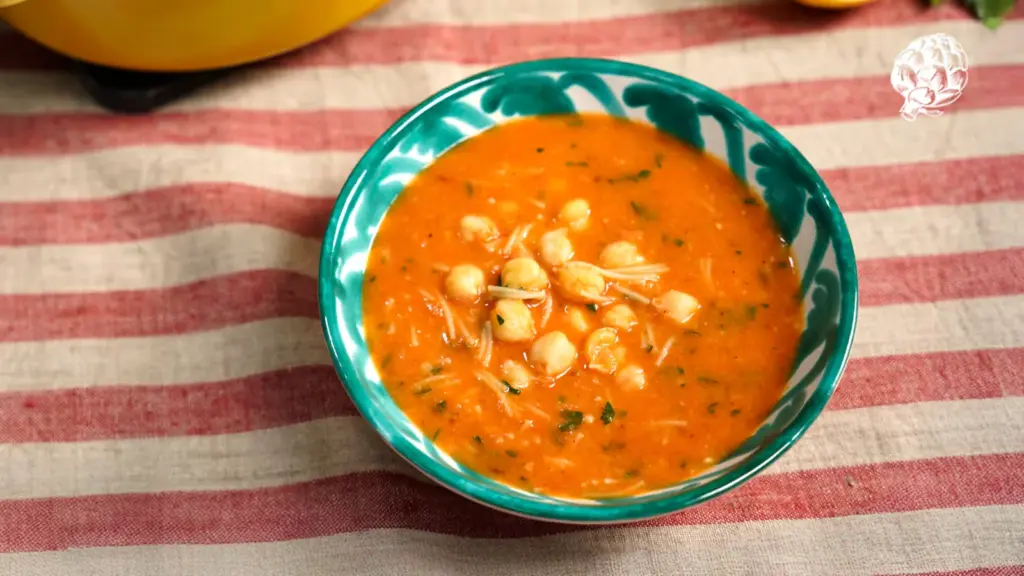
That playful component, she maintains, changes the perception of saving. “Cooking can also be creativity: when you discover all you can do with a single ingredient, the feeling of giving up things disappears.”
Make the most of each food more than once
If there is a particularly authoritative voice to talk about food utilization, it is chef Ada Parellada, who has been denouncing for years that a good part of the money we spend ends up directly in the trash bin.
“The most expensive thing in a kitchen is everything we throw away after having paid for it,” she summarizes. Her first recommendation is to buy whole pieces whenever possible. In the case of fish, she advises also taking the heads and bones. “With them, you can prepare broths that will later be used to make rice or noodles. You are using the flavor twice,” she assures.
The same reasoning applies to meat. Buying a whole chicken, half a lamb, or other whole pieces usually turns out to be cheaper than buying pre-prepared portions. Then just freeze them in portions adapted to each household’s consumption.
Another key is leftovers, a word Parellada tries to eliminate. “Leftovers are never leftovers. They are little gems that allow you to start another dish,” she defends. Cooked vegetables can become fried rice the next day. A sofrito can give rise to pasta, or a piece of meat can end up as part of croquettes or empanadas.

The chef also encourages using practically all parts of vegetables. The green leaves of leeks, the skins, or the ends that are usually discarded add enormous value when incorporated into broths, stews, or sofritos.
When the budget is especially tight, she suggests an exercise that can be fun. “You can do themed weeks,” she proposes. “The week of potatoes, the week of peppers, or the week of eggplant. You buy what is in season, when it is more abundant and cheaper, and look for different ways to cook it.” Turning that abundance into creativity ends up being entertaining, she assures.
The freezer as the best household investment
Food journalist and comidister coordinator Mònica Escudero acknowledges that one of the changes that has allowed her to save the most money is good freezer management. “Having a well-organized freezer allows you to take advantage of offers on fish, meat, and other products without them ending up lost at the bottom,” she explains. “Not only raw products, but also stews or sofritos that you can prepare in large quantities and then have on hand in minutes.”
After her old fridge died of old age, she discovered a format with sliding freezer drawers, larger and more accessible. She has noticed a big change: “There is more space, better organization, and it is much easier to find everything you store.” That makes it easier to buy when good offers really appear and cook larger quantities to freeze later. “And it cost exactly the same as a normal combi fridge with a hinged door and three drawers that fall apart as soon as a badly placed frozen breadstick jams them,” she clarifies.
Cook once to eat several times
Batch cooking has become one of the great allies of those who have little time during the week. But beyond the trend, many cooks consider it a very effective tool to save.
Presenter and cook Johann Wald recalls that he came to this way of cooking after becoming a father. “My free time to prepare elaborate recipes practically disappeared, and I ended up embracing batch cooking to be able to eat well during the week,” he admits. His philosophy is to make the most of humble ingredients and use all preparations.
Read more ‘The Black Ball’, ‘Resident Evil’, ‘Oasis’ and other anticipated movie releases of September 2026
One of his favorite discoveries came precisely from leftovers of Manchego ratatouille. “When I make ratatouille, I always prepare more because I know that the next day I will have to turn it into a creamy rice stirred in the style of a risotto, although I prefer not to call it that so as not to offend Italians.”
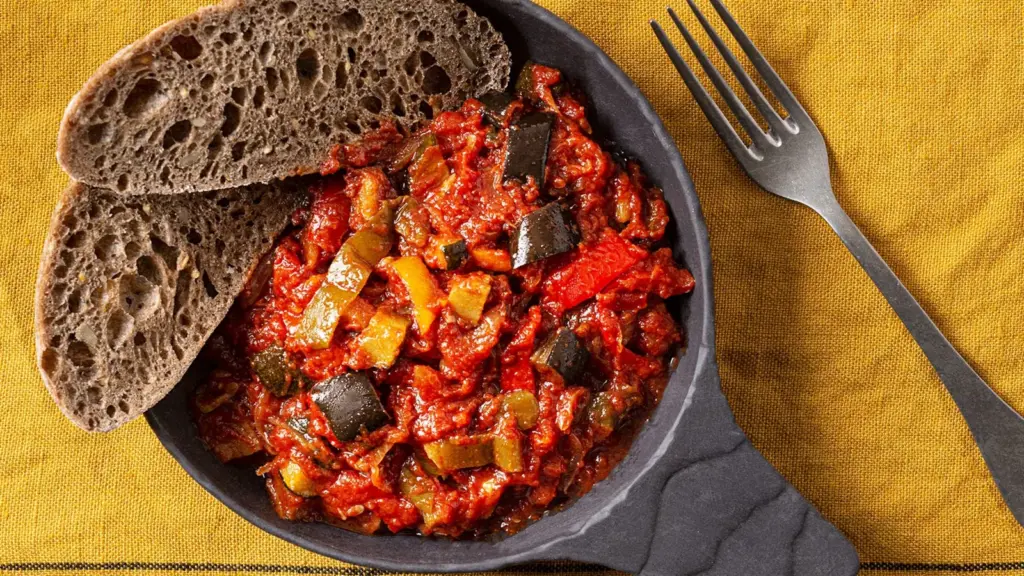
The recipe barely needs a little water or vegetable broth and demonstrates, according to him, that many times very few ingredients are enough to achieve tasty dishes.
And let one ingredient take the spotlight
Wald also advocates simplifying recipes and giving the spotlight to the main product. “If I buy a kilo of peas, I try to prepare a dish where the pea stands out, with minimal intervention of secondary ingredients: I am interested in discovering the virtue of each product.” For him, this simplicity-based cooking also represents a way to save time and money. “The fewer complications there are, the easier it is to cook and enjoy the food,” he concludes.
A routine that adapts to real life
Although many of these strategies have become popular on social media, Being Biotiful founder Chloé Sucrée believes the real challenge is not to copy the trendy method, but to find one that each person can maintain for months or years. “September comes with a lot of pressure: it seems that, just like with the gym, we have to start a completely new life. And that pressure never helps build a lasting habit,” she opines.
That is why she defends that batch cooking is a useful tool, but only when it adapts to each family’s reality. “Preparing several meals at once allows optimizing time, eating better, and saving money, but the important thing is to build a routine that works for each person.”
Sucrée insists that many people abandon these systems because they try to reproduce models they see on the internet without considering their schedules, motivation, or even the size of their kitchen. “You should not look for viral recipes or try to do exactly what others do.” The important thing is to find a way to organize that fits your daily life and be flexible. “Cooking should not become another burden,” she maintains.
The season sets the path
Chef Xanty Elías recommends letting the season itself decide much of the weekly menu. “You have to pay attention to what each season offers. Seasonal vegetables are cheaper and also at their best moment,” he defends.
From there, he proposes building simple dishes incorporating basic foods like pasta, rice, or legumes. “Preparing good sofritos and freezing them allows cooking rice or pasta later to be much faster and also much cheaper.”
Elías also reminds that protein does not have to blow the budget if chosen wisely. “It is advisable to look at products of the moment. Even game, when its season arrives, can offer high-quality meats at very interesting prices.”
September’s unexpected allies
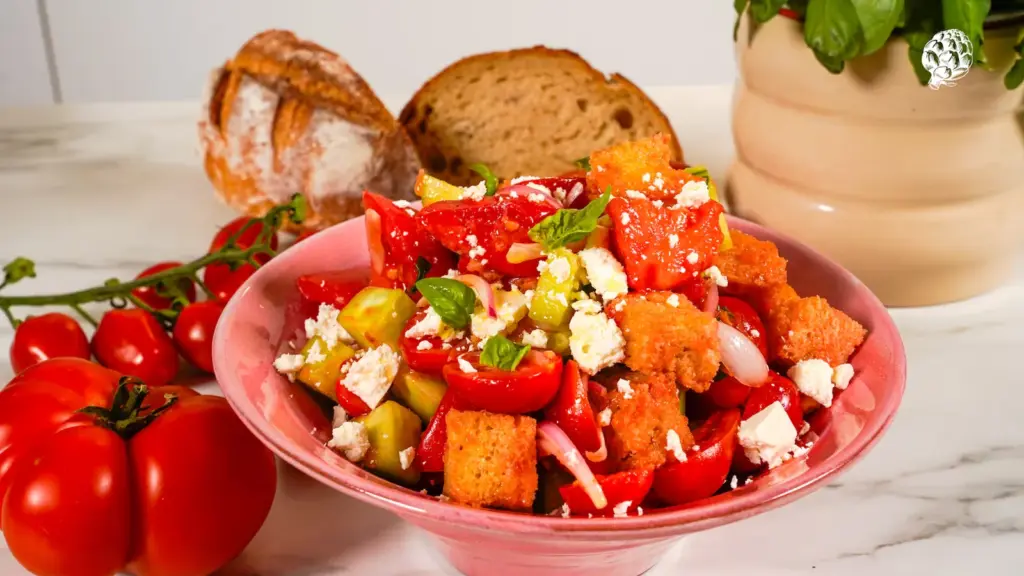
Writer and tavern owner Carles Armengol acknowledges that for him the end of summer has an indisputable advantage. “It coincides with the fig season, a very versatile fruit with a reasonable price.” He incorporates them into salads with fresh cheese or feta and nuts, accompanies them with yogurt and honey, or grills them to serve on toast.
Eggs are also never missing at his home. “They are perfect for those humble dinners after the holidays. A French omelet with some slices of tomato, which is still at its best moment, allows facing with some elegance that eating beyond our means is over,” he points out.
The market also has its strategy
Influencer and cook Rafa Antonín, known as Rafuel, adds advice that has little to do with ingredients and much with buyer behavior: “You should never go to the market hungry,” he states, and the reason is simple. “When we shop hungry, we end up buying compulsively.”
He also recommends taking advantage of certain times of the week to find better prices. “In September, gardens are full of fruit and vegetables. It is the time to take advantage of those offers to cook and freeze.” In his experience, Wednesdays are usually especially good for going to traditional markets. “There are fewer people, vendors are more eager to sell, and very good offers appear,” he suggests. Weekly markets in many towns continue to be another source of fresh products at very competitive prices, directly from farmers.
When imperfection is perfect
Escudero shares another system to reduce the cost of fruit and vegetables. She is subscribed to Remolonas, a service that distributes seasonal products discarded by traditional sales channels. “I receive about eleven kilos of seasonal fruit and vegetables for about twenty-two euros, which gives us a good vegetable base (although it is nowhere near enough for our weekly consumption, it lowers the shopping ticket quite a bit).” Many times they are smaller pieces or with small aesthetic defects, like marks that a leaf can leave on a nectarine while it grows, tiny melons, or production surpluses that sold to a distributor would not cover costs. “Perfectly imperfect,” concludes the editor of this house.
Saving without feeling like giving up
Returning to routine is usually associated with the need to make sacrifices. However, putting all these strategies into practice can not only save us some euros but also become a source of pleasure. Because if all these recommendations have something in common, it is that they shift the focus from price to utilization.
None of the experts talk about buying lower quality food, eliminating some of them, or surviving with the same menu every day. The key is to plan better, waste less, cook smartly, and take advantage of moments when products offer their best balance between quality and price.
Follow El Comidista on Youtube.