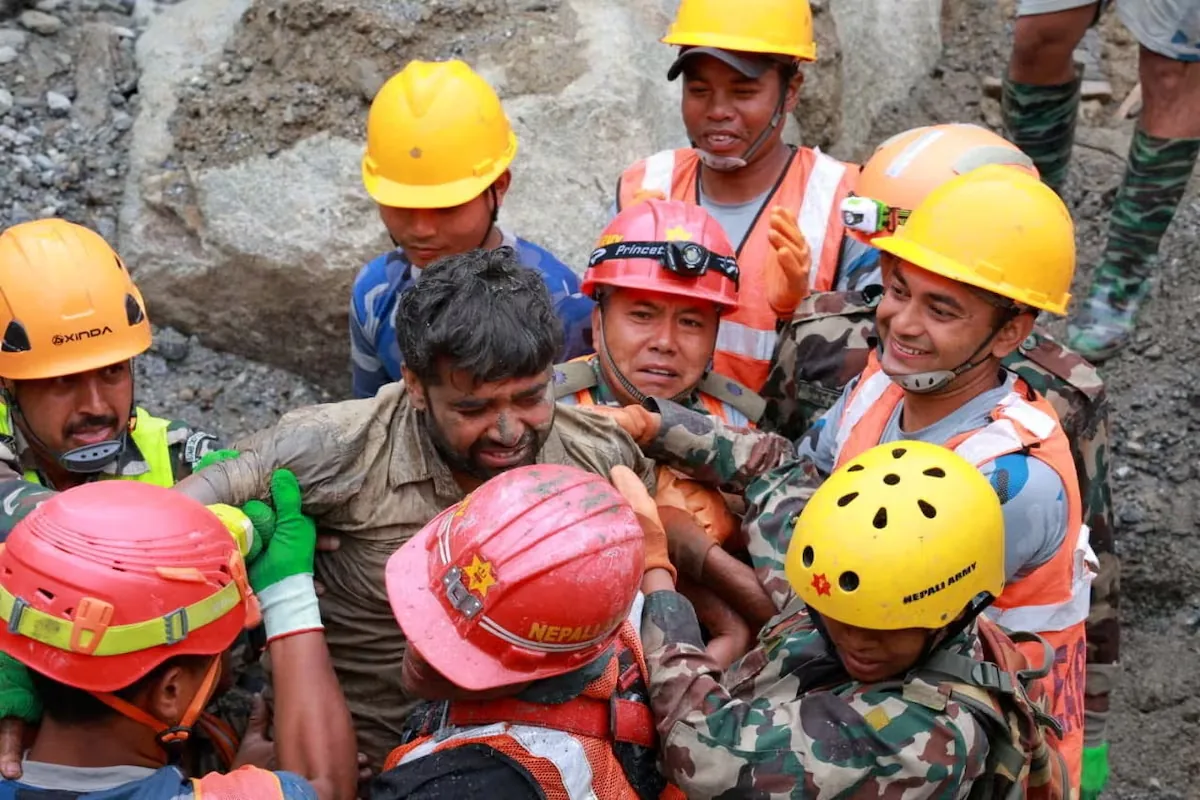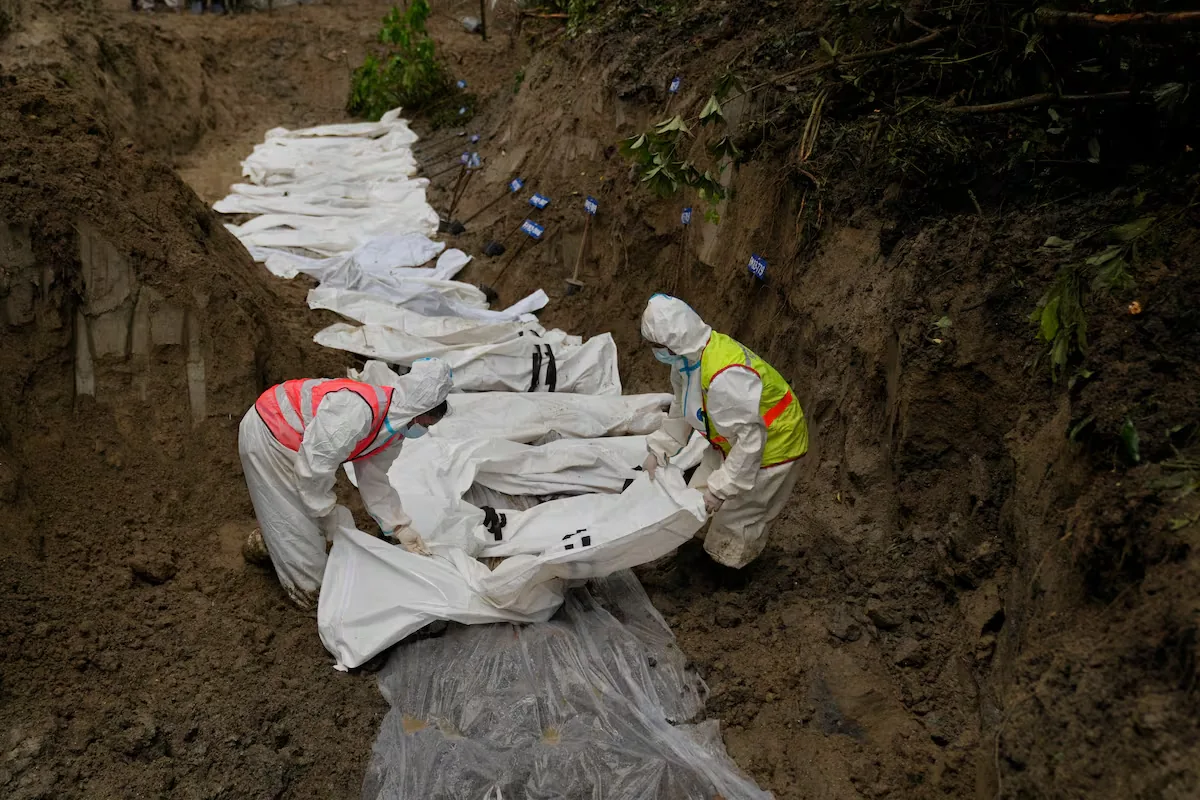
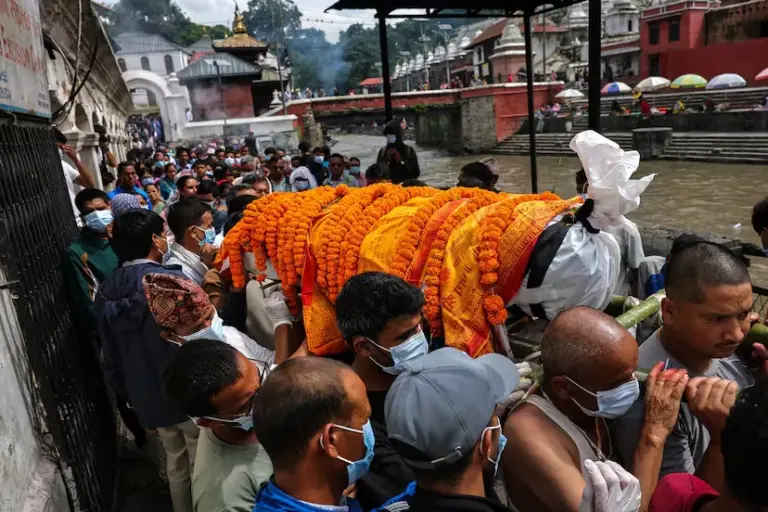
China held several mourning events this Tuesday for the victims of the violent flood and landslide that six days ago devastated the Tibetan port of Gyirong, on the border with Nepal, leaving an official toll of at least 1,003 dead and 4,462 missing on both sides of the border. The tribute was held as Chinese authorities have gone more than two days without updating their official victim count, which has remained since Sunday morning at 16 dead and 546 missing (including one person with Spanish nationality). In Nepal, the death toll has already reached 987 and there are still 3,916 people unaccounted for (including one with Spanish citizenship), according to data published this Tuesday by the National Authority for Disaster Risk Reduction and Management.
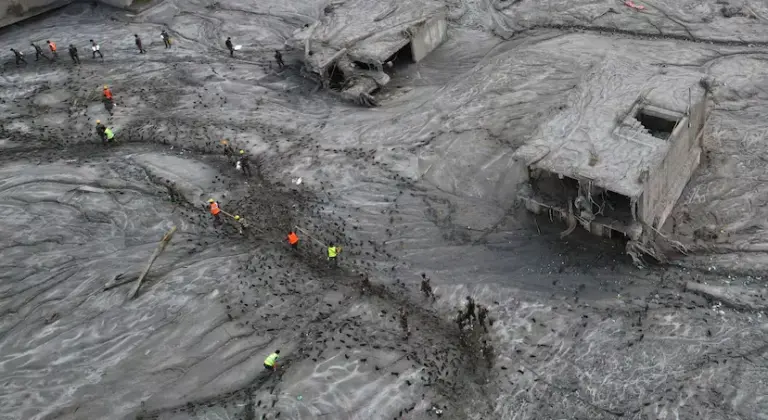
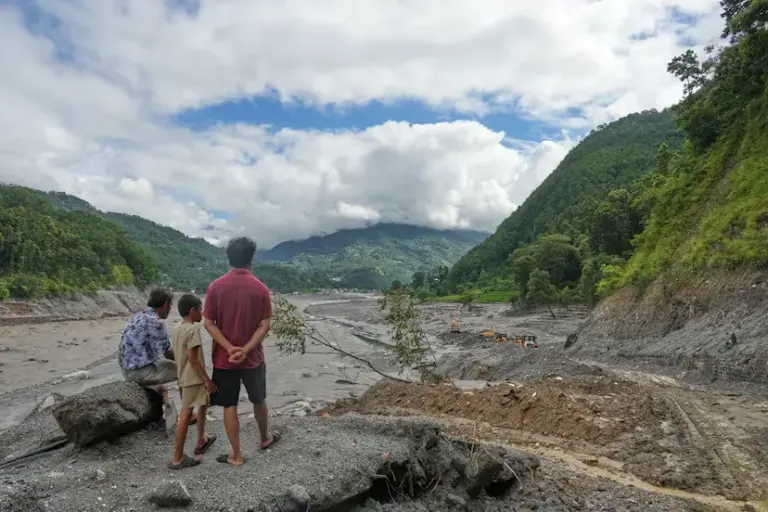
The flood began after the collapse of the rocky bed supporting a high-altitude glacier in Nepal. The moment when a huge avalanche engulfed the border crossing was recorded in a video that went viral worldwide, but which is now barely traceable on the tightly controlled internet of the country. The collapse triggered a massive mass of ice, rock, and water down the valley: first devastating the Gyirong post in Tibet, then continuing downstream towards Nepal.
The Ministry of Foreign Affairs of the Asian giant has defended that Beijing disseminates information in an “open, transparent, and timely” manner. More than 60 rescuers have accessed the disaster core on foot and have twice scanned the remains of the border complex with life detectors and other devices, according to local press.


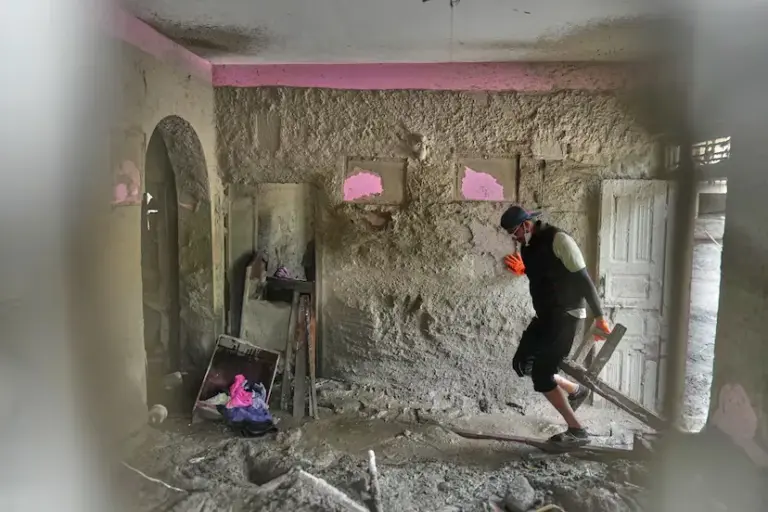
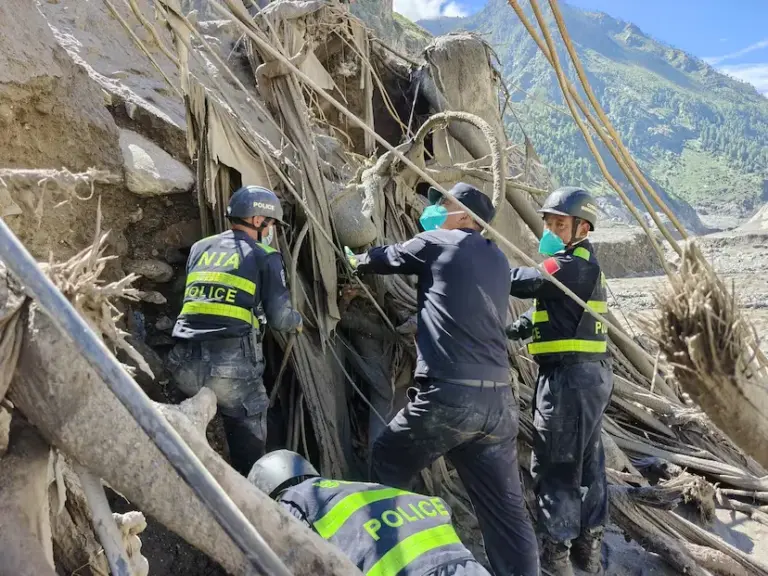

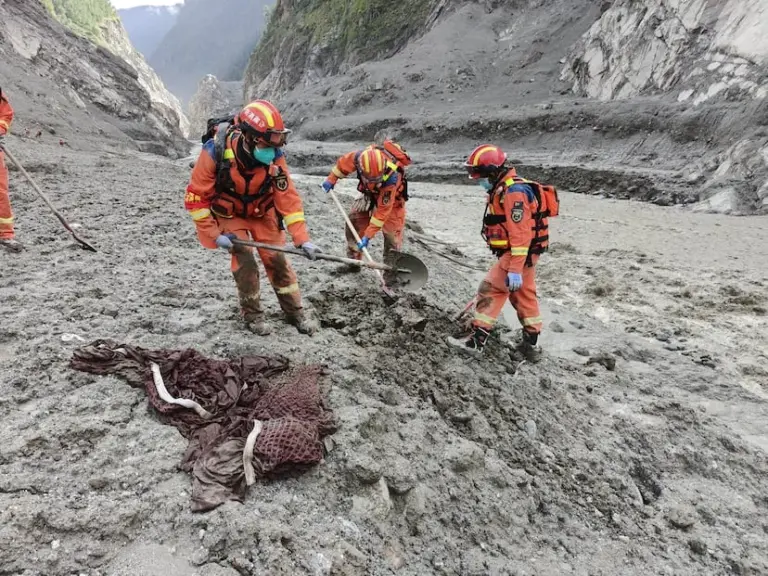

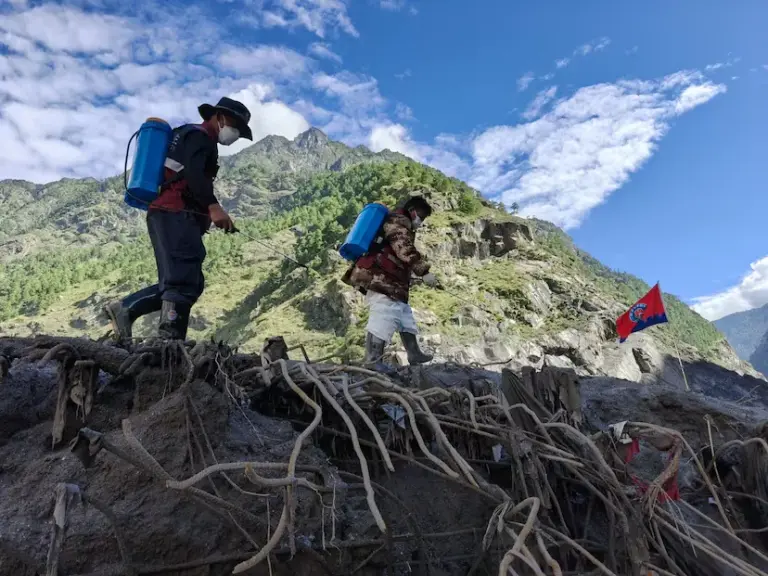
On Monday, Chinese President Xi Jinping assured that the Communist Party and the Government “are working with all their might” in the search for the missing, the evacuation of the affected, and the prevention of new disasters. Xi spoke during a meeting in Bishkek (capital of Kyrgyzstan) with his Kyrgyz counterpart, Sadyr Zhaparov, held within the framework of the Shanghai Cooperation Organization summit (an intergovernmental security forum promoted by China and Russia). “China has the capacity and confidence to overcome the disaster and rebuild the affected areas,” he said.
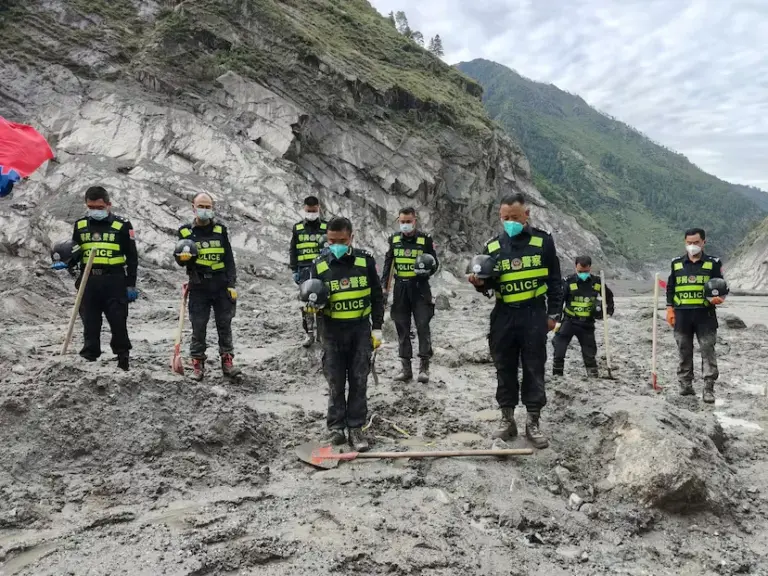
In the brief note published this Tuesday by the Chinese state agency Xinhua, it is only indicated that the tributes were held simultaneously at the police headquarters of the Gyirong port, at the core of the search operations, and in the section where excavators are working to recover the road. State media have shown rescuers interrupting their work, standing in formation with bowed heads, while vehicle sirens sounded.
Read more Increase of the PGU in Chile: how much the Universal Guaranteed Pension rises in September 2026
The main operational front continues to be the recovery of the G216, the only road leading to the border crossing. Teams work tirelessly under persistent rain to open the last kilometer separating them from the Gyirong port, according to China Central Television. The current reaches between six and seven meters per second (up to six times the usual speed) and has repeatedly dragged away some of the materials used to rebuild the roadway. Excavators operate on the narrow edge left of the road, which is wedged between unstable slopes and the river.
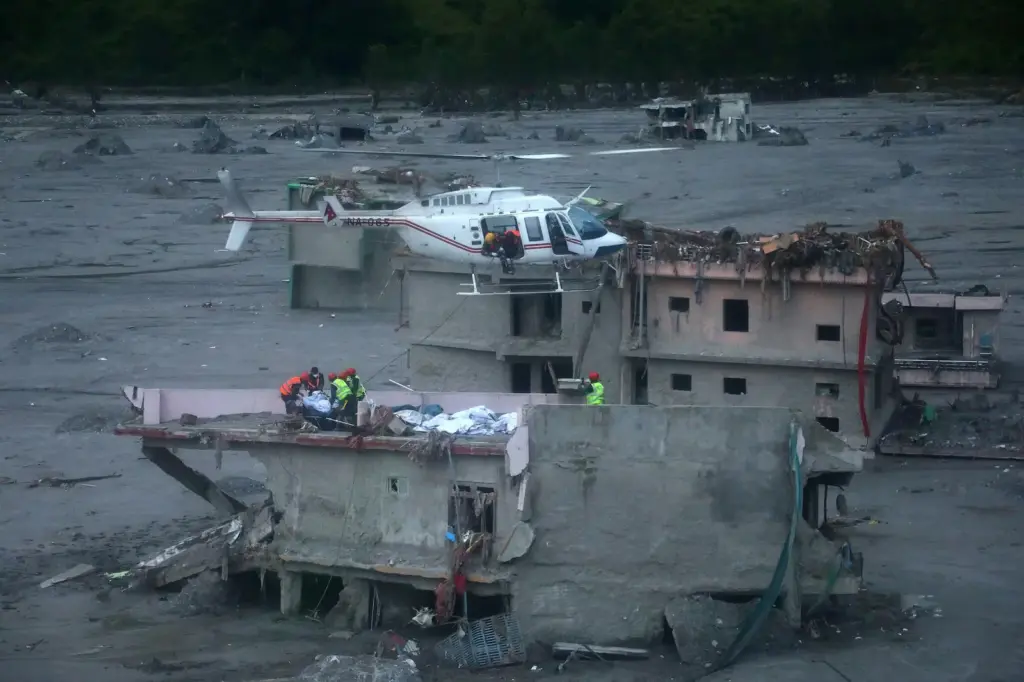
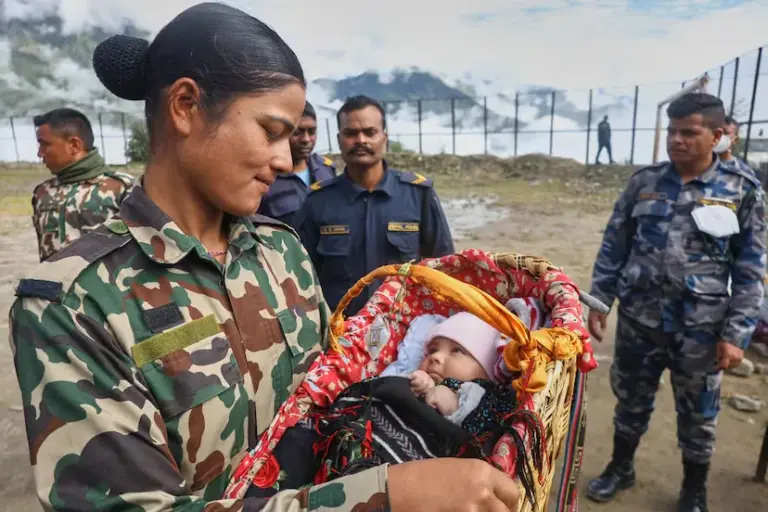
Meanwhile, in Nepal, teams have installed temporary bridges and restored road access to Nuwakot, allowing previously isolated areas to be reached and aid to be distributed. Electricity and communications have partially returned in some areas, and the number of people rescued has risen to 11,814.
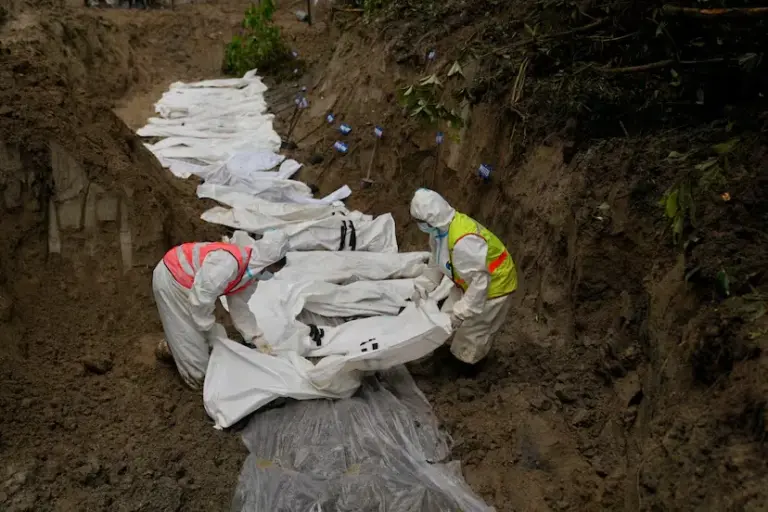
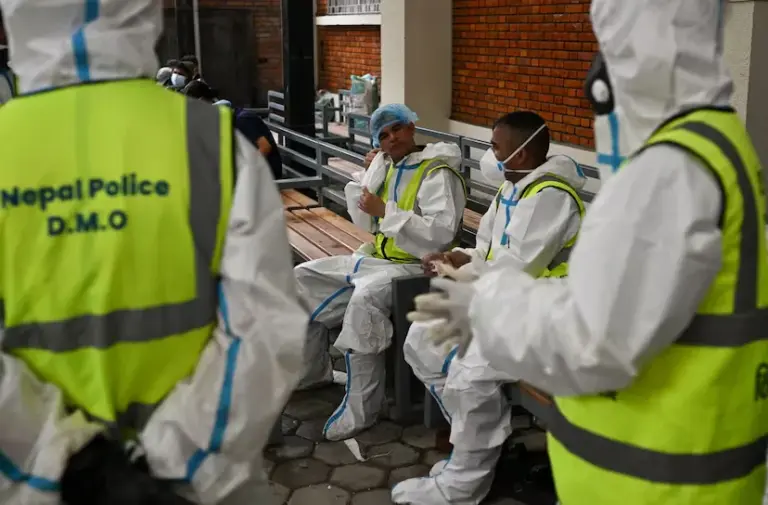
One of the most harrowing news from this Himalayan country is that the police recovered 24 bodies from a single house in Betrabati, a locality in Nuwakot, this Tuesday. The house had been completely buried by mud, and neighbors had been requesting access for days, according to local press.
But the most delicate operation continues at the hydroelectric projects in the corridors of the Bhote Koshi and Trishuli rivers. The national disaster authority places the number of workers still missing at 639, while the association of electric producers raises the figure to 898 workers from 11 facilities. The difference reflects the difficulty in determining how many were outside when the flood arrived and how many might remain trapped underground. The government assures that 279 workers have been rescued from the power plant areas.
Read more La Ventanilla, the Oaxacan paradise of the American crocodile