
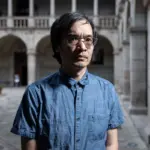



The diplomat and sociologist Francisco Oda was present at midnight on July 14-15 of last July 14 during the historic fall of the Gibraltar fence. “It was very emotional,” recalls the man who was the first and only director of the Cervantes Institute in the Rock. Memories of those tough days at the end of the 2015 academic year crowded his mind: “They sent us boxes of chocolates and newspapers published letters asking us not to close. It was a tremendous show of affection.” Now, almost 11 years later and with a new treaty between the United Kingdom and the European Union, the reopening is getting closer. “We have everything prepared and studied,” announced the director of the Cervantes Institute, Luis García Montero, this Monday.
Read more “Emergency” situation in Ceuta due to the extraordinary arrival of migrants in a few days
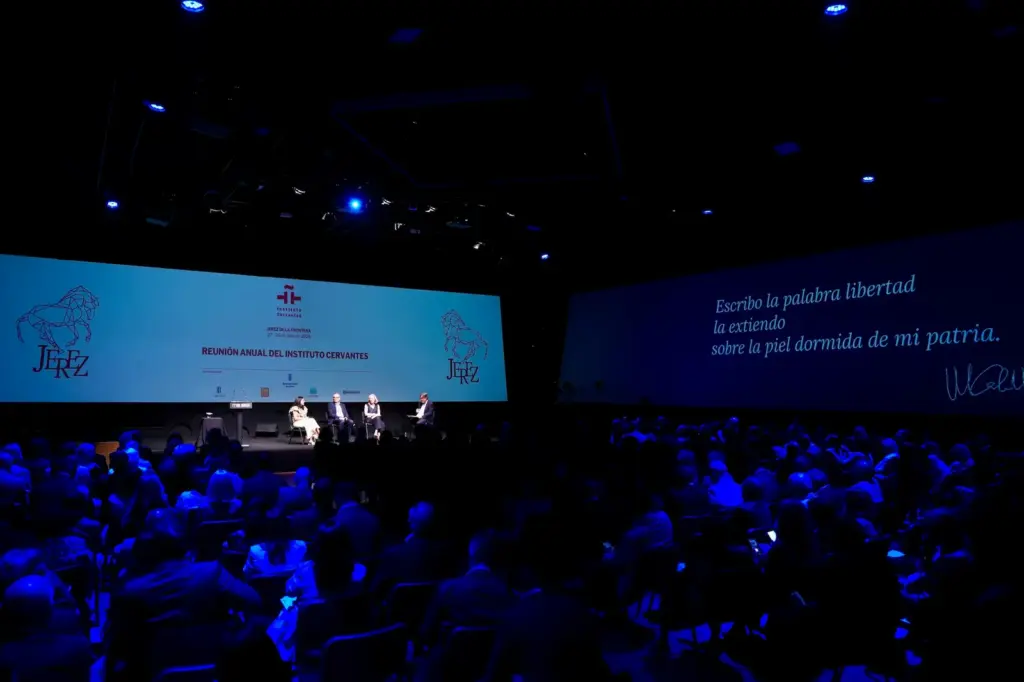
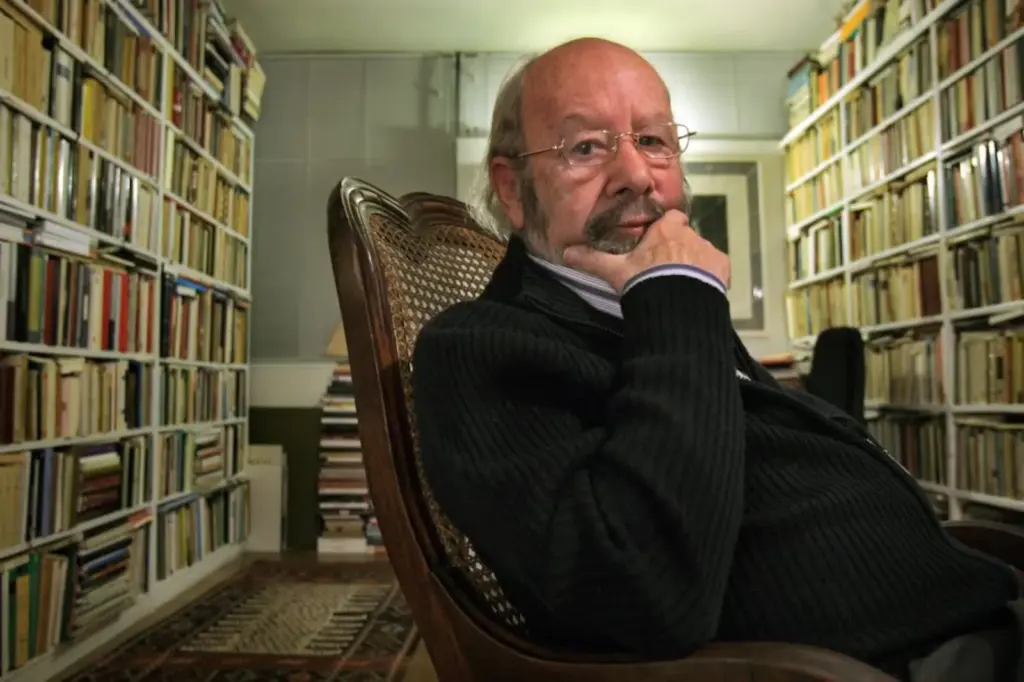
Montero signed that letter of intent around 10 in the morning on a hot Monday in the gardens of the Palacio del Tiempo in Jerez de la Frontera. More than 80 directors of Cervantes Institutes from all over the world will meet there until next Wednesday for their annual meeting, at a venue chosen to coincide with the centenary of the birth of the Jerez-born poet José Manuel Caballero Bonald (Jerez, 1926-Madrid, 2021) in 2026. Although the more than ten events planned over these three days between Jerez, Cádiz, and Rota are not expected to specifically discuss the return of the Gibraltarian headquarters, its reopening is the big elephant in the room that creeps into informal conversations during every break. “We even have a budget item contemplated for this year’s future budgets,” explained Montero, who even advanced that they would like the milestone to occur “by next academic year.”
However, achieving that goal still requires overcoming several milestones, now that the treaty for Gibraltar has come into force. The return of the Cervantes Institute to Gibraltar, which from 2011 to 2015 was the only Spanish institutional representation on the Rock, depends on the approval of the General State Budgets and the Government’s approval, specifically from the Ministry of Foreign Affairs. “Due to bad political decisions by Margallo [José Manuel García-Margallo, Minister of Foreign Affairs under Rajoy] it was closed, within a dynamic of political incomprehension, but we have planned the reopening,” explained García Montero.
The Cervantes Institute opened its Gibraltar headquarters in September 2011, as one of the main materializations of the 2006 Córdoba Agreements, reached within the framework of the Tripartite Forum. Since the closure of the consulate that Spain had on the Rock in the 1950s, for the first time the country established a permanent cultural institution on the Rock to promote the teaching of Spanish and disseminate its culture. For almost four years, it organized language courses, cultural activities, conferences, book presentations, and collaborations with Gibraltarian educational and cultural institutions. “We had 1,200 enrollments per year; 75% were children and adolescent students. It was a success. If we open now, it is an ideal moment to boost collaboration with the Gibraltarian Government,” assures Oda, now director of the Cervantes Institute in Dublin.
In this long decade of absence, a worrying trend that has been present in Gibraltar for years has become even more consolidated: the loss of Castilian among its inhabitants. In the scientific article, Oda argues that the colony has gone from being a predominantly Spanish-speaking community to one where Spanish has been relegated to the family sphere and is at risk of disappearing. “Spanish has ceased to be the mother tongue of Gibraltarians to become a heritage language,” a transformation attributed to the change in the British educational system after World War II and the closure of the border between 1969 and 1982.
Read more The left facing artificial intelligence: an extinction event?
Precisely, during these three days of meetings in Jerez, the directors do plan to address the situation of Spanish in the United Kingdom after Brexit. There, Castilian surpasses French as the foreign language with the highest number of enrollments in GCSE, the exams taken by students at the end of compulsory secondary education. The data, from the British Council’s Language Trends England 2026 report, the international English culture and education organization, also highlight the milestone that Spanish remains for the seventh consecutive year the most chosen foreign language at A-level, one of the main qualifications taken by students aged 16 to 18. “The positive perception of Spanish has grown enormously,” said Víctor Ugarte, director of the Cervantes Institute in London, during the inaugural colloquium.
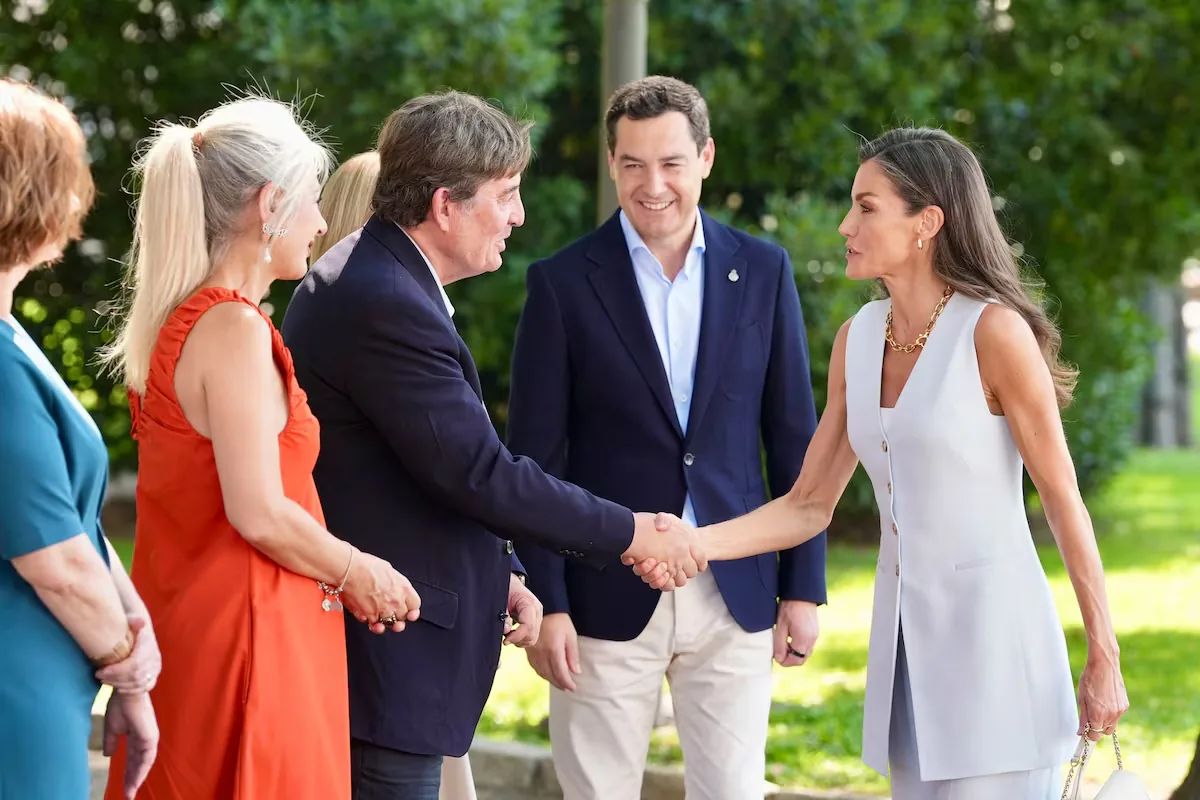
That first talk was presided over by Queen Letizia, accompanied by the president of the Junta de Andalucía, Juanma Moreno. The monarch witnessed one of the main acts of homage by the Cervantes Institute to Caballero Bonald. The flamenco singer Tomasa Guerrero La Macanita and Vicente Soto Sordera performed palos such as soleares, seguirillas bulerías, and tientos inspired by works written by the poet. In addition, this Tuesday García Montero participates in a conference on the Jerez-born writer at the headquarters of his Foundation.
Strategic lines
The annual meeting of the Cervantes Institute serves to establish the strategic lines for the next academic year in its hundred branches in 56 countries. García Montero’s idea is for the event to analyze how technological transformation is affecting the institute’s teaching and activity, the commitment of the Spanish language to the current world we live in, and the situation of Castilian in the international context. “It is a commitment to multiculturalism, to how major languages must establish dynamics that are not confused with imperialism,” points out the poet. This reflection will have its key point on Tuesday afternoon, when the directors will participate in Rota, home to a military base with a strong US presence, in a talk about the situation of Spanish in the country, especially now during Donald Trump’s second term, as announced by the director of the Cervantes Institute.
The Jerez meeting will also share the spotlight with Cádiz. There, on Wednesday, the institute is scheduled to receive, in an event at the Casa de Iberoamérica, the legacy of the novelist and poet Fernando Quiñones (Chiclana, 1930-Cádiz, 1998) as a contribution to its Caja de las Letras. “Being in Cádiz and being Andalusian, I am very interested in remembering the prominence that Andalusian culture had with Caballero Bonald and Quiñones,” assured García Montero. “Caballero Bonald said ‘I write the word freedom, I spread it over the sleeping skin of my homeland.’ If we place the word ‘world’ next to it, that is the commitment of the Cervantes Institute,” the writer also concluded at the inaugural event of the conference.
Read more French police arrests a man after a knife attack on three women in Paris