
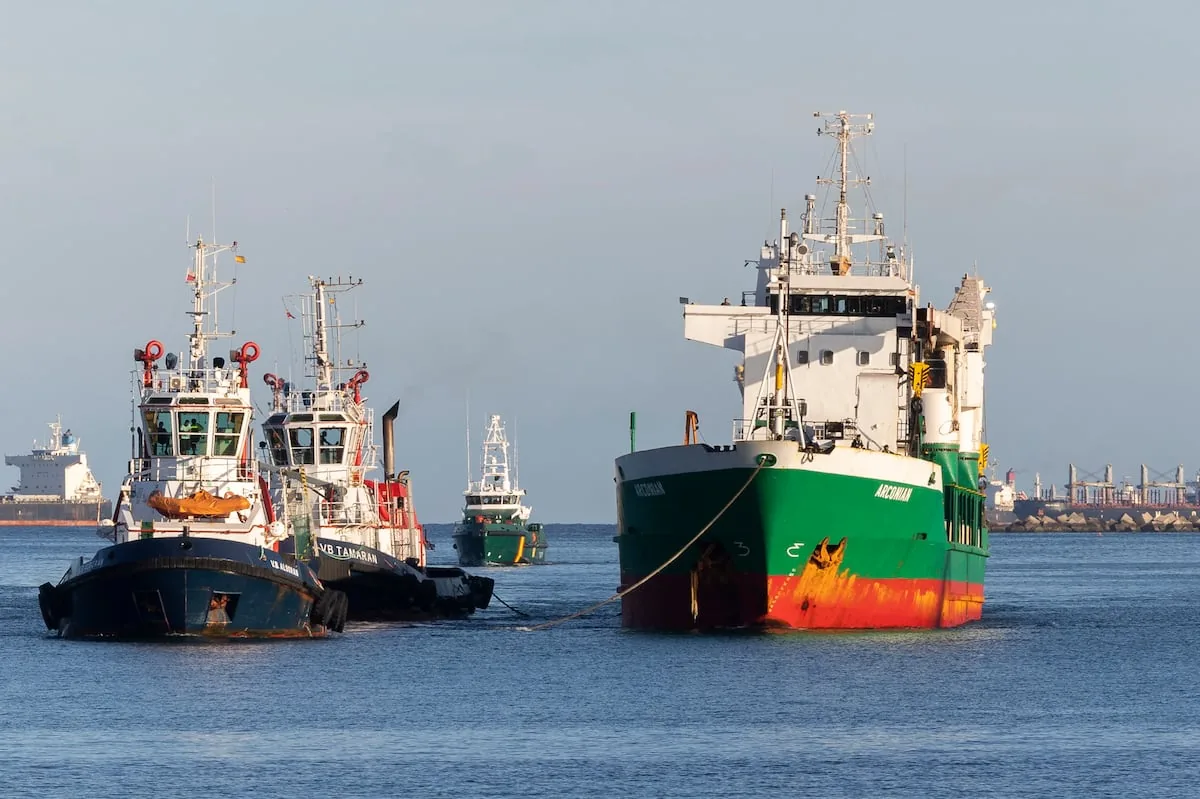
The Civil Guard has intercepted a cargo ship in international waters with a gigantic cocaine stash in its hold that could amount to tens of tons of this drug, according to sources familiar with the investigations. The initial examinations inside the vessel, called Arconian, indicate that the drug it was carrying, still pending weighing, will reach record figures. The vessel entered the port of Las Palmas de Gran Canaria this Sunday at 19:45 local time. The police search and the judicial presentation of the crew members are still pending.
Read more McLaren tightens the screws on Antonelli, who also wins in Miami
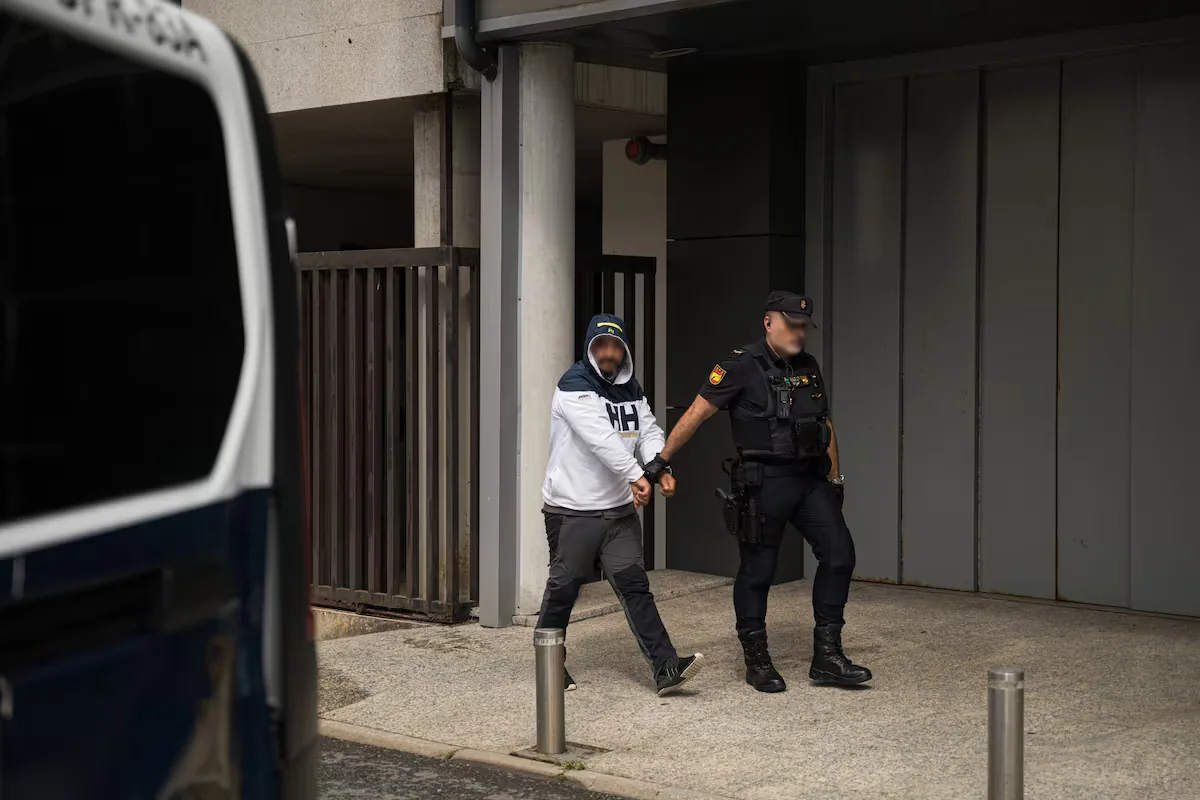
The assault on the vessel, carried out by agents of the Central Operative Unit, took place last Friday, off the coast of Dajla, a coastal city in Western Sahara. 23 people were arrested, mostly of Filipino and Dutch nationality, according to the sources consulted. The vessel set sail from Sierra Leone on April 22 and its destination was Libya.
An hour before the cargo ship’s arrival, the Duque de Ahumada ship of the Civil Guard docked at the naval base in Las Palmas, whose functions include fighting drug trafficking and which participated in the police operation.
The largest cocaine stash seized in Spain in a single operation reaches 13 tons. The drug was found at the Port of Algeciras in October 2024 and arrived in Spain hidden in a container from Ecuador destined for Alicante. It was concealed among a load of bananas. At the beginning of this 2026, the Police seized 9,994 kilos of cocaine in international waters, almost 10 tons. This seizure is so far the largest cocaine apprehension at sea in the history of this police force and the largest among European police forces, according to sources from the investigation.
If the scope is broadened, one of the largest stashes known was seized in 2019 in the United States and reached 20 tons of cocaine. The cargo was intercepted upon arrival at the Packer Maritime Terminal in Philadelphia. The stash was valued at over 1 billion dollars (852 million euros).
Read more Ayuso kicks off her tour in Mexico from the Basilica of Guadalupe
In 2024, the last year for which official drug seizure data is available, Spanish security forces seized 123.8 tons of cocaine. 41% of that drug (51.7 tons) was seized in Andalusia, 22% in Catalonia (27 tons), and 15% in the Canary Islands (19 tons).
A large part of the anti-drug operations in recent years have been carried out in extraterritorial waters, areas where authorities and police forces from different countries study who takes charge of investigations and procedures that are especially costly. Spain has very broad possibilities to accept or assume jurisdiction over drug trafficking committed outside territorial waters.
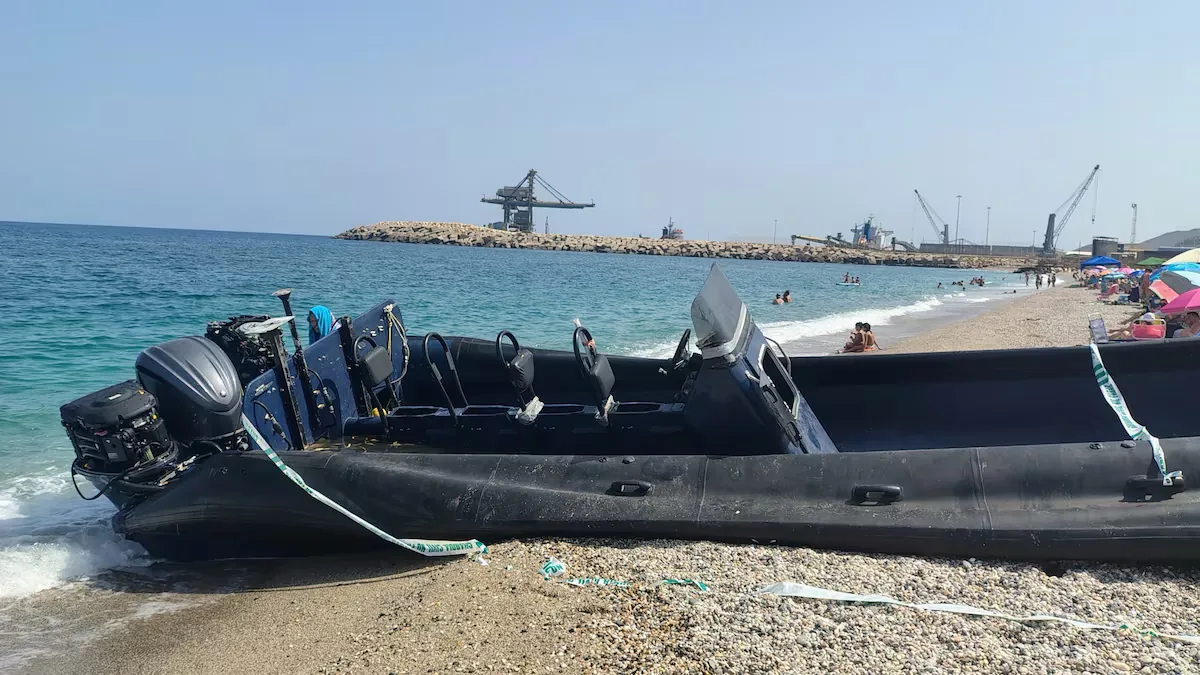
Drug trafficking from Latin America to Europe is constantly changing. It is increasingly common for drug speedboats to reach farther distances, up to the Atlantic, to load the drugs transported by cargo or fishing vessels and bring them ashore. This causes police interventions to occur earlier, for fear that the drugs will be distributed.
These changes in dynamics are related to pressure at major ports, such as Antwerp (Belgium), Rotterdam (Netherlands), or in Spain, Algeciras, Valencia, and Barcelona. The push from the European Port Alliance, a form of public-private cooperation launched in January 2024 by the EU, reduced seizures, but trafficking has not disappeared. Organizations devise new methods, such as the use of narcosubmarines, or divert their shipments to smaller ports where there are fewer security measures.
Read more Betis buries Oviedo’s hope