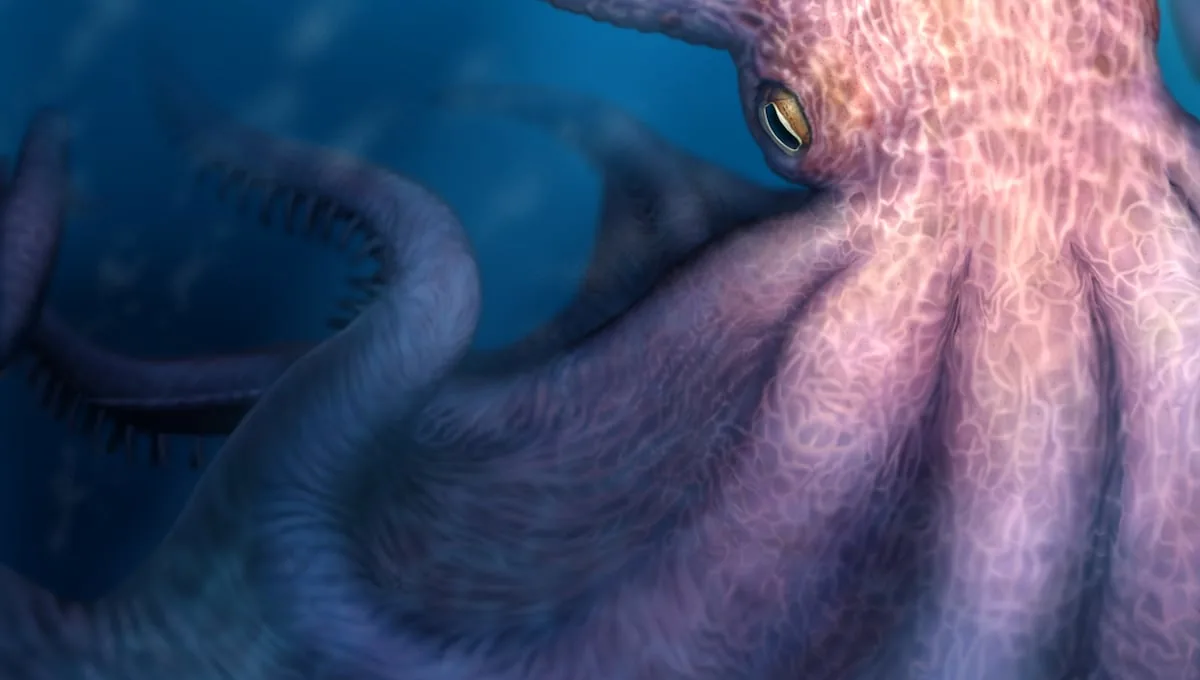









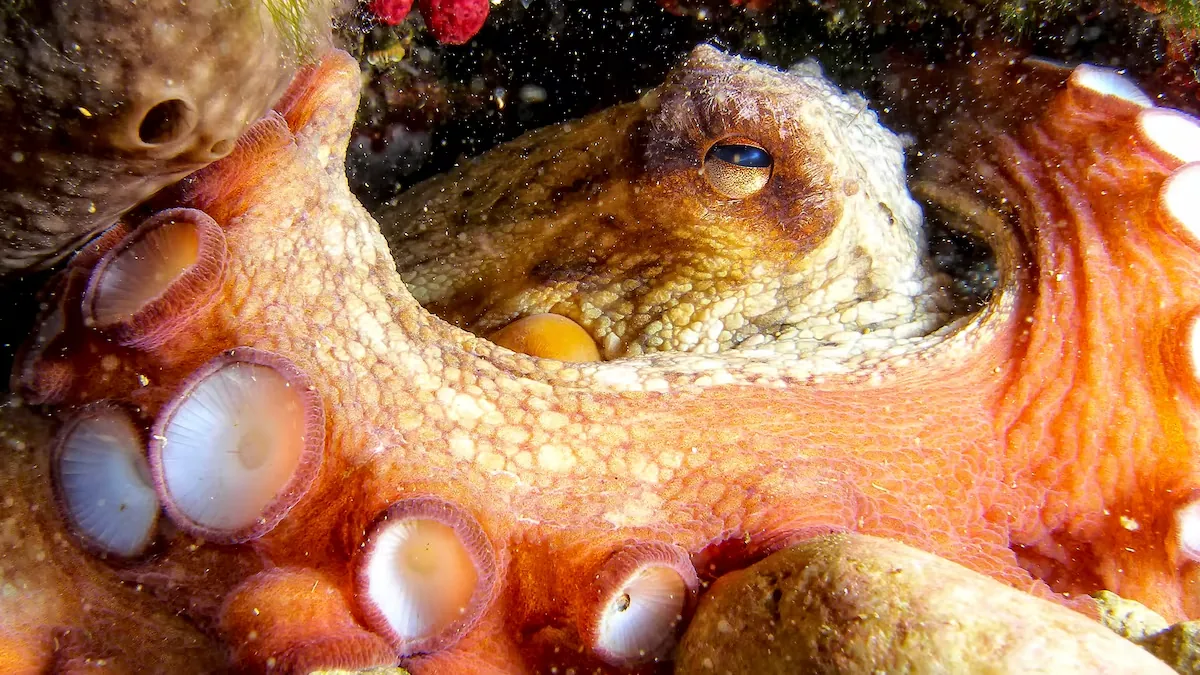
End to the controversial project to establish the world’s first octopus farm in the Port of Las Palmas de Gran Canaria. Nueva Pescanova informed the Port Authority last week of its request to withdraw from the procedure for granting a public concession — an official permit granted by the government to use a public asset exclusively, for a limited time and paying a fee — for the installation of a “Marine Cultivation Farm” in the Canarian port.
Read more The minute and a half of fame of empty Spain: the total eclipse will hide the Camino de Santiago
According to the public body, the company has concluded “that it is not appropriate to continue promoting the concession application submitted under the currently proposed terms.” It argues this due to “the concurrent unforeseen circumstances” during the procedure and in light of “the new administrative requirements” demanded by the Autonomous Environmental Evaluation Commission. The company clarifies in its statement that this decision “does not imply any recognition” regarding the potential future viability of other technical, environmental, or location alternatives that might be analyzed if applicable.
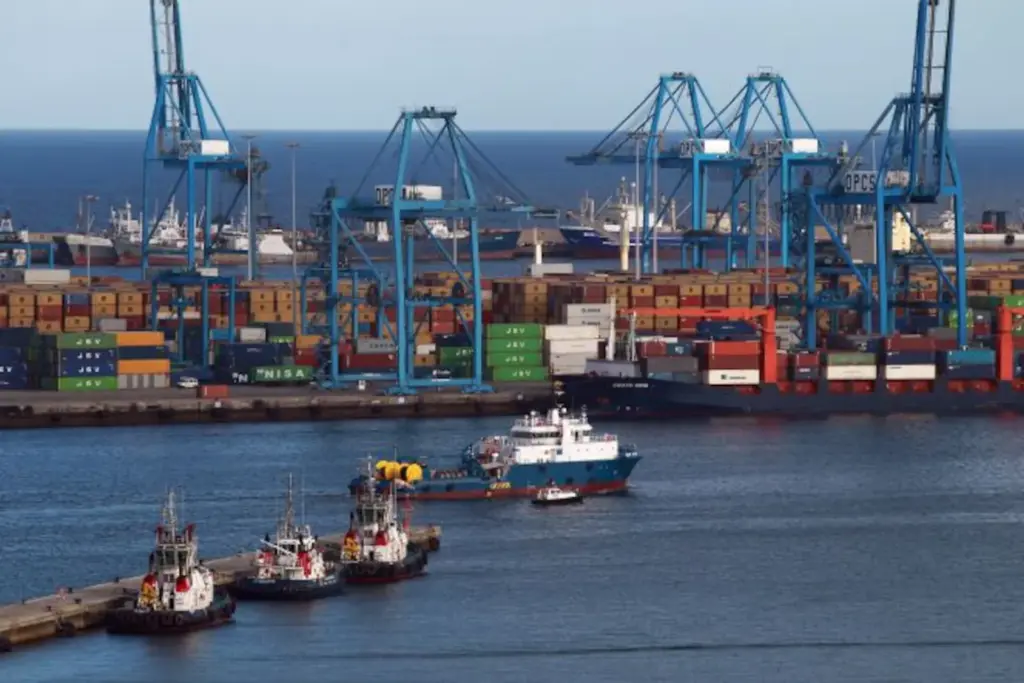
In 2022, it became known that the Galician company planned to launch within a year facilities covering 52,000 square meters in the Port of Las Palmas de Gran Canaria. They would employ 300 people, producing about 3,000 tons of octopus per year. The plans faced opposition from numerous scientific organizations and animal rights advocates from the outset.
Elena Lara, the research head of the international organization Compassion in World Farming, explained in 2022 her rejection of these plans. “Octopuses are extremely intelligent and complex animals, they need a lot of stimulation in their environment,” she emphasizes. “They are solitary species, not adapted to intensive conditions in farms. It would be irresponsible to put them in empty tanks without any stimulus.”
Scientist Lara had prepared shortly before a document demanding the Spanish Government to do “what is right, moral, and ethical and not allow the Canary Islands, nor any other place in the country, to suffer the dishonor of opening this octopus extermination center.” She stressed that this type of facility is not comparable to traditional farms with other beings. “These are wild animals, we have not domesticated them, unlike what happens in traditional farms. We know how to improve the living conditions of pigs and chickens. Octopuses, on the other hand, are very fragile: there is no way to humanely slaughter an octopus.”
Nueva Pescanova has declined to comment to this newspaper on this decision. In its communication to the Port Authority, the company explained that this decision “responds exclusively to business and regulatory considerations derived from the evolution of the administrative procedure.” During processing, the need arose to address the “observations and conditions” of various sectoral bodies, as well as to subject the project to the ordinary environmental evaluation procedure “upon recognizing the possible existence of environmental effects that required additional analysis.”
“All these circumstances,” according to Nueva Pescanova and reported by the public body, “although they do not affect the environmental viability of the project, have resulted in a substantial modification of the conditions, scope, deadlines, and regulatory requirements of the initial project, which has forced the company to reconsider its configuration and development strategy.”
Read more Ice creams and popsicles from worst to best: a personal ranking from Fantasmiko to Frigopie
At the heart of the debate is the success of octopus among consumers. Cephalopods — octopuses, squids, and cuttlefish — accounted for 7% of global exports of aquatic animal products in 2024, according to the Sofia report from the United Nations Food and Agriculture Organization (FAO), with a total export value of 12.7 billion dollars (10.99 billion euros). This represented a 2.5% decrease compared to 2023, following an 8.6% drop in 2022.
China, Morocco, and Mauritania concentrate the majority of global octopus catches. Among exporters, China, Spain, Morocco, Indonesia, and Vietnam stand out. Spain is also one of the main importers in terms of value, along with Italy, China, and Japan.
“The issue is much more complex,” Eduardo Almansa, a researcher at the IEO, the Canary Oceanographic Center, and the University of La Laguna, who collaborated with Nueva Pescanova in developing the now-abandoned farm, explained to EL PAÍS in 2022. “Do we want to keep eating octopus? Because demand is increasing worldwide, and at this rate, fisheries will not be able to meet it. We try to find alternatives to produce a food for which there is demand, in a viable and sustainable way, ensuring animal welfare.”
Controversy
Marine farms have made headlines in the islands in recent months. In November, news broke about the mysterious death of thousands of sea bass being raised in cages in Melenara, on the east coast of Gran Canaria. The owner of the facilities is Aquanaria, a company of Cantabrian origin dedicated to raising large sea bass for gastronomic use that has operated in the Canary Islands since 1987. It has 48 nurseries on the island, where it raises between 40,000 and 50,000 specimens annually. This event led to the closure of more than a dozen beaches on the island.
The causes of this incident remain unresolved: the Environmental Prosecutor’s Office opened an investigation after detecting “numerous irregularities” in the management of the nearby wastewater treatment plant (EDAR). Aquanaria, which also filed a complaint as an affected party — 2,500 tons of sea bass died and it suffered estimated economic losses of 30 million euros — will dismantle this marine farm before the administrative concession expires in April 2029, although it will strengthen three other larger capacity operations located in Tufia, Arinaga, and Castillo del Romeral.