The Spanish electrical system and the main telecommunications networks operated without notable incidents during the total solar eclipse recorded this Wednesday, August 12, according to confirmations from the system operator and sector companies at the close of this edition.
Read more A trick by Brahim gives Madrid the victory at the Teresa Herrera
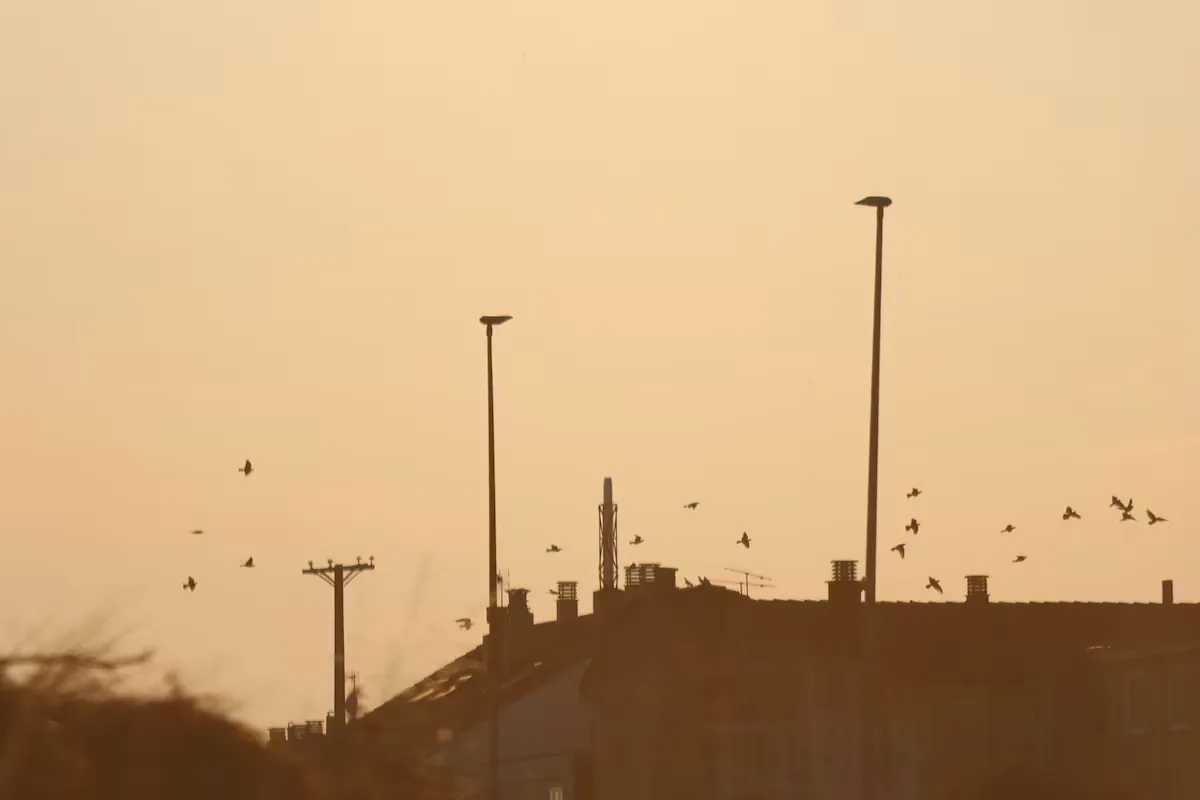
Between 7:30 p.m., when the Moon began to cover the solar disk in A Coruña, and 8:30 p.m., when darkness reached the island of Formentera, photovoltaic solar generation fell from 16,000 megawatts (MW) — 35.5% of total production — to approximately 500 MW, equivalent to 1.5% of instantaneous generation. The reduction in photovoltaic power was offset by an increase in production from combined cycle gas plants and hydraulic installations.
Red Eléctrica de España (REE) indicated that the technical impact was limited due to the time slot of the phenomenon, coinciding with the usual sunset at the end of the afternoon. The operator had designed preventive protocols to manage the transition.
In the telecommunications sector, Telefónica and Vodafone reported that no coverage failures or network saturation were recorded, despite the increase in data traffic due to the sending of images and videos.
Telefónica reconfigured technical parameters at 2,756 sites in 31 provinces, mobilized mobile units, and reinforced capacity in 13 autonomous communities to respond to the influx at observation points. Sources from the company chaired by Marc Murtra indicated that the final assessment of the day is still being evaluated.
Vodafone adapted its infrastructure at 200 strategic points by monitoring more than 1,700 mobile phone cells to prioritize fault resolution in areas with high spectator density. Meanwhile, MasOrange intervened at nearly 300 sites, focusing on rural and less densely populated areas.
The infrastructure manager Cellnex Telecom activated energy backup and redundancy systems on its towers in Spain and Portugal to maintain the operability of mobile operators and communication channels for emergency services (Civil Protection, security forces, and healthcare).