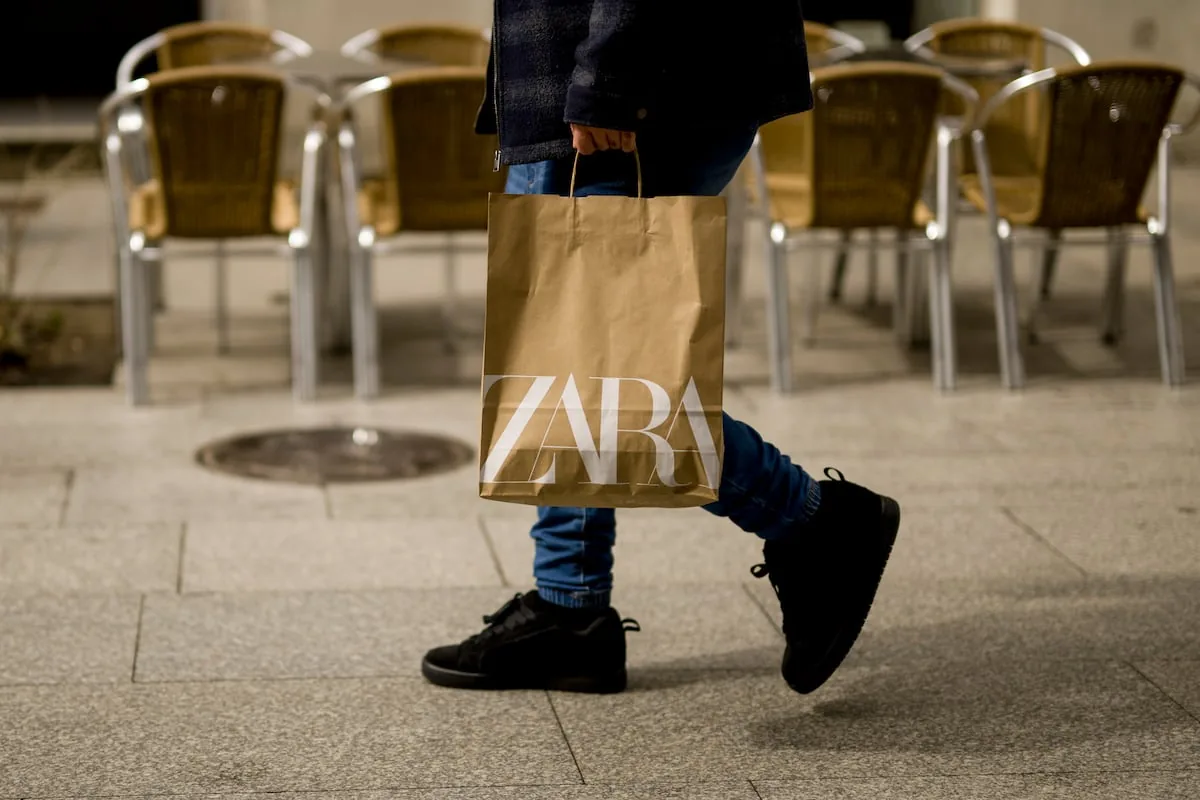








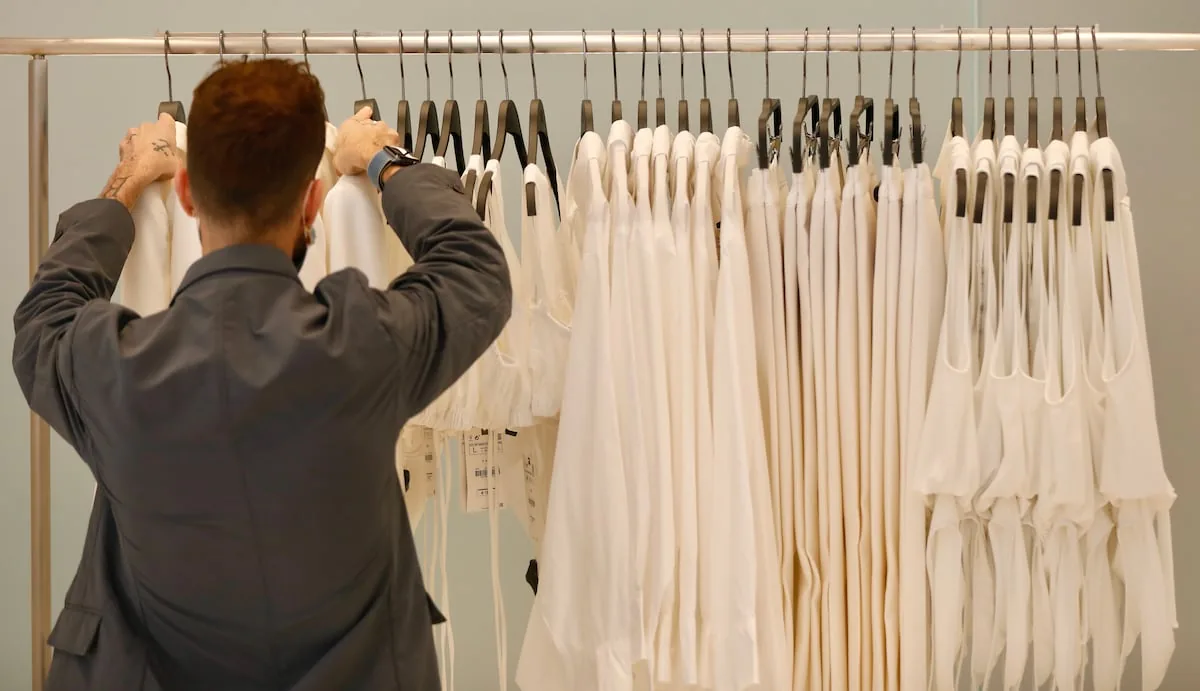
An end to one of the great sagas of collective bargaining in recent years. The first nationwide agreement in the textile trade sector is a reality after, late on Wednesday, the employers’ association ARTE, representing the major companies in this field such as Inditex, Mango, Primark, or H&M, and the unions CC OO and Fetico definitively signed the agreement, just as three years were about to pass since the negotiating table was formed.
Read more And Vallecas turned mourning into a celebration
The parties had already reached a preliminary understanding at the end of March, not without controversy. It was only signed by two of the five unions present at the table, CC OO and Fetico themselves, with the outright opposition of UGT and the regional unions ELA and CIG. However, the number of representatives of the first two was enough to reach a majority, thanks to the seven delegates from CC OO, the majority at the table, and the one from Fetico.
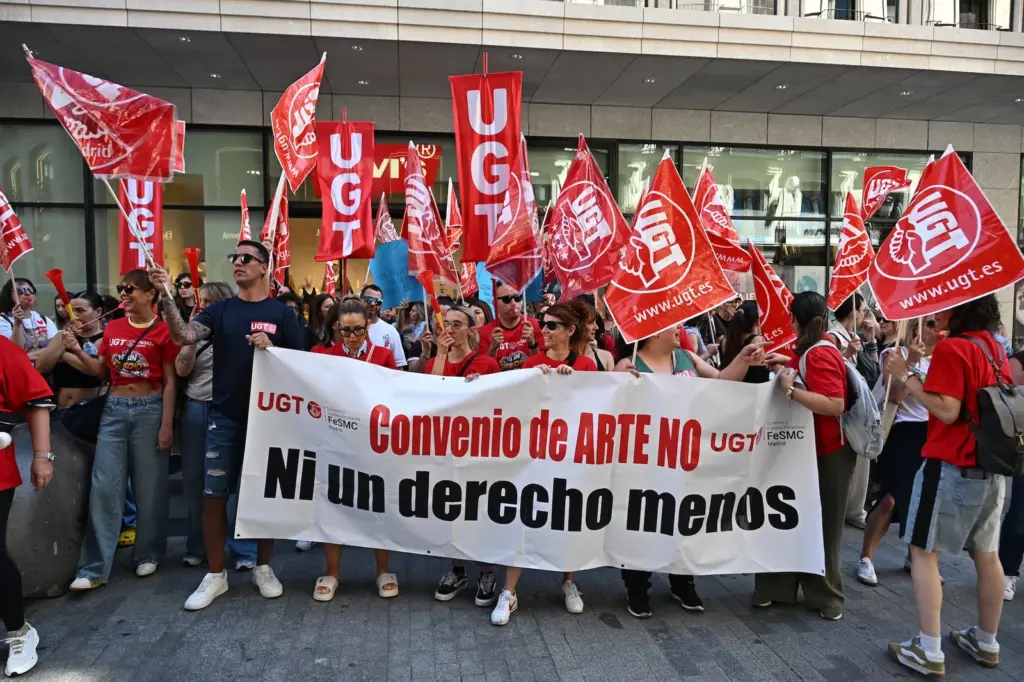
UGT, which was the second most representative union and had even walked away from the negotiating table only to return later, distanced itself from the signing, considering that the preliminary agreement meant “giving in to the demands of the employers.” In recent weeks, including last Saturday, it has promoted mobilizations against the preliminary agreement, which has now been ratified. According to a statement from the employers’ association ARTE, UGT “has reserved its final decision on signing the agreement.”
The agreement came “after a long closed meeting on Wednesday night,” as detailed by CC OO. In their view, the agreement “ensures the maintenance of key guarantees of the provincial frameworks, unifies conditions, and introduces substantial improvements in areas such as working hours, work-life balance, and remuneration.” It potentially covers 120,000 workers, mostly women, becoming one of the major sectoral agreements in the country. For ARTE, this “will allow, for the first time, the major fashion retail chains to have a homogeneous, modern, and stable national framework, adapted to the current reality of the sector and its future challenges.”
The agreement is set for a duration of three years, starting from 2026, with annual salary increases of 3% for 2027 and 2028, with an additional 1% revision clause according to the CPI. The labor framework is divided into six professional groups, starting from a base entry salary of 18,000 euros, up to 24,860 euros for the highest category, corresponding to regional store managers.
A period of 31 days of annual vacation is established, of which 21 can be taken during the summer shift, set between June 1 and September 30. Additionally, eight free weekends are guaranteed in 2026, increasing to 10 in 2027 and 11 in 2028; voluntary and compensated work on Sundays and holidays; a weekly rest of two days for stores with more than six people, and one and a half days for those with fewer; and companies commit to communicating schedules at least five weeks in advance.
Read more Alexia Putellas’ final bow before her Barça
One of the hot points of the entire negotiation was the annual working hours. This is set at 1,700 hours for 2026, which will rise to 1,760 hours in 2027 and 1,740 in 2028. The agreement respects the 1,740 annual hours already contemplated in a provincial agreement. The minimum daily working hours will be four hours part-time, and six hours full-time, with a maximum of nine hours. Part-time contracts will have a minimum of 24 hours per week, except for specific weekend contracts.
Other points covered by the agreement include a 25% increase in the hourly rate for night work, established between 10:00 p.m. and 6:00 a.m.; Sundays will be paid at 45 euros, rising to 55 in 2028; and holidays at 70 euros, increasing to 80 in 2028.
CC OO celebrates having achieved an “upward standardization of working conditions and guarantees of the best pre-existing conditions.”
The agreement applies to workers in textile and footwear trade companies with more than 400 employees and a physical sales area of more than 3,500 square meters, or with presence in at least three autonomous communities. Until now, the sector has been governed by more than 50 provincial agreements, with varying characteristics and different durations. Once registered in the Official State Gazette, the national agreement will come into effect in those areas where the validity of the respective provincial framework expires.
Read more About 500 photographs of Vicente Aleixandre, “mostly unpublished”, found in an old suitcase