
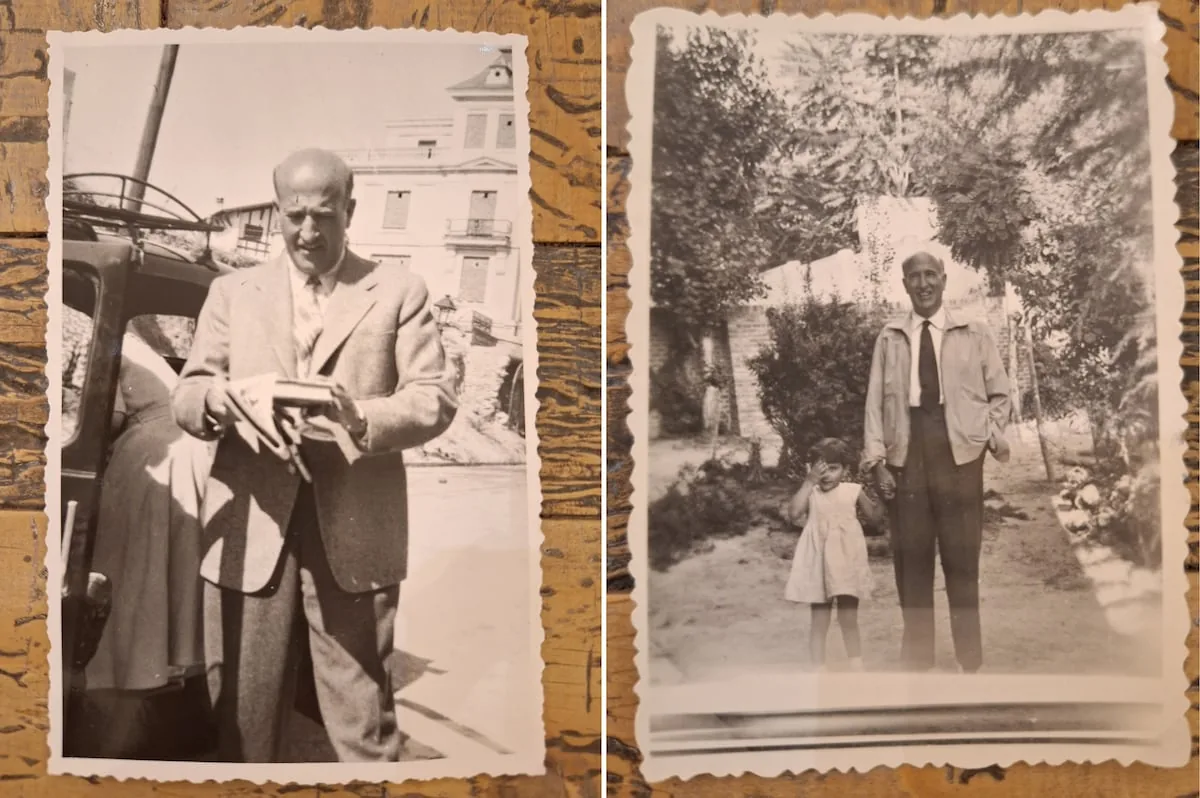
The poet and Nobel Prize in Literature winner Vicente Aleixandre (1898-1984) with Luis Cernuda, with Rafael Alberti, Dámaso Alonso… Aleixandre with his family members (grandparents, parents, and siblings), portraits of him… and up to about 500 photographs have appeared in an old leather suitcase, owned by a person in Madrid, the Vicente Aleixandre Friends Association (AAVA) reported this Wednesday on the social network X.
Read more Sevilla breaks the agreement with Sergio Ramos for the sale of the club: “We feel deceived”
The president of AAVA, Alejandro Sanz, said in a phone conversation that “most of these photos, around 70% or more, are unpublished,” after seeing them on Tuesday with the person who owns the suitcase, whose name he prefers not to reveal. Among these photos, there is one that AAVA is studying to determine if it is unpublished, showing a group of people around a table including Federico García Lorca, Aleixandre next to him, and Rafael Alberti opposite both.
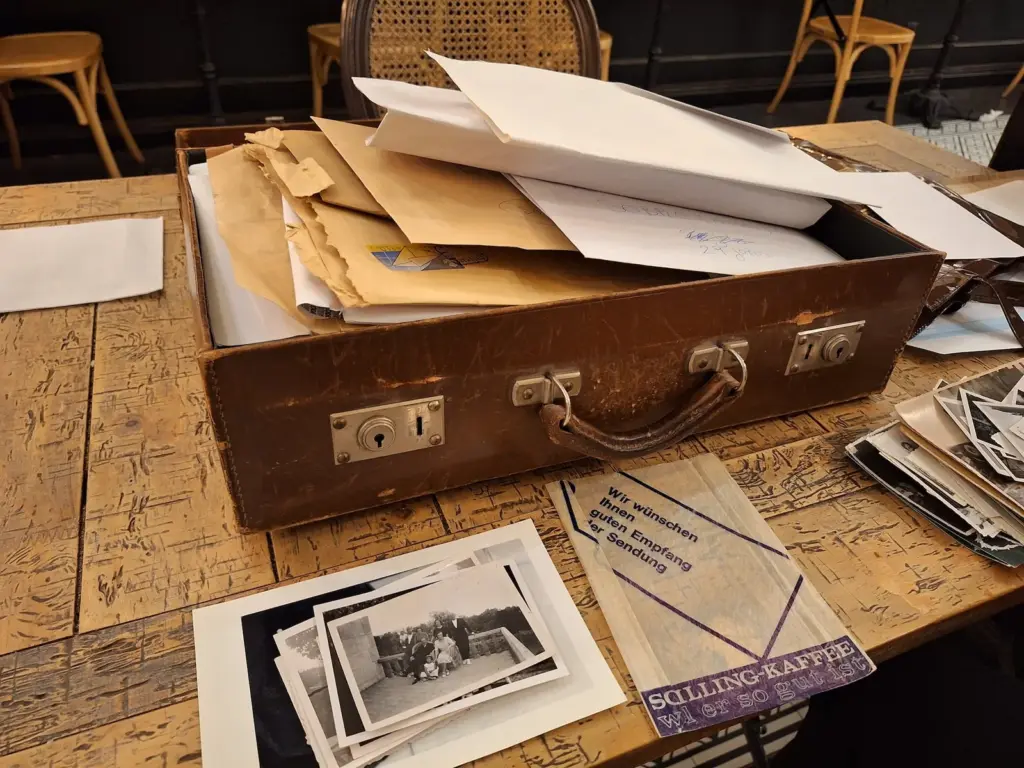
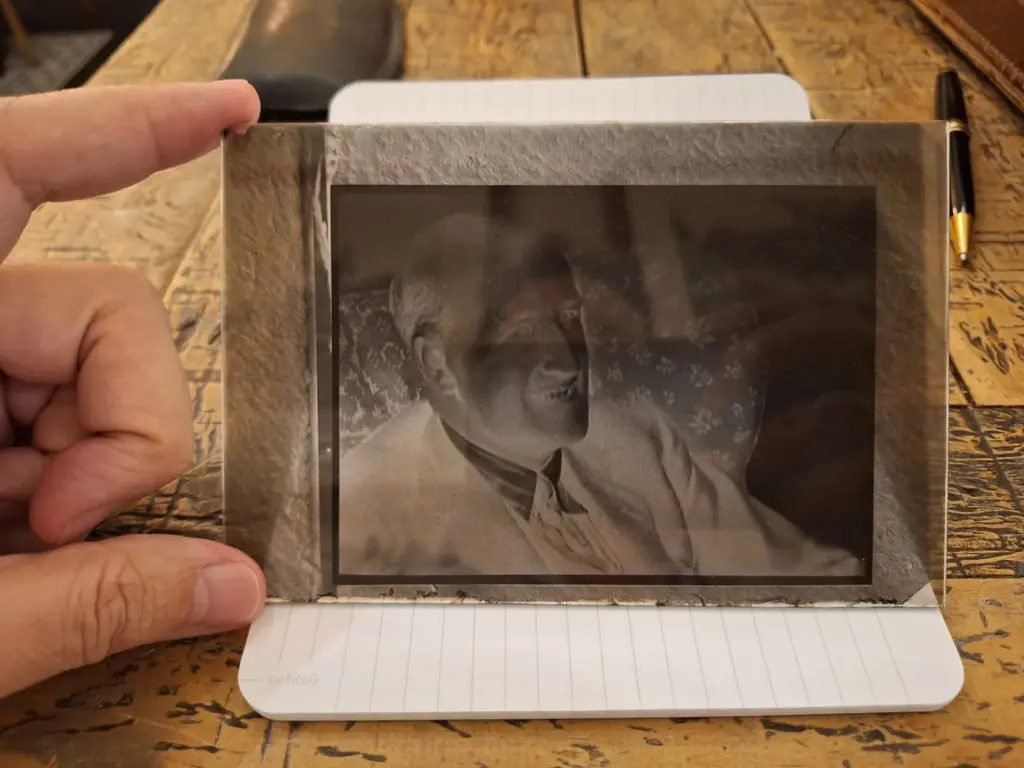
Sanz assures that they had been on the trail of the suitcase for some time, having heard about it, until they finally were able to see and touch the photos. “Now the important thing is to catalog them, urgently digitize them, and, if necessary, restore them.” The reason for this urgency is that the photos, on paper, although there are also glass plate negatives, show the marks of time, “since some are from the twenties, thirties, and forties of the last century.” In some cases, he adds, it will be very difficult to document them, while others have information on the back about where and when they were taken. Some, Sanz points out, are torn, others, logically, have faded with the characteristic sepia tone of old photos. The vast majority are black and white.
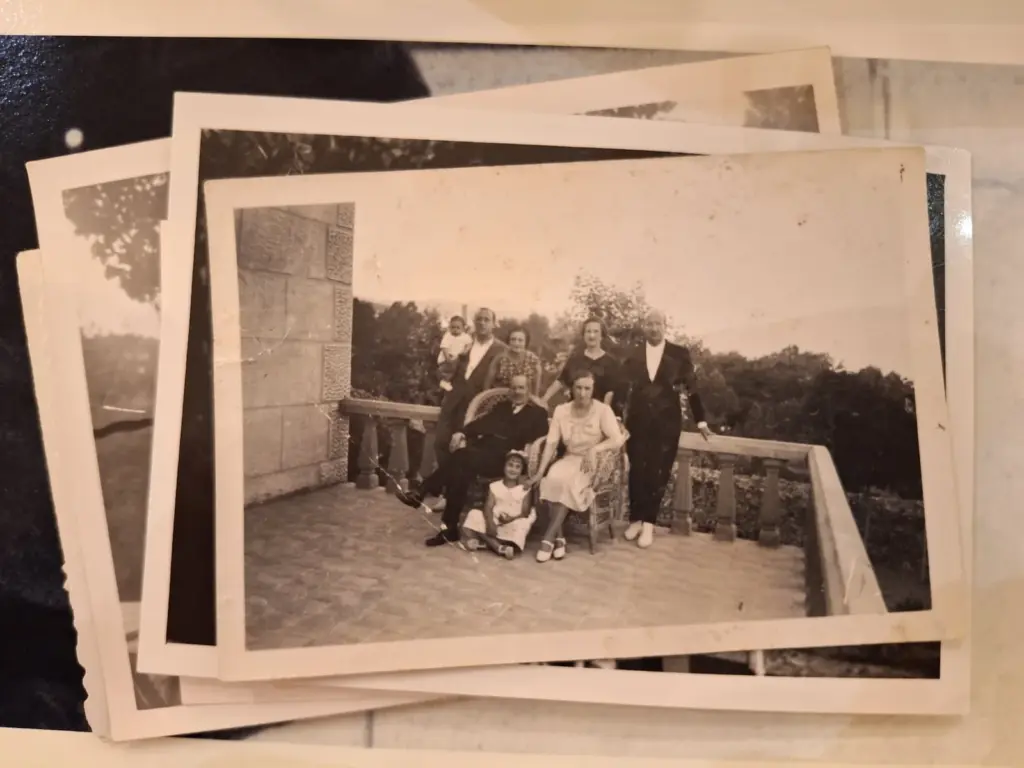
Sanz has been able, at least, to establish a first classification of the images. “There are family photographs” of the author of works such as Destruction or Love (1935) with his grandparents, parents, and siblings. Aleixandre had only one sister, Conchita, because his other two siblings died (a girl at birth and a boy at only two years old). Some of these photos are from the Madrid town of Miraflores de la Sierra, where the Aleixandre family had a chalet called Vistalegre. Sanz also highlights that among these shots, there are some taken in studios of great Spanish photographers of that era, such as Alfonso and Kaulak (pseudonym of Antonio Cánovas del Castillo y Vallejo).
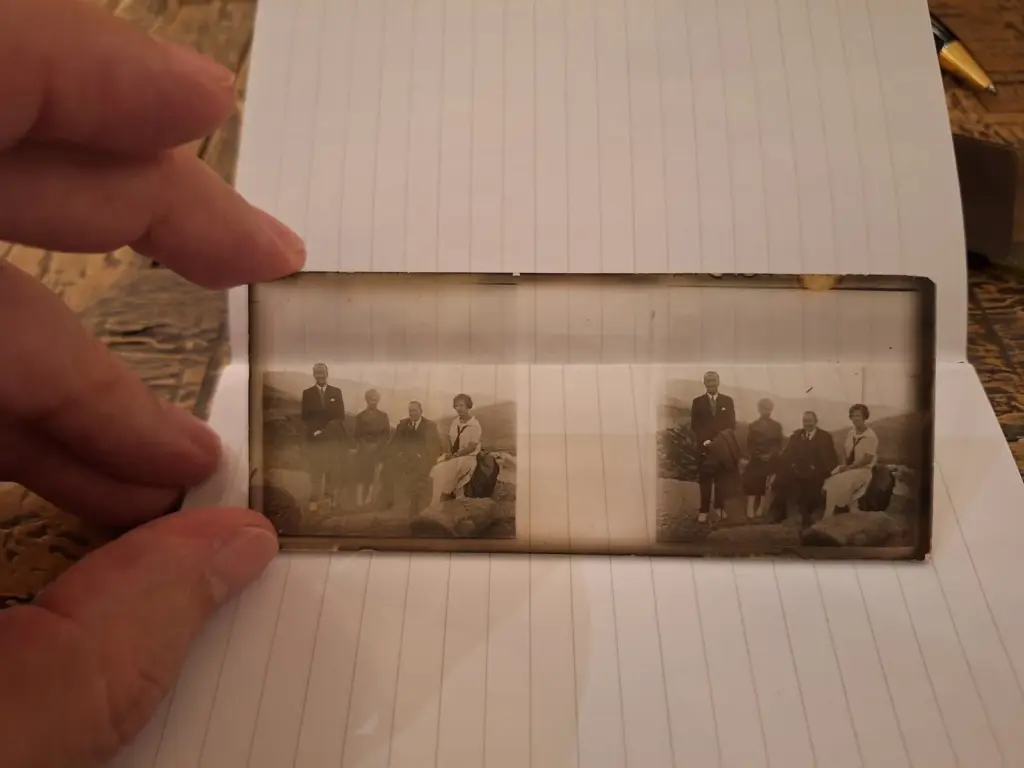
There are also photos “of Aleixandre alone, portraits”; then there are those where he poses with other writers, among which stand out those of the Generation of ’27, and finally, those of people linked to the poet but in which he does not appear, he adds. Also, strips of negatives have been found in the suitcase that have not yet been studied.
Among the curiosities found, there are also several stereoscopic photographs, and in one of them is Aleixandre. Stereoscopic photographs are a set of two slightly separated images that, through a viewer, create the optical illusion of becoming one and three-dimensional when looked at.
“When we manage to digitize them, the intention of the owner and our association is for everything to be available to the public, although that does not mean we will upload them to our website,” Sanz points out. “We would keep a high-resolution copy and take care of its management, which the owner agrees with. Also, we are already thinking about publishing an album next year with these photos, which would be titled Vicente Aleixandre, portrayed”.
Precisely, in 2027 the centenary of the generation of poets that formed the Silver Age of Spanish literature will be celebrated, after the historic meeting held in Seville, which included Aleixandre, Lorca, Cernuda, Dámaso Alonso, Jorge Guillén, Rafael Alberti, among others. Also, it will be 50 years since Aleixandre was awarded the Nobel Prize in Literature in 1977, the last Spanish poet to achieve it.
The AAVA was created in 1995 (Aleixandre had died in 1984) to protect and claim the poet’s legacy, mainly the house in Madrid where he lived with his family from before the Civil War until his death, called Velintonia. The property was acquired by the Community of Madrid in April 2025 at a public auction for 3.1 million, after nearly four decades of disagreements between Aleixandre’s heirs and between the administrations (Ministry of Culture and Community of Madrid), to convert it in 2027 into the House of Poetry.