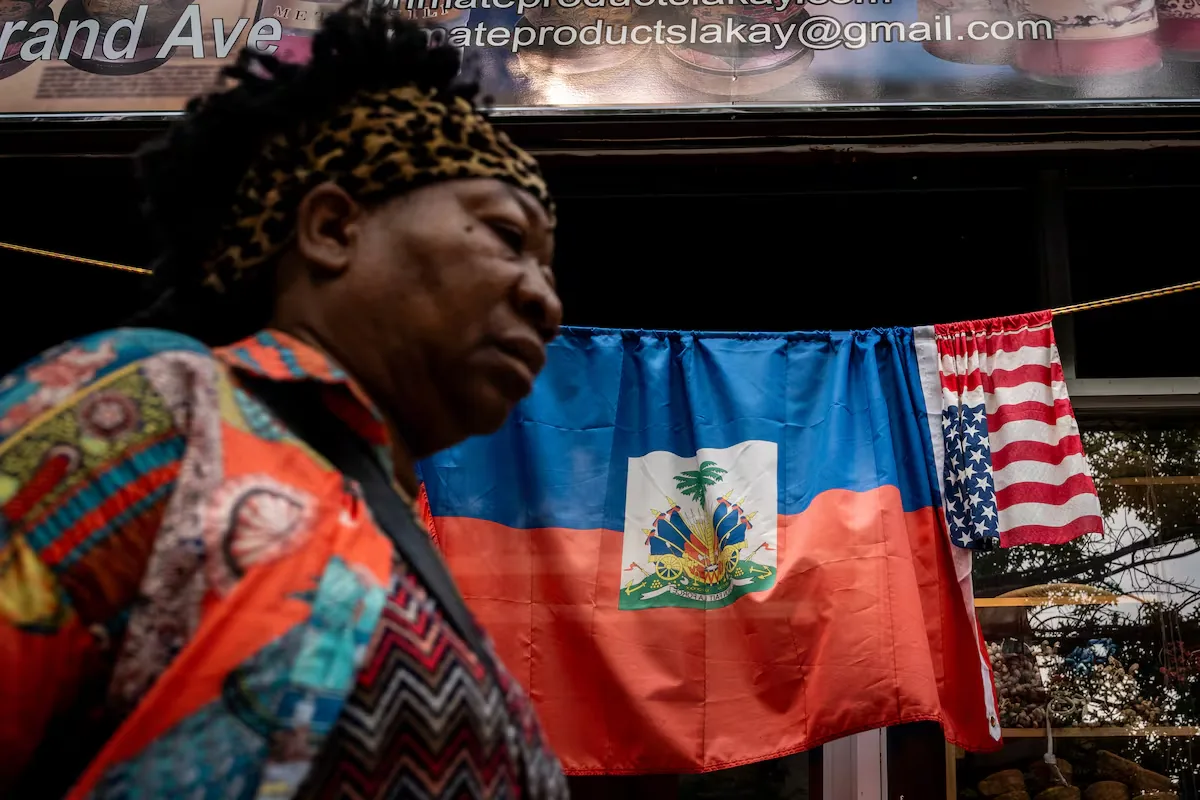
The end of the Temporary Protected Status that allowed about 350,000 Haitian citizens to remain and work legally in the United States is now official. This Wednesday, federal district judge Ana C. Reyes overturned the block that prevented the lifting of TPS, ordered by the administration of President Donald Trump and supported by a Supreme Court decision. It is a legal formality that confirms what was already happening in practice: Haitians benefiting from TPS have lost the status that until now protected them from deportations.
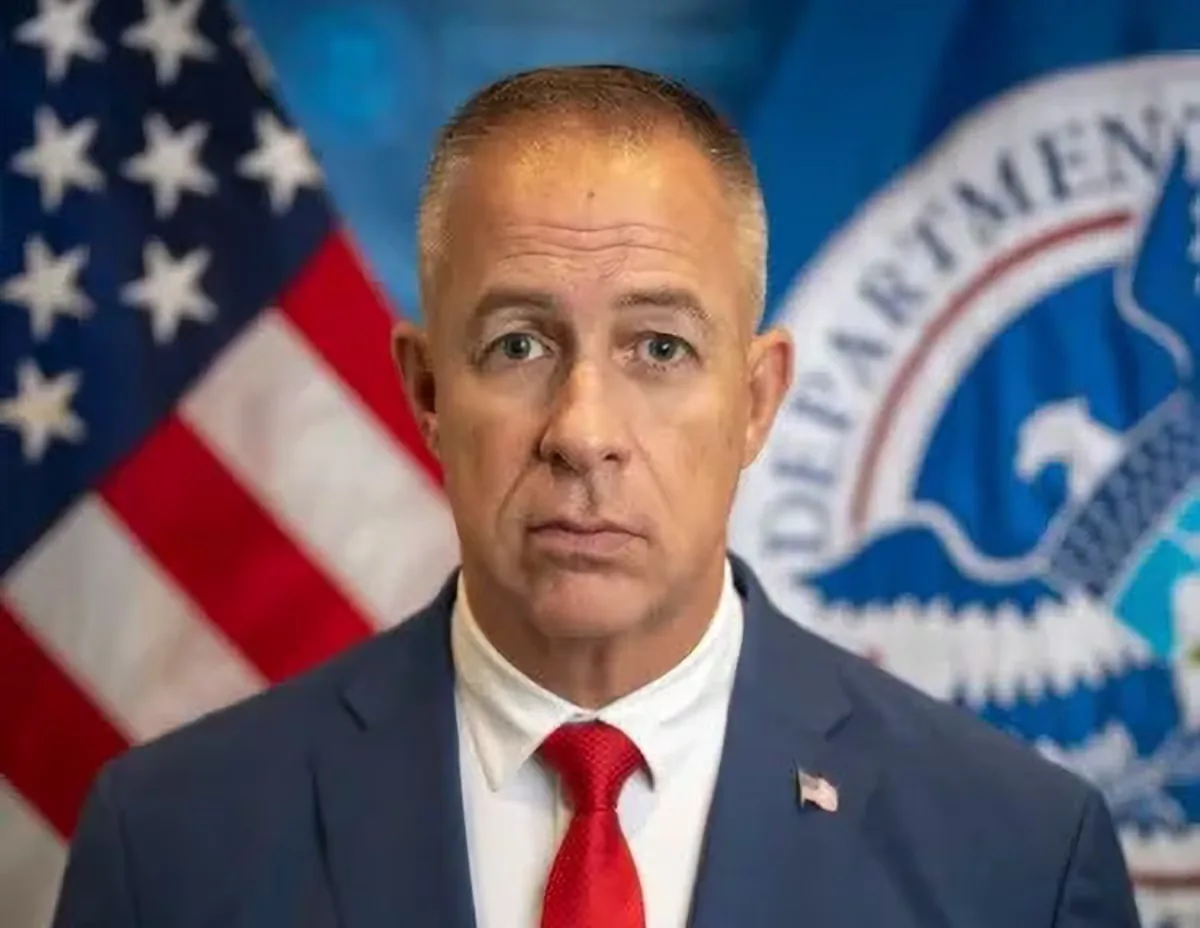
“The Court order, which had suspended the effective date of the Termination of the designation of Haiti for Temporary Protected Status by the Secretary of the Department of Homeland Security, Kristi Noem (…) while judicial review was underway, is no longer in effect,” Judge Reyes wrote in the order issued this Wednesday.
In February, Reyes had blocked the Administration from ending TPS for Haitians, and a federal appeals court had refused to lift that ban. But now she has reversed the measure, based on the decision made by the United States Supreme Court in June that prevents district courts from making determinations about temporary protected statuses.
Temporary Protected Status protected immigrants from countries affected by wars, natural disasters, and conflicts that prevent them from returning to their countries. In the case of Haiti, the first TPS was approved after the devastating earthquake in January 2010. The various federal administrations that followed renewed it until Donald Trump came to the White House and decided to eliminate it. The status officially expired at midnight on July 27, but it was still necessary for federal judge Reyes to issue the decision that today officially lifts the protections.
Read more Daily ONCE coupon: check the draw for Wednesday, August 5
The news has not been a surprise for lawyers and activists who provide support to Haitian immigrants and citizens of other nationalities who have lived and worked in the United States for decades thanks to this benefit. “District court decisions can no longer be enforced now that the Supreme Court has revoked them. So, for all practical purposes, there is no longer any protection,” said lawyer Jessica Bansal, TPS legal advisor for the National Day Laborer Organizing Network (NDLON), one of the organizations that has pushed lawsuits in courts across the country to stop the elimination of protected statuses and that had so far achieved small victories.
For activist Guerline Jozef, president and founder of the NGO Haitian Bridge Alliance, this is “the largest revocation of legal status in recent United States history.” This week her organization has documented “a change in tactics” by Immigration and Customs Enforcement (ICE) agents in cities across the country where there are Haitian communities. “Instead of deploying massively in communities, they are using strategies to summon people to their offices or to detain them or place an ankle monitor on them, telling them that if they do not ‘self-deport,’ they will be called again to appear within a month,” Jozef said during a press conference this Monday. In Springfield, Ohio, at least 50 people have been summoned by ICE in the last week and have left their interviews with electronic shackles; meanwhile, those who missed appointments have been detained and are currently in custody.
Lawyers have warned that ‘self-deportation’ does not mean a voluntary departure nor does it protect the migrant from possible detention before leaving U.S. soil, since it is a process outside of U.S. immigration law.
Read more Bonoloto: check Wednesday, August 5 draw