









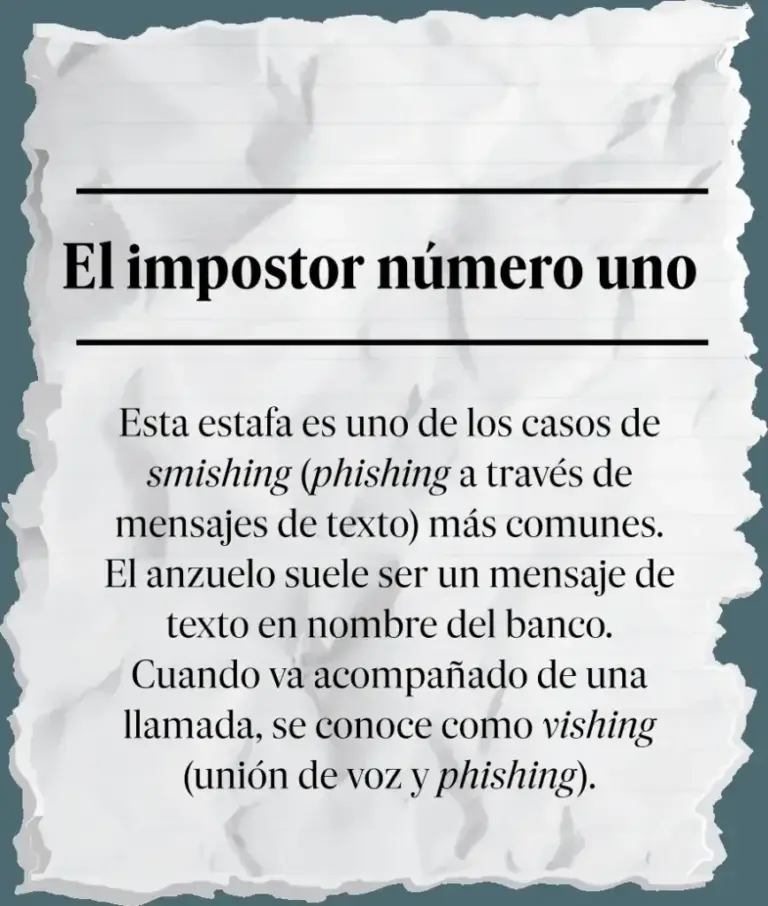
In the fake bank employee scam, the criminal first sends a message with an alert about a suspicious movement in the account and provides a link or a phone number to call. Once in the conversation, they try to convince the victim that their money is in danger so that they authorize operations that will turn out to be fraudulent
In 2025, the National Cybersecurity Institute (INCIBE) recorded 25,133 cases of phishing. Over the last two years, both the National Police and the Civil Guard, as well as the Bank of Spain, have issued alerts about the increase in calls from fake bank employees.
MANIPULATION TECHNIQUES

Authority
They impersonate professionals belonging to banks to whom the victim grants power and trust
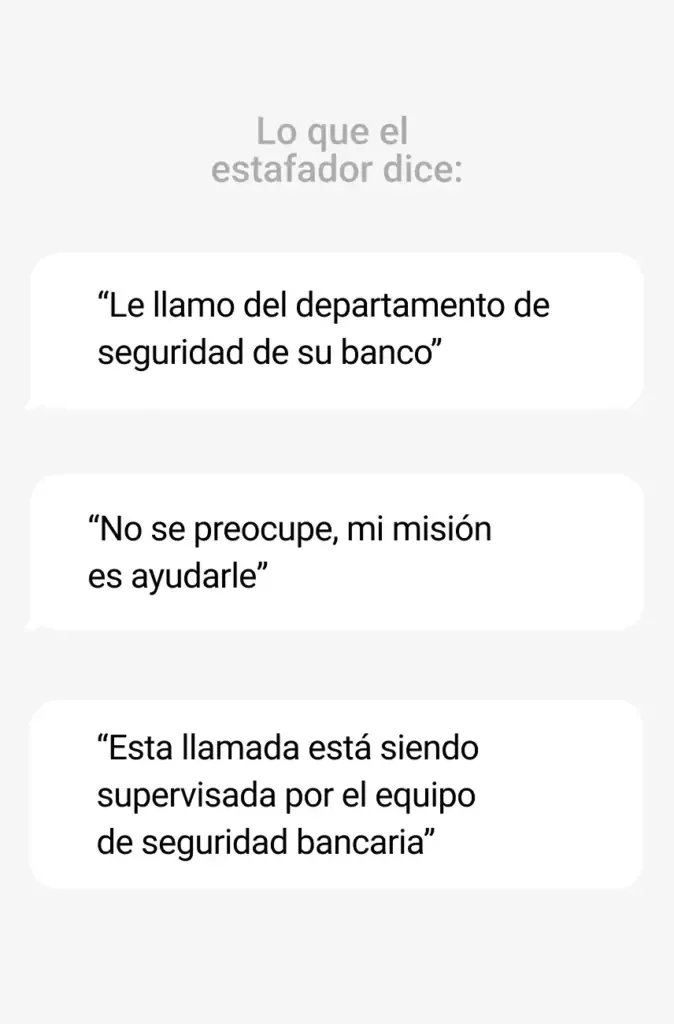
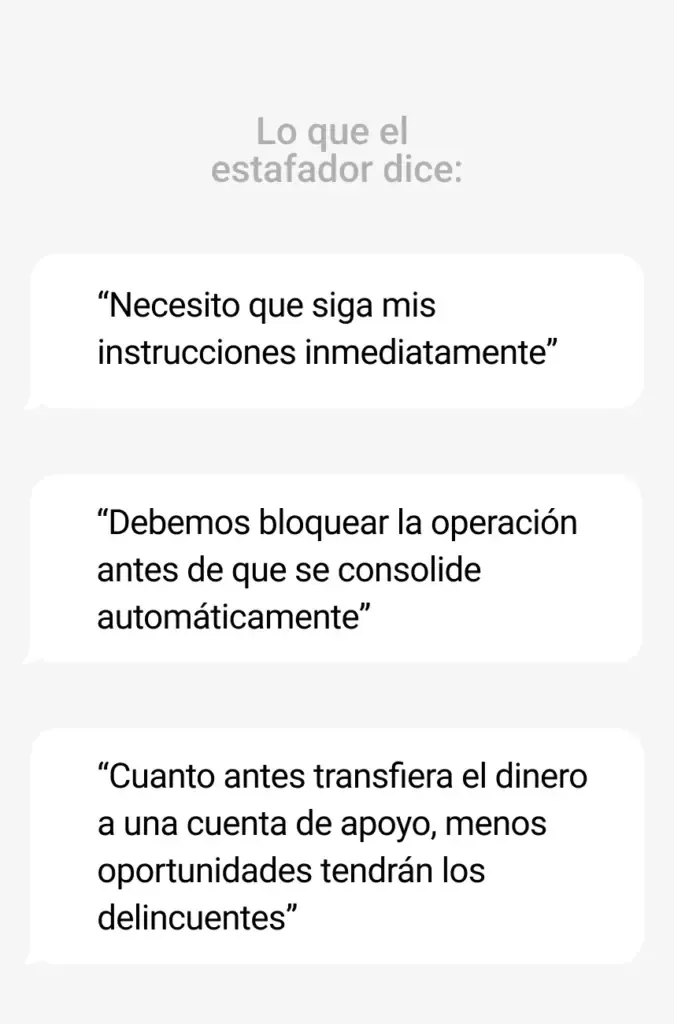
Urgency
They create the feeling that there is little time to act, which prevents the victim from reflecting or consulting someone
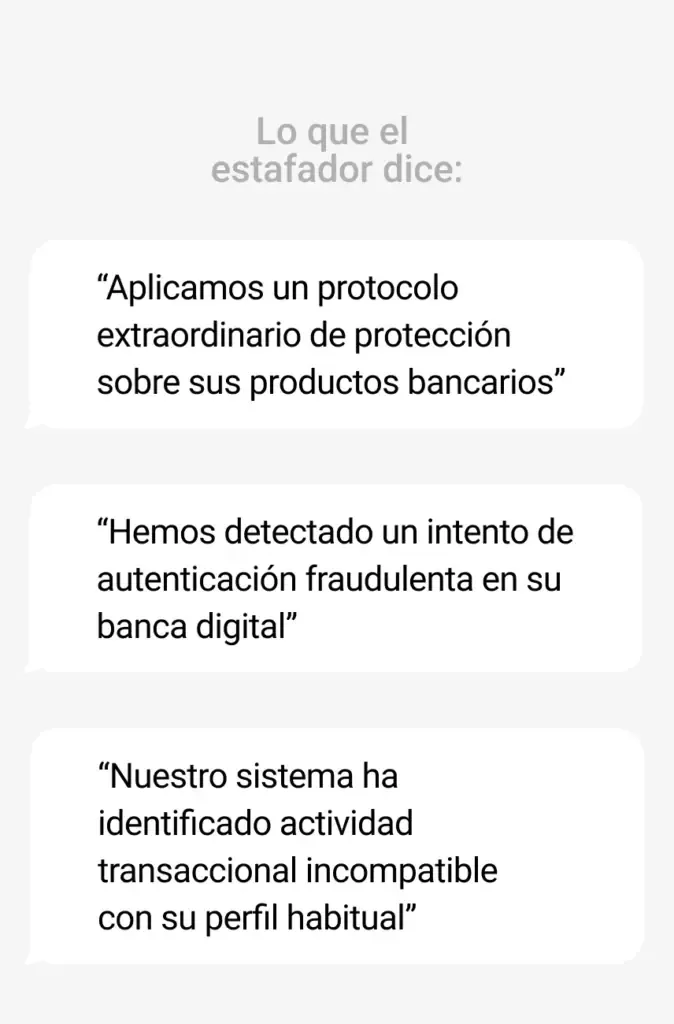
Overload of technical information
They use banking jargon to intimidate and make the victim believe they control a complex situation
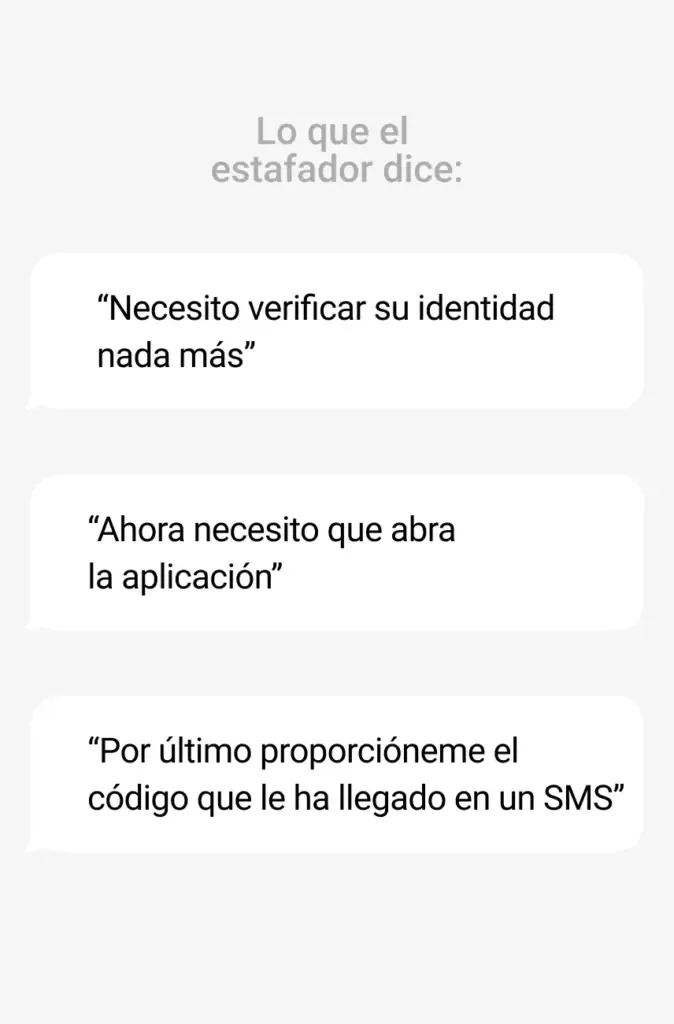
Gradual increase of requests
They include the victim in messaging app groups to make them believe that many people are already making money
CYBER EXPERT

NAME Jordi Sánchez
POSITION Fraud expert at CaixaBank
“During the call, the scammer makes you believe they are guiding you to solve your problem, but in reality, they are trying to make you do exactly what they need: perform banking operations, download applications, or provide information such as codes or card data”
HOW TO AVOID THE FAKE BANK EMPLOYEE SCAM
1
Suspect unexpected messages. Do not click on any link that appears in the message or call the number provided. When in doubt, always call the bank’s official numbers
2
Distrust urgency and threats. Messages like “Your account will be blocked” aim to make you act without thinking
Read more The largest Chess Olympiad begins in Samarkand, with more than 3,000 people
3
Do not share passwords or verification codes. The bank will never ask for passwords or other security codes
4
Do not download files or install applications. Scammers may ask you to download programs that actually give them access to the victim’s phone
A scam that has evolved. This fraud started as an SMS and a call, but today there are variants such as those that seek to steal information from bank cards using the mobile phone’s NFC technology. This wireless communication system allows sharing information between, among others, cards and mobiles, and making contactless payments. Scammers ask the victim to download a malicious application and bring the card close to the smartphone. Thus, their data is sent to another attacker’s phone, where they will create a virtual card to try to withdraw money or make purchases in stores.
The phone may appear authentic. Scammers can make the victim’s mobile screen show the same number the bank uses to serve its customers or make the SMS appear in the same thread as legitimate communications through a technique known as spoofing (which means impersonation).
They know personal data of their victim. In many cases, they have information about their target, such as the bank they are a client of, part of their ID, or their email address.
If you have already fallen for the scam. You should immediately notify the bank so that appropriate operational measures can be taken. It is also very important to keep evidence, such as screenshots, SMS, emails, and call logs. File a report with the National Police or the Civil Guard.
OTHER CASES OF THE FAKE BANK EMPLOYEE
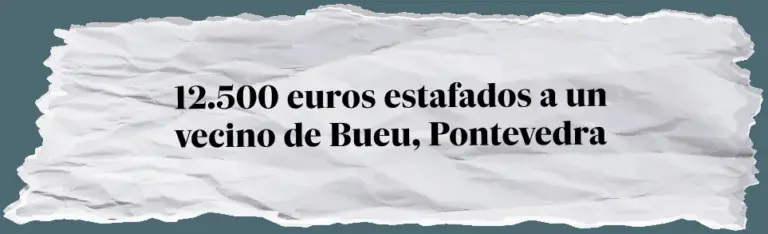
Every week, news appears with new ways to trick citizens with this type of scam:
Read more Six Spanish pizzerias among the 100 best in the world