

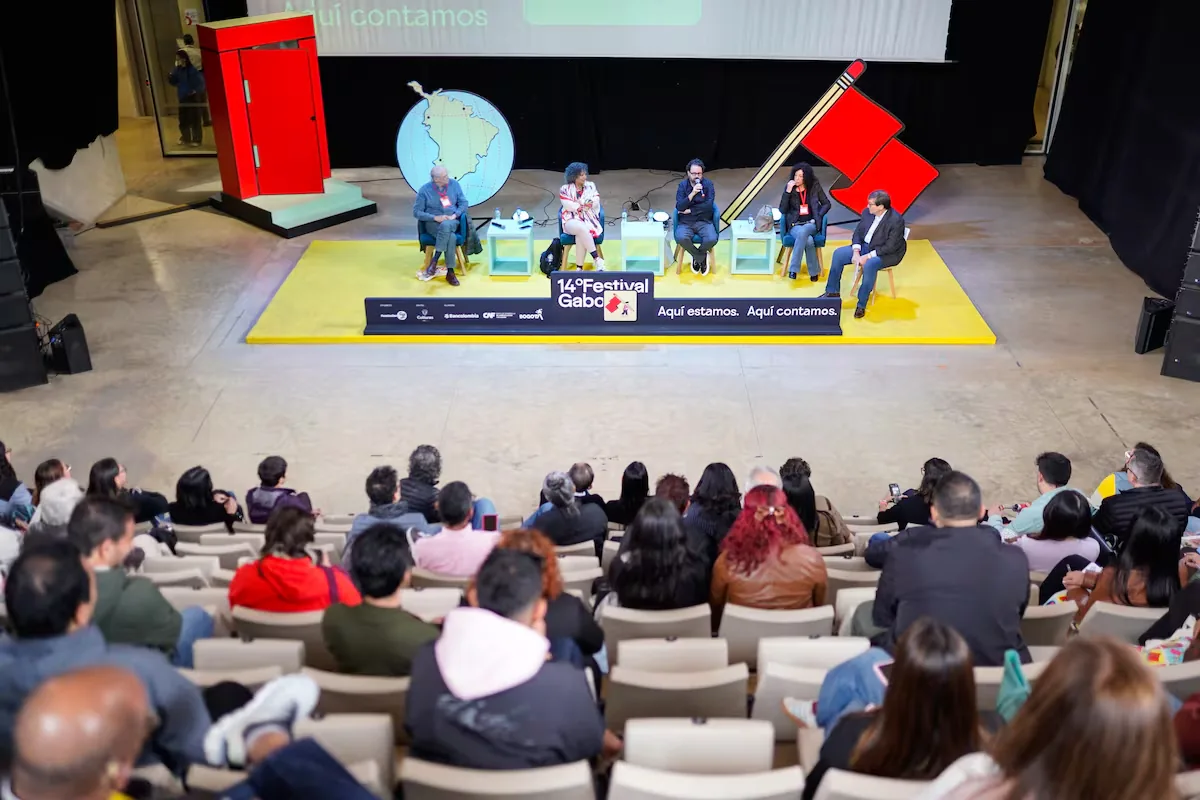
The Gabo Festival joins the celebration of EL PAÍS’s 50th anniversary. In its 14th edition, taking place in Bogotá this weekend, a panel titled “Journalism, Training, and Democracy” was held this Saturday. Jaime Abello Banfi, director of the Gabo Foundation and the Festival, moderated a discussion in which he highlighted the newspaper’s dual European and Latin American character. To do this, he recalled the newspaper’s beginnings and its relationship with Gabriel García Márquez, who was a columnist for it since 1979, when EL PAÍS was only three years old and the journalist and writer was becoming an international reference, and how that print edition reached the main capitals of the region.
Read more The mission of the day: defend San Martín de Valdeiglesias
That relationship with the Colombian Nobel laureate was just one of several milestones in a development that Javier Lafuente, the medium’s deputy director for America, summarized in one sentence: “EL PAÍS was born as a Spanish medium and today it is a medium in Spanish.” He explained that not only are there editions in Mexico, Colombia, Chile, the United States in Spanish and English, and throughout America, but more than 70% of its journalists on the continent are Latin American. Lafuente, who was also a correspondent in Colombia a decade ago, explained that the big bet of the moment is to deepen and expand the project in the United States, where there are 60 million Spanish speakers, a population only surpassed by Mexico’s.
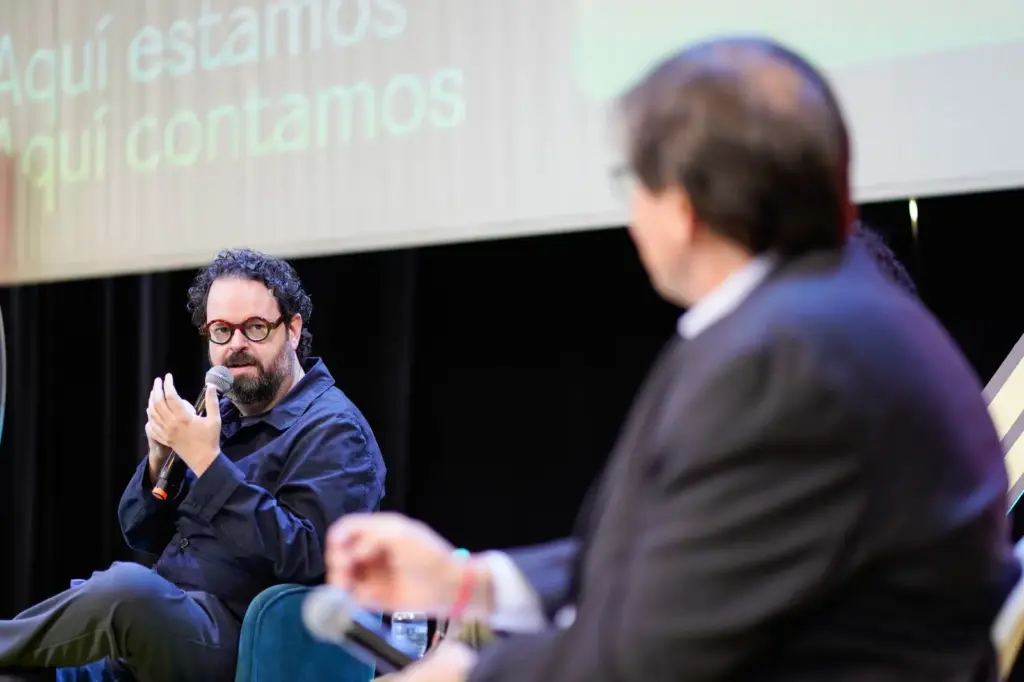
Luz Mely Reyes, a contributor to the newspaper and a member of the Gabo Foundation’s governing council, explained the importance of EL PAÍS in keeping journalism alive during the long democratic crisis in her country, Venezuela. “Finding journalists who knew Venezuela, who would seek us out to understand and not come to lecture, speaks to the type of medium EL PAÍS is,” she says about the toughest years of Chavismo.
For Nicaraguan Carlos Fernando Chamorro, exiled due to persecution by Daniel Ortega’s regime, a fundamental mark of the newspaper is “its permanence” in Latin America. Also a member of the Gabo Foundation’s council and a frequent contributor to EL PAÍS, he celebrates the existence not only of local editions and newsrooms, but also of a network of collaborators and correspondents throughout the region. “I always understood that EL PAÍS’s perspective, the European perspective, does not respond to a country’s foreign policy agenda, but rather tries to understand and report what is happening,” he says about the ups and downs that international attention often shows regarding what happens in a country like his own.
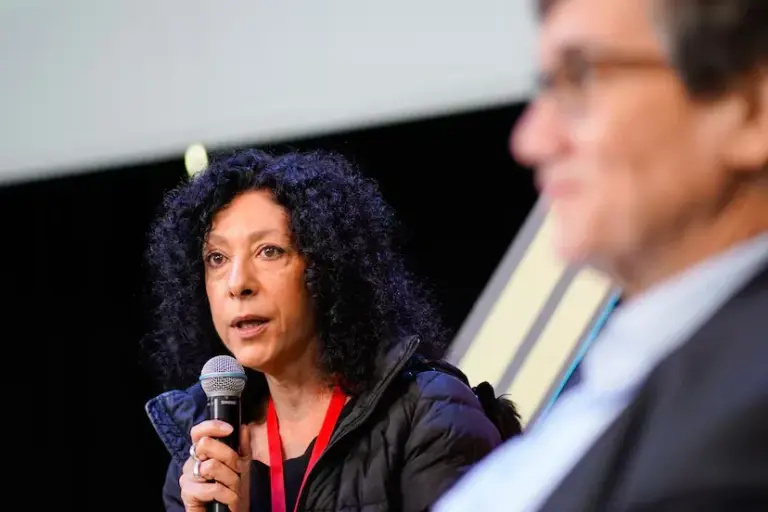
“EL PAÍS has been characterized by having great literary, journalistic, or Latin American thought personalities,” Abello recalled, introducing the fourth participant in the discussion, Argentine Leila Guerriero. A protagonist of the 50th-anniversary celebration Festival held in Madrid last May, she recounted how she became a columnist for the newspaper more than a decade ago, always seeking to narrate Latin America. “What has always interested me about EL PAÍS is that it has a figure that has disappeared from many media outlets: they have editors, not publishers. People who suggest ideas, read texts, discuss,” she points out.
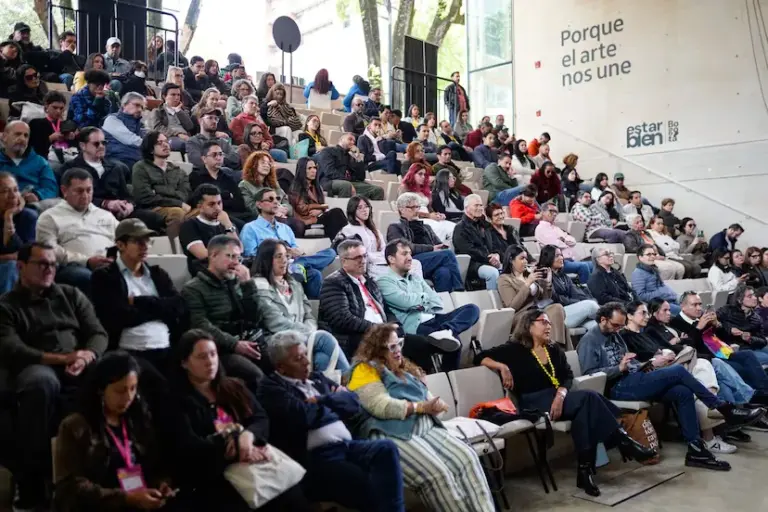
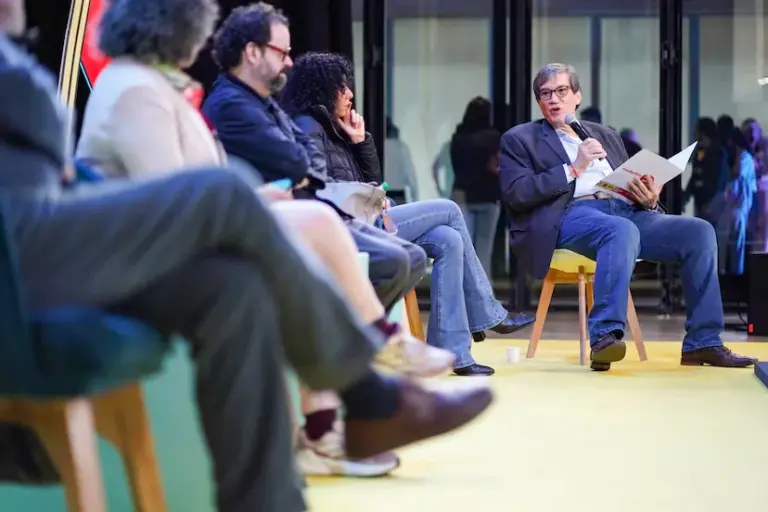
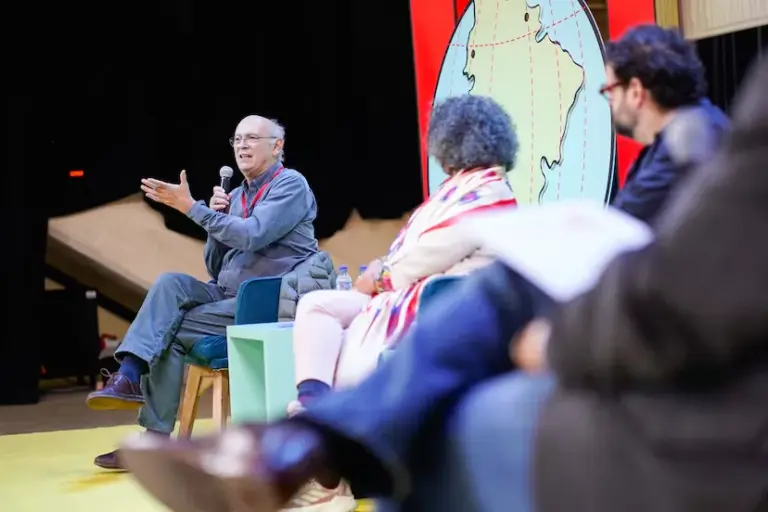
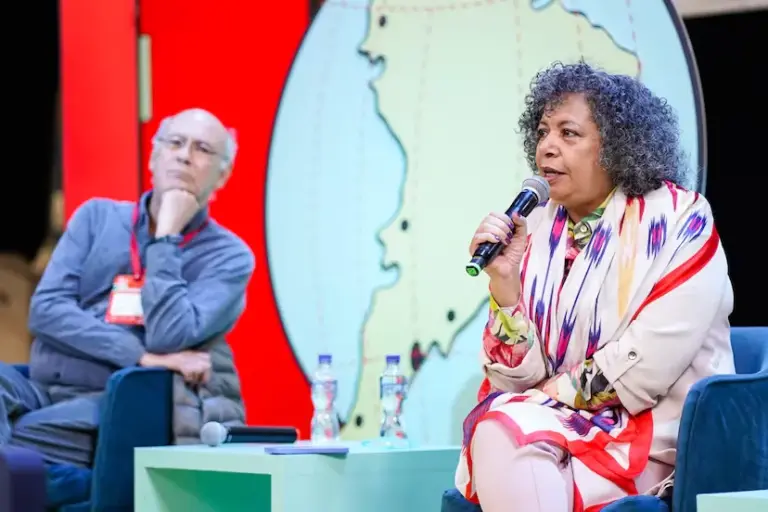
In addition to its commitment to major reports and prominent writers, its permanent presence in Latin America, and a solid newsroom unified around a defined vision and procedure, Lafuente noted that, over its half-century, the newspaper has undergone a remarkable evolution but maintains an openness to diverse voices in its identity. He explains that, while maintaining a permanent commitment to quality and excellence, it is not about extreme rigidity: “we are privileged, because of where we come from, the number of teachers we have had, and because behind us we have a very large company that, except for specific moments, has given us shelter.”
Read more The flames fuel unrest in El Encinar del Alberche: residents feel abandoned by their mayor