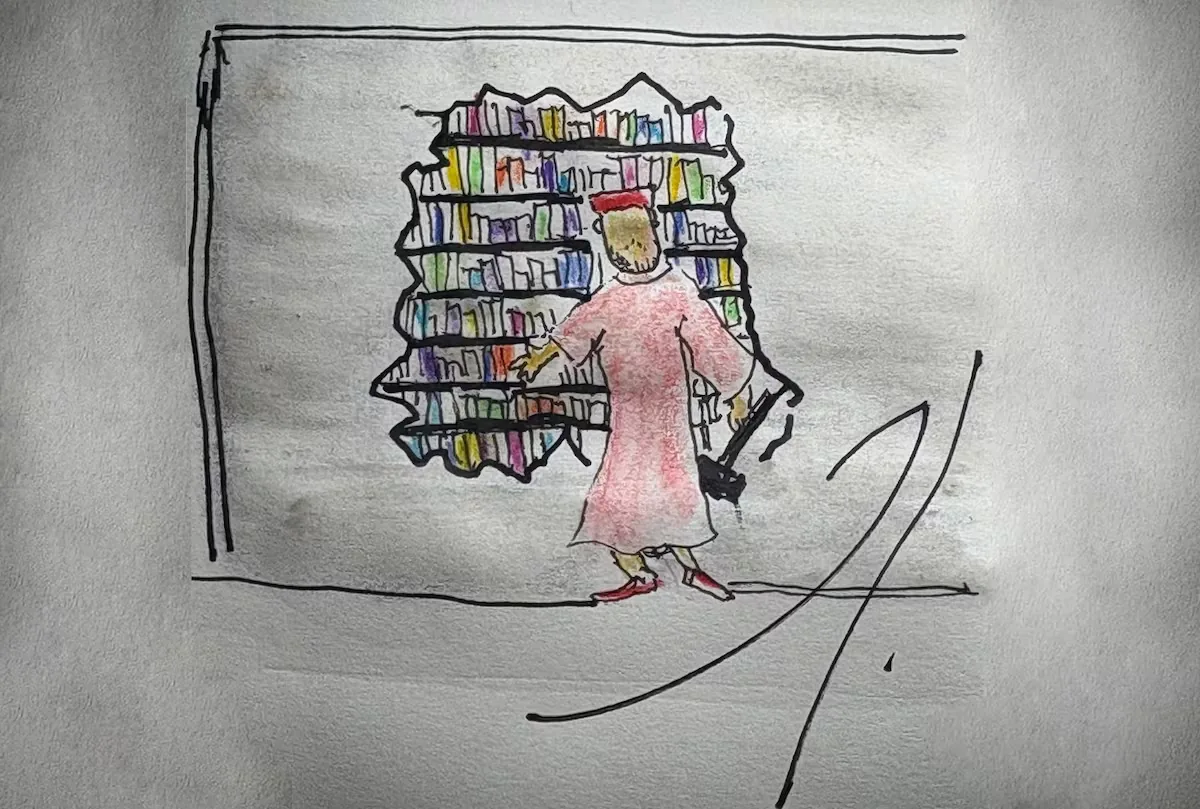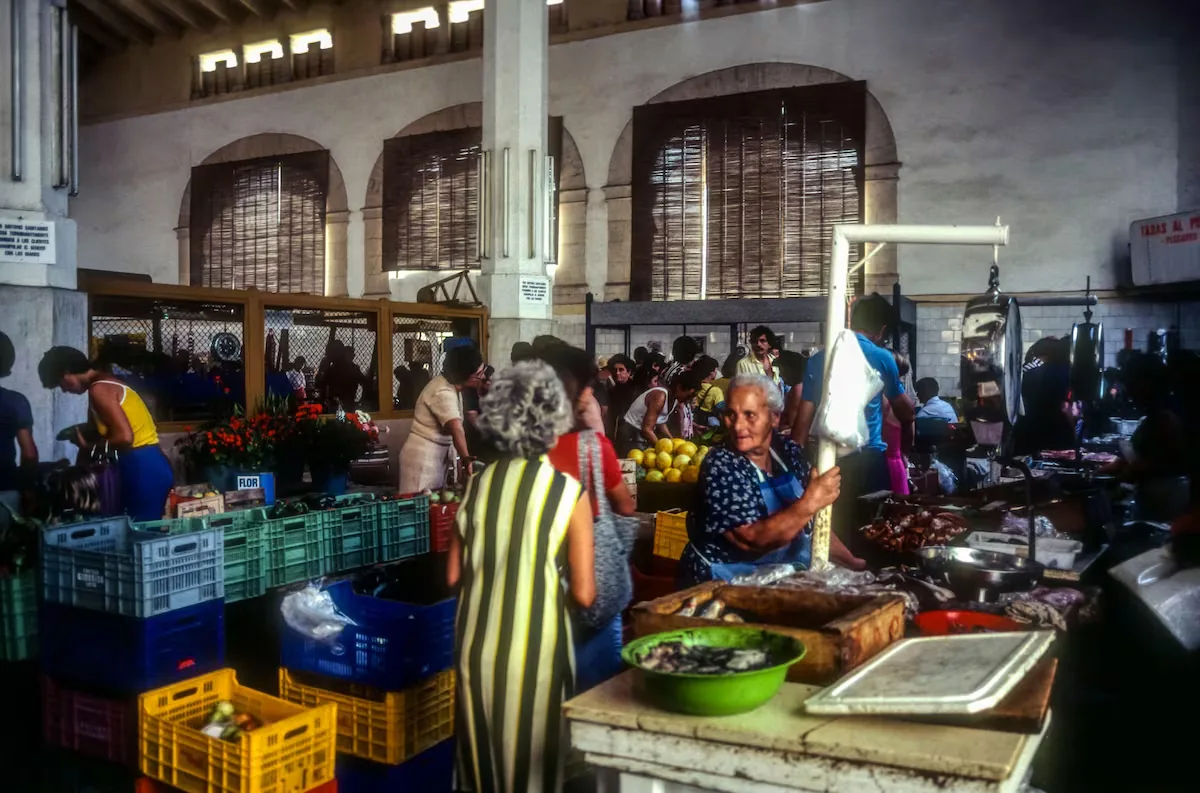
The Bildungsroman has a great tradition and a good number of memorable works. To these is now added the excellent Ficcions fugitives by Antoni Pizà (Felanitx, 1962). The Mallorcan writer and musicologist weaves, from eight pieces arranged chronologically, of which only a shortened version of the first was previously read in the magazine L’Avenç, a chronicle of his sentimental education, his professional evolution, and above all, his identity construction.
Read more Tommy Hilfiger claims his pioneering role in New York fashion
This last one intertwines humble origins, Catalan identity, and homosexuality through a progressive, unashamed, and coherent awakening. Mixing intuition and logic, Pizà claims the normality of difference against impoverishing homogenizers. Aware that identity is built both positively and negatively, he does not hesitate to denounce false cosmopolitans, linguistic imperialists, and repressive moralists. The very choice of Catalan as a language of expression, “far from being a natural, spontaneous, or organic phenomenon, has been part of my sentimental education and, above all, a form of resistance.”
Ficcions fugitives accompanies the boy raised in the rural part of the island in the sixties, up to his current consolidation as a university professor of Music History and director of the Foundation for Iberian Music in New York. In between, there is the passage through Ciutat, Barcelona, or Berlin. The change of geography also traces the professional readjustment and, above all, the incorporation of a rich and diverse gallery of characters, some anonymous, most known in their field. Pizà therefore starts from extraordinary material but of extreme delicacy, which demands good writing and even better intelligence. Fortunately, the Mallorcan gentleman — in the sense of a member of a referential cultural pantheon — excels amply in both traits.
Although music remains the basso continuo of all the stories and features brilliant phrases (“since its invention in the 18th century, solfège has done nothing but create problems”; or pianism as “a unique experience for being unmovable in a constantly changing world”), the intellectual generosity of the Felanitxer — already praised by the Manacorí Daniel Capó in a magnificent portrait — offers the reader unpublished cultural notes, loads of interpretative depth (“these tribal territories, whether one likes it or not, are now global territories, the condition of the present, of right now”) and stories hardly surpassable.
Among these, it is inevitable to highlight those dedicated to some of the singular characters from his native Felanitx: the family environment, the medieval scholar Ramon Rosselló, the painter Miquel Barceló, and especially the historian of the same name. This second Miquel Barceló was known by the nickname “des vidu Pereió” after having disguised his wife’s divorce as a false death. As Pizà reveals with exemplary mastery and rhythm, the macabre joke hid an intimate tragedy starring Shakespearean characters.
In the antecedents of Miquel Bauçà, the reissued Antoni Mus (Bubotes, Món de Llibres, 2025) or the same Barceló historian (El cercle de Felanitx, Anagrama, 2023), Felanitx adds a treasure in its conversion into a Mallorcan literary city (in competition with Manacor). However, it is above all Catalan culture that is enriched with a voice to be claimed and enjoyed inserted in today’s world, the one that goes unashamedly from New York to Cas Concos.
Read more Lady Gaga, mother of her first child
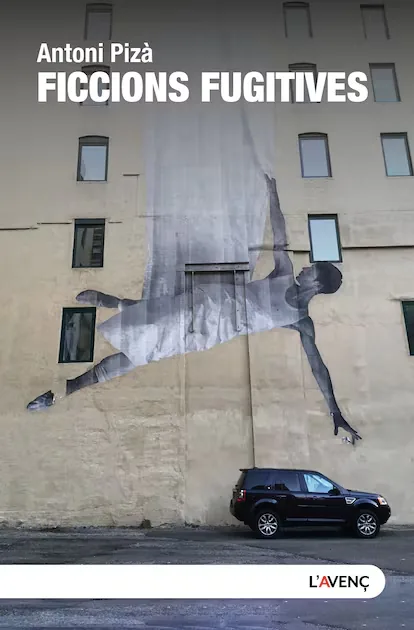
Ficcions fugitives
L’Avenç
224 pages. 20 euros