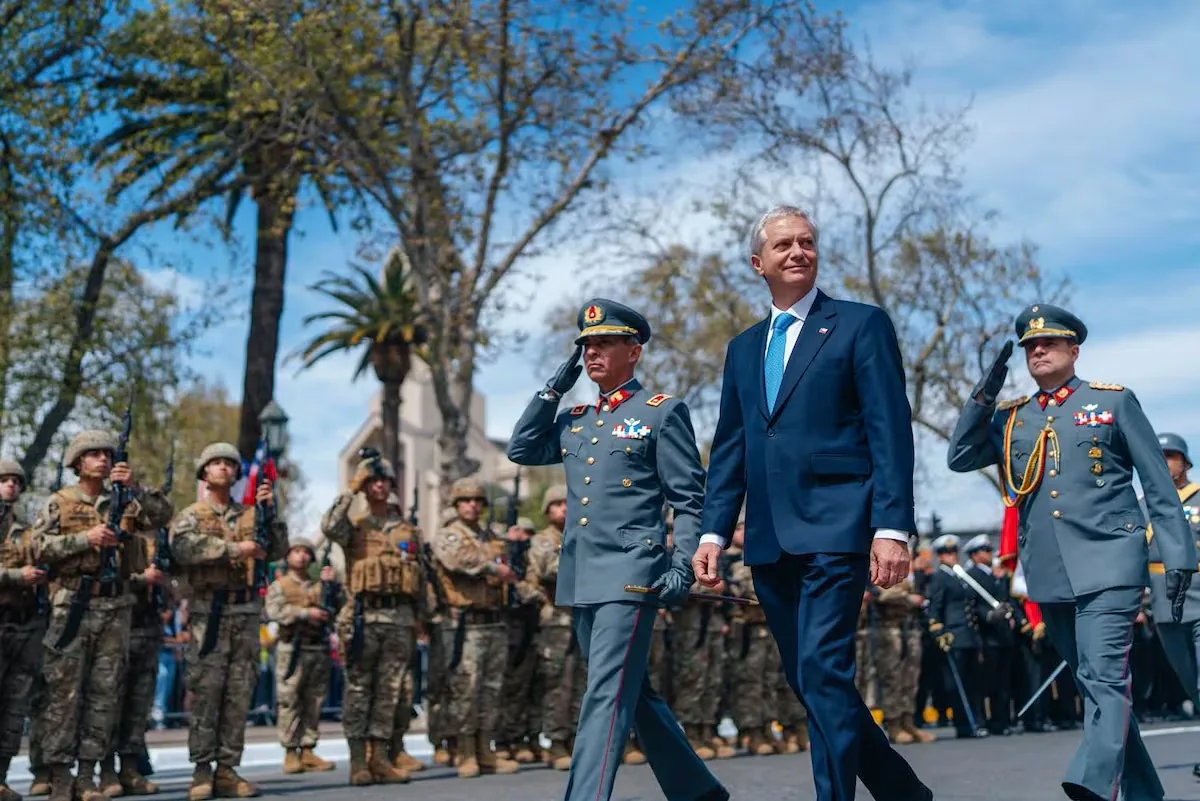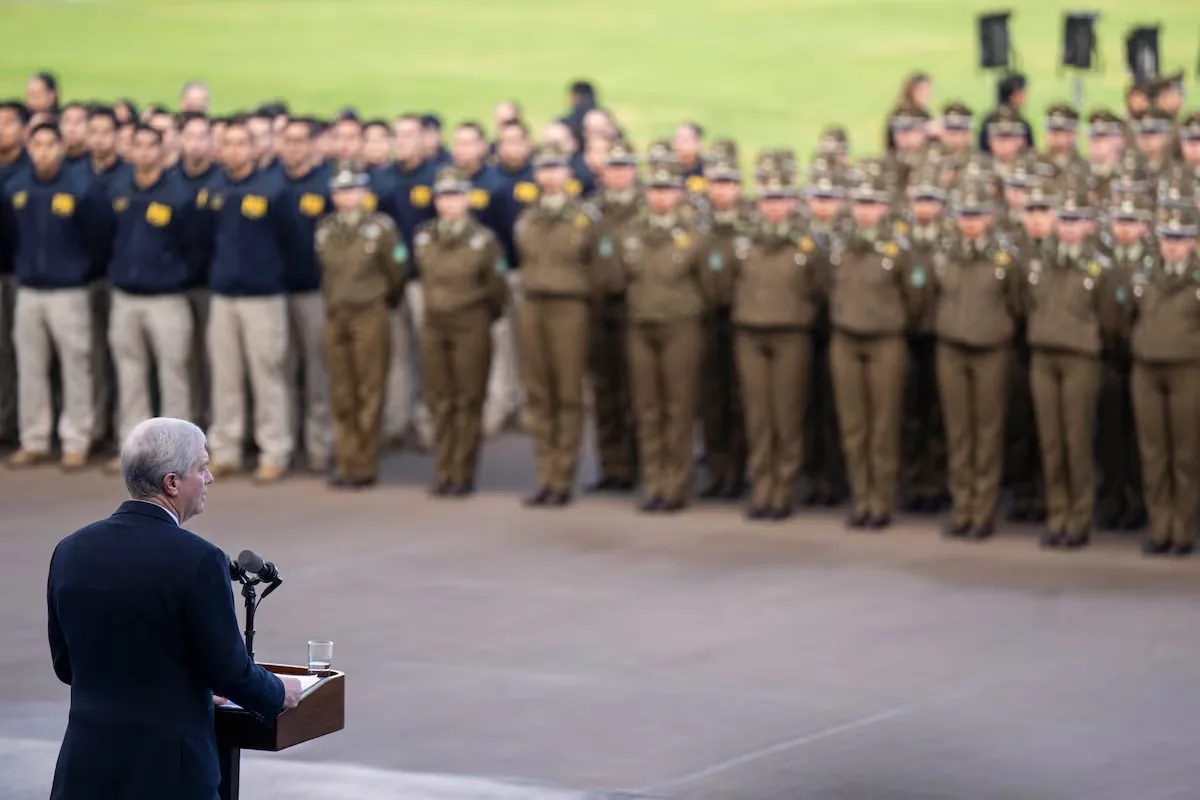
Some of the constitutional reforms that the Government of José Antonio Kast intends to promote within the framework of the Agenda against Organized Crime and Terrorism (ACOT) have opened a rift within the ruling party. Deputy Guillermo Ramírez, president of the UDI — one of the parties most loyal to the Executive in Congress — announced this Sunday that his caucus is not willing to support the project which, according to a leaked draft, proposes suspending social benefits funded with state resources for people convicted of drug trafficking, terrorism, or organized crime, both during the sentence and in the 15 years following it. “Under the current conditions, the UDI cannot support the constitutional security reforms because they damage institutionalism,” declared the party leader in an interview with La Tercera.
Read more Kate Douglass makes an incredible breakthrough in the 50m freestyle record
Kast signed the bill six days ago, which he named Constitutional Reform for Security, establishing, among other changes, differentiated penitentiary regimes for leaders of criminal or terrorist organizations. However, the Government has not officially presented the details of the initiative, although it is expected to make them public in the coming hours.
Concerns arose after a 15-page draft with ten changes to the Fundamental Charter was leaked. One of the most relevant modifications establishes that those responsible for crimes such as drug trafficking and terrorism will be disqualified from accessing any benefit funded with state resources “regarding the rights and guarantees established in numbers 9°, 10°, 16°, and 18° of article 19,” both during the sentence and in the 15 years following its completion. “If at the date of the respective sentence the aforementioned persons are receiving any of the indicated benefits, they will lose them by operation of law. Likewise, they will be disqualified for 15 years from accessing alternative measures to deprivation of liberty, parole, and any other penitentiary benefit,” the text states, later clarifying that “the disqualifications and restrictions established do not affect the rights in their essence nor impose conditions, taxes, or requirements that prevent their free exercise.”
The document also proposes expanding the mission of the Armed Forces to the protection of citizens in special situations qualified by law, granting them a constitutional basis to act in cases that currently require the declaration of states of exception. For now, the Executive has not denied the document, while right-wing legislators themselves debate the leaked aspects.
La Moneda has entered a phase in which it seeks to show quick results in security matters, the main concern of Chileans, and in a context where disapproval of Kast exceeds 55%, according to a Criteria survey released this Sunday. This same measurement points out that 54% of those surveyed consider that the right-wing Government’s security management has been worse than expected, compared to 19% who rate it better. Additionally, the opinion study reveals that 61% prefer the Executive to prioritize the approval of new laws and powers against crime, compared to 30% who opt to apply the already existing regulations. Expectations that Kast’s Administration will fulfill its security measures exceed 50% by a few points.
Security has been Kast’s main campaign promise, who pledged to install an emergency Government upon taking office on March 11. However, the right-wing Executive had some stumbles during its first months in this area, highlighted by the controversy involving then Security Minister Trinidad Steinert, a few days before her dismissal on May 19, for not presenting a formal security plan to Congress.
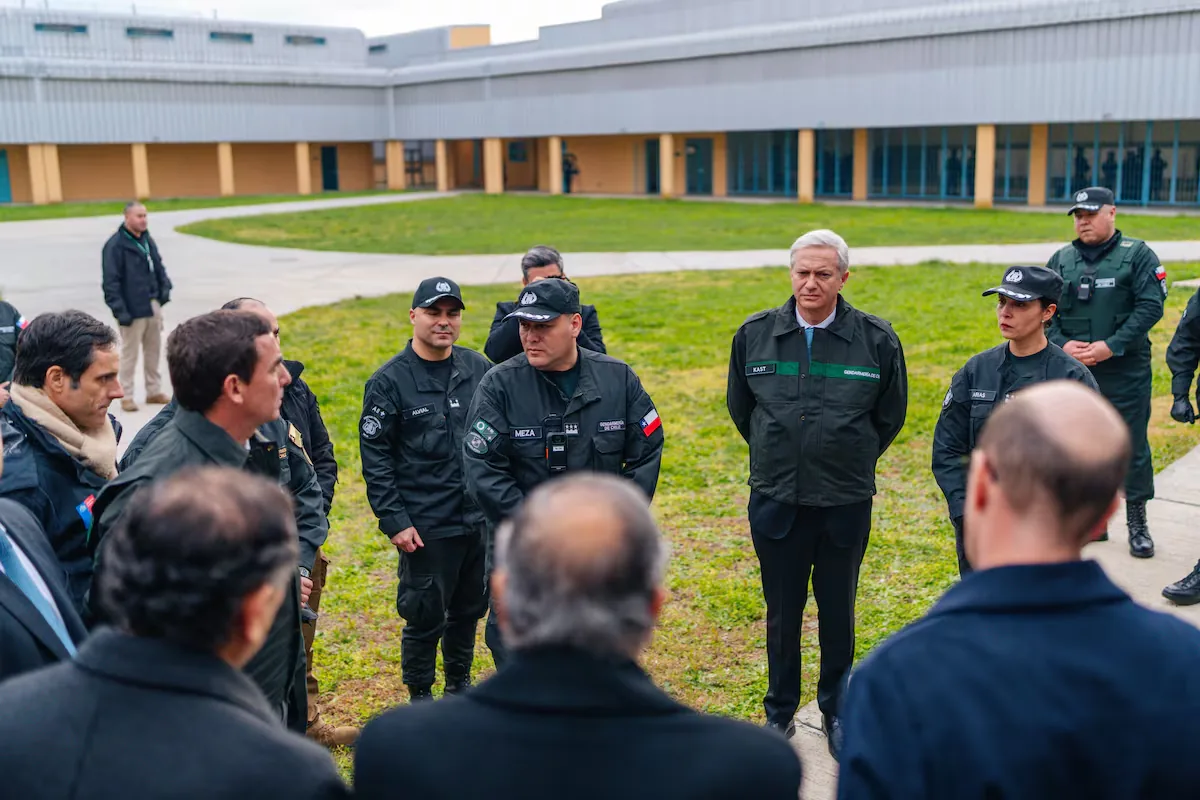
Today, the government strategy has relied on a succession of announcements, on repeating that “the hand has changed” in Chile, and on the public exposure of Kast and his ministers — such as Security Minister Martín Arrau — in police operations. On Thursday, the president wore a Gendarmerie jacket to tour La Laguna prison, near Talca, where hundreds of high-risk inmates were transferred in an operation named Cancerbero. The deployment was compared to Nayib Bukele’s style in El Salvador for showing, among other aspects, prisoners seated in rows with their hands forward.
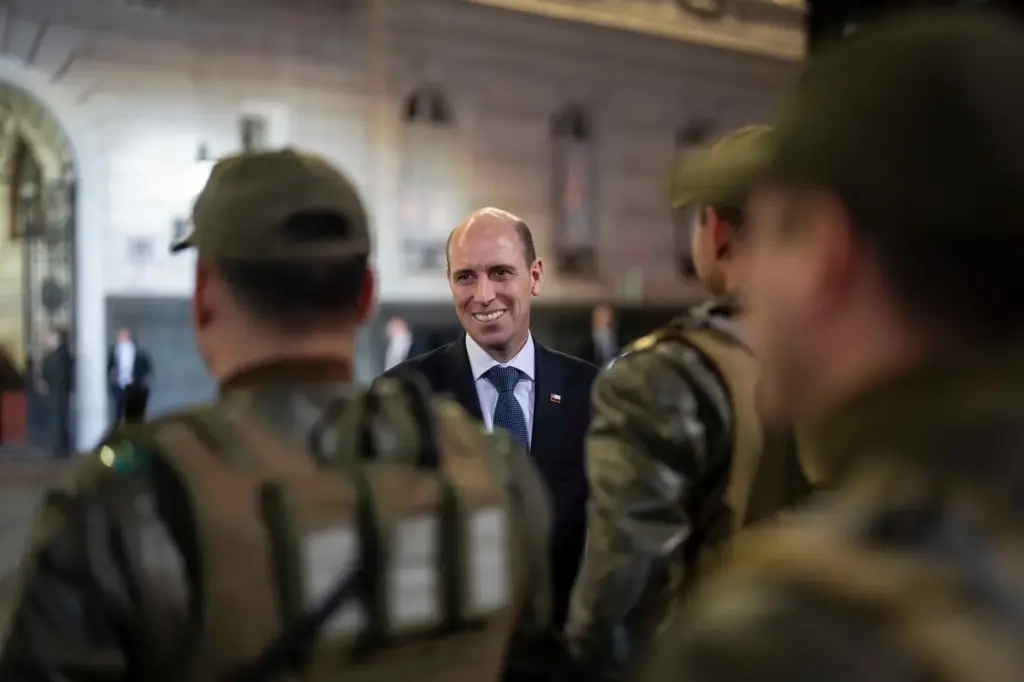
The staging of the procedure — which included the dissemination, through official channels, of videos set to songs by NSYNC and Metallica — was criticized by former left-wing authorities, such as former minister Carolina Tohá, who called it a “spectacle.”
Read more Three dead and new damage from flooding due to heavy rains in Venezuela
Kast’s security agenda was launched just after the Executive managed to pass its mega economic reform in Congress. It is also announced amid growing pessimism among Chileans, which the president attributes to “people’s hope falling because we started speaking the truth.”
On August 5, Kast presented his security agenda on national television: “Today we take an additional step to recover security in our country, which will mark a before and after, just as we promised in the campaign. We will pursue, capture, judge, and condemn all those who seek to destroy our society. We will be relentless. There will be no excuses or truces.”
Right-wing support
The UDI, from the traditional right, was key to approving the mega reform — the first political victory of Kast’s Government — as its five senators and 18 deputies, including Ramírez, supported the so-called Law for National Reconstruction and Economic and Social Development during its legislative process. Concerns were also raised by independent senator Matías Walker, who had voted in favor of one of the decisive articles of the mega reform, the fiscal compensation mechanism to municipalities after the exemption of contributions for seniors on their first homes. “Don’t count on my vote for this madness,” he wrote on X on Thursday, a message that was answered by Senator Arturo Squella, president of the Republicans, on the same social network: “Matías, the condescension with those who kidnapped, murdered, and mutilated simply bewilders. I understand that what motivates you is rehabilitating prisoners, but the focus for that is on minors, first-timers, or people convicted of minor crimes. Your concern for members of organized crime honestly confuses and scares a lot (…) being worried about the health control of these criminals speaks of a distortion that simply cannot be understood.”
In an interview with Diario Financiero, Squella said he had “collaborated quite a bit on the legislative and constitutional approach” and that the agenda will reflect what the public already knows about the Republicans. Regarding the votes needed for its approval, the senator said there will be parliamentarians inclined to maintain public security rules and others who are not.
Support is also not guaranteed in the far right in Congress. Former presidential candidate Johannes Kaiser, president of the Libertarian National Party (PNL), said his party does not have assured support for the procedures that Congress will have to review regarding the Executive’s ACOT. “If you want to go around reforming little things in the law, and want to send police to regain control with gunfire in the neighborhoods, you have to give them guarantees. What guarantees do you give when the issue of pardons is not resolved?” he said last Sunday.
Asked about this, Squella told DF that, “knowing very well the PNL parliamentarians and Johannes Kaiser,” he does not doubt they will feel “very reflected” with what will be proposed in the constitutional text and in the legal implementations to be discussed.
If these concerns about some aspects of the proposal persist, the Government could suffer a setback in Congress, where constitutional reforms require a quorum of four sevenths for approval.
Read more Barcelona ties Rodri until 2030