



Madrid is preparing for a weekend of perreo, prayers, and votes. The Colombian presidential elections, where 98,000 citizens can vote at the Casa de Campo pavilion until Sunday, the start of Bad Bunny’s concerts on Saturday, and a large evangelical event throughout the weekend will fill the city with flags, reggaeton, sermons, parties, and endless lines. From the Metropolitano to the voting tables, passing through churches, nightclubs, and restaurants with special activities, the capital will experience a two-day demonstration of strength from a community that exceeds one million inhabitants in the region.
Bad Bunny gathers 100,000 fans at the Metropolitano
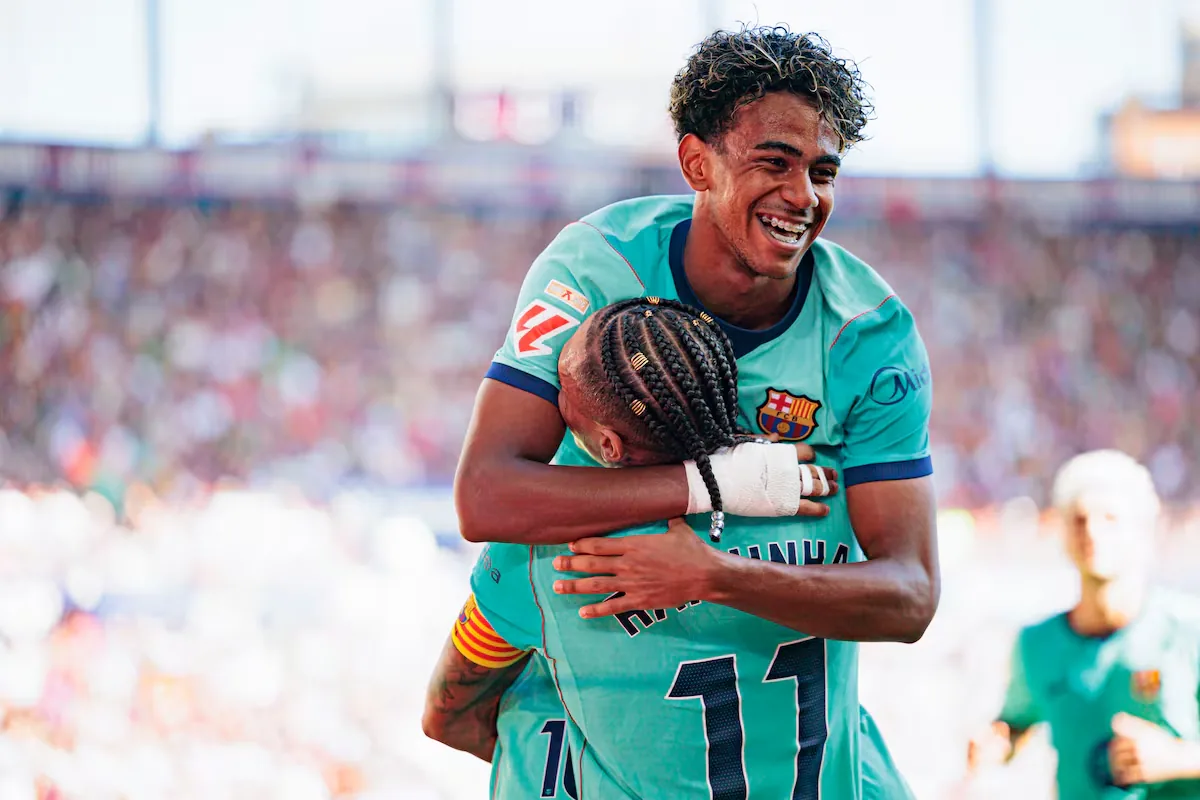
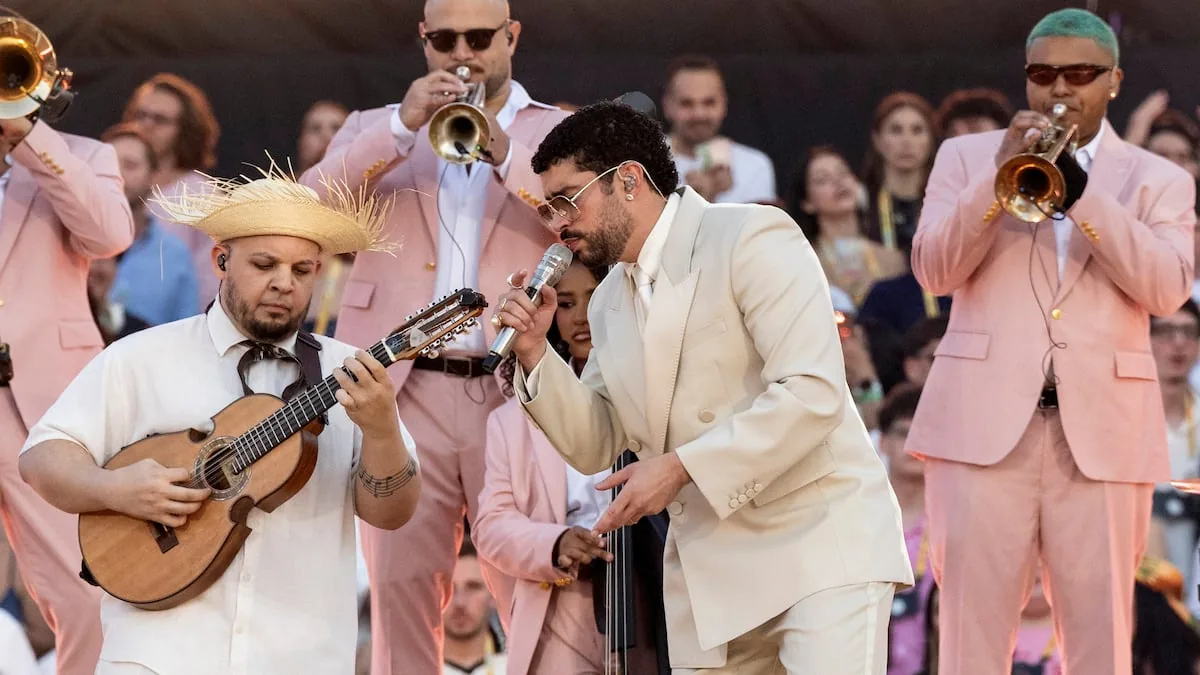
The wait for Madrilenians who bought tickets more than a year ago for Bad Bunny’s concerts finally ends. The ten dates of the Puerto Rican at the Riyadh Air Metropolitano between May 30 and June 15 will gather about 50,000 people each night for 10 days. His tour, Debí tirar más fotos, talks about a person who misses their home, like a migrant who, when listening to the rhythms of their land, feels a little closer to their country.
This weekend in Madrid, dozens of parties with Latin American music and rhythms have been organized to join the celebration. One of the most striking proposals is Rita’s Mirador, a new leisure space at the Metropolitano, with a pre-party for the concerts. In the center, the Fitz nightclub hosts the official after party every night.
La Gran Cucaracha organizes an event every afternoon at Florida Park, full of djs and salsa groups. At Sala Sol, there will be the party “Cuando perreabas.” At Shoko, the Casa de Puerto Rico, in tribute to the singer. At the Uñas Chung Lee nightclub, there will be a Bad Bunny-themed party, as well as at Sala 365, which is decorated with the identity of the Caribbean country.
The hospitality sector of San Blas-Canillejas is also preparing for the wave of fans of the Bad Bunny. Mari Sánchez is the owner of the bar El Córner, opposite the stadium park. She has the plan ready to serve attendees who want to toast and snack before and after the concert. “I have ordered double of everything. I will also open later to leave later,” she anticipates. At the previous event, with the group El último de la fila, she used seven barrels of beer. For Bad Bunny’s first night, she has already stocked up with 15. Sánchez has owned the bar for three years but has worked there for six, shortly before the stadium opened. During that time, she has witnessed how Atlético matches and concerts have boosted local commerce.
Hospitality workers celebrate that events bring them good profits but admit that some neighbors complain. A spokesperson for the platform of those affected by the Metropolitano sums it up: “Brutal chaos, no parking, traffic saturation, dirt, and terrace invasion.” Like the neighbors of the Bernabéu, they denounce an environmental impact due to concert noise and the violation of neighbors’ right to rest.
These will not be normal parties. The occasion calls for a special outfit, and this context has opened doors to entrepreneurship. Juan Gómez is a Colombian fashion designer who, together with his friend Manuela Carrillo, has brought The Groupies Club to Spain. The brand, which was born in 2024 in Bogotá with Karol G’s concert, debuts in Madrid with Bad Bunny’s tour. Gómez explains that with his brand he seeks that “each garment is a commemorative piece that remains in the memory of the wearer.” The young designer says a concert lasts a few hours, but the memories, photos, and emotions last forever: “If those memories are accompanied by the perfect outfit, the experience becomes more unforgettable.”
98,000 Colombians vote in Madrid
Throughout the week, Colombians abroad have exercised their right to vote. Between Monday and Friday, they did so at the Casa de Cantabria in Madrid. Over the weekend, they will do so at the Casa de Campo.
The voting station is a small door to transport oneself to Colombia. “Bring your pan de bono and your buñuelo,” shouts a man who wears the flag as a cape and a sombrero vueltiao. “I am Supercolombia,” he jokes with those who approach to shop after voting. “How nice it is to meet people from your own,” comments another Colombian.
Read more The Madrid Book Fair faces a challenging edition with concern due to the Pope’s visit
Sebastián Montoya and Santiago Jaramillo, two students in their twenties studying a master’s in Madrid, take a photo of their voting certificates. They agree on the priority for the country that saw them born: security. Also Ruth Becerra, 56 years old, who arrived in Madrid six years ago from Bucaramanga. She has voted hoping that whoever assumes the presidency will provide employment and training opportunities for the youngest.
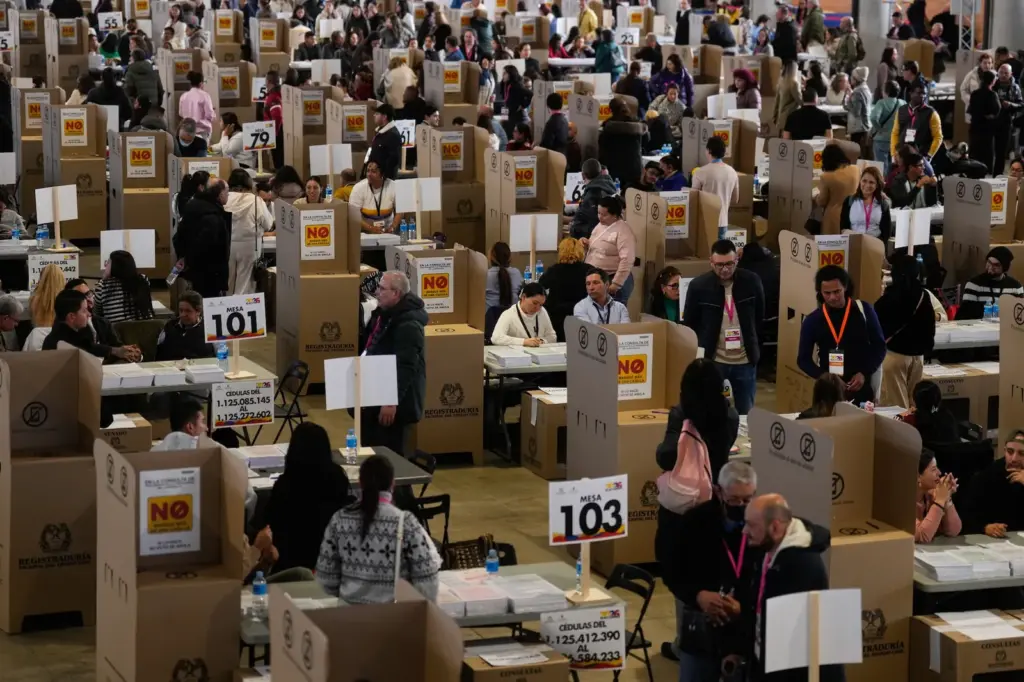
The Colombian Registry has enabled 262,108 people to vote in Spain. For this, the consulates have arranged 390 tables throughout the country. The Madrid Consulate station has 98,124 citizens enabled to vote, according to the Colombian Embassy.
The presidential campaign in Colombia has also been fought in Madrid. Supporters of Abelardo de la Espriella, a far-right candidate, have deployed billboards in several metro stations. At one of them, in Pueblo Nuevo, it reads: “Colombian. Vote from May 25 to 31!” On TikTok, they have also spread videos of caravans and flyer campaigns in which dozens of volunteers, wearing yellow shirts, megaphones, and banners, ask for the vote “for the homeland.”
Meanwhile, Iván Cepeda’s campaign, the left-wing candidate, has been mainly in the southern neighborhoods. His posters, less ostentatious than those of the far-right candidate, are on posts and walls alongside neighborhood announcements and graffiti, with the slogan “We are the power of truth.” On Saturday, May 23, the Historic Pact organized a caravan from Aluche, passing through Oporto, to reach Usera.
A festival with more than 30,000 evangelicals at Vistalegre
Religious battles are no longer fought only in temples; they also circulate by bus. For days, the advertising for the “Festival of Hope,” led by American preacher Franklin Graham, has been seen in Madrid as a prelude to a massive event to be held this Saturday and Sunday at the Palacio Vistalegre.
Kenny Clewett, co-director of a global migration initiative and former evangelical pastor, maintains that this deployment responds to a well-oiled international machine: a model that combines the event’s free admission with an intense recruitment campaign supported by congregations, which are encouraged to bring new attendees and financially sustain the structure. In Spain, he adds, this strategy is articulated through Decisión and has the support of the Federation of Evangelical Religious Entities of Spain (Federe), which, in his view, shows the federation’s direct involvement in a large global initiative with a strong ideological charge.
The scene summarizes a growing phenomenon that is now beginning to become visible on a large scale: the rise of evangelism in Madrid. Spain already has about 1.5 million evangelicals, and its growth has been steady over recent decades. “Many migrants arrive alone, without family networks, without contacts, and with precarious jobs. The church gives them immediate belonging,” he explains. However, he warns of the risks: “There are congregations where power is very concentrated and where vulnerable people end up depending emotionally and financially on the religious leader.”
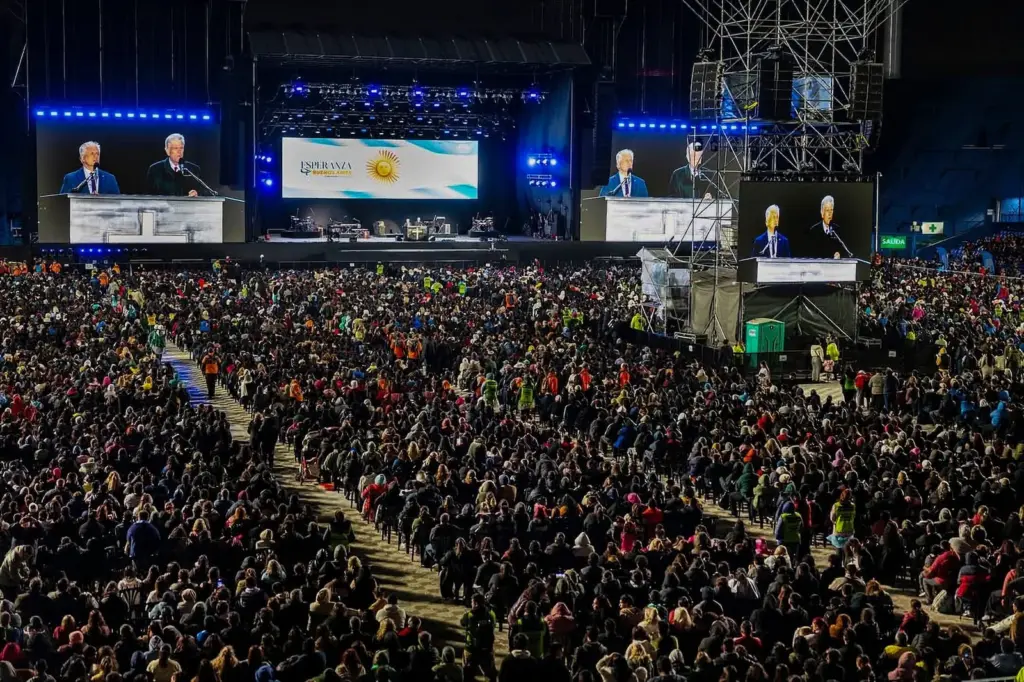
In response to this critical view, Pedro Tarquis, spokesperson for the Spanish Evangelical Alliance, defends the meaning of the meeting and frames the festival within the joint work of the Billy Graham Foundation and numerous churches for more than a year and a half. “It is an event held in different countries that combines music, testimonies, and preaching by Franklin Graham. It brings together evangelicals of very diverse profiles, representative of the whole country, although mostly adhering to a conservative theology.”
Read more La Oreja de Van Gogh in Madrid: the triumph of Amaia Montero’s fragility