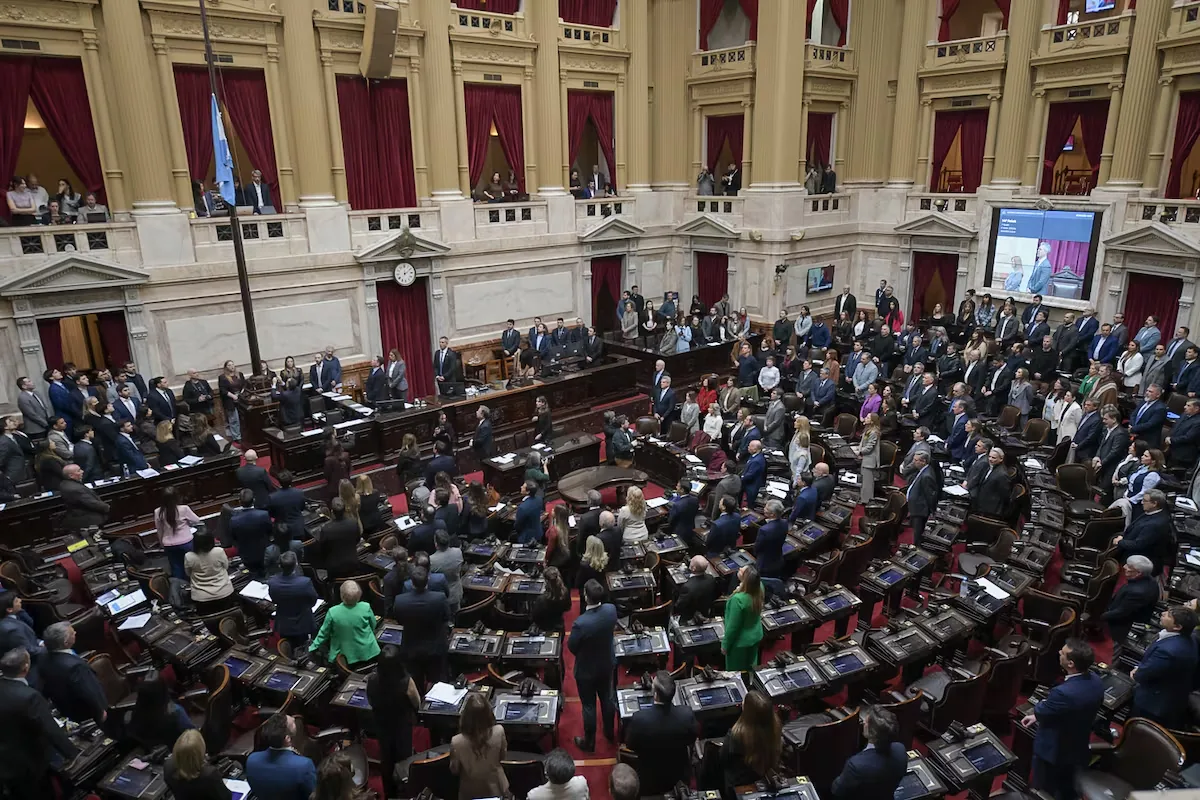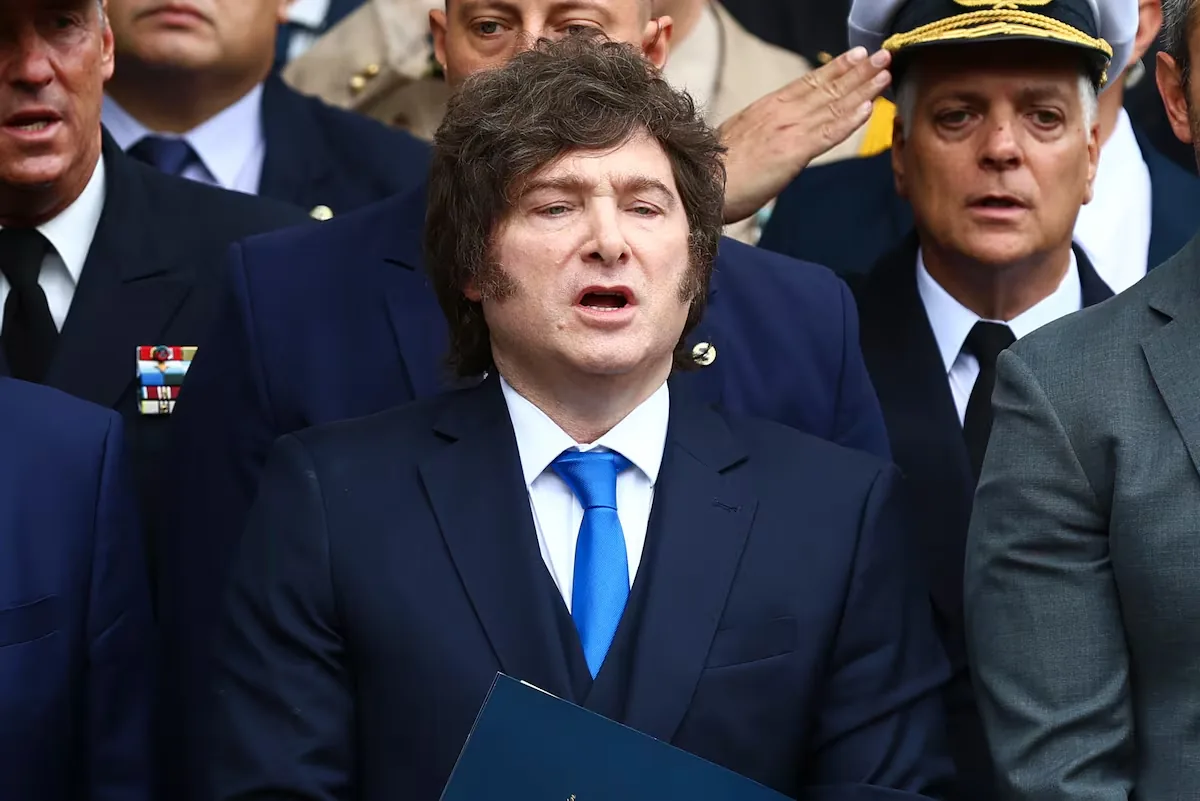
Javier Milei’s Government had to dismantle the Private Property Inviolability Bill to achieve its approval in the Senate. By 37 votes in favor and 33 against, the Upper House gave preliminary approval in the early hours of this Friday to the regulation without two of its key chapters. On the eve of the legislative session, it removed the chapter that eliminated any restriction on the sale of land to foreign companies and individuals; in the final stretch of the debate, seeing it lacked votes, it also withdrew the one that prevented the change of land use of grasslands, wetlands, planted forests, and agricultural lands after a fire.
Read more It looks like a normal lounger, but its zero gravity design completely changes the way you rest
The strong popular rejection of the foreign ownership of land and changing the Fire Management Law after years of devastating fires in Patagonia led many senators to announce they would vote against both chapters. The Government resisted any modification for three months but ended up capitulating, urged by the need for a legislative victory, even if it was pyrrhic. The project now goes to Congress for final approval.
Injured and detained
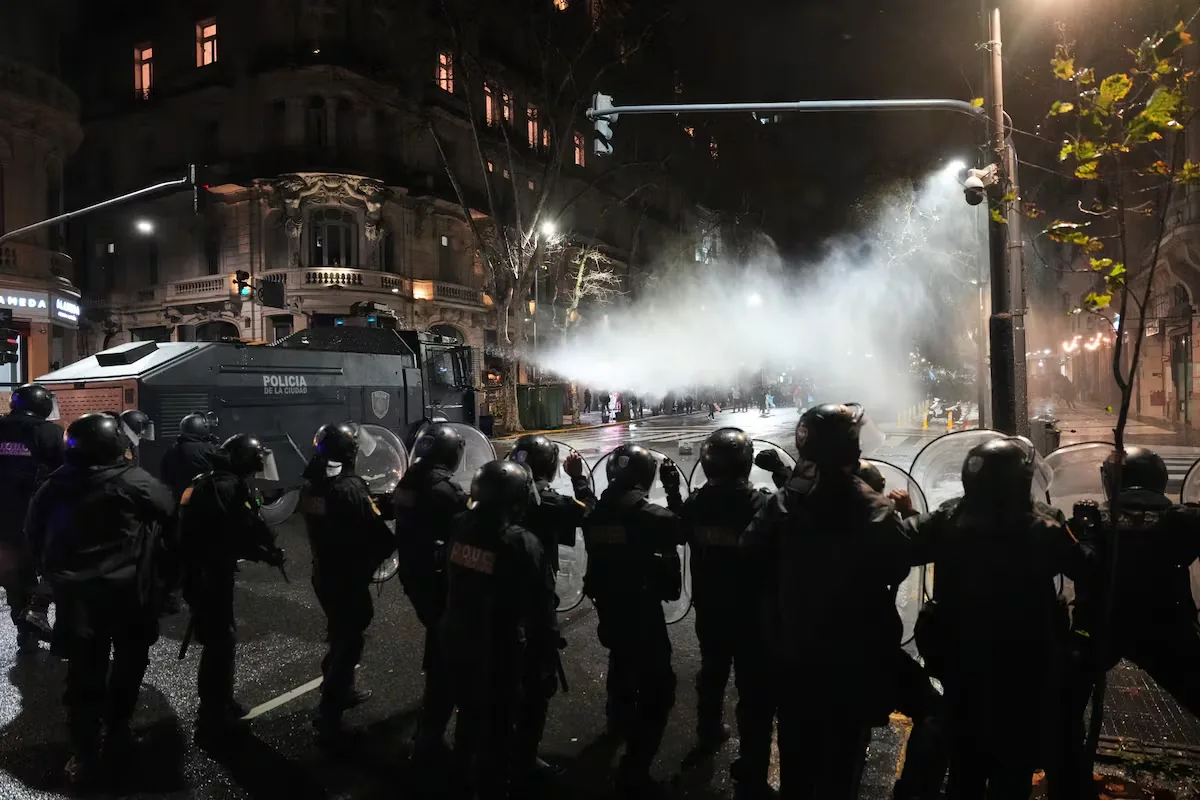
Neither the announced decision to remove the foreign ownership chapter nor the rain nor the low temperatures prevented a crowd from taking to the streets to express their opposition to the law under the cry “the homeland is not for sale.” In Buenos Aires, in the mid-afternoon, when those leaving work approached the plaza in front of Congress to join the demonstration, they were surprised by tear gas carried by the wind from the heart of the protest. There were thousands of people in the plaza when the police began to repress and caused a stampede in all directions.
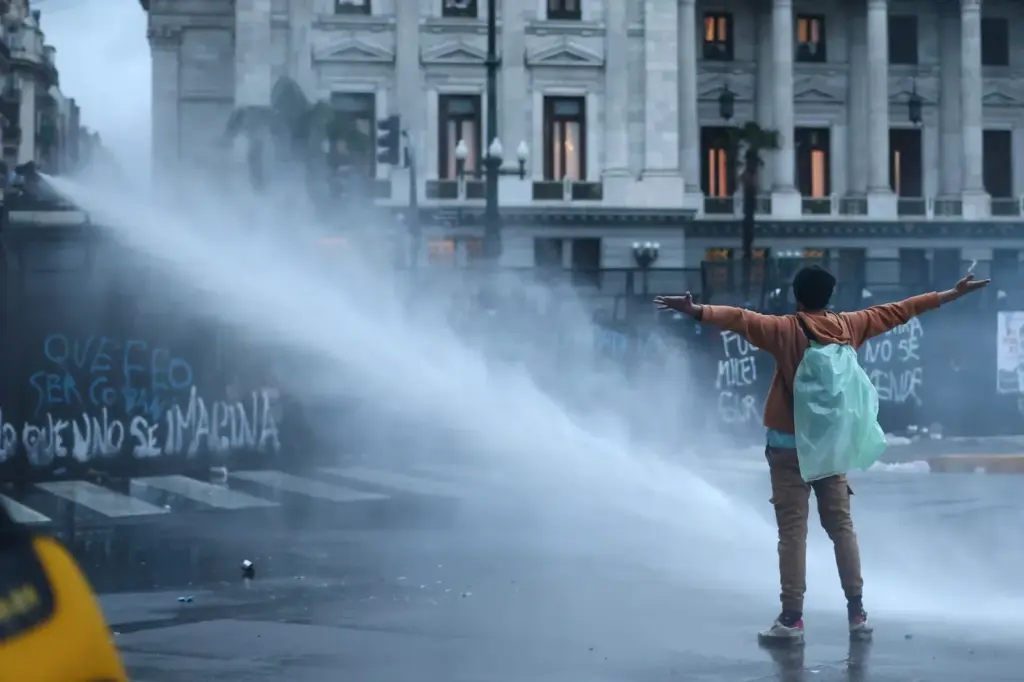
The riot police launched water jets, tear gas, and rubber bullets to prevent a small group from knocking down the containment fences in front of Congress and to stop the throwing of stones and other objects.
Many protesters retreated to nearby streets and tried to return, which increased tension and turned the city center into the scene of chases and clashes that lasted for more than three hours. According to official sources, there are ten detainees and at least five injured people, including a photographer with a skull trauma and a gendarme hospitalized due to a stone hit.
Postponed debate
Milei and his Cabinet have made it clear that they do not give up on modifying the land law, in force since 2011, but postpone the debate awaiting more favorable political winds. The Government is convinced that the possibility of selling the country’s rural lands to the highest bidder will favor foreign investment, as Argentine Foreign Minister Pablo Quirno responded on Wednesday night during a television interview on channel A24:
Read more Junts criticizes the poor record of the PSC Government: “Illa has sunk Catalonia”
— If a foreigner comes to buy an entire town or an entire province, could they do it?
— Yes. That will bring benefits to Argentina.
Quirno’s response resembles the arguments with which the Government presented the initiative in May. The Minister of Deregulation and State Transformation, Federico Sturzenegger, pointed out that, by repealing the Land Law, Argentina could obtain investments close to 15 billion dollars. “In its current state, it is a law that prohibits direct foreign investment in land, agriculture, ports, and the forestry industry,” he said before agricultural producers. Today, about 13 million hectares of Argentina — 5% of the total area — are in foreign hands, although their distribution is heterogeneous and the highest concentration is recorded in border areas and with strategic resources, where in some departments it exceeds the 15% authorized by law.
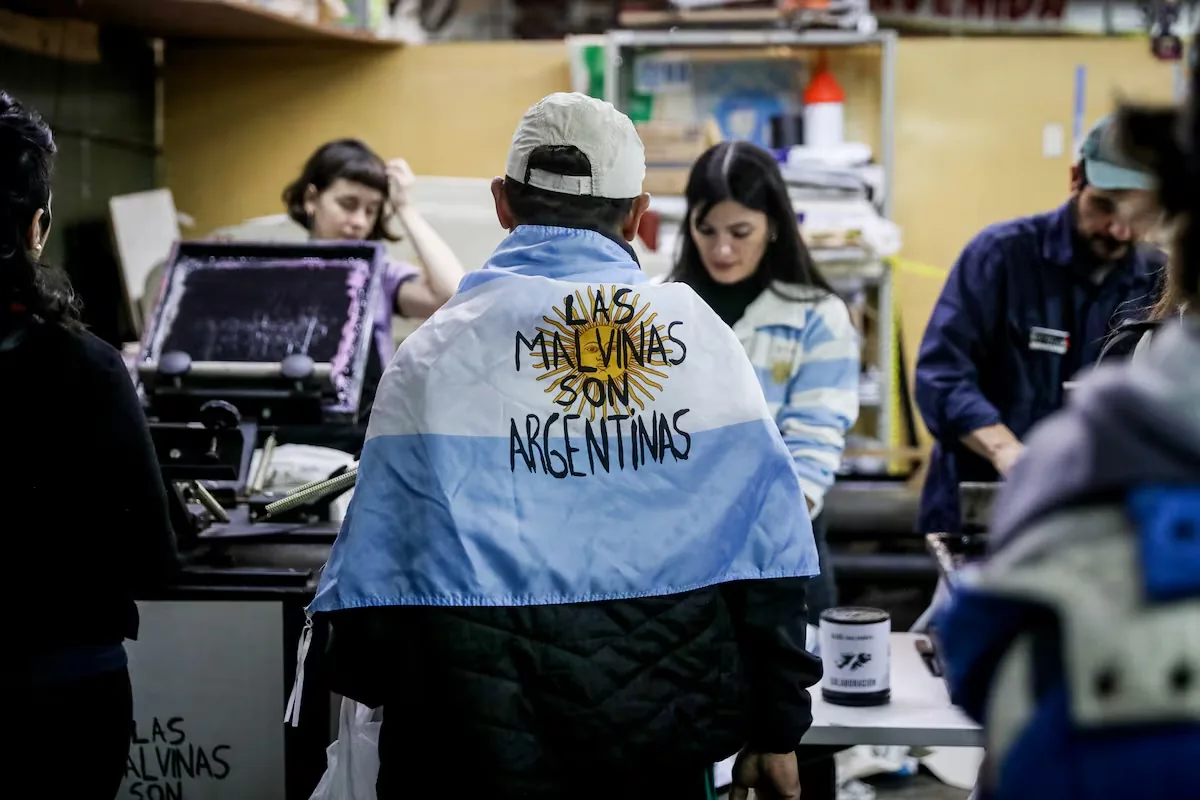
Despite the Government’s attempts, social rejection of foreign ownership of land has been in crescendo in the last three months. According to a survey by the consulting firm Zuban Córdoba and Associates, almost eight out of ten Argentines are in favor of putting limits on land sales. Popular figures such as footballer Lisandro Martínez and singers Lali Espósito, Emilia Mernes, and Tini Stoessel have shown themselves opposed to the chapter that was finally withdrawn. During the last two concerts of the Spanish singer Rosalía in Buenos Aires, on Tuesday and Thursday, the audience sang “the homeland is not for sale” in the middle of the show.
Opponents of the initiative denounced from the first moment that it was a new “omnibus law” that tried to push forward very different issues and pressured to stop it entirely. During the legislative debate, Peronist Senator Mariano Recalde considered that the restrictions the project places on expropriations are, in fact, “a shield for the sale of land and privatizations.” Other legislators also warned of the danger of accelerating evictions at a time when family arrears are at historic highs.
Read more TVE stirs up its correspondents: Lara Siscar to Rome, Begoña Alegría to Lisbon and more