




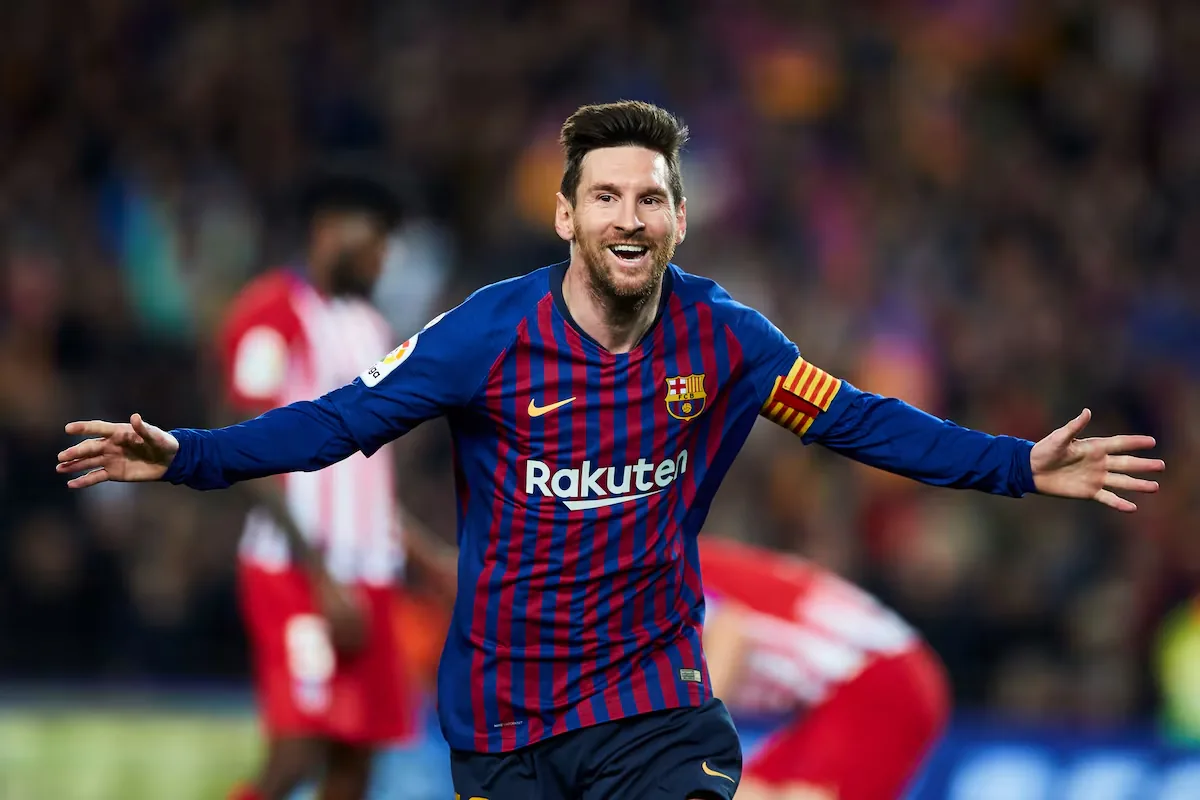
At 38 years old, Leo Messi reminds us daily with his goals at Inter Miami and with the call-ups to the Albiceleste that he is still active, very capable of overcoming the injuries typical of age and his competitive demands, since he joined FC Barcelona in 2000. It is important not to forget his dimension as a universal player, possibly the best in history, and one must always keep in mind his football generosity in times of great haste and easy consumerism, also to find idols who can occupy the throne or elevate youngsters like Lamine Yamal.
Speed forces us to pay attention to the figure of the number 10 when recognizing his career, talent, behavior, and solidarity with an award of the category of the Princess of Asturias Award for Sports. Although it would not be surprising if he did not take the award into account, mainly because it is a trophy that is not contested — it is granted — the Argentine forward will feel especially fortunate, happy to evoke his time in the Spanish competition and at Barça. It is not that he is mute, but he finds it hard to speak and even open his mouth, more prone to laugh or cry, comfortable with his body expressiveness, seen as cold until he won the Cup with Argentina.
Messi’s grace is in his head and left foot, although he also knows how to score goals with his head and even with the badge, as he demonstrated when, to find some flaw, they looked for some ticklishness he said he did not have in an interview with EL PAÍS. Messi plays as only Messi knows how to play, as if he had a single move that will repeat for eternity, and, if comparisons are allowed, he plays faster and better than the most distinguished of players and, moreover, without breaking a sweat, just like when he was that invisible child whose grandmother asked to let him play for a little while on the side of the field in his cradle in Rosario.
Messi has earned the respect of fans for his love of the ball and esteem for the game and its natural rules, those that require not being rude or provocative, always aware that an opponent is not an enemy, but a rival to be beaten through virtuosity and, if anything, with the cunning typical of an excellent dribbler, faithful to the number 10 shirt. He never tolerated losing and, however, when he was defeated he did not publicly look for someone to blame nor resort to populist gestures towards the stands, nor did he point to the bench or the box, perhaps because he never wanted to be a leader nor have Maradona’s class consciousness.
Read more The exhibition ‘Moments’, which celebrates the 50 years of EL PAÍS, begins its tour through Spain
A unique virtuoso on the field, he has tried to be an ordinary citizen, attached to family, supportive of humanitarian causes especially associated with children and far from power, as if he did not know what to do without the ball, all the more reason to wonder why he keeps playing when he is about to turn 39. His work ethic allows him to stand out in every matchday and not only on special days, equally reliable and decisive in a friendly as in a World Cup final. It is not strange that he has no more awards left to win and that he only receives those they kindly grant him, as has happened with the Princess of Asturias Award for Sports.
There is no better way to thank Messi for his commitment to staying active than with an award that transcends sport and, of course, football: exemplary Messi.