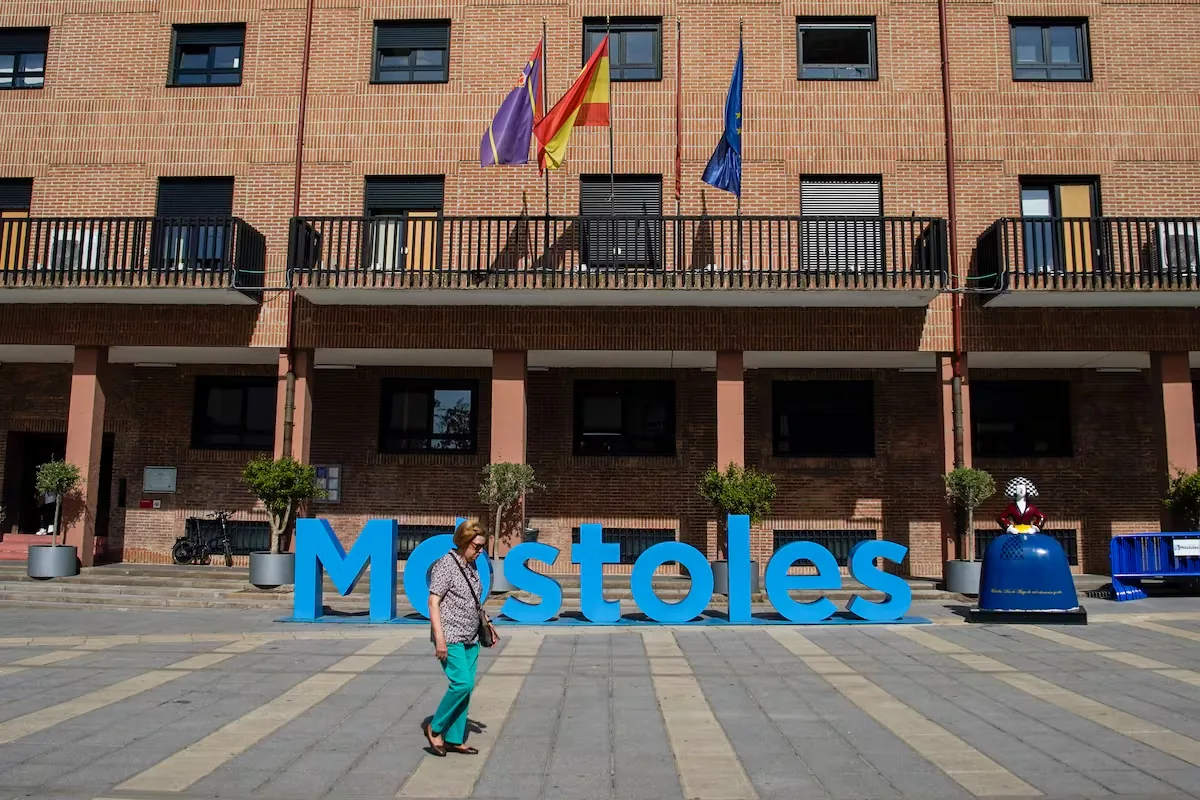
The public company Móstoles Desarrollo has backtracked on the catering contract that included everything from sushi prepared live by a sushiman to Iberian acorn-fed ham with a carver, as well as premium menus and cheese, Iberian, and sweets stations. The municipal company will withdraw the tender, whose maximum value amounted to 880,000 euros over four years, and assures that it will prepare a new procedure that more accurately reflects its actual expenditure on this type of service, around 20,000 euros annually. The correction comes just eight days after the company published the tender documents on its contracting platform.
Read more United States gives an ultimatum to any country «crazy enough» to continue negotiating with Iran
The tender set a maximum of 800 euros, excluding VAT, for the first piece of ham at each event. It had to weigh about eight kilos, be acorn-fed, have at least 50% Iberian breed, and carry a red seal. The service included a specialized carver throughout the event. The sushi could reach 17 euros per diner and had to be prepared in situ, with at least four varieties and three different types. The specifications even regulated the staging, with the possibility of incorporating lighting, flowers, signage, and, for the sushi, Japanese-inspired decoration.
Móstoles Desarrollo insists that the withdrawal does not imply that it has decided to reduce an expenditure it had planned to make. “This decision does not mean a reduction in the planned expenditure, because there was never a forecast to spend 200,000 euros annually on catering,” the company states in the statement released this Monday. The 880,000 euros only constituted the maximum amount available during the four years of the agreement: “Móstoles Desarrollo only pays for the services it actually requests and receives.” The company now estimates its actual consumption over recent years at an average of about 20,000 euros annually.
However, the company admits that the initial design may better fit that consumption. “The municipal company considers, however, that it can configure the procedure so that there is a more direct correspondence between its contractual size and the real consumption experience,” the document published on the company’s website states. Hence the decision to withdraw the current file and propose another, whose new maximum amount has not yet been specified.
The CEO of Móstoles Desarrollo and third deputy mayor of the city, Ángeles García, has taken responsibility for the decision. “As the person responsible for Móstoles Desarrollo, I assume responsibility for this procedure. We will reformulate the framework agreement to adjust it to the real expenditure of recent years,” she affirms.
Ángeles García, on the catering framework agreement:
“As the person responsible for Móstoles Desarrollo, I assume responsibility for this procedure. We will reformulate the framework agreement to adjust it to the real expenditure of recent years” pic.twitter.com/FCznnX0INs— MÓSTOLES DESARROLLO (@mostdesarrollo) August 24, 2026
The contract now to be withdrawn distributed the 880,000 euros among four lots: a maximum of 176,000 euros for breakfasts and brunch over four years; 352,000 for appetizers and cocktails; 220,000 for lunches and dinners; and 132,000 for gastronomic stations. The company initially justified the agreement by the “high number of promotional, training, and institutional activities and events” it organizes for citizens, companies, and social agents.
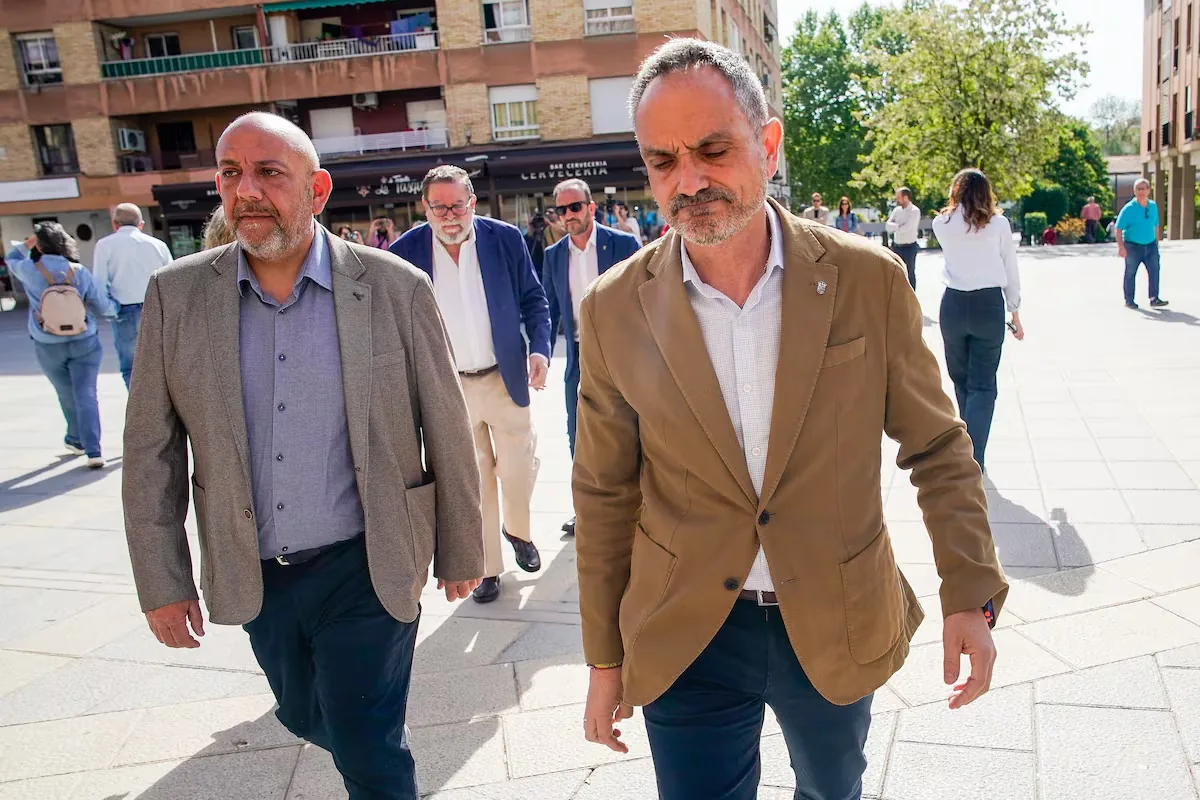
The withdrawal has been received by the PSOE of Móstoles as confirmation of their criticisms. “We caught them,” says Alejandro Martín, secretary general of the Móstoles socialists. Martín rejects the defense that the presence of certain services in the specifications did not imply they would be contracted: “If I don’t want ham, high-quality wine, and sushi, I don’t add it to a tender, it makes no sense.” The socialist leader emphasizes that his party does not question the use of a framework agreement as a contracting instrument, but the content that Móstoles Desarrollo had decided to include. “The problem is not the contract model, but the development,” he defends.
The controversy also coincides with a delicate moment for the company’s accounts. EL PAÍS has been able to verify that Móstoles Desarrollo closed 2025 with losses of 224,704.71 euros, compared to profits of 18,068.39 euros obtained a year earlier. The operating result went from 32,467 euros positive in 2024 to 185,199 euros negative last year, according to the company’s annual accounts, rejected in June by the entire opposition.
The City Council, for its part, distances itself from the procedure. Municipal sources emphasize that “the City Council is not the competent body in this regard because Móstoles Desarrollo is an autonomous body, has its own budgets and, therefore, has its own contracting processes according to that budget.” The company’s accounts indicate that Móstoles Desarrollo is a municipal entity and technical service of the City Council and that orders from the City Council represent more than 80% of its activities.
Martín replies that this autonomy does not exempt the company, in his opinion, from being accountable for the use of funds. “It is an autonomous company with public money, it has no private capital. The money is 100% from the people of Móstoles and they will have to account for what they do,” he states.
Móstoles Desarrollo has also taken the opportunity of the announcement to attack the socialists. The company defends that it resorted to the framework agreement precisely to “reduce the use of successive minor contracts” and replace them with “open, competitive procedures with pre-established prices.”
Against this model, it argues that during previous socialist governments minor contracts were repeatedly used and states that contracting practices from that period and possible splitting have even been subject to judicial investigation. The company accuses the PSOE of showing “a worrying lack of knowledge of municipal management or, worse, a deliberate attempt to continue confusing the neighbors.” The secretary general of the PSOE of Móstoles responds that “the contracts made between 2019 and 2023 have been legal” and challenges the Government to go to court if it considers any were not.
Read more Greece moves a Patriot battery to Crete due to the Iranian threat to US bases in Europe