








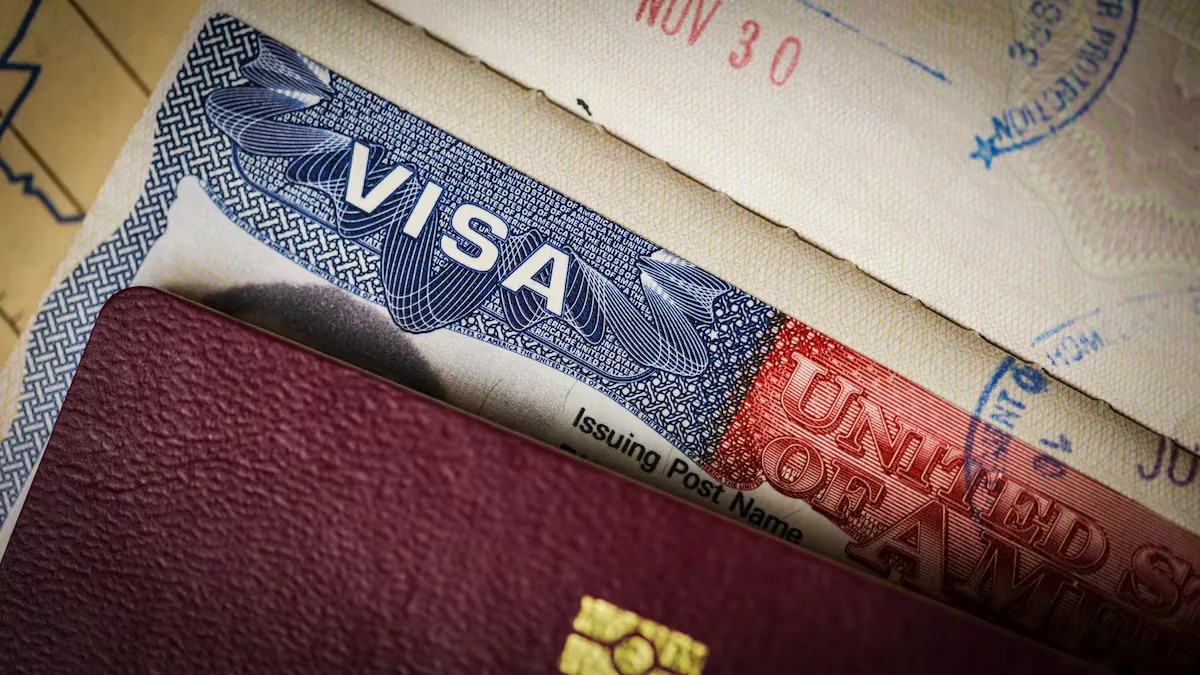
The Donald Trump Administration implemented a rule this Friday that expands which public benefits and personal circumstances officials can review before approving certain immigrant visas and applications for permanent residence or green cards. The measure is already facing a lawsuit from cities seeking to block it in the courts.
Read more Mbappé breaks with Nike and signs with On, the sneaker brand part-owned by Federer
The so-called “public charge” rule allows authorities to determine if, in their judgment, a migrant might depend on government assistance in the future. Under the new framework, that assessment can include programs such as Medicaid, the Supplemental Nutrition Assistance Program (SNAP), or certain housing assistance. Receiving one of these benefits does not automatically mean a request will be denied.
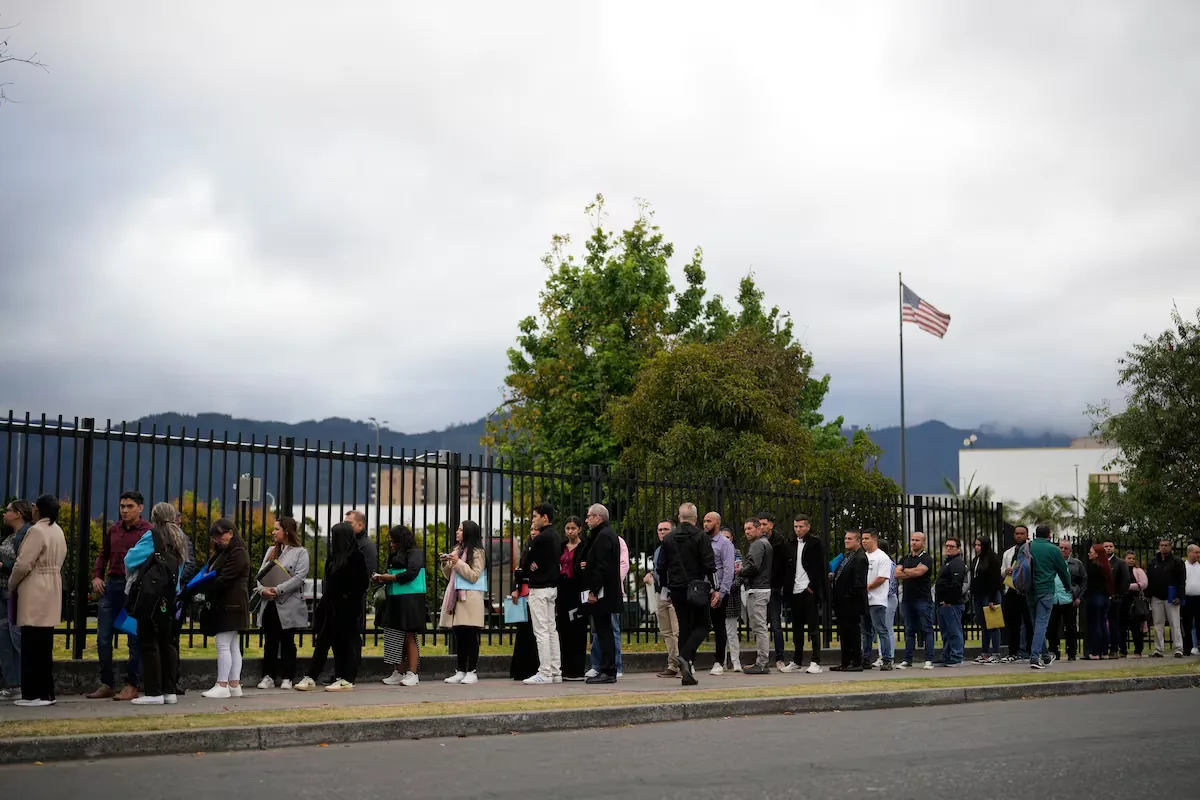
The change also comes amid a temporary pause in immigrant visa interviews at embassies and consulates, while the State Department trains its officials to apply the new guidelines.
What is the “public charge” within immigration rules?
The “public charge” is a criterion that allows U.S. authorities to deny admission to the country or permanent residence when they consider that a person might become a public charge at some point.
The evaluation does not depend on a single element. Officials can analyze a person’s age, health status, family situation, economic resources, education, and skills. In certain cases, the financial support of a sponsor is also taken into account.
The new policy broadens the scope to consider the application, approval, or receipt of certain public benefits subject to income verification.
Which benefits can be considered?
Among the programs that may be included in the evaluation are Medicaid, SNAP, CHIP, and certain housing assistance, as well as other benefits subject to income verification administered by federal, state, tribal, territorial, or local governments.
The new policy also expands the analysis because, in certain circumstances, the very application for a benefit may be relevant even if the person ultimately did not receive it. However, using a program alone does not mean a person will lose the possibility of obtaining a green card or a visa. Officials will assess the circumstances of the case as a whole.
Who does the public charge rule affect?
The measure mainly affects people seeking to obtain permanent residence or certain immigrant visas. These include those applying for visas to reunite with family members in the United States, including spouses, parents, children, and siblings of U.S. citizens, as well as relatives of permanent residents. It may also affect certain workers applying for immigrant visas through an employer.
Read more “This Shakiralandia is great”: Macondo Park opens to the enthusiasm of thousands of people
The analysis may also be relevant for those already in the United States who are applying to adjust their status to become permanent residents.
Not all people are subject to the “public charge” criterion. There are exempt categories and situations, including certain refugees, asylees, special immigrant minors, trafficking victims, and certain crime victims.
Does receiving Medicaid or SNAP mean losing the ‘green card’?
Not automatically. The new rule does not establish that receiving Medicaid, SNAP, or another benefit included in the evaluation automatically implies denial of an application.
Officials must consider the applicant’s overall circumstances. Therefore, the impact may vary depending on the benefit, when it was applied for or received, who received it, and the person’s economic and family situation.
Organizations advising immigrants have warned about some families’ fear of using benefits they are entitled to. States that have sued the government point out that some people might stop receiving medical or food assistance for fear it will affect future immigration procedures.
Lawsuits against the measure
22 states and Washington D.C. filed a lawsuit to block the measure. New York leads that litigation, while another case was filed by cities and local governments, including those of New York City, Chicago, San Francisco, Seattle, and the counties of Santa Clara and King.
The states argue that the policy could lead immigrants and families to abandon necessary benefits to avoid immigration problems and that this would have consequences on public health, poverty, education, and local economies.
The Trump Administration defends the change as a way to restore the principle of “self-sufficiency” and prevent taxpayers from having to cover the costs of migrants who might depend on public programs.
Read more Macron orders to strengthen the protection of critical infrastructures against Russian attacks