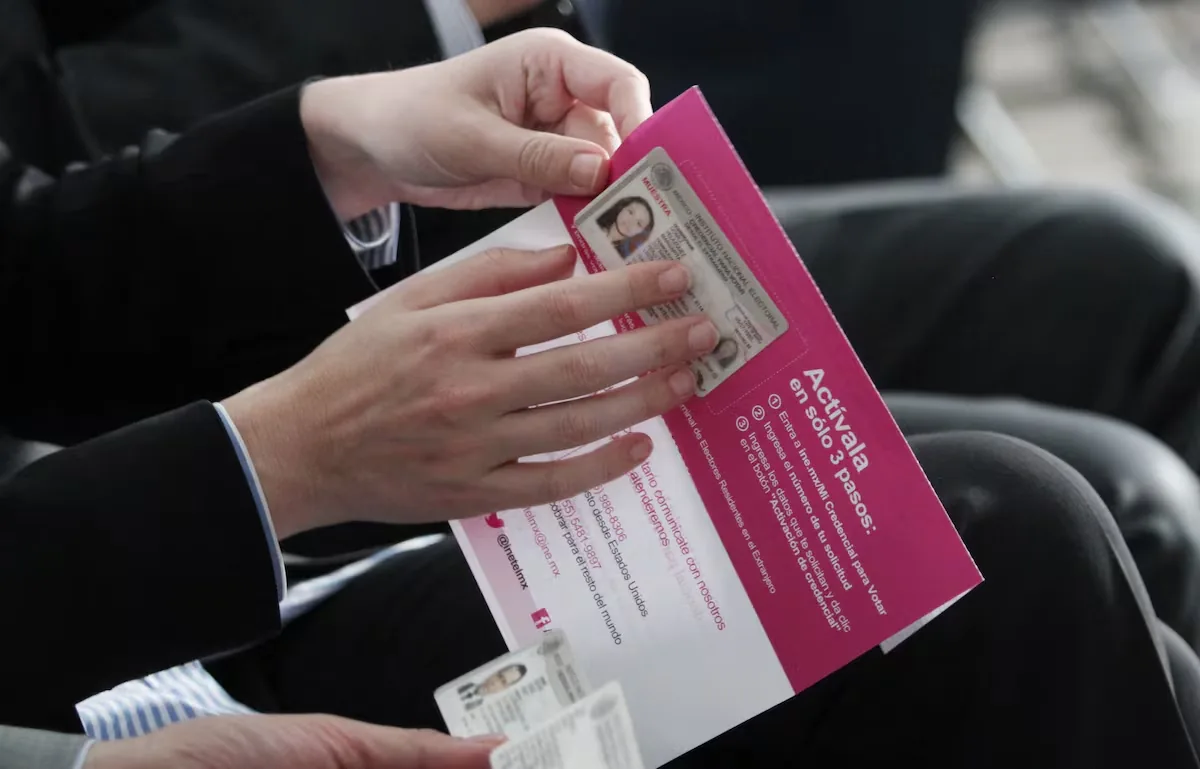








With last-minute changes to its internal agreement, the ruling majority approved the appointment of three new counselors of the National Electoral Institute: Arturo Manuel Chávez López, Frida Denisse Gómez Puga, and Blanca Yassahara Cruz García. The appointment of the electoral arbitrators, who will remain in the INE until 2035, did not have the opposition’s support, which voted against the profiles promoted by the President of the Republic and voted for by Morena, Partido Verde, and Partido del Trabajo.
Read more We are very afraid
In the original agreement, the Morena coordinator Ricardo Monreal promoted the appointment of the former electoral counselor of Mexico City, Bernardo Valle, and the official of the Electoral Judicial School, Alejandra Tello. But these two names did not find consensus among the allies PVEM and PT, who would have again threatened to vote against, as they did with President Sheinbaum’s electoral reform last March.
In negotiations that lasted more than eight hours, and which repeatedly delayed the meeting that the Political Coordination Board was originally scheduled to have at 2:30 in the afternoon, the final agreement included Frida Denisse Gómez Puga, former electoral counselor of Tamaulipas and current head of the Internal Control Body in the same institute, recently appointed by the Morena majority in the state Congress, and Blanca Yassahara Cruz García, president of the Electoral Institute of Puebla.
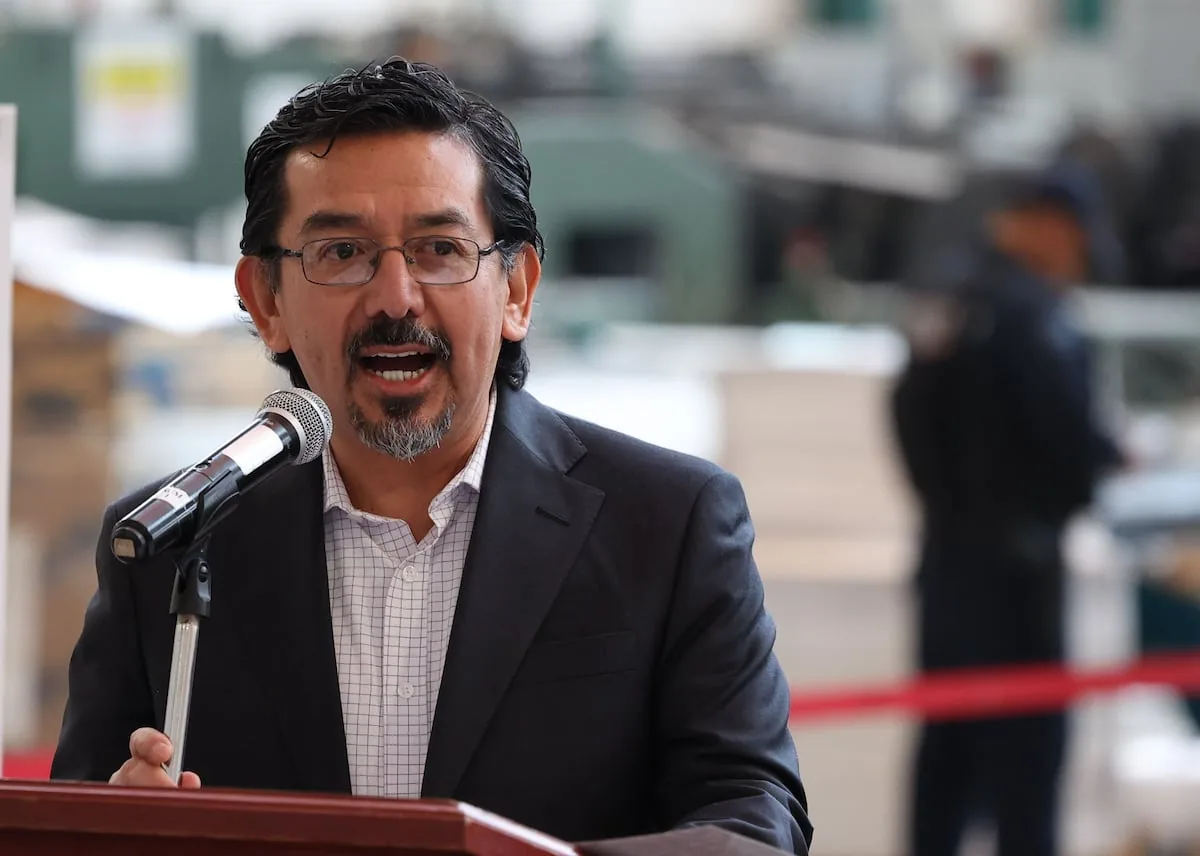
The jewel in the crown for the ruling party, however, is the appointment of Arturo Chávez López, a UNAM student activist in the 80s and 90s, university professor, former official of the Ministry of Science, and current director of Talleres Gráficos de México, the body dependent on the Ministry of Interior that, among other things, is responsible for printing electoral materials. But, beyond those credentials, Chávez is considered an official with the full trust of President Claudia Sheinbaum, with whom he lived during his university life. His appointment is born under the shadow of suspicion from government critics, for having achieved a score of 99 out of 100 in the knowledge exam applied during this designation process, which fueled questions of loaded dice in his favor.
Read more Running sales: sneakers, watches and accessories to train better for less
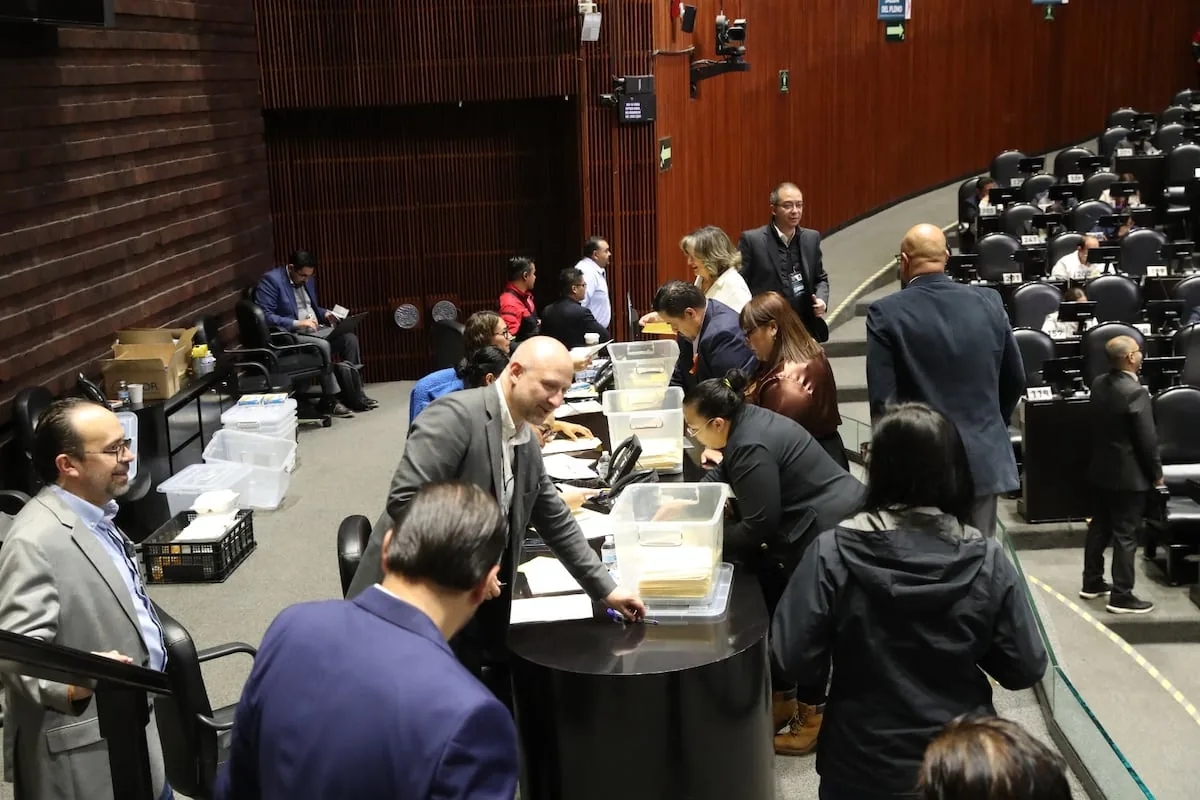
With the vote in the plenary, which took place until 9 p.m. this Tuesday, an end is put to a process disqualified by the opposition from the beginning. First, due to the formation of an evaluation committee dominated by figures linked to Morena; then, due to the strange qualifications of the aspirants identified as favorites of the regime; and finally, due to the opacity with which the committee acted, which never made transparent the criteria used to apply the suitability filters.
The appointment, which required a qualified majority, was approved with 334 votes from the ruling party’s benches, and 127 votes against from PAN, PRI, and MC. Since 2003, when the left rejected the appointment of Luis Carlos Ugalde and eight other counselors of the then IFE, it is the first time that the appointment of electoral counselors has been rejected by opposition political forces. In 2020, in the first designation of electoral counselors during the 4T era, Morena managed to get PAN, PRI, MC, and PRD to vote in favor. And, in 2023, a lottery was used to appoint the current presiding counselor, Guadalupe Taddei, and three other counselors. This time, the ruling party has used its majority, excluding the opposition. “Today is one of the darkest days for the Republic,” declared PAN deputy Germán Martínez, almost at the end of the session.
Read more The Government of Zacatecas accuses a group of farmers of causing a fire in some Segalmex warehouses