David Monderer was in the right place at the right time, but then he was too late to tell the story. The meeting took place last Monday at a café in New York. The first thing he does is hand over a typewritten paper: “Here is my story. I preferred to write it down because I’m terrible at telling things,” he explains. In that one and a half pages is summarized the ordeal of an aspiring photographer who managed to capture a historic event but did not know how to capitalize on it. After years of oblivion, a coincidence brought him back to light until today he occupies a privileged place in the 9/11 Museum in New York.
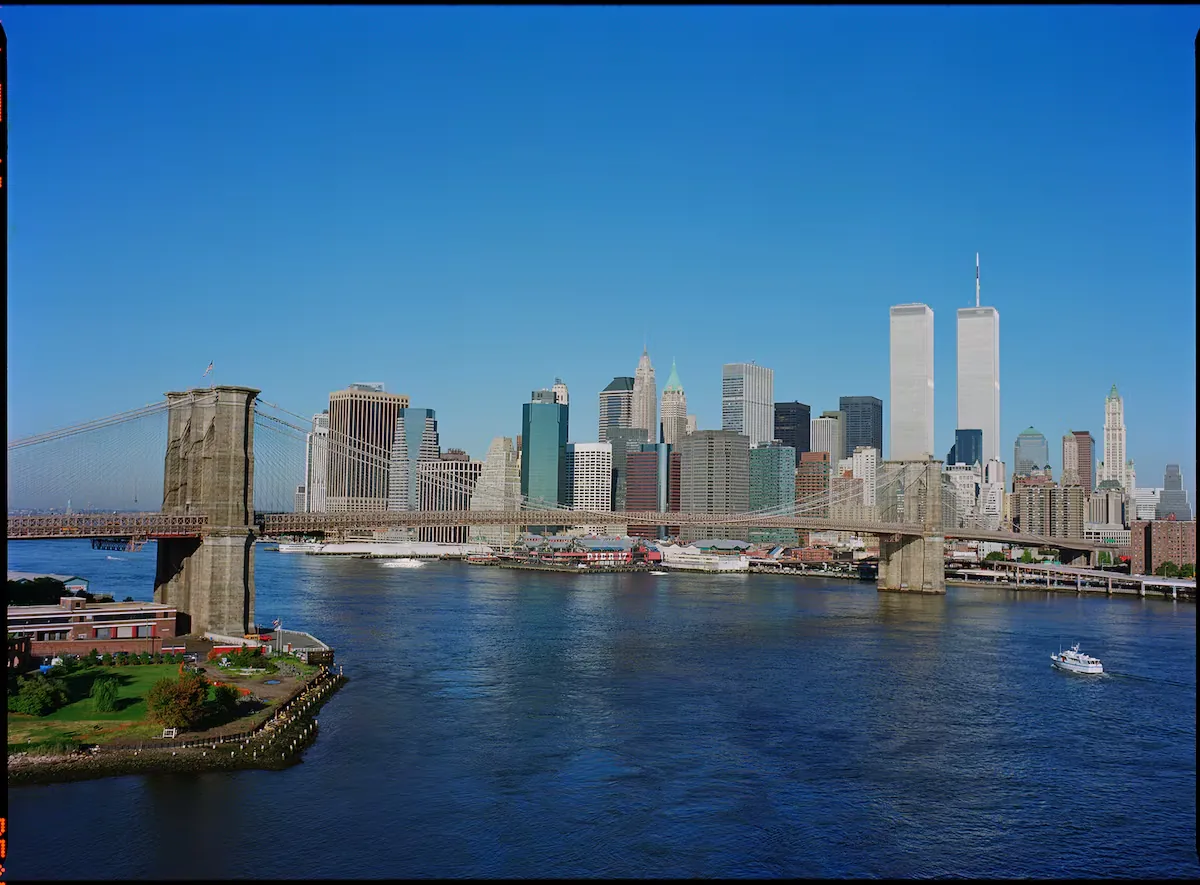
The image in question, from 8:30 in the morning, is one of the last taken of lower Manhattan with the Twin Towers intact before two planes changed the course of world history. Exactly 16 minutes before the first impact, that of American Airlines Flight 11 against the North Tower, between floors 93 and 99.
Twenty-five years ago, Monderer wanted to make a name for himself in the world of photography. The pedestrian walkway on the Manhattan Bridge had just reopened after more than 40 years. And he thought it was a good reason to photograph an iconic New York landscape from there. He took his equipment on the morning of September 11, 2001, thinking that early light would be optimal. He took the photo but was not satisfied: there was too much space in the sky; he missed a few “fluffy clouds” to fill the composition. So he thought about going back home in Manhattan to wait for a more favorable day.
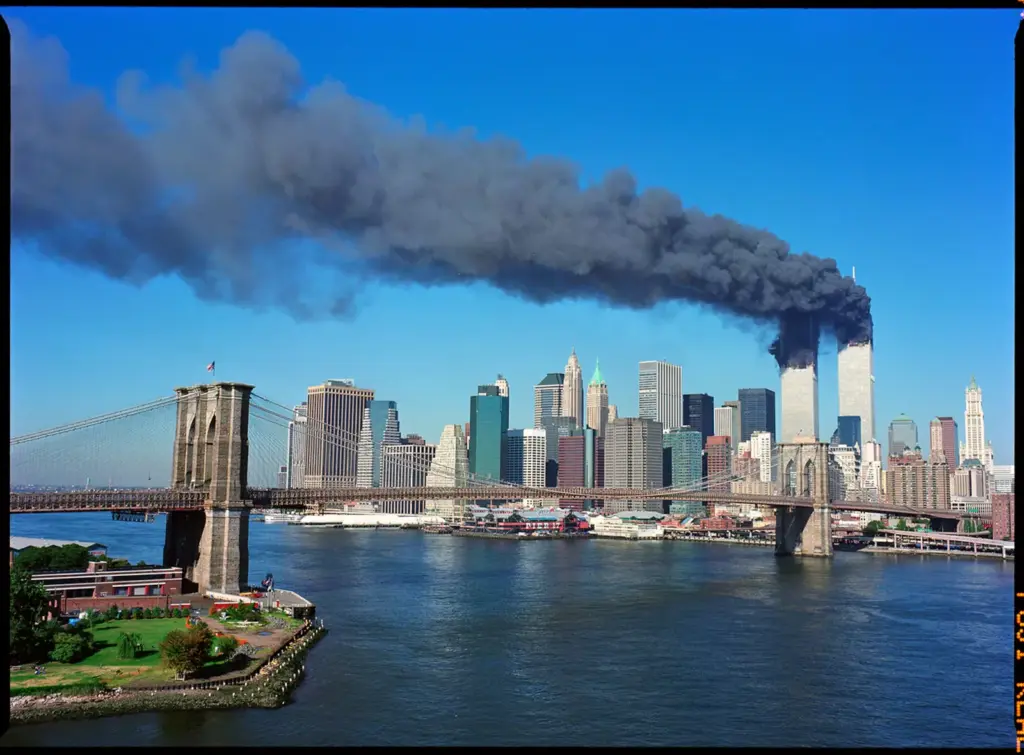
As he was crossing the Manhattan Bridge, he heard a roar and someone shouting: “A plane just crashed into the World Trade Center!” Then he turned back and was able to capture the story live. It was 9:20, about 15 minutes after the second plane hit the South Tower. There were the clouds he missed in the first photograph. But they were not fluffy; they were completely different from what he had hoped for. The next image is after 10:28, when both towers had already collapsed. “I was in shock. I was 37 years old,” he writes in his notes.
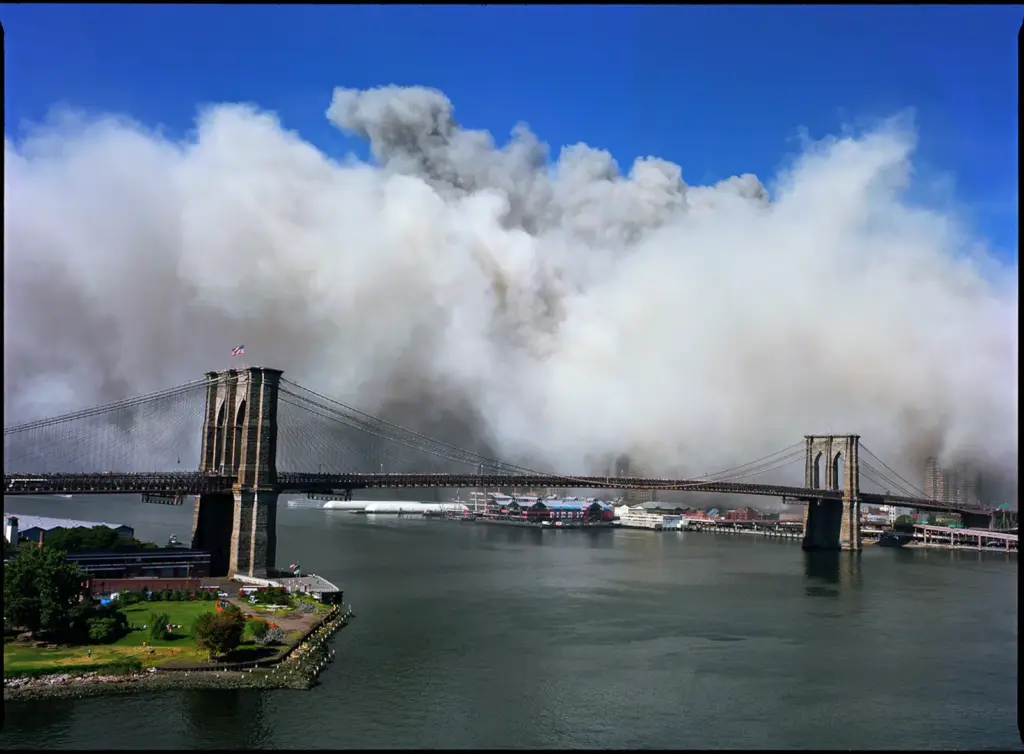
With some historic photographs on his roll, Monderer was slow to react. He was paralyzed for about five days until he gathered the courage to show up at the Time magazine newsroom, where he knew no one, to see if they might be interested. The editors told him yes, they were very good, but unfortunately, he had arrived too late. A few days earlier they would have been interested, but now they were focused on the aftermath of the attacks, not on the before and after images. It was a blow that was hard for him to take. Later, he would leave photography, disappointed by a sector that increasingly felt alien to him, with the arrival of digital, and in which he had not managed to stand out.
Read more Six gang members arrested for an assault on another member of their own gang
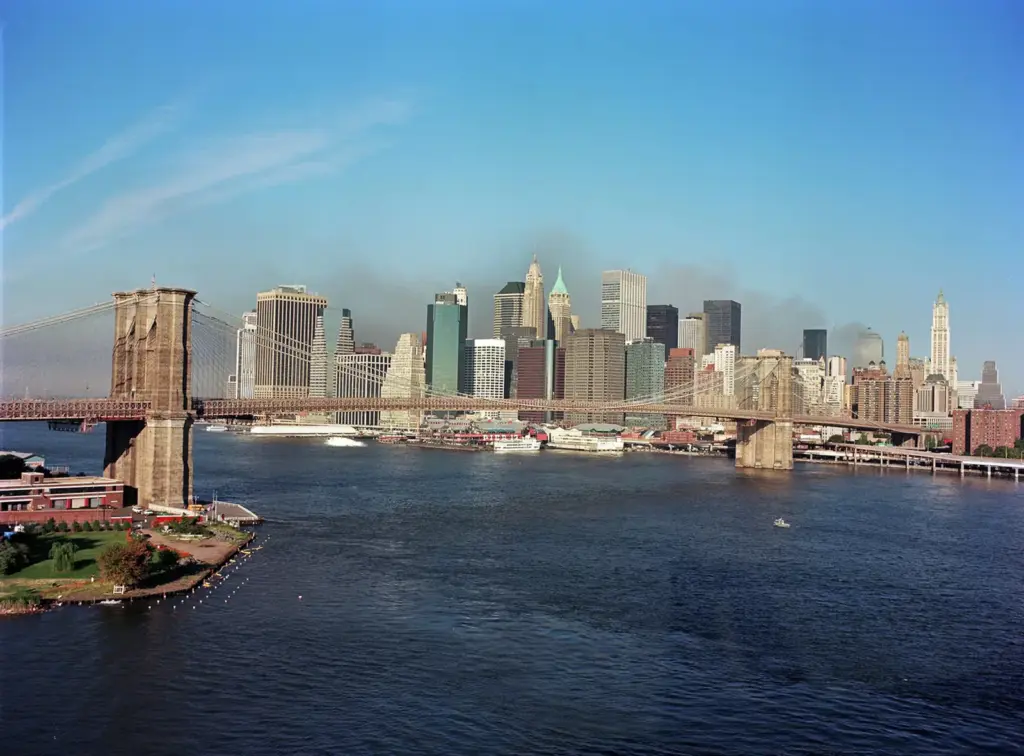
Years later, he saw a flyer from the New York Historical Society asking citizens who had photographs of 9/11 to send them for their archive. He did so with no expectations. He sent them and forgot about it. Until years later he saw the image he had taken on the morning of the attacks in a full page in the tabloid New York Post. He couldn’t believe it. Later he received a call from the 9/11 Museum, which opened its doors in 2014. They told him they were interested in showing the photograph that Time had rejected. Monderer accepted gratefully and did not ask for any financial compensation in return.
Today, this frustrated and finally vindicated photographer is 62 years old and is, according to himself, “a low-level lawyer.” He criticizes the drift of New York in this quarter of a century, a time in which a coffee has gone from costing 75 cents to five dollars. And that’s if you’re lucky. Where apartment prices have multiplied by five. And where neighborhoods once affordable like the Lower East Side now host luxury housing. “For me, it’s not the same place, no matter how many people still want to come here to chase their dreams,” he says. He says he earns little money in his job because he has medical problems that prevent him from working full time.
He has two magnets of his now recognized photo on his fridge, the kind sold in the museum shop that last year was visited by 2.4 million people. Looking back, he thinks his mother, who was an artist and worked as a tour guide, would be happy to see that her son’s work is finally exhibited in an important New York museum. She couldn’t see it because she died earlier. But he believes that, in some way, his mother is proud.
Read more 25 years of global disorder