








In the little-known sector of grape intellectual property, there is California, and then there is Murcia. “When I started, all the genetic improvement programs were in California,” says Juan Carreño, head of hybridization at Bloom Fresh, the company with the most registered commercial varieties in the world, born from the merger of two giants, the Spanish Special NewFruit Licensing (SNFL) and the American IFG (International Fruit Genetics). “But then ITUM was formed and SNFL was left without a head of hybridization and came here. Murcia went from having no program to having two. There are smaller programs in other countries, like Israel. And in Peru [main exporter] it is planted, but not researched. Murcia is a world power, only California surpasses us.”
Read more Gasoline is more expensive than diesel for the first time since March
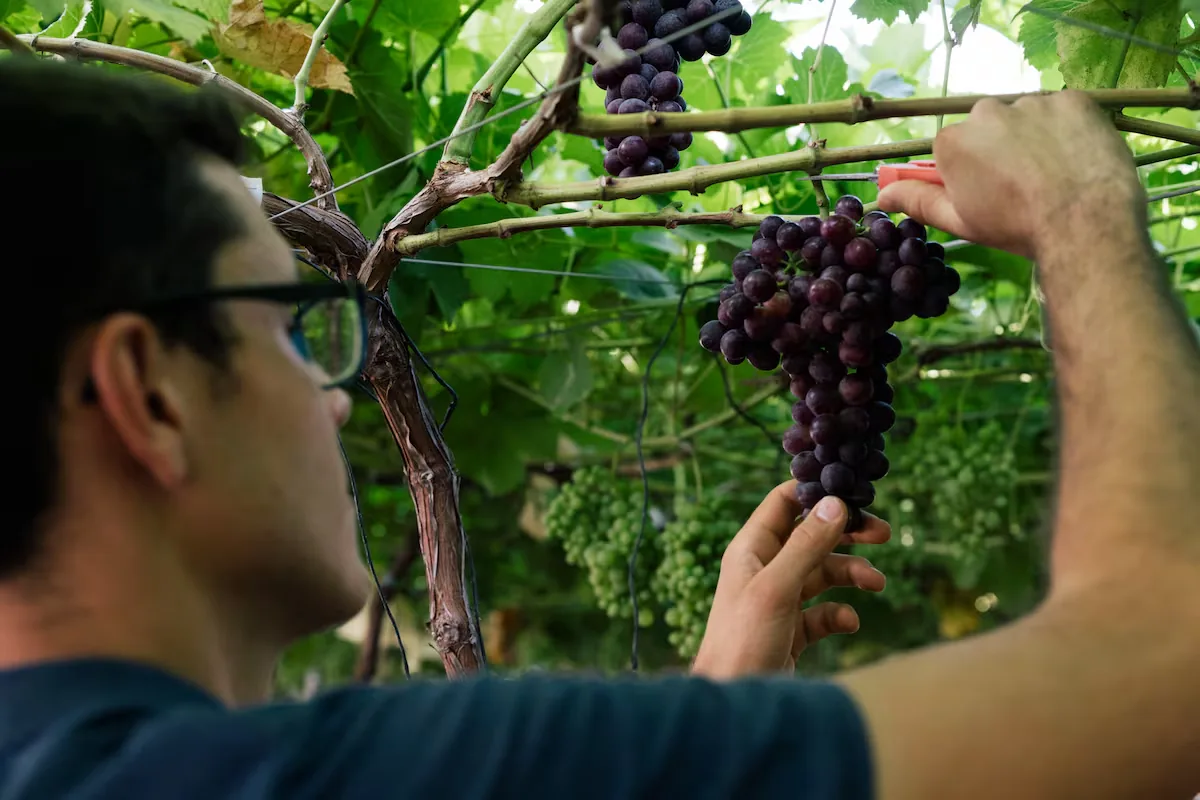
Carreño, an agricultural engineer and PhD in biology, is one of the key figures who have managed to place the region at the pinnacle of table grape research, a booming business consisting of patenting varieties (mainly seedless) and selling their rights to farmers to cultivate them. As if they were software. “Just as you pay Microsoft and receive support if you need it, you pay us to grow our grapes and you have technical support behind it,” summarizes Fiachra Moloney, marketing director of Bloom Fresh. The varieties are created by crossing grapes, as if they were a father and a mother, and waiting for the result. Of the 50,000 crosses they make each year, maybe three reach the market.
Bloom Fresh has more than thirty varieties, including the famous Cotton Candy: a white, crunchy, seedless grape sold in supermarkets worldwide. In fact, just passing through any supermarket you can see that most of the grapes on the shelves are theirs: you will recognize them by the IFG prefix, the Californian company that created them before becoming part of Bloom Fresh.
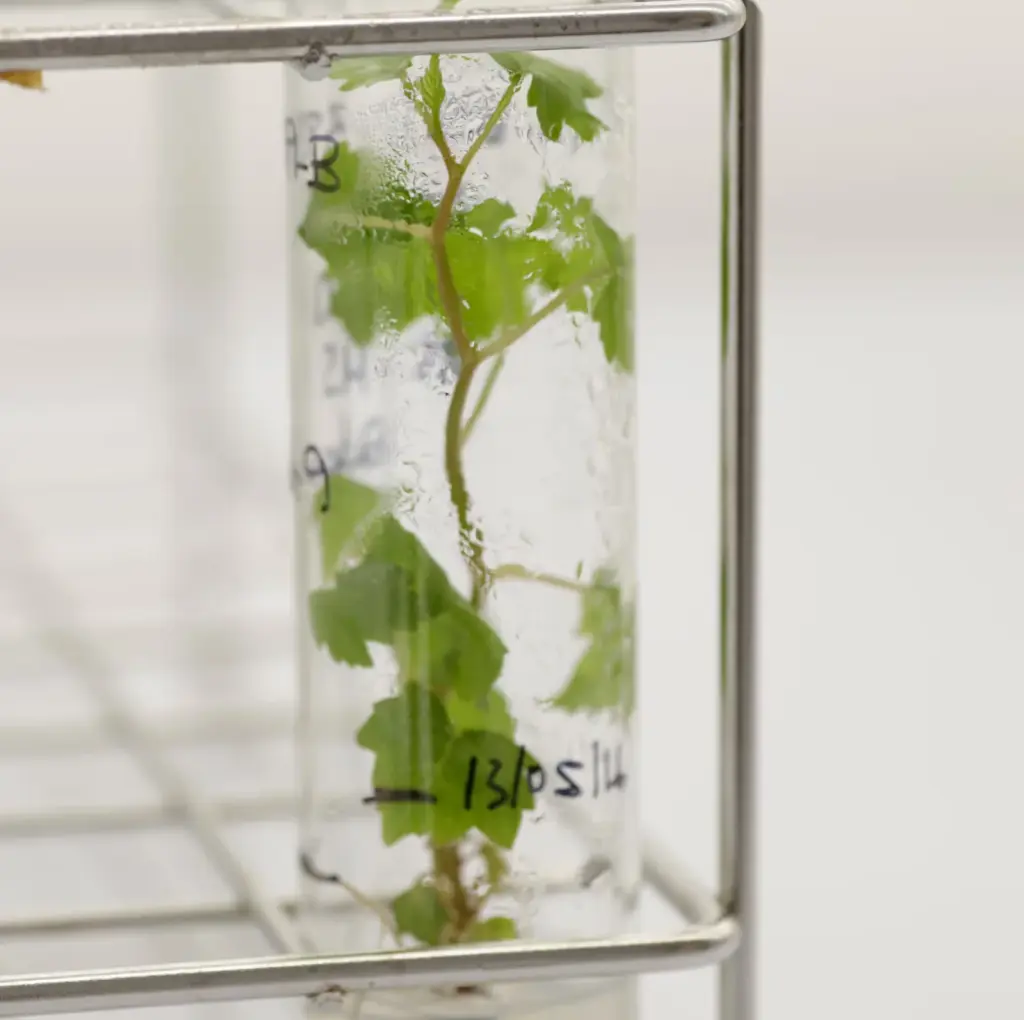
The story of how Murcia became a great variety laboratory has two parts: the first, the Murcian who went to California and understood that research was more important than marketing. The second, the Murcian producers who, seeing they were left out of the business, decided to research on their own. And in between, Carreño, who after working in the Agricultural Extension Service during the transition, read Californian scientific studies and set up the first genetic improvement program at the public Murcian institute IMIDA.
Making a virtue out of necessity
Álvaro Muñoz is CEO of AM Fresh, the largest food company in Spain with 2.2 billion in turnover and 12,000 employees worldwide. It was founded in 1931 in Cabezo de Torres (Murcia) and today is a colossal producer and supplier of fruits to the main supermarkets in the world: Walmart, Tesco, Carrefour, Lidl, or Aldi.
In the nineties, Muñoz —grandson of the founder— considered that they should develop new grape varieties and went to California to find a breeder. He found geneticist Timothy Sheehan and founded SNFL, which, despite its Spanish origin, kept the research in California.
Carreño was already at IMIDA. “I liked genetics. And there were many expectations regarding seedless grapes because they were being grown in other parts of the world. I set up a genetic improvement program to find varieties for Murcian farmers. I read the Californian papers and started the cultivation, the laboratory, the selections…,” he says.
Public research was slow and Murcian farmers began to get restless. Neither SNFL nor the few other research companies, all Californian, sold them varieties.
Read more The 2026 Emmys surprise with the win of ‘The Curse of Widow’s Bay’
“Access was very restricted: they only gave them to the big players. It was easier to do business and keep everything controlled that way,” he continues. “In Murcia there were hundreds of farmers condemned to not having modern varieties,” adds Manuel Tornel, Carreño’s protégé. “What happened? They made a virtue out of necessity and created Table Grape Research and Technology (ITUM) to research varieties. ITUM broke the market monopoly.”
The Murcian consortium vs. the corporation
ITUM is a consortium of companies that hires the public Murcian institute to research. The hybridization program was started by Carreño, who in turn trained Tornel, in 2002. In 2009, across the ocean, the SNFL breeder passed away. “They were looking for a researcher anywhere in the world. They met us and came to Murcia,” recalls Carreño. The curious thing is that they didn’t know them so much for being Murcian but because they were already buying varieties from them to sell in South Africa. The company hired Carreño and created its first innovation center in the region.
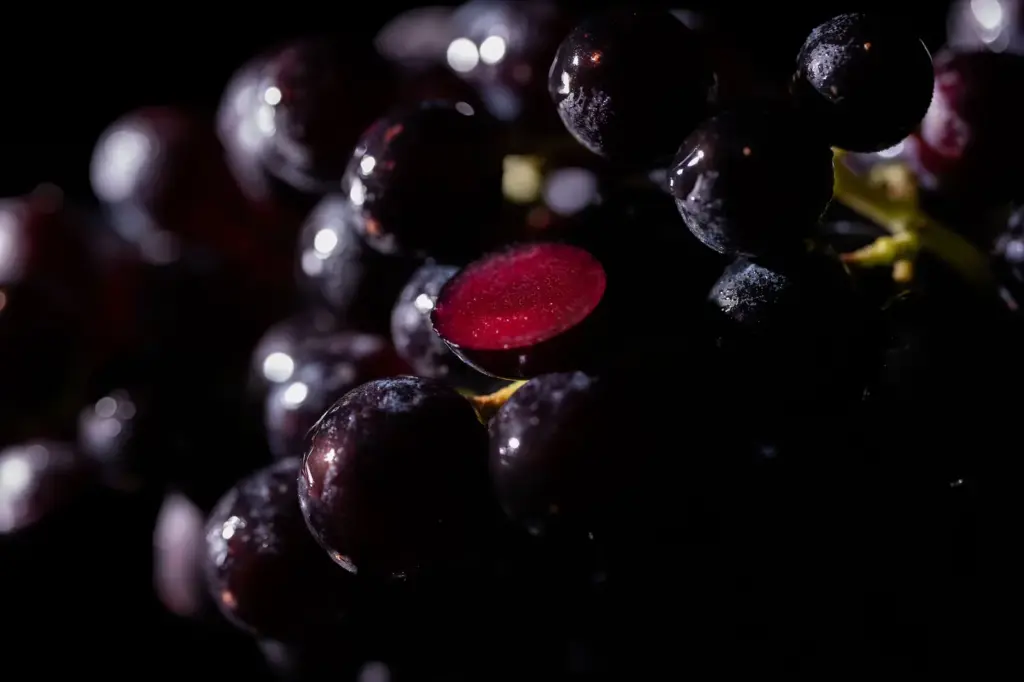
Now they are face to face: ITUM on one side of the road and Bloom Fresh, the brand Álvaro Muñoz created by buying IFG and merging it with SNFL, on the other. ITUM has registered twenty varieties “appreciated for their crunchiness,” says Tornel. Besides the historical ones, Bloom Fresh has just launched a set of varieties born from hybridizing wine grapes and table grapes. They are black with red pulp and rich in antioxidants.
Their business models are different. Bloom Fresh, which lives from selling intellectual property, is extremely profitable: 150 million profit on 213 million turnover, according to its latest accounts. ITUM has increased its turnover over the years, but barely reaches one million. “Everything is reinvested in research,” says Tornel. There are two keys: on one hand, owning varieties saves Murcian producers from paying royalties to Bloom Fresh. On the other, it allows them to control who cultivates their grapes and avoid competition.
“Italy produces four times more than Spain, but it arrived late to seedless grapes. ITUM would never think of selling varieties to the Italians, because they are direct competition,” says Joaquín Gómez, president of Apoexpa, the association of exporters of fruits and other agricultural products. “That’s why we are in South America, South Africa, Namibia, and Australia, because production is counter-seasonal,” adds Tornel. “Here we stop selling in December. Then our varieties arrive in Europe, but grown in those countries. For an ITUM member it is good: when the season arrives, only he can sell them, because he is the only one in the world who produces them at these times.” The international table grape symposium to be held for the first time in Spain in October, in Murcia, will allow them to continue seducing producers from countries that are not competitors.
The new grape economy is radically different from the traditional one. To compare: the Vinalopó grape, the white seeded one of all time, is protected under a Designation of Origin that ties it to a territory, a landscape, and a cultural technique, bagging. The variety is nobody’s property. Registered varieties allow “an absolute temporal and spatial delocalization of the table grape,” summarizes Beatriz Rocamora, director of the D.O.P of Vinalopó. “For breeding companies it is a super business.”
Both ITUM and Bloom Fresh now focus on obtaining varieties resistant to fungi: genetically invincible grapes that save costs for the farmer. “Thinking that the other side is working on the same thing,” concludes Carreño, “makes us push harder.”
Read more Sánchez cheers himself up on the set of Gran Wyoming